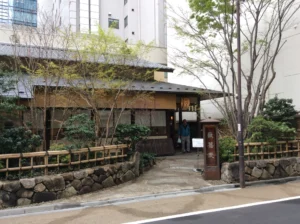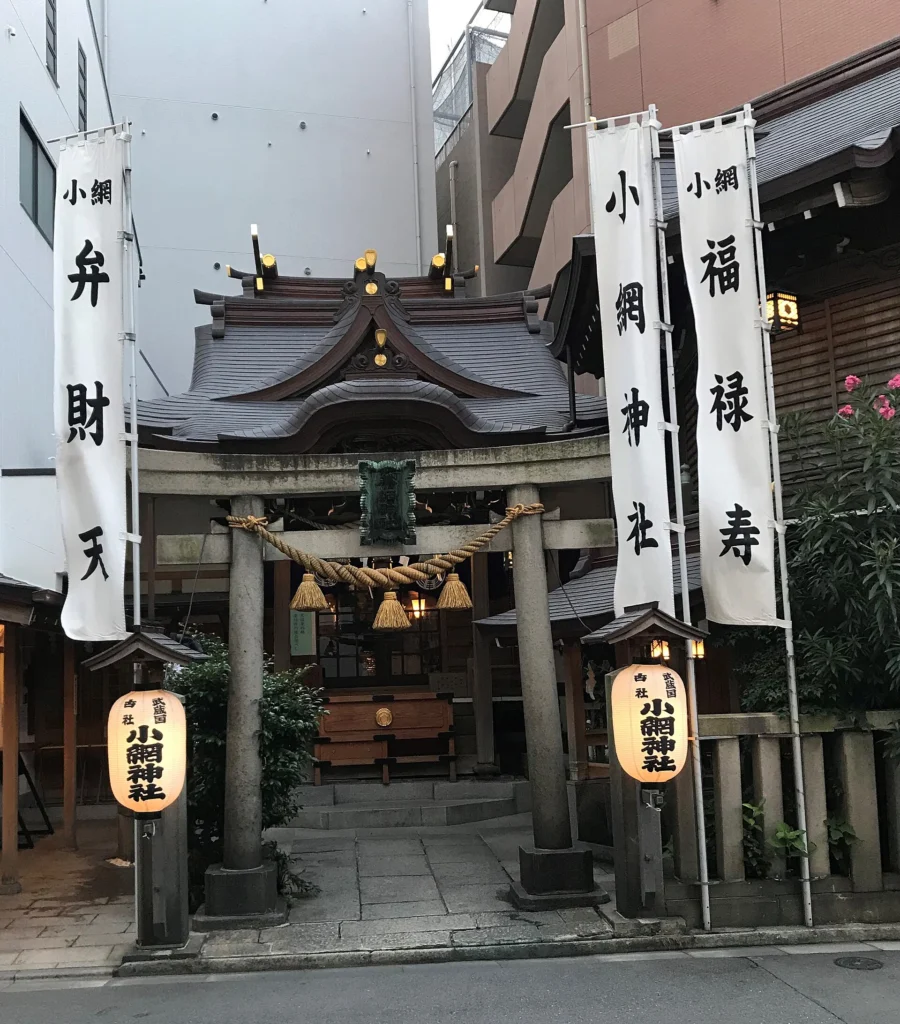
Shichifukujin meguri (七福神巡り) is a New Year custom of visiting temples and shrines that enshrine the Seven Lucky Gods. Tokyo has several routes, and each has its own dates and rules. This guide explains who the gods are, and what we could confirm about the main Tokyo courses.
Quick answer
The Seven Lucky Gods (Shichifukujin) are Ebisu, Daikokuten, Bishamonten, Benzaiten, Fukurokuju, Jurojin and Hotei. In Tokyo, the best-known routes are Yanaka (January 1 to 10 on the Taito City page), Sumida River (January 1 to 7 in 2026), Nihonbashi (seven shrines, dates not found) and Asakusa (year-round on the Taito City page).
We found no official 2027 schedule yet, so dates below are from the latest official pages. Check each route’s official page before you go.
| What | A New Year custom: visit places that enshrine the Seven Lucky Gods |
| Yanaka | 7 temples and shrines. January 1 to 10 (Taito City page) |
| Sumida River | 6 sites, 7 gods. January 1 to 7 in 2026 (official site) |
| Nihonbashi | 7 shrines. Official 2026 notice: shikishi and takarabune at six shrines |
| Asakusa Meisho | 9 temples and shrines. Year-round (Taito City page) |
| 2027 dates | Not found on official pages yet. Check before you go |
| Last checked | November 2026 (on November 17, 2026) |
Who Are the Seven Lucky Gods?
According to the official Nihonbashi Shichifukujin site, faith in the seven gods is said to have begun in the Muromachi period. The Kyoto pilgrimage’s site explains the story: first Ebisu and Daikokuten were worshipped as the Two Lucky Gods. Later, the group grew to seven, to match the Seven Sages of the Bamboo Grove, a popular painting subject. These are traditional accounts, so we do not give a single founding year.
| God | Known for (Kyoto Miyako Shichifukujin site) | Origin |
|---|---|---|
| Ebisu | Prosperous business, safe travel, good catches | The only native Japanese god of the seven |
| Daikokuten | Wealth and fortune | Originally a war deity; known in Japan as a protector of commerce |
| Bishamonten | Guardian of the north and protector of Buddhism | India |
| Benzaiten | Water, language, music and fortune. The only goddess | India |
| Fukurokuju | Happiness, high status and long life | China |
| Jurojin | Long life, wealth, children and recovery from illness | China |
| Hotei | Based on a monk named Qici who lived in Tang-dynasty China | China |
The Kyoto site also says that visiting all seven places at the start of the year is said to remove seven calamities and bring seven blessings, and that you can begin at any temple. Our Japanese New Year customs guide covers other customs of the season.
Tokyo’s Main Courses at a Glance
| Course | Period on the official page | Sites | Notes |
|---|---|---|---|
| Yanaka Shichifukujin | January 1 to 10 (Taito City page, updated Nov 18, 2025) | 7 temples and shrines | Calls itself Edo’s oldest pilgrimage (Shusho-in’s page). About 2 hours and 6 km (2024 page) |
| Sumida River Shichifukujin | January 1 to 7 in 2026 (official notice) | 6 sites for 7 gods | Shikishi and takarabune only at two sites |
| Nihonbashi Shichifukujin | Dates not stated in the text we could read. The official site says the shrines are open for visits as usual | 7 shrines | All shrines, no temples. Short route |
| Asakusa Meisho Shichifukujin (Taito) | Year-round (Taito City page) | 9 temples and shrines | Gods per site not confirmed here |
| Shitaya Shichifukujin (Taito) | January 1 to 31 (Taito City page) | 7 temples and shrines | Gods per site not confirmed here |
Taito City’s page says opening hours can differ from one temple or shrine to another. For 2027, the schedule is not on the official pages we checked. Please check before you go.
Yanaka Shichifukujin
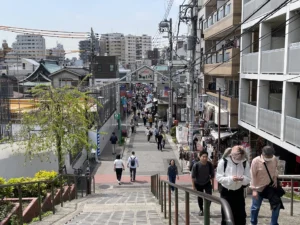
The seven stops, with the god of each (from Shusho-in’s own page): Fukurokuju at Tokaku-ji, Ebisu at Seiun-ji, Hotei at Shusho-in, Jurojin at Choan-ji, Bishamonten at Tenno-ji, Daikokuten at Gokoku-in and Benzaiten at Shinobazu Benten-do. Shusho-in’s page says the 2024 period was January 1 to 10, with gates open from 9:00 to 17:00. It says the course takes about 2 hours and about 6 km. Taito City’s page lists the same seven places and the period January 1 to 10, without a year.
The same page says that finishing within the New Year period (matsu no uchi) is said to bring greater blessings. Along the way, you pass shopping streets and parks. See our Yanaka guide, Yanaka Ginza and Ueno and Yanaka itinerary.
Sumida River Shichifukujin
The official site says the 2026 event ran from January 1 to 7. The six sites are listed below, with the god of each from the official Sumida tourism page (addresses are in Sumida City).
| Site | God | Address |
|---|---|---|
| Tamon-ji | Bishamonten | Sumida 5-31-13 |
| Shirahige Shrine | Jurojin | Higashi-Mukojima 3-5-2 |
| Mukojima Hyakkaen | Fukurokuju | Higashi-Mukojima 3-18-3 |
| Chomei-ji | Benzaiten | Mukojima 5-4-4 |
| Kofuku-ji | Hotei | Mukojima 5-3-2 |
| Mimeguri Shrine | Daikokuten and Ebisu | Mukojima 2-5-17 |
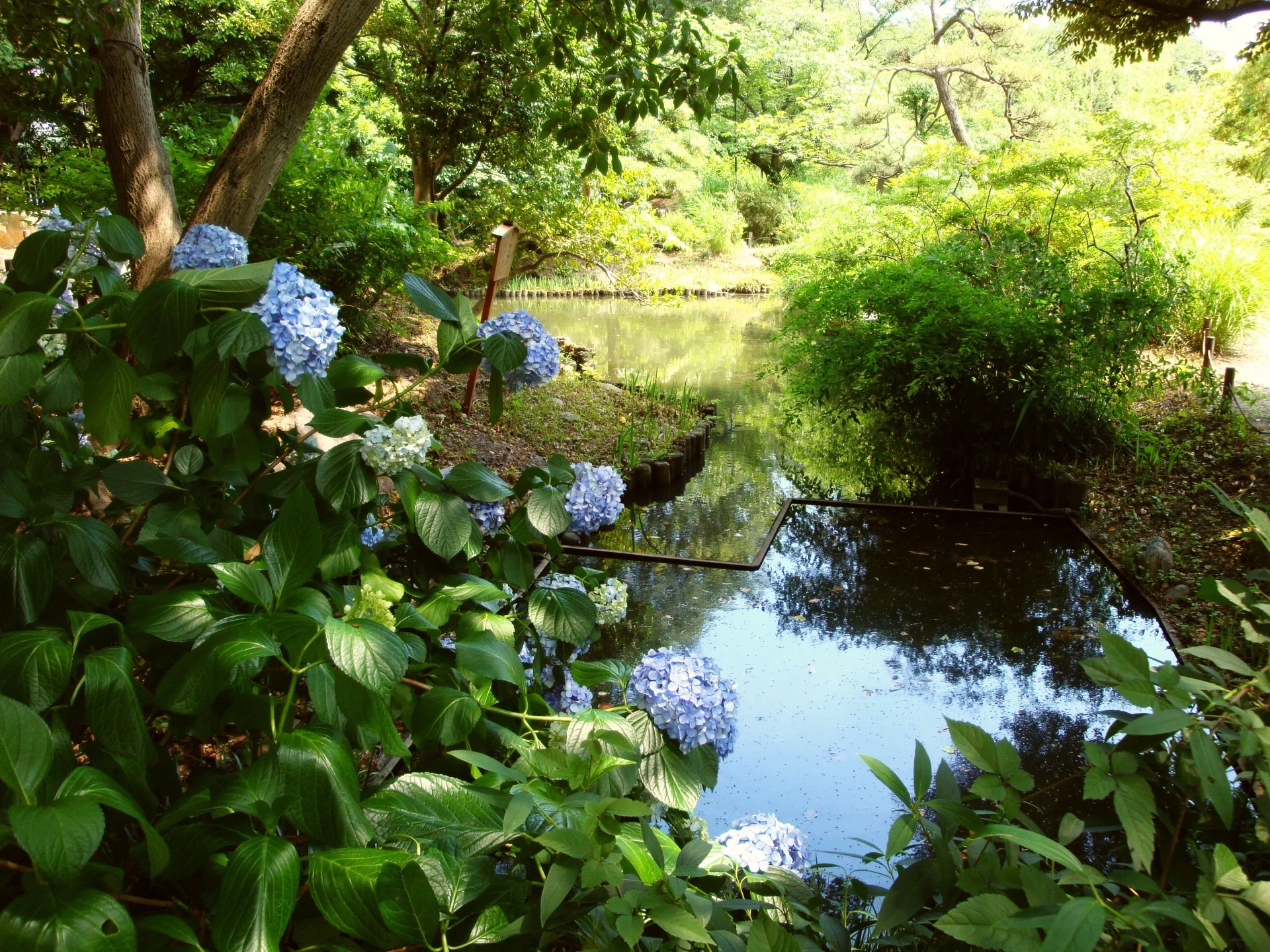
Shikishi (decorative boards for stamps) and takarabune (treasure boats) are sold only at Tamon-ji and Mimeguri Shrine. The official notice says the recommended route starts at Tamon-ji and ends at Mimeguri. Goshuin (temple stamps) are available during the event, about 9:00 to 16:00. Shichifukujin inscriptions are available until January 7. From January 8, each site gives its own main-deity goshuin. In the 2026 notice, Hyakkaen was free from January 1 to 3 and cost ¥150 from January 4. Check the 2027 notice for any change. See Mukojima guide, Mukojima-Hyakkaen Gardens and Sumida Park.
Nihonbashi Shichifukujin
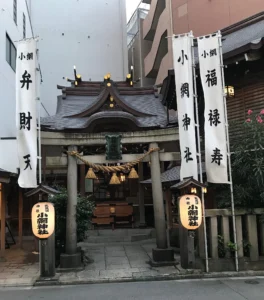
Nihonbashi’s course is made only of shrines, and the official site says its route is the shortest in Japan to walk. There is no fixed starting point. The seven shrines and their gods are below.
| Shrine | God | Address (Nihonbashi, Chuo) |
|---|---|---|
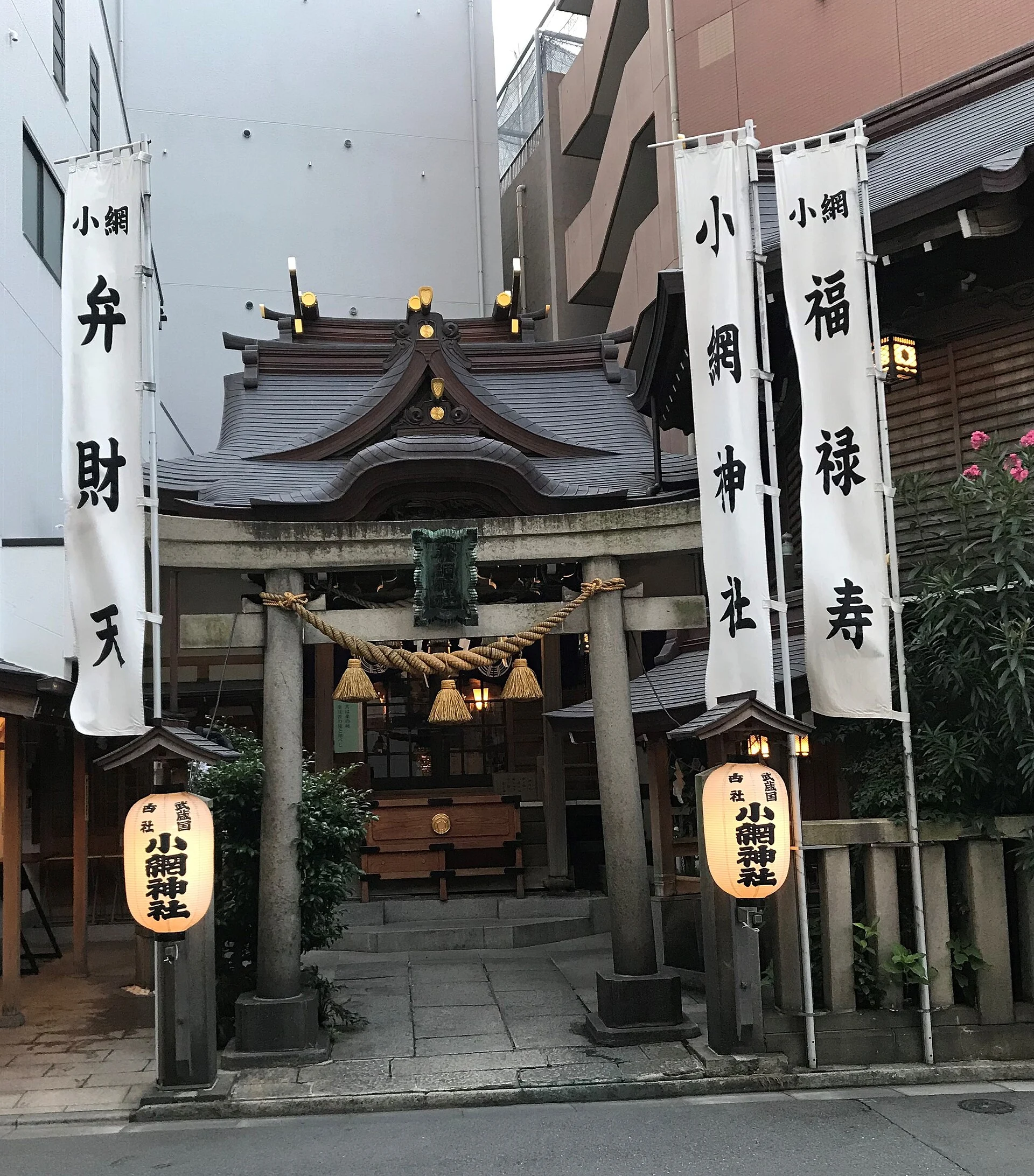
| Kasama Inari Shrine | Jurojin | Hamacho 2-11-6 |
| Koami Shrine | Fukurokuju | Koamicho 16-23 |
| Hojo Benzaiten (in the Suitengu precinct) | Benzaiten | Kakigaracho 2-4-1 |
| Suehiro Shrine | Bishamonten | Ningyocho 2-25-20 |
| Suginomori Shrine | Ebisu | Horidomecho 1-10-2 |
| Matsushima Shrine | Daikoku | Ningyocho 2-15-2 |
| Chanoki Shrine | Hotei | Ningyocho 1-12-10 |
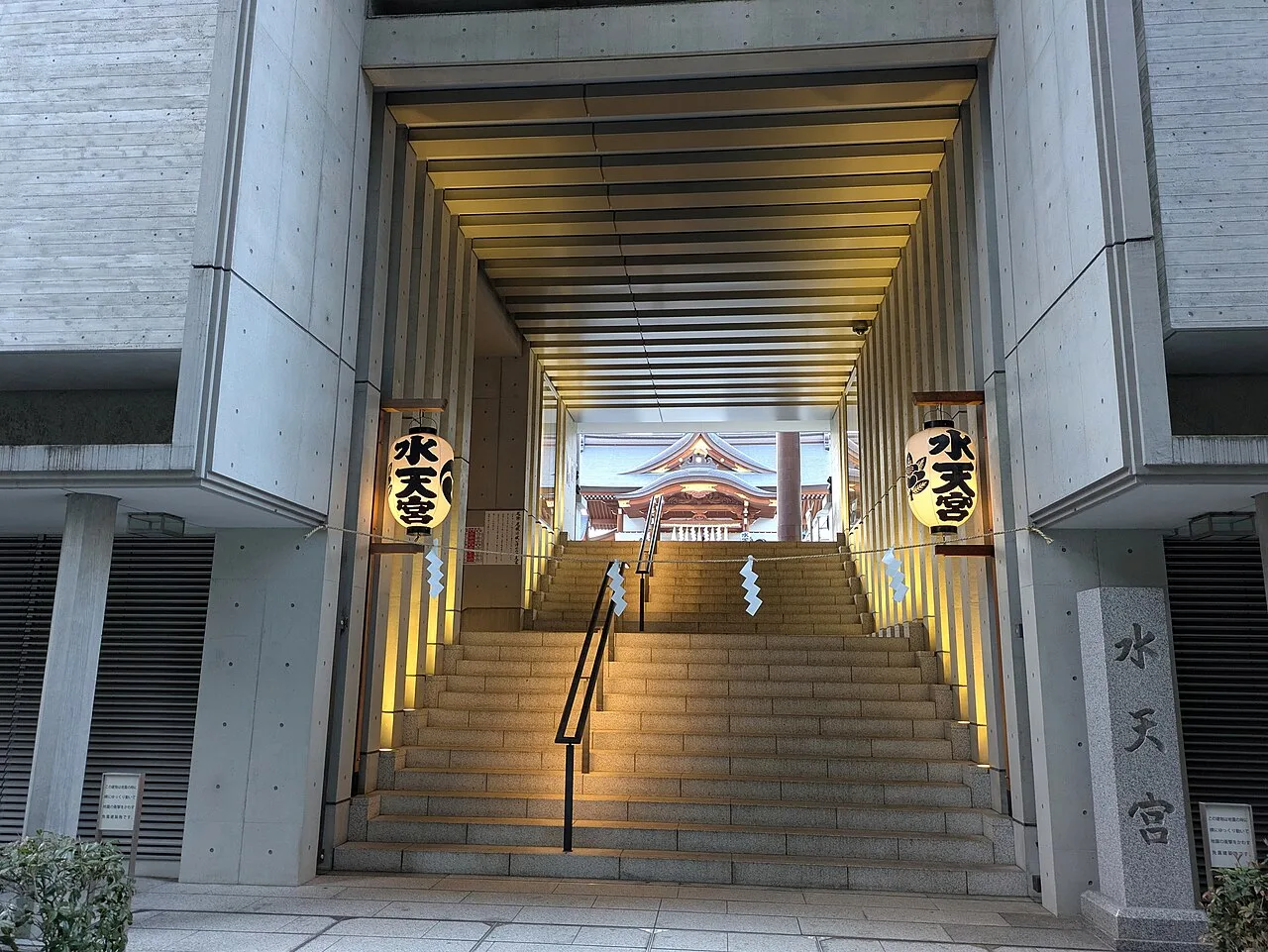
The official 2026 notice says that, to ease crowding at some shrines, the set of shikishi (stamped for seven shrines) and the set of takarabune (seven god statues and a boat) are given at six shrines: Suitengu, Koami, Matsushima, Suginomori, Kasama Inari and Suehiro. The stamp-at-each-shrine style was not used, and Chanoki Shrine does not give out the pilgrimage items. The site lists the shikishi at ¥3,000, the takarabune at ¥5,000 (seven statues included) and goshuin at ¥500. It says the items run out when the stock is gone, and some shrines may limit entry during the New Year period. The site notes that shrine offices cannot lend their toilets. We did not find the pilgrimage dates in the text we could read, so check the official site.
See Koami Shrine and Suitengu Shrine for more on two of the stops.
Asakusa and Shitaya
Taito City lists the Asakusa Meisho Shichifukujin as a year-round course of nine places: Senso-ji, Asakusa Shrine, Matsuchiyama Shoden, Imado Shrine, Hashiba Fudoson, Ishihama Shrine, Otori Shrine, Yoshiwara Shrine and Yahazu Inari Shrine. It lists the Shitaya Shichifukujin from January 1 to 31 with seven places: Juei-ji, Tobi Fudoson Shoho-in, Benten-in, Hosho-ji, Eishin-ji, Iriya Kishimojin and Motosanjima Shrine. We could not confirm which god is at each site from official pages, so we do not list them.
Tips for Your Pilgrimage
- Start at any stop. The Nihonbashi site and the Kyoto site both say there is no fixed starting point.
- Plan for crowds. Nihonbashi’s site warns of strong crowding and possible entry limits in the New Year period.
- Check the stock. Shikishi and takarabune can sell out, and some stops do not give them out.
- Check the prices. Items are listed in yen, such as ¥500 for goshuin at Nihonbashi.
- Match the day to the course. Sumida’s notice listed some events on January 2 and 3. See the New Year in Tokyo guide for the wider holiday plan.
FAQ
What are the Seven Lucky Gods?
Ebisu, Daikokuten, Bishamonten, Benzaiten, Fukurokuju, Jurojin and Hotei. Only Ebisu is a native Japanese god. Others come from India and China, according to the Kyoto pilgrimage’s site.
When do Tokyo’s seven lucky gods pilgrimages happen?
The Taito City page lists Yanaka for January 1 to 10 and Shitaya for January 1 to 31. The Sumida River course ran January 1 to 7 in 2026. Asakusa is listed as year-round. We found no official 2027 schedule yet.
Which Tokyo course is the oldest?
Shusho-in’s page calls the Yanaka course Edo’s oldest seven gods pilgrimage. We could not find the founding year on the pages we used, so we do not give one.
Do I have to visit the stops in order?
No. The Nihonbashi site says there is no fixed starting point, and the Kyoto site says you can begin at any temple. Sumida’s site recommends a north-to-south order but also mentions the opposite direction.
What can I collect on the pilgrimage?
Goshuin (temple stamps), shikishi (decorative boards) and takarabune (treasure boats with god statues). Which items are sold, where and at what price depends on the course and the year, so check the official page.
Is it crowded?
Nihonbashi’s official notice expects strong crowding during the New Year period and says some shrines may limit entry. We cannot say how crowded other routes will be.
Keep reading
Sources
Facts come from the official pages below (Last checked: November 17, 2026). Dates and fees can change, so please check before you go.
- Taito City: Shichifukujin pilgrimages (Japanese)
- Shusho-in: how to do the Yanaka Shichifukujin (Japanese)
- Sumida River Shichifukujin official site (Japanese)
- Sumida tourism: Sumida River Shichifukujin Meguri 2026 (Japanese)
- Nihonbashi Shichifukujin official site (Japanese)
- Miyako Shichifukujin (Kyoto) official site (Japanese)