Researched guide · Last checked: Nov 14, 2026
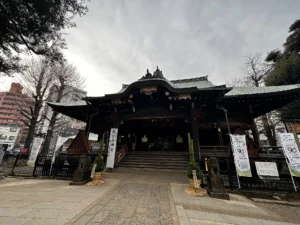
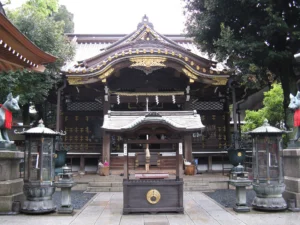
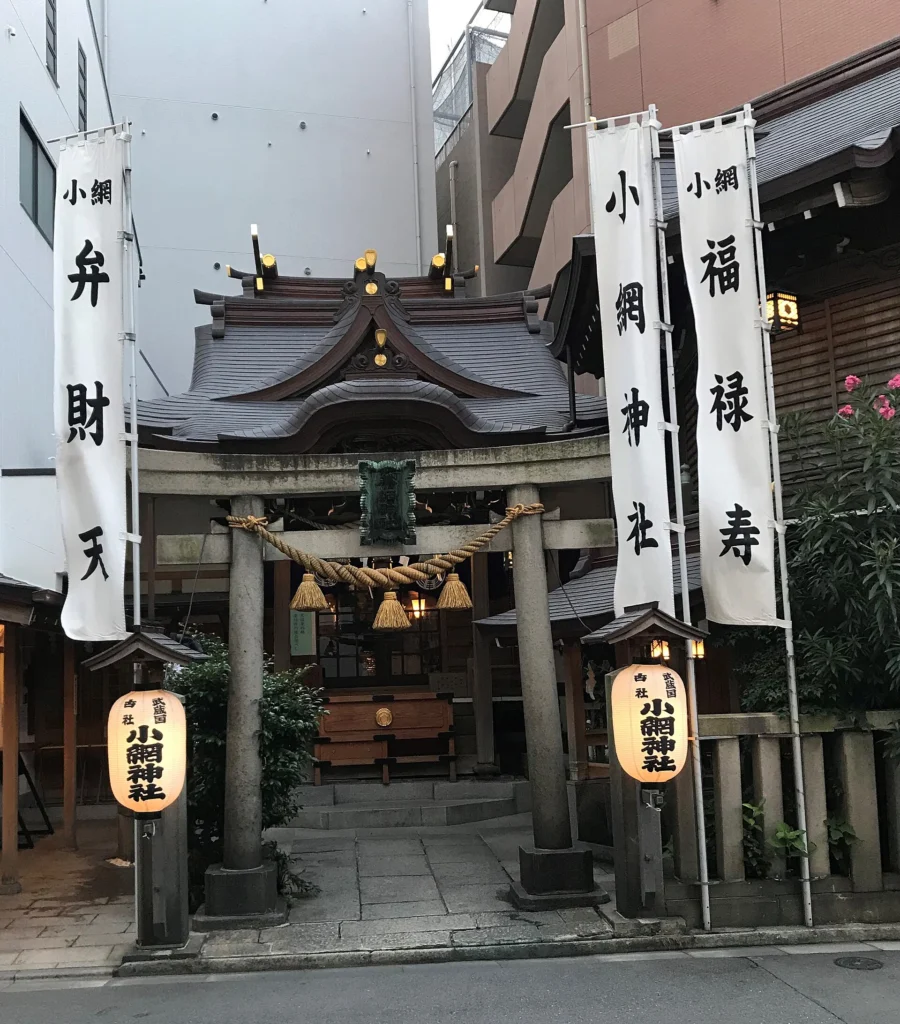
Koami Shrine (Koami-jinja) is a small Shinto shrine in Nihonbashi-koamicho, Chuo City. People visit it to pray for strong luck and protection from bad luck. At its well, many people wash coins and bills to wish for money luck. The shrine says it was founded in 1466. Its wooden main hall from 1929 is a Chuo City cultural property.
Quick facts
| What it is | A Shinto shrine said to date from 1466, known for good luck and protection from bad luck |
| Buildings | Main hall and kagura (dance) hall from 1929; Chuo City cultural property |
| Hours | The grounds have no closing time; the amulet counter is open 9:00-17:00 |
| Address | 16-23 Nihonbashi-koamicho, Chuo City |
| Nearest station | Ningyocho Station (Tokyo Metro Hibiya Line), Exit A2, about 5 minutes on foot |
| Last checked | November 2026 |
What to see
- Rising and falling dragons: two carved dragons on the front of the hall. The shrine says the rising dragon carries your prayer up, and the falling dragon brings blessings down.
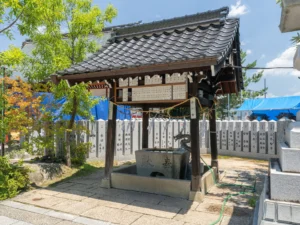
- Zeni-arai well (money-washing well): on the left of the hall. People wash money here and keep it in their wallet to wish for money luck. This is why the shrine is also called “Tokyo Zeniarai Benten”.
- Benzaiten on a boat: a statue of Benzaiten (a Buddhist goddess) riding a boat. She came to the shrine in 1869 from a temple that once stood here.
- Fukurokuju statue: on the left after the torii (shrine gate). Fukurokuju is a god of long life and one of the Nihonbashi Seven Lucky Gods.
- The 1929 buildings: the shrine says they are the only prewar wooden shrine buildings left in the Nihonbashi area. The kagura hall has an unusual five-sided shape.
Tips
- The grounds are very small, and lines can form. The shrine asks people to spread out their visits. It gets busy in early January and on days seen as lucky in the Japanese calendar.
- Prayer ceremonies (kito) need a phone booking, and the shrine says they are often fully booked months ahead.
- There is no parking or bicycle parking at the shrine.
- Main yearly events: Setsubun (February 3), the Benzaiten festival (October 28) and the Doburoku Festival (November 28). Dates can change, so check before you go.
Getting there
- Ningyocho Station (Tokyo Metro Hibiya Line): Exit A2, about 5 minutes on foot.
- Ningyocho Station (Toei Asakusa Line): Exit A5, about 7 minutes on foot.
- Suitengumae Station (Tokyo Metro Hanzomon Line): Exit 8, about 10 minutes on foot.
- Kayabacho Station (Tokyo Metro Tozai Line): Exit 10, about 15 minutes on foot.
Nearby, visit Suitengu Shrine or read our Nihonbashi guide. See more in temples and shrines in Tokyo, and read our shrine and temple etiquette guide before you pray.
FAQ
What is Koami Shrine known for?
It is known as a shrine for strong luck and protection from bad luck. Its money-washing well is also popular for wishing for money luck.
How do I wash money at Koami Shrine?
Go to the well on the left side of the hall and rinse your coins or bills with its water. The shrine says you should then keep the money in your wallet.
What time does Koami Shrine close?
The shrine says the grounds have no closing time. The amulet counter is open 9:00-17:00.
When is Koami Shrine crowded?
The shrine says it gets very busy from January 1 to 15, on weekends and holidays in January and February, and on lucky days in the Japanese calendar.
What is the nearest station?
Ningyocho Station on the Tokyo Metro Hibiya Line. From Exit A2 it is about 5 minutes on foot.
Sources
Facts come from Koami Shrine’s official website (Last checked: November 14, 2026). This page is based on official sources, not our own visit. Last checked: November 2026 (on November 14, 2026).
- Koami Shrine: History (official, Japanese)
- Koami Shrine: Shrine grounds (official, Japanese)
- Koami Shrine: Visiting (official, Japanese)
- Koami Shrine: Prayer ceremonies (official, Japanese)
- Koami Shrine: Yearly events (official, Japanese)
- Koami Shrine: Access (official, Japanese)
- Koami Shrine: News (official, Japanese)