Researched guide · Last checked: Nov 15, 2026
Hikarigaoka Park (Hikarigaoka-koen) is a free metropolitan park in Nerima City, in northwest Tokyo. A small part is in Itabashi City. During the war the land became an army airfield, and after the war it was Grant Heights, a US military housing area. The land was returned to Japan in 1973, and the park opened in 1981. Today it has a wide lawn, rows of old ginkgo trees, a bird sanctuary and many sports grounds.
Quick answer
A metropolitan park on the site of former US military housing, opened in 1981.
Hours: Always open; the service center and paid facilities close over the New Year holidays. Admission: Free (some sports facilities are paid).
Quick facts
| What it is | A metropolitan park on the site of former US military housing, opened in 1981 |
| Size | About 61 hectares |
| Hours | Always open; the service center and paid facilities close over the New Year holidays |
| Admission | Free (some sports facilities are paid) |
| Address | Hikarigaoka 2-chome and 4-chome, Nerima City (plus small parts of Asahicho and Itabashi City) |
| Getting there | About 8 minutes on foot from Hikarigaoka Station (Toei Oedo Line) |
| Last checked | November 2026 |
What to see
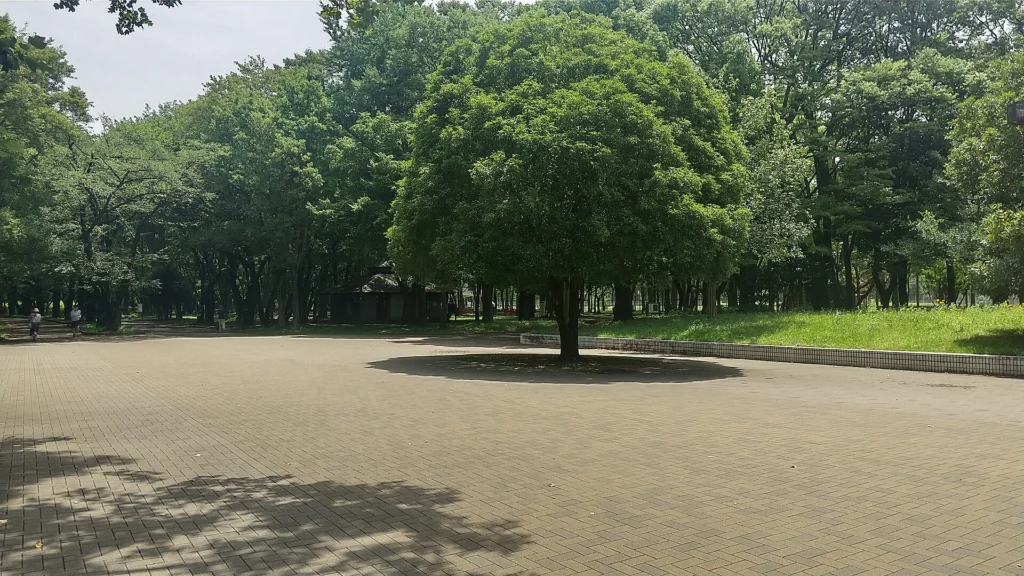
- Ginkgo avenue: in the center of the park, between the shop and the viewing pond. It was made with 28 ginkgo trees moved from Grant Heights. The leaves turn yellow in autumn.
- Fureai-no-michi path: a path with 40 large ginkgo trees, each more than 100 years old. They once stood as street trees in front of the old Tokyo city hall in Yurakucho and were moved here.
- Lawn: about 6 hectares of grass on a gentle hill, with cherry and zelkova trees for shade. Cherry blossoms are the main sight in spring.
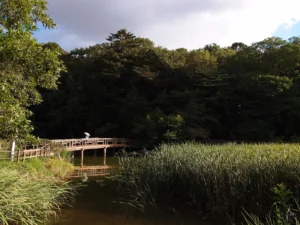
- Bird sanctuary: about 2.4 hectares of ponds, shore, woods and grass. You watch birds and other wildlife from an observation hut. Open on Saturdays, Sundays and national holidays, 9:00-16:30 (also about one weekday a month). Tripods are not allowed inside.
- Old farmhouse woods (Yashikimori): the site of a farm family that lived here for more than 300 years, with big old trees and garden plants. Open 10:00-15:30 (last entry 15:00). Closed on Mondays (the next day if Monday is a holiday) and over the New Year holidays.
- Arch of Light: a monument about 11 m tall, set up in 1987 as the park’s symbol.
- Kanto dandelion field: a protected area for this native Japanese dandelion. It blooms from mid-April to early May.
Seasons
- Spring: cherry blossoms, magnolias, dogwoods, plum blossoms and Kanto dandelions.
- Summer: crape myrtle, rose of Sharon and southern magnolia.
- Autumn: ginkgo, zelkova, sweet osmanthus and red spider lilies.
- Winter: camellias and sasanqua.
Barbecue and sports
- The day camp and barbecue area needs a reservation. See the park’s facility page for how to book.
- The park has baseball fields, tennis courts, a track-and-field stadium, a Japanese archery range (kyudo-jo) and a youth soccer field. Check the official facility page for fees and booking.
- In summer, a small fountain area in front of the service center is used for water play by small children. Check before you go, as it does not run all year.
Getting there
- From Hikarigaoka Station (Toei Oedo Line, E38): about 8 minutes on foot.
- From Narimasu Station (Tobu Tojo Line) or Chikatetsu-Narimasu Station (Tokyo Metro Yurakucho and Fukutoshin lines): about 15 minutes on foot.
- By bus: from the south exit of Narimasu Station, take a Seibu Bus bound for Hikarigaoka Station, Nerima-Takanodai Station or Minami-Tanaka Shako, and get off at Hikarigaoka-koen-kita.
- The park has a paid parking lot.
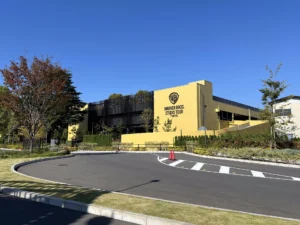
Hikarigaoka Park is in the same city as the Warner Bros. Studio Tour Tokyo. See our Nerima guide for more, or visit Shakujii Park, another pond park in Nerima. For more green spaces, see the best parks and gardens in Tokyo.
FAQ
Is Hikarigaoka Park free?
Yes. The park is free and always open. Some sports facilities and the parking lot cost money.
When is the bird sanctuary open?
On Saturdays, Sundays and national holidays from 9:00 to 16:30, and on about one weekday a month.
When do the ginkgo trees turn yellow?
The park lists ginkgo as an autumn sight. Colors change each year, so check the park’s autumn leaf news before you go.
Can I have a barbecue at Hikarigaoka Park?
Yes, in the barbecue area, but you need a reservation.
How do I get to Hikarigaoka Park?
Walk about 8 minutes from Hikarigaoka Station on the Toei Oedo Line.
Keep reading
Sources
Facts come from the Tokyo Metropolitan Park Association’s official pages for Hikarigaoka Park (Last checked: November 15, 2026). This page is based on official sources, not our own visit. Last checked: November 2026 (on November 15, 2026).