Omiyage (お土産) are gifts you buy on a trip and bring back for family, friends or colleagues who did not come along. In Japan this is a familiar habit, and you will see it in every station shop and airport. This guide explains what the custom is, what official sources say about it, and where we could not confirm the details.
Quick answer
Omiyage are usually local foods, often individually wrapped, bought on a trip for people at home. You do not need to follow the custom as a visitor, and we found no official rule for travelers.
If you want to join in, the GO TOKYO tourism site points to station shops, department store sweets sections, and Tokyo Station and Haneda Airport. Check the shelf life before you buy.
Overview
| What it is | A gift from a trip, given to people who stayed home |
| Usual form | Local specialty foods, often individually wrapped |
| Where to buy in Tokyo | Station shops, department store sweets sections, Tokyo Station, Haneda Airport |
| Required for visitors? | No official rule found |
| Cost | Depends on the item. We did not confirm typical prices |
| Last checked | November 2026 (on November 16, 2026) |
What Omiyage Means
GO TOKYO, the Tokyo tourism site, describes omiyage as gifts bought on a trip for family, friends or colleagues who did not join it. It says the tradition goes back to the Edo period (about 1603 to 1868), when a person who visited a distant shrine brought back a local specialty as proof of the journey. It adds that omiyage are usually foods made from local specialties and often come in individual wrappers, which makes sharing easy.
The Japan National Tourism Organization (JNTO) describes the same habit: a trip is expected to end with buying souvenirs, often edible ones, for family, friends and co-workers. Note that omiyage are for other people. They are different from a souvenir you buy for yourself.
Typical Gifts in Tokyo
GO TOKYO names a few examples. We list them as that site describes them, and we have not checked current stock or prices.
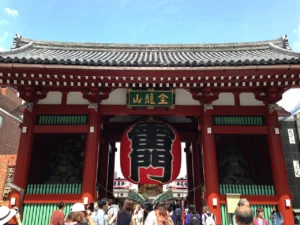
- Kaminari okoshi: crunchy rice crackers from Asakusa. GO TOKYO says they were first sold to mark the rebuilding of Kaminarimon Gate and are seen as a lucky gift.
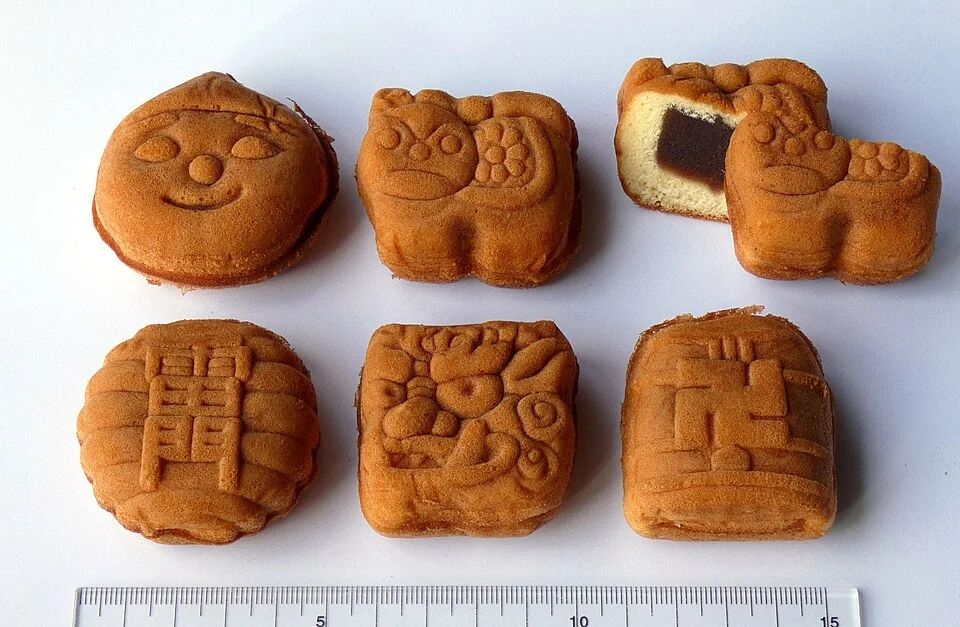
- Ningyo-yaki: small castella-style cakes with sweet bean paste (anko), found in Asakusa and Ningyocho. They are often shaped like the Seven Lucky Gods or Kaminarimon.
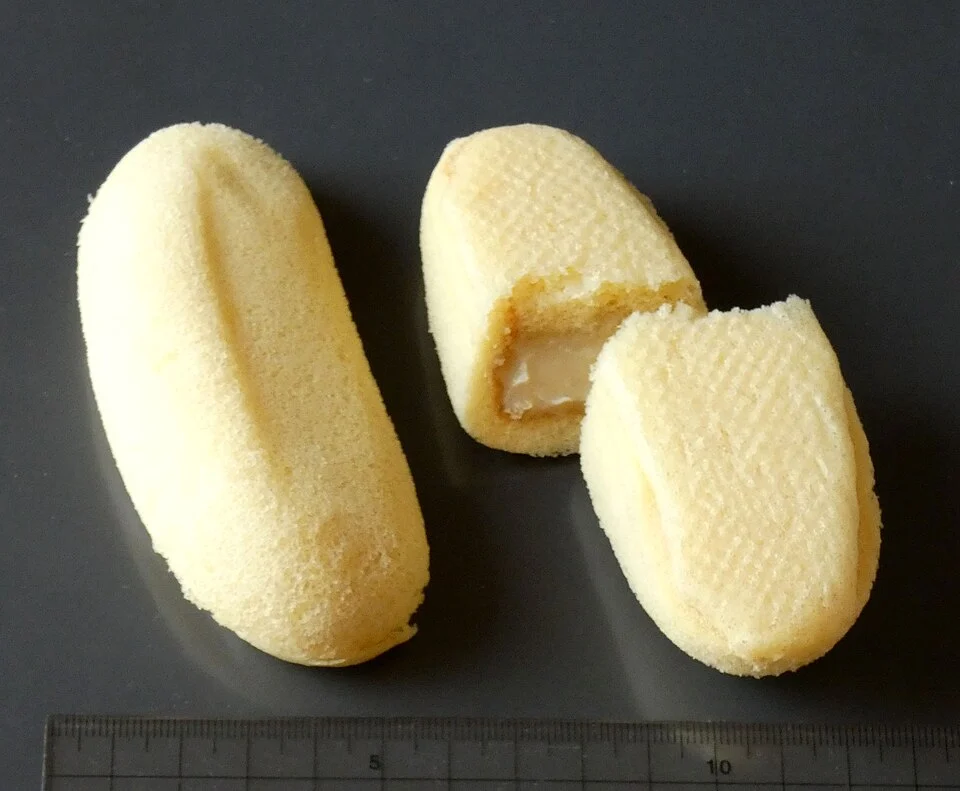
- Tokyo Banana: a cake with a banana-flavored filling, packed in small portions.
- Dorayaki from Usagiya in Ueno. GO TOKYO says the shop has no department store branches and no online sales, and that the dorayaki have no preservatives and about two days of shelf life.
Where to Buy
GO TOKYO lists the places below. For a longer shopping list by area, see Tokyo souvenirs and shopping.
- Shops inside train stations (ekinaka, 駅ナカ).
- The omiyage street at Tokyo Station, and department store sweets sections. See our Tokyo Station guide.
- Terminal stations and airports, including Haneda Airport, where many people buy gifts just before going home. See Narita vs Haneda for the two airports.
How Gifts Are Given
JNTO describes some gift customs in a page made with the retailer MUJI. It is a promotional page, so we treat it as general background and not as a rule. It says:
- Individual gifts are given in private, unless everyone in the room receives one. Giving a gift at the start of a meeting is described as rushing.
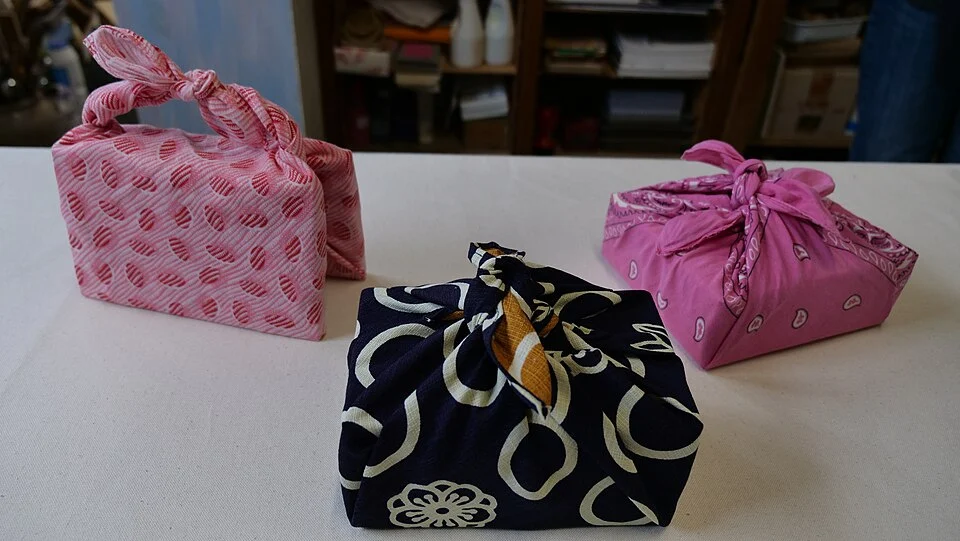
- The wrapping matters as much as the gift. Furoshiki (風呂敷), a traditional wrapping cloth, is one option.
- The receiver may politely refuse at first, then accept while holding the gift with two hands.
- The receiver admires the wrapping and opens the gift in private.
- A return gift is expected later. This is the page’s description of gift culture in general, and we did not find official detail on omiyage specifically.
Tips for Visitors
- Check the shelf life before you buy. GO TOKYO says to check it on traditional sweets (wagashi) and eat them while fresh. Some items last only about two days.
- Pick individually wrapped items if you plan to share. GO TOKYO notes that this makes sharing easy.
- Ask about samples. GO TOKYO says some shops offer samples, but not all do.
- Tax-free shopping: the sources above do not cover it. See tax-free shopping in Japan and check the current rules before you go.
- Using a few phrases helps. See Japanese phrases for travelers.
Gift customs sit next to other everyday manners. For more, see our Japanese culture guide and tipping in Japan.
What We Could Not Confirm
- How much to spend or how many to buy. The sources do not give amounts. Check before you go if you need to buy for an office.
- Whether visitors are expected to bring gifts home. We found no official guidance for travelers.
- The return-gift custom for omiyage. The JNTO page describes return gifts in general only.
- Regional differences. GO TOKYO focuses on Tokyo. We did not compare regions.
- Current stock, prices and shelf life of named products. Check with each shop.
FAQ
What does omiyage mean?
GO TOKYO describes omiyage as gifts bought on a trip for family, friends or colleagues who did not come along. They are usually local specialty foods.
Where does the omiyage custom come from?
GO TOKYO says it goes back to the Edo period, when a person who visited a distant shrine brought back a local specialty as proof of the pilgrimage.
Where can I buy omiyage in Tokyo?
GO TOKYO lists station shops, Tokyo Station, department store sweets sections, and airports such as Haneda.
Do tourists have to buy omiyage?
We did not find an official rule for visitors. It is a custom, not a requirement.
How do you hand over a gift?
A JNTO page says the receiver may refuse politely at first, then accept it with two hands. It is a general description of gift customs.
How long do omiyage last?
It depends on the item. GO TOKYO says one Ueno dorayaki shop has about two days of shelf life, so check each product.
Keep reading

Sources
The facts about omiyage come from the official pages below. Last checked: November 2026 (on November 16, 2026). Customs can vary by place, so please follow the people around you.