Researched guide · Last checked: Nov 16, 2026
Adachi is a large city on the northeast edge of Tokyo, along the Arakawa River. Most visitors only see Kita-Senju. But the city also has a big Buddhist temple that turns 1,200 years old in 2026, a huge free park and one of Tokyo’s earliest big fireworks shows. This guide shows how they fit together and how to plan a day, because the sights are in different corners.
Quick answer
Think of Adachi as three stops: Nishiarai Daishi, a temple known for warding off bad luck (4 minutes from Daishimae Station), Toneri Park, a 65-hectare free park (right at Toneri-koen Station), and the Arakawa riverbank, where the Adachi Fireworks are held in late May. Kita-Senju is the busy station town nearby. Plan half a day for the temple or the park, or a full day for both.
Pick a day with good weather for the park. The temple is open every day except one cleaning day in late November, and the park is always open. Check before you go.
Overview
| Where | Adachi City, northeast Tokyo, between the Arakawa River and Saitama |
| Stations | Daishimae (Tobu Daishi Line) for the temple. Toneri-koen (Nippori-Toneri Liner) for the park. Kita-Senju for the town and the river |
| Time needed | Half a day for one sight, or a full day for the temple and the park |
| Good for | Big temple grounds, wide open parks, local life away from the tourist crowds, summer-style fireworks in May |
| Cost | The park is free, with a few paid facilities. The official temple pages list no entry fee for the grounds. Prayers and rituals have fees |
| Details | Hours, routes and tips are on our separate pages for each place (linked below) |
| Last checked | November 2026 (on November 16, 2026) |
How the Area Fits Together
Adachi is wide, and the stops are not on one street. The official tourism site splits the city into six areas, such as Senju, Nishiarai-Umejima and Toneri-Kohoku-Nitta. This guide covers the three that most visitors can reach by train: the temple, the park and the river.
| Stop | What it is | Nearest station |
|---|---|---|
| Nishiarai Daishi (Sojiji) | A Shingon Buddhist temple founded in 826, known for prayers against bad luck and for peonies | Daishimae, about 4 minutes on foot |
| Toneri Park | A metropolitan park of about 65 hectares, opened in 1981, with ponds, play areas and a hilltop view | Toneri-koen (Nippori-Toneri Liner) |
| Arakawa riverbank | The venue of the Adachi Fireworks, about 13,000 fireworks in one hour | Kita-Senju, about 20 minutes on foot (our event page) |
| Kita-Senju | An old post town with a busy station and izakaya alleys. See our Kita-Senju guide | Kita-Senju |
Nishiarai Daishi: The Big Temple
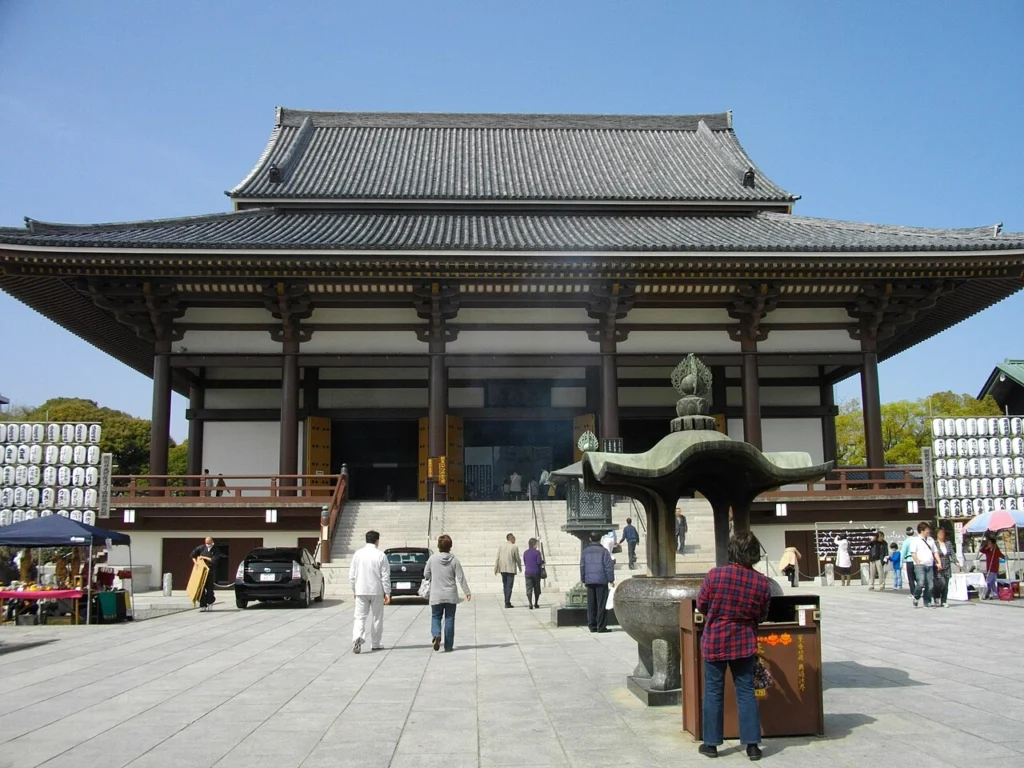
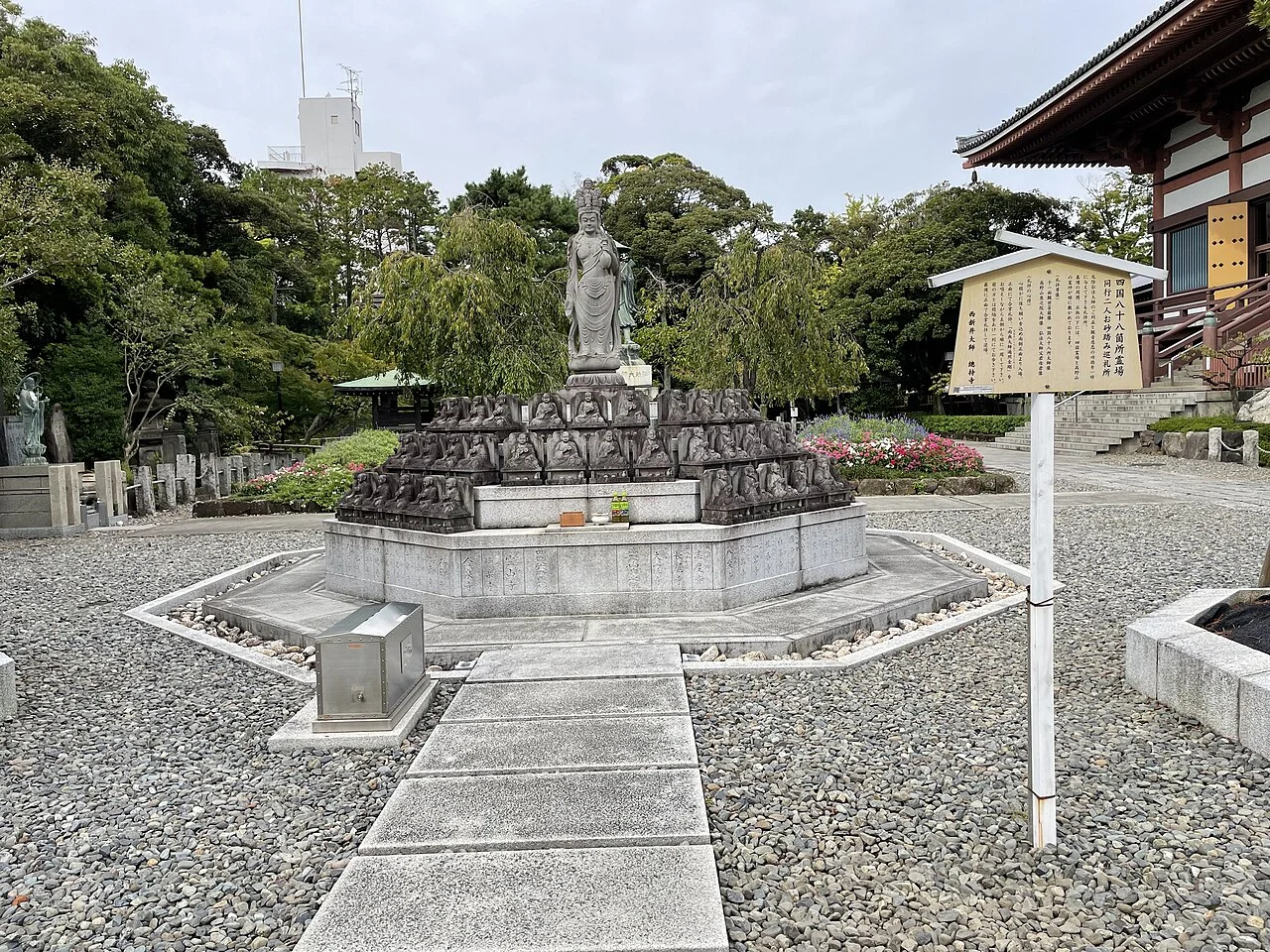
Nishiarai Daishi, formally Sojiji, is a Shingon Buddhist temple. The temple says it was founded in 826 and reaches its 1,200th year in 2026. It is counted among the three great temples of the Kanto region for warding off bad luck (yakuyoke), and it is a “flower temple”, number 1 in Tokyo on a list of 100 flower temples of eastern Japan. The main peony garden is the largest on the grounds.
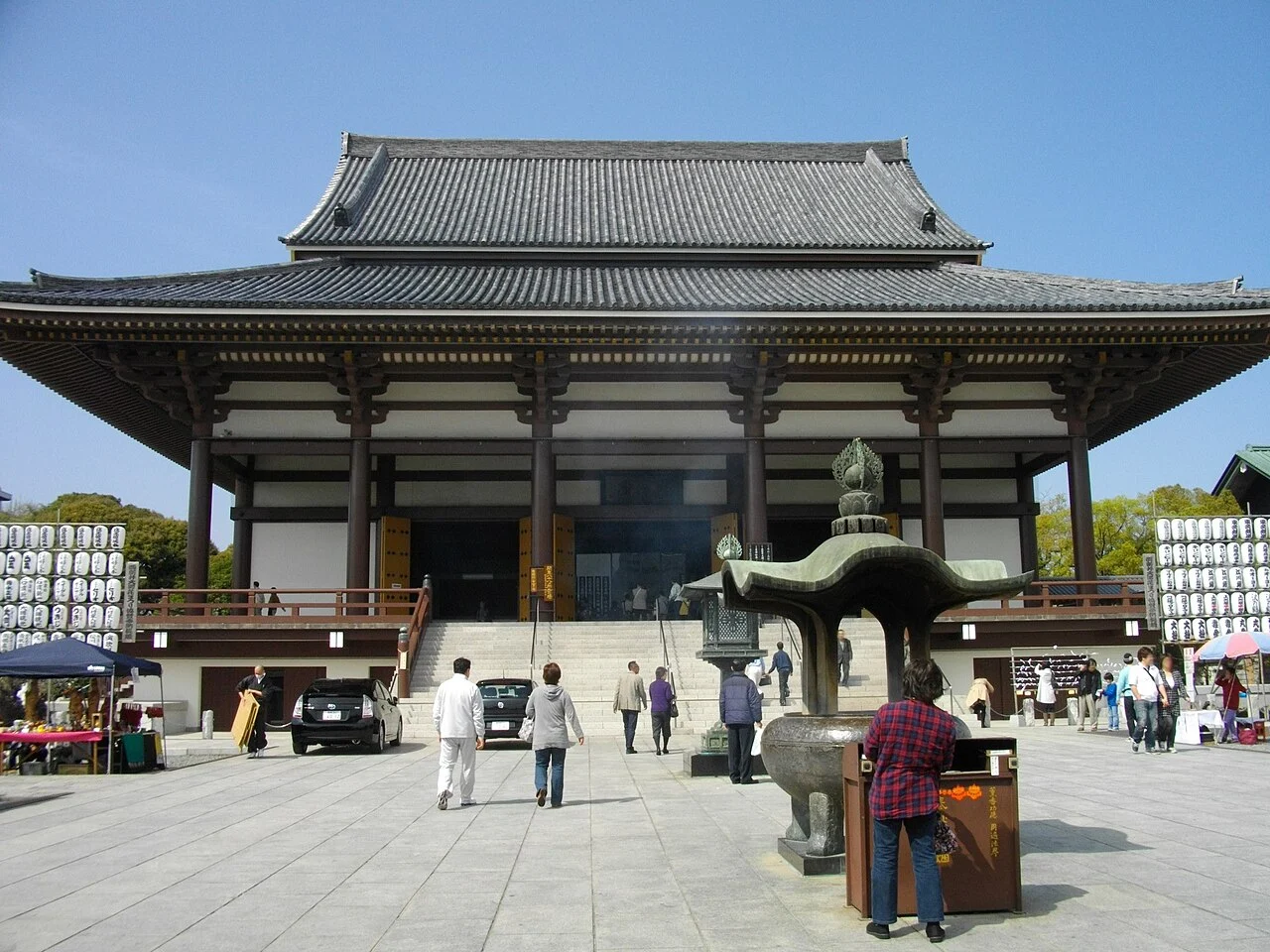
- Hours. The grounds are open 6:00 to 20:00 (February to December 29). The main hall and fortune slips (omikuji) are 8:00 to 18:00. Amulet and other counters are 9:00 to 16:30. Goshuin (temple stamps) are 9:30 to 12:30 and 13:00 to 16:30. New Year hours are special.
- Open almost every day. The temple closes for one cleaning day in late November. The date changes every year and is posted on the temple site.
- Fire rituals. Goma prayers are held every day except December 30 and 31. Their times are different from the gate hours, so check the temple page.
- No car park. The temple asks visitors to use trains and buses. New Year is very crowded.
- See our Nishiarai Daishi guide for what to see, and our New Year in Tokyo guide if you plan to visit in early January.
Toneri Park: Space, Ponds and a View
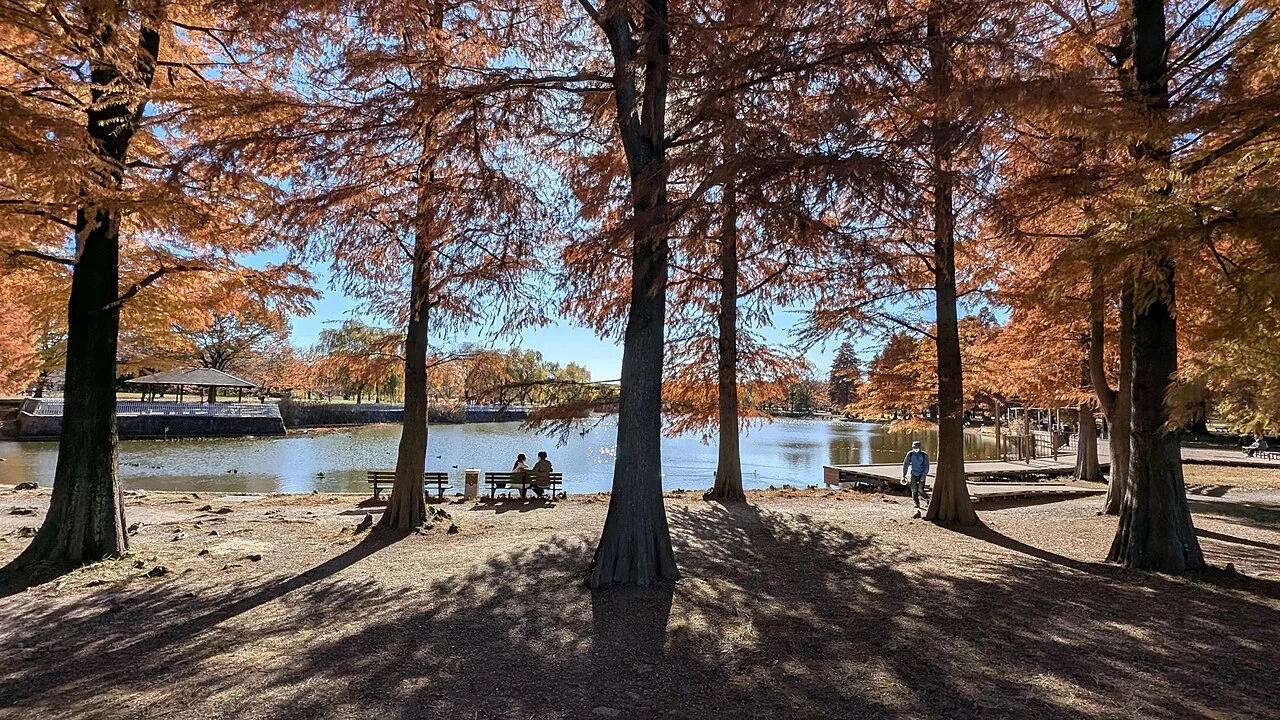
Toneri Park is a metropolitan park that opened on June 1, 1981. It covers about 65 hectares, with sports grounds, play areas, wide lawns and ponds. It is open all the time, and entry is free. A few facilities, such as the dog run, the sled slope, the adventure hill and the barbecue shop, charge a fee.
- Hilltop view. Asahi no Hiroba is the highest point in Adachi at 17.5 meters, with a 360-degree view. On clear days, you can see Tokyo Skytree, Tokyo Tower and even Mt. Fuji.
- Ponds and birds. The large pond in the northeast has reeds and ducks. The bird sanctuary pond in the southeast is closed to visitors, but observation windows let you watch the birds.
- Reagan cherry tree. This tree was grown from a sapling given by former U.S. First Lady Nancy Reagan. It descends from the cherry trees Japan sent to Washington, D.C. in 1912.
- For kids. A free water-play pond opens in summer. The rules changed in 2026, so check the park site.
- Seasons. The park lists cherry blossoms, azaleas and wisteria in spring, hydrangeas and lotus in summer, ginkgo and bald cypress in autumn, and plum and camellia in winter.
- See our Toneri Park guide for the full details, and our parks and gardens guide for more green spaces.
Adachi Fireworks and the Arakawa River
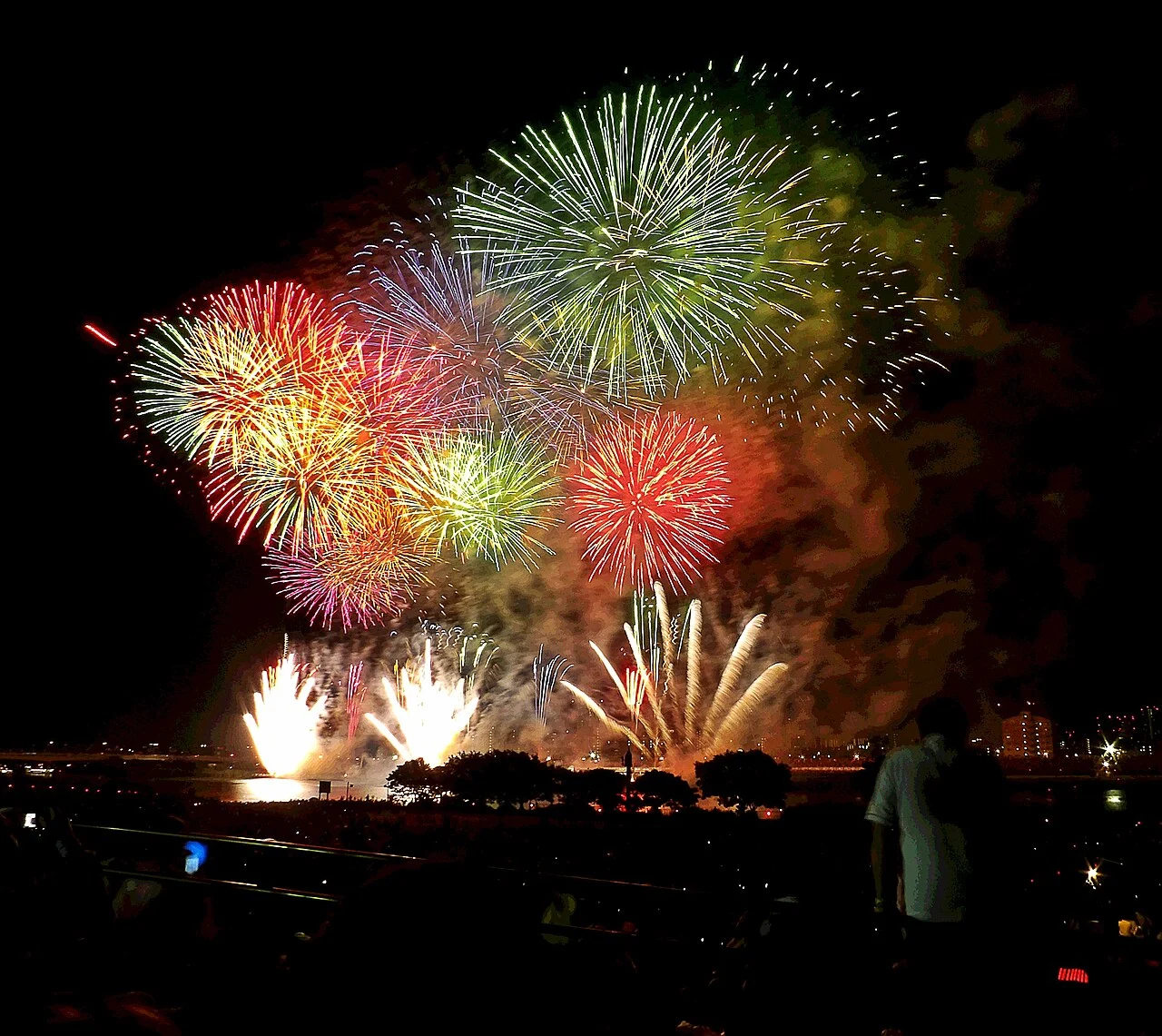
The Adachi Fireworks are held on the Arakawa riverbank, with the launch site on the Senju side. The 48th show, on May 30, 2026, ran from 19:20 to 20:20 with about 13,000 fireworks in one hour. The organizer says it chose May because of lower heat risk and fewer storms, and because autumn north winds would blow ash onto the Senju area.
- Next date not announced. The date on our page is from the 2026 show. Check the official site before you plan.
- Bad weather. The show is canceled in stormy weather, with no postponement. The organizer canceled the 2025 show because of strong wind. Normal rain does not cancel it.
- Crowds. The roads to Kita-Senju Station fill up after the show, so plan your way back before it starts.
- See our Adachi Fireworks guide and our Tokyo in May guide.
Kita-Senju and the Senju Side
Kita-Senju is the easiest way into Adachi, because several train lines meet at the station. It began as a post town on the road north from Edo, and its old streets and izakaya alleys are still busy at night. Our Kita-Senju guide covers the town, and our izakaya guide explains how to enjoy a Japanese pub.
When to Go
| Season | What to do |
|---|---|
| Spring | Cherry blossoms, azaleas and wisteria at Toneri Park. The temple is known for peonies, so check its notices for flower news |
| Late May | Adachi Fireworks (if the date is announced). Check the official site |
| Summer | Hydrangeas and lotus at Toneri Park. Bring water and a hat, and use the free water-play pond if you travel with small children (check the rules) |
| Autumn | Ginkgo and bald cypress colors at Toneri Park. Note the temple cleaning day in late November |
| New Year | Nishiarai Daishi is very busy with special hours. Take the train, not a car |
Simple Plans
These are our own suggestions, not official routes. We have not timed the trips between the places, so check a map or your route app.
| Plan | Route |
|---|---|
| Half day: temple | Daishimae Station, Nishiarai Daishi grounds and main hall, then back to the station. Add goshuin if you collect them |
| Half day: park | Take the Nippori-Toneri Liner to Toneri-koen Station. Walk the pond, then climb Asahi no Hiroba for the view |
| Full day | Temple in the morning, park in the afternoon. Both places have separate stations, so plan your transfer in advance |
| Evening | Kita-Senju for dinner and izakaya, or the riverbank on the night of the fireworks |
Nearby on a longer trip: see our Nippori guide (where the Nippori-Toneri Liner starts), our Katsushika guide and our Skytree and Oshiage guide.
Getting Here
For the temple, take the Tobu Daishi Line to Daishimae Station and walk about 4 minutes. You can also use Nishiarai-daishi-nishi Station on the Nippori-Toneri Liner, about 16 minutes on foot. Buses run from Oji Station (Toei Bus, about 25 minutes), Ikebukuro East Exit (about 51 minutes) and Akabane East Exit (Kokusai Kogyo Bus, about 35 minutes). All three go to Nishiarai Station. Get off at “Nishiarai Daishi”, the temple says.
For the park, take the Nippori-Toneri Liner to Toneri-koen Station. A Tobu bus from the west exit of Takenotsuka Station (Tobu Skytree Line) also goes to the Naka-Iriya stop. The park asks visitors to use public transport on weekends and holidays, because nearby roads get crowded. For tickets and IC cards, see our train guide and Suica guide.
Tips Before You Go
- Use trains, not cars. The temple has no car park for regular visitors, and the park is crowded on weekends.
- Check the temple’s late November cleaning day before a trip in autumn.
- Bring a picnic or snacks to the park. It is wide, and the paths are long.
- Plan fireworks early. The date comes from the organizer. Look for it each spring.
FAQ
Is Adachi worth visiting?
Yes, if you want a quieter side of Tokyo. It has a large temple, a big free park and a river with a famous fireworks show. It is not a compact area, so pick one or two stops.
What is Adachi known for?
Nishiarai Daishi is known for prayers to ward off bad luck, and Toneri Park for its size and hilltop view. The Adachi Fireworks are held in late May on the Arakawa River.
How do I get to Toneri Park?
Take the Nippori-Toneri Liner to Toneri-koen Station. A Tobu bus from Takenotsuka Station also runs to the Naka-Iriya stop.
Is Nishiarai Daishi open every day?
Yes, except for one cleaning day in late November. The grounds are open from 6:00 to 20:00 and the main hall from 8:00 to 18:00. New Year hours are different.
Is Toneri Park free?
Yes. Entry is free, but some facilities such as the dog run, the sled slope and the barbecue shop charge a fee.
When are the Adachi Fireworks?
In late May. The last show was on May 30, 2026. The next date has not been announced, so check the official site.
Keep reading
Related guides
Sources
The facts come from the official pages below. Hours, prices and event dates can change, so please check before you go. Last checked: November 2026 (on November 16, 2026).
- Tokyo Metropolitan Park Association: Toneri Park (official, Japanese)
- Nishiarai Daishi Sojiji: home, hours and prayer times (official, Japanese)
- Nishiarai Daishi Sojiji: about the temple (official, Japanese)
- Nishiarai Daishi Sojiji: access (official, Japanese)
- Nishiarai Daishi Sojiji: grounds guide (official, Japanese)
- Adachi City Tourism Exchange Association: 48th Adachi Fireworks (official, Japanese)
- Adachi City Tourism Exchange Association: Adachi tourism site (official, Japanese)