Researched guide · Last checked: Nov 15, 2026
Katsushika is a quiet ward in northeast Tokyo, on the edge of the Edo River. It is home to an old temple town from a famous film series, a street of manga statues, a large park with a forest of dawn redwood trees and a free iris garden. The sights are spread out, so this guide gives the big picture and shows how to link them.
Quick answer
Katsushika is best for a slow day out of central Tokyo. Shibamata (temple, old shops, Tora-san) is the main draw. Kameari (15 free KochiKame statues), Mizumoto Park (free, about 1,500 metasequoia trees) and Horikiri Iris Garden (free, June) are easy add-ons by train and bus.
Go in June for the irises at both Horikiri and Mizumoto Park. Opening hours and closing days are on each spot page, so check them before you go.
Overview
| Getting there | Shibamata Station (Keisei Kanamachi Line) for the temple town. Kameari Station (JR Joban Line) for the statues. Horikiri-Shobuen Station (Keisei Main Line) for the iris garden. Kanamachi Station for buses to Mizumoto Park |
| Time needed | Not set by any official source. Shibamata alone fits a half day (see our Shibamata guide). Add stops by how far you want to travel |
| Good for | Old Tokyo atmosphere, film and manga fans, flowers in June, a day away from big crowds |
| Costs | Kameari statues, Mizumoto Park and Horikiri Iris Garden are free. Shibamata Taishakuten carving gallery and garden is ¥400 for adults. The Tora-san Museum is ¥500 for adults |
| Closing days | Each place has its own. Horikiri Iris Garden is closed December 29 to January 3. The Tora-san Museum is closed on the 3rd Tuesday of each month |
| Last checked | November 2026 (on November 15, 2026) |
What the Area Is Like
Katsushika is a residential ward, not a sightseeing zone. Each sight sits in a different neighborhood, and the train lines run east to west and north to south, so plan by station. Shibamata is the best known and the easiest to enjoy on foot. The others work well as a second stop. Our Shibamata guide covers the temple town in detail.
Best Things to Do
Shibamata Taishakuten and the Tora-san Museum
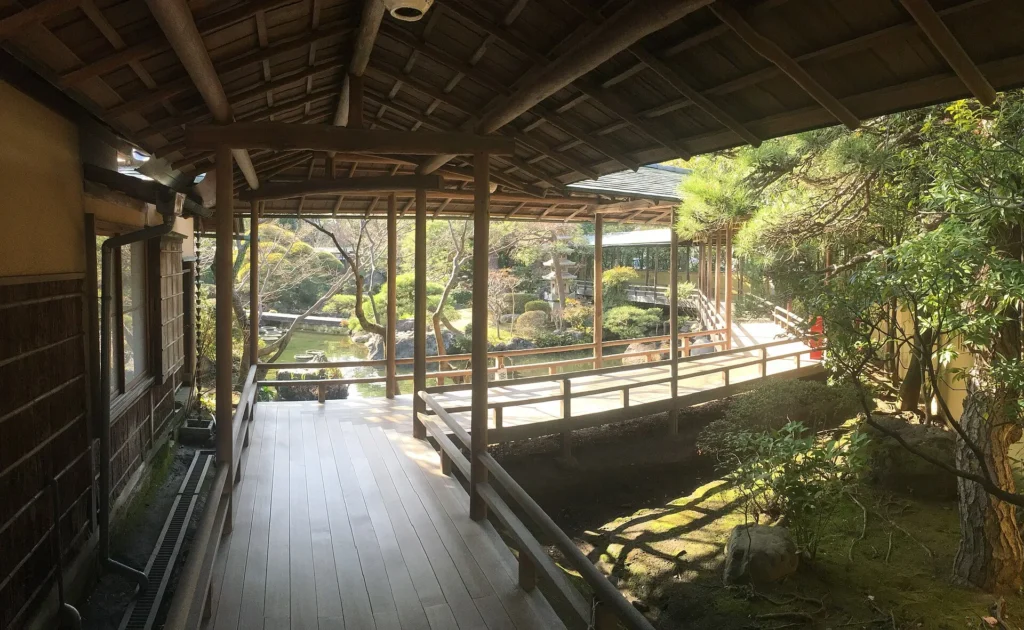
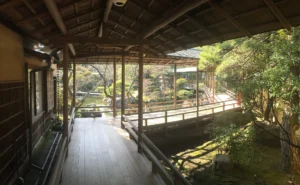
Shibamata Taishakuten is a temple known for its wood carvings. The carving gallery and the Suikeien garden share one ticket (adults ¥400, elementary and junior high school students ¥200). The gates are open 5:00 to 20:00, and the gallery and garden are open 9:00 to 16:00 and close at 16:30. The Tora-san Museum shares a ticket with the Yamada Yoji Museum next door. It costs ¥500 for adults and is open 9:00 to 17:00 (enter by 16:30).
Kameari and the KochiKame statues
Kameari is the setting of the long-running manga KochiKame. GO TOKYO says there are 15 bronze statues around Kameari Station, and the hero, Ryotsu Kankichi, is the most famous. The statues stand on public streets, so the walk is free and has no fixed hours. We could not confirm an official KochiKame museum, so we do not list one.
Mizumoto Park
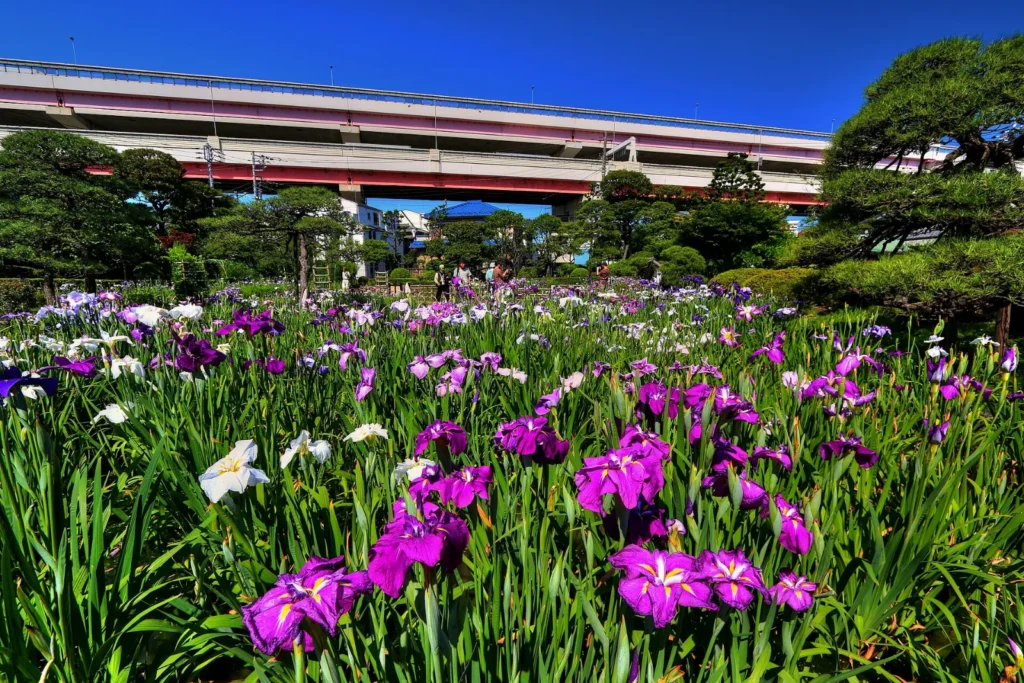
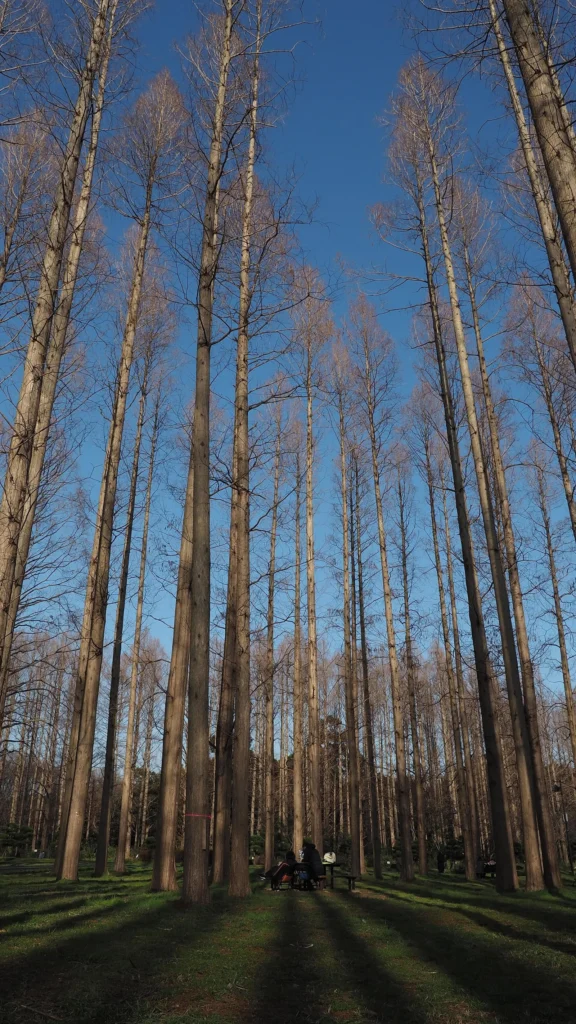
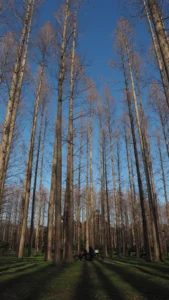
Mizumoto Park is a free park of about 96.7 hectares with waterside paths. The park association says it has about 1,500 metasequoia trees, the largest such forest in Tokyo’s metropolitan parks. About 200,000 irises bloom from early to late June. The park is always open, but the service centre and some facilities have set hours.
Horikiri Iris Garden
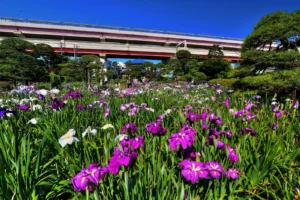
Horikiri Iris Garden is a small, free city garden of about 8,750 m². It is open 9:00 to 17:00 and closed from December 29 to January 3. Irises bloom from late May to mid-June, and in 2026 the Katsushika Iris Festival ran from May 25 to June 14. Outside that season it is a quiet neighborhood garden, so go only if you are nearby.
Food
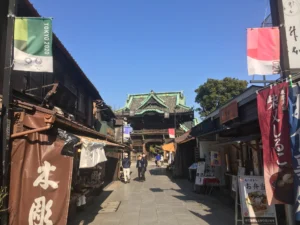
We have not verified individual restaurants in Katsushika, so we do not list any. Taishakuten-Sando, the street from Shibamata Station to the temple, is lined with shops that sell kusa dango (rice dumplings made with mugwort) and rice crackers, as described in our Shibamata guide.
Where to Stay
We have not verified hotels in this ward. Katsushika works as a day trip from central Tokyo. For ideas across the city, see where to stay in Tokyo.
Getting There and Around
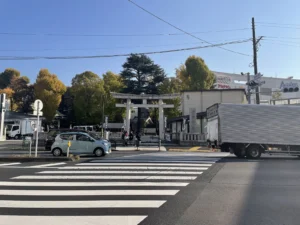
- Shibamata: Shibamata Station on the Keisei Kanamachi Line. The temple is about 3 minutes on foot from the station.
- Kameari: Kameari Station on the JR Joban Line (local trains, some through service with the Tokyo Metro Chiyoda Line).
- Horikiri Iris Garden: Horikiri-Shobuen Station on the Keisei Main Line, about 10 minutes on foot. There is no parking at the garden.
- Mizumoto Park: From Kanamachi Station (JR, Chiyoda Line) or Keisei-Kanamachi Station, take a Keisei Bus to “Mizumoto Koen”, then walk 7 minutes. On weekends and holidays from March to November, a park loop bus runs from Kanamachi Station from 9:00 to 16:40.
- Bus to Shibamata: From JR Kanamachi Station, a Keisei Bus goes to “Shibamata Taishakuten” in about 5 minutes, according to our Shibamata Taishakuten page.
The official pages do not give travel times between these sights, so check a map app for your route. See Trains in Tokyo and how to use a Suica card for fares and cards.
Suggested Short Route
This route has no set times. Choose your stops by the opening hours of each place and the season.
- StartKanamachi Station
- Bus to Mizumoto Park, or a short bus to Shibamata
- 1Mizumoto Park
- Bus back toward Kanamachi Station
- 2Shibamata Taishakuten and the Tora-san Museum
- Keisei Line from Shibamata, then change as needed
- FinishKameari Station (KochiKame statues)
- Take the JR Joban Line back to central Tokyo
Find these places on our Tokyo map.
Combine This Area with Nearby Districts
- See more manga and anime spots in anime and manga in Tokyo.
- Cross the city to the Skytree and Oshiage area, also in east Tokyo.
- For more green spaces, see Tokyo parks and gardens.
Travel Tips
- Go in June if you want irises. At other times of year Horikiri is a quiet garden with few flowers.
- The carving gallery and garden at Shibamata Taishakuten close at 16:30, earlier than the temple gates. Plan Shibamata for the daytime.
- The KochiKame statues are on public streets. Watch for traffic and do not block shop entrances.
Also nearby: Adachi Guide: Nishiarai Daishi, Toneri Park and the Arakawa Fireworks
Also see: Kawachiya (Shibamata) · Yamamoto-tei (tea in the garden) · Takagiya Rouho (Shibamata)
FAQ
What is Katsushika known for?
The temple town of Shibamata and the Tora-san film series, the KochiKame statues around Kameari Station, Mizumoto Park and the irises at Horikiri.
Is Mizumoto Park free?
Yes. Entry is free, but some facilities charge a fee.
When do the irises bloom in Katsushika?
Late May to mid-June at Horikiri, and early to late June at Mizumoto Park. Bloom dates change every year, so check the official pages.
How do I get to Mizumoto Park?
Take a Keisei Bus from Kanamachi Station or Keisei-Kanamachi Station to “Mizumoto Koen”, then walk about 7 minutes. Buses and the loop bus have their own timetables, so check before you go.
Can I visit Shibamata and Kameari on the same day?
Both are in Katsushika and each fits a short visit, but the official pages we read do not give travel times between them. Check a map app and the opening hours first.
Keep reading
Related guides
Sources
This guide summarizes our own spot pages, which are based on the official information below, not on our own visit. Last checked: November 2026 (on November 15, 2026). Hours, fares and events change, so please check before you go.
- GO TOKYO: Kochi-Kame Statues (official tourism site)
- Tokyo Metropolitan Park Association: Mizumoto Park (official, Japanese)
- Katsushika City: Horikiri Iris Garden (official, Japanese)
- Katsushika City: 2026 Katsushika Iris Festival (official, Japanese)
- Shibamata Taishakuten (official, English)
- Tora-san Museum: visitor information (official, Japanese)
Comments
[…] Also nearby: Katsushika guide […]
[…] Also nearby: Katsushika guide […]