Researched guide · Last checked: Nov 16, 2026
Komaba and Yoyogi-Uehara are two quiet neighborhoods on the edge of Meguro and Shibuya. They are not on most first-trip lists, but three good places sit close together here: a free 1929 mansion, a museum of everyday crafts and a large Turkish-style mosque. This guide shows how they fit together and which days to pick, because several of them close on different days.
Quick answer
Think of this area as three stops: Komaba Park (a free Western-style mansion and a Japanese house, 8 to 10 minutes from Komaba-todaimae Station), the Japan Folk Crafts Museum (7 minutes from the same station) and Tokyo Camii (5 minutes from Yoyogi-Uehara Station). Allow a relaxed half day for the first two, and add the mosque if you have more time.
Wednesday to Sunday works best. Komaba Park and the Folk Crafts Museum are closed on Mondays, and the Western house in the park is also closed on Tuesdays. Tokyo Camii is open every day. Check before you go.
Overview
| Where | Komaba (Meguro City) and Yoyogi-Uehara (Shibuya City), west of central Shibuya |
| Stations | Komaba-todaimae (Keio Inokashira Line) for the park and the museum. Yoyogi-Uehara (Odakyu Line, Chiyoda Line) for Tokyo Camii |
| Time needed | About half a day for Komaba, or a full day with the mosque and a walk through Shimokitazawa |
| Good for | Quiet museums, old houses, architecture, a calm day away from the crowds |
| Cost | The park and the mansion are free. The Folk Crafts Museum charges entry. Tokyo Camii has no entry fee listed on its visitor page |
| Details | Hours, fees and routes are on our separate pages for each place (linked below) |
| Last checked | November 2026 (on November 16, 2026) |
How the Area Fits Together
The three places form a loose line from the Keio Inokashira Line to the Odakyu Line. You can do the Komaba pair on foot, and the mosque is a short, separate trip from Yoyogi-Uehara Station.
| Stop | What it is | Nearest station |
|---|---|---|
| Former Maeda Family Residence (in Komaba Park) | A 1929 Western-style house and a 1930 Japanese-style house. Free | Komaba-todaimae (about 8 to 10 minutes on foot) |
| Japan Folk Crafts Museum | A museum of folk crafts, opened in 1936, with a separate former home of its founder | Komaba-todaimae (about 7 minutes on foot) |
| Tokyo Camii | A mosque and Turkish culture center, rebuilt in 2000 | Yoyogi-Uehara (about 5 minutes on foot) |
| Next door | Shimokitazawa and Yoyogi-Hatsudai have cafes, shops and small streets | Odakyu Line |
Komaba Park and the Former Maeda Family Residence
Komaba Park is a city park with a lawn, a Japanese garden and two historic houses. Marquis Maeda Toshinari, the head of a former lord’s family from Kaga (today’s Ishikawa), built the Western house in 1929 and the Japanese house in 1930. After World War II, the grounds were used for some years by the Allied forces. The park opened in 1967, and Meguro City has run it since 1975, according to the city.
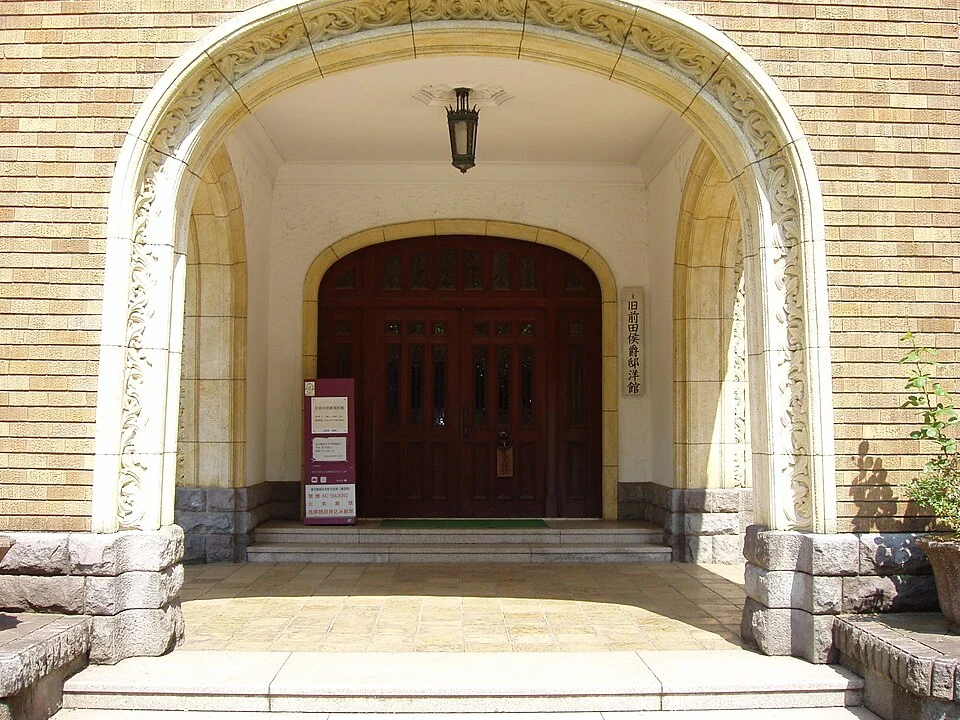
- Free entry. The park, the Western house and the Japanese house are all free.
- Hours. The park is open 9:00 to 16:30. The houses are open until 16:00. The Japanese house is closed on Mondays and the Western house on Mondays and Tuesdays, with holiday exceptions. Both close for the year-end holidays.
- Volunteer guides. Volunteers explain the Japanese house on some days. You cannot book a guide.
- See our Former Maeda Family Residence guide for the rooms, the garden and the current dates.
Japan Folk Crafts Museum
The Japan Folk Crafts Museum (Nihon Mingeikan) opened in 1936. It was planned by the thinker Yanagi Soetsu and friends, who gave the name “mingei” (folk crafts) to the beauty of everyday handmade things. The museum shows pottery, textiles and other crafts from Japan and abroad. The old home of Yanagi, called the West House, stands across the road and opens only on certain days.
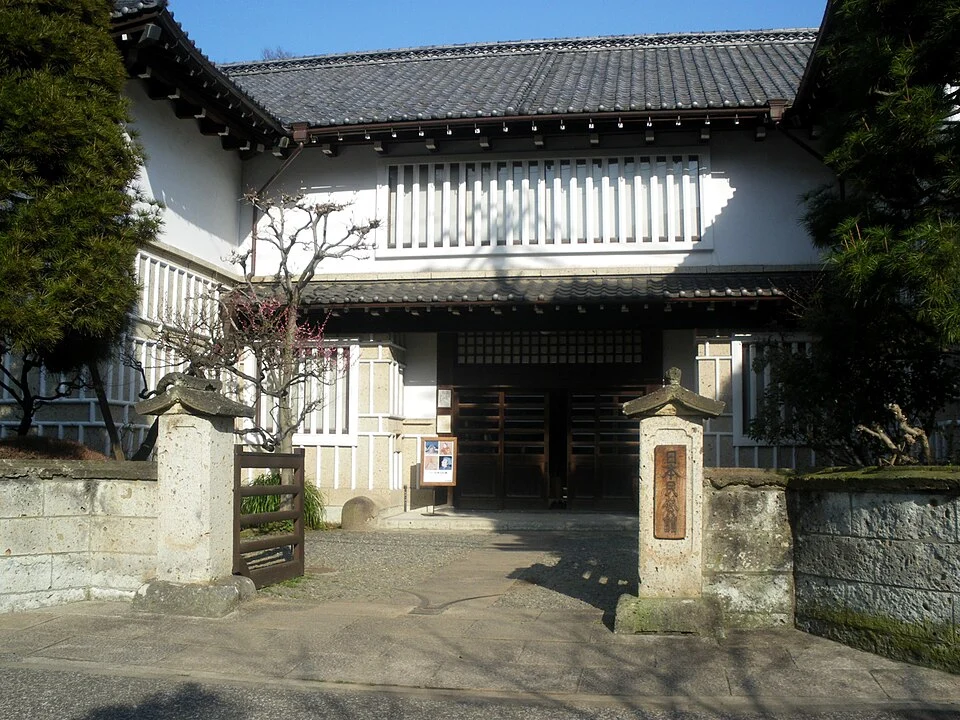
- Hours. 10:00 to 17:00, last entry 16:30. Closed on Mondays (the next day if Monday is a holiday), at year-end and while exhibits are changed.
- Admission. Adults pay 1,500 yen and university and high school students 800 yen. Junior high school students and younger are free.
- Fall show. The Japan Folk Crafts Exhibition runs from November 22 to December 17, 2026. On November 22 and 23 only, entry is by online reservation with a time slot. The museum is closed on November 24 and 30 and December 7 and 14.
- See our Japan Folk Crafts Museum guide for what to see and the West House days.
Tokyo Camii in Yoyogi-Uehara
Tokyo Camii is a working mosque and a Turkish culture center. The first mosque here was built in 1938 and taken down in 1986. The present building was finished in 2000 and was designed by the Turkish architect Muharrem Hilmi Senalp, with about 100 engineers and craftsmen from Turkey, according to the official site. Visitors of other faiths and non-believers are welcome.
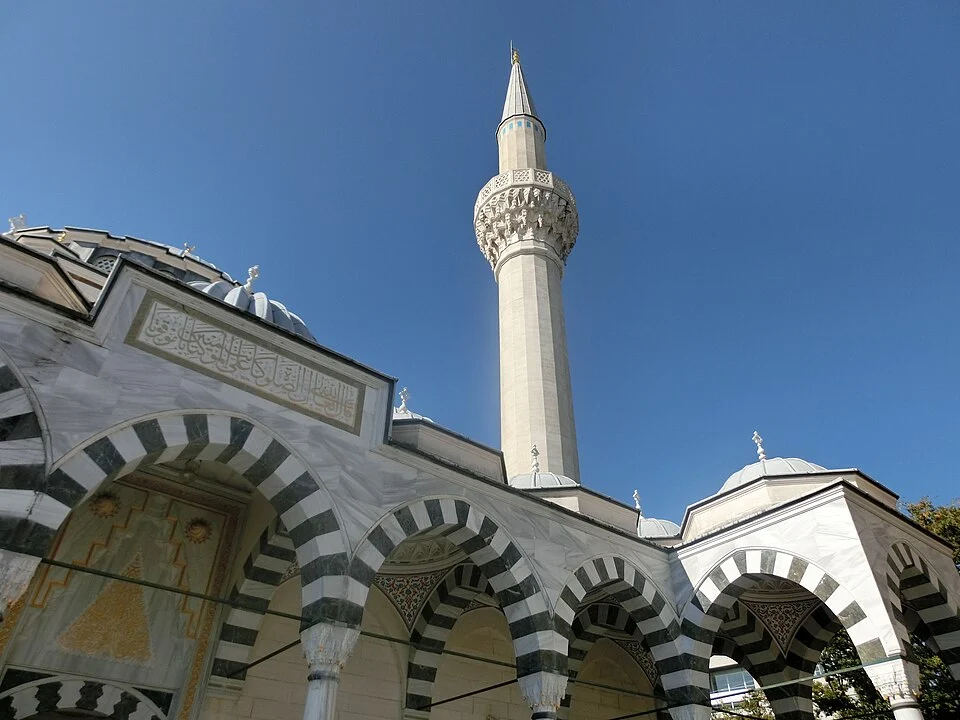
- Hours. Open daily from 10:00 to 18:00. On Fridays, general visits start at 14:00 because of the main prayer.
- No booking. Individuals and small groups can walk in. Guided tours in Japanese run on Saturdays, Sundays and public holidays from 14:30.
- Dress and manners. Wear modest clothes. Women cover their hair in the prayer hall. Take off your shoes, keep quiet and ask the office before taking photos in the hall.
- See our Tokyo Camii guide for the full rules, and our vegetarian and halal guide if you need halal food.
Closing Days at a Glance
This table is from each place’s official site and our own pages. Dates can change, so check before you go.
| Place | Closed | Good to know |
|---|---|---|
| Komaba Park and Japanese house | Mondays (the next weekday if a holiday); year-end | Houses open until 16:00. Free |
| Western house (Maeda) | Mondays and Tuesdays; year-end | Open Wednesday to Sunday and on holidays. Free. Check the Tokyo Metropolitan page |
| Japan Folk Crafts Museum | Mondays (the next day if a holiday); year-end; between exhibits | Last entry 16:30. Also closed Nov 24 and 30, and Dec 7 and 14, 2026 |
| West House (Yanagi home) | Open only on the 2nd and 3rd Wednesday and Saturday of the month | 10:00 to 16:30, last entry 16:00 |
| Tokyo Camii | Open every day | Fridays: from 14:00 |
Simple Plans
These are our own suggestions, not official routes. Walk shoes help, and you take them off inside the museum and the Japanese house.
| Plan | Route |
|---|---|
| Half day: Komaba | Komaba-todaimae Station, Komaba Park and the Maeda houses, then the Japan Folk Crafts Museum, and back to the station (Wednesday to Sunday) |
| Full day: add the mosque | Start at Yoyogi-Uehara for Tokyo Camii, then go on to Komaba Park and the museum. Meguro City lists Komaba Park as about 15 minutes on foot from Yoyogi-Uehara Station. We have not timed the walk from the mosque, so check a map |
| Slow afternoon | Komaba in the morning, then Shimokitazawa for cafes and small shops |
| Rainy day | The museum and the mansion are indoors, so they suit wet weather. The garden is best on a dry day |
Other places nearby: see our Shimokitazawa guide, Yoyogi-Hatsudai guide and Shibuya guide. For more calm old houses, see Kyu-Iwasaki-tei Gardens.
Getting Here
For Komaba, take the Keio Inokashira Line to Komaba-todaimae Station. The museum says to use the West Exit, about 7 minutes on foot. Meguro City lists the Maeda house as about 10 minutes on foot from the same station, and about 15 minutes from Yoyogi-Uehara or Higashi-Kitazawa Station on the Odakyu Line.
A Keio bus from Shibuya Station also runs to Uehara-nichome-minami, then about 8 minutes on foot to the museum. The museum notes that buses are not frequent and the page was last updated in 2023, so check the times. For Tokyo Camii, the mosque says to take the Odakyu Line from Shinjuku, or the Chiyoda Line from Omotesando, to Yoyogi-Uehara Station and walk about 5 minutes. For tickets and IC cards, see our train guide and Suica guide.
Tips Before You Go
- Pick a weekday between Wednesday and Sunday. Most places here are closed on Mondays.
- Carry slip-on shoes. You take shoes off in the museum, the Japanese house and the mosque prayer hall.
- Dress modestly for the mosque. Bring a scarf if you can, though the mosque lends them.
- Check the museum calendar. It closes while exhibits change, and the fall show has special dates.
FAQ
Is Komaba worth a visit?
Yes, if you like quiet places. A free 1929 mansion, a Japanese house and a crafts museum are close to each other, and crowds are small compared with central Tokyo.
Which day is best for Komaba?
Wednesday to Sunday. The Folk Crafts Museum and Komaba Park are closed on Mondays, and the Western house is also closed on Tuesdays.
Is anything free?
Yes. Komaba Park, the Western house and the Japanese house are free to enter. The Japan Folk Crafts Museum charges entry.
Can non-Muslims visit Tokyo Camii?
Yes. The official site welcomes visitors of other faiths and non-believers every day from 10:00 to 18:00. On Fridays, general visits start at 14:00. No reservation is needed for individuals and small groups.
Can I walk from Tokyo Camii to Komaba Park?
It is possible, but we have not timed it. Meguro City lists the Maeda house as about 15 minutes on foot from Yoyogi-Uehara Station, and the mosque is a few minutes from that station. Check a map before you start.
Do I need to book the Folk Crafts Museum?
Not usually. Entry on November 22 and 23, 2026 is by online reservation with a time slot, because of the fall exhibition. Check the museum calendar for other dates.
Keep reading

Related guides
Sources
The facts come from the official pages below. Hours, prices and closing days can change, so please check before you go. Last checked: November 2026 (on November 16, 2026).
- Japan Folk Crafts Museum: hours, closed days and admission (official, Japanese)
- Japan Folk Crafts Museum: access (official, Japanese)
- Japan Folk Crafts Museum: about the museum (official, Japanese)
- Japan Folk Crafts Museum: special exhibition (official, Japanese)
- Meguro City: Komaba Park (official, Japanese)
- Meguro City: Former Maeda Family Residence (official, Japanese)
- Meguro City: history of the Former Maeda Family Residence (official, Japanese)
- Tokyo Camii: for visitors (official, English)
- Tokyo Camii: access (official, English)
- Tokyo Camii: about (official, English)