Researched guide · Last checked: Nov 15, 2026
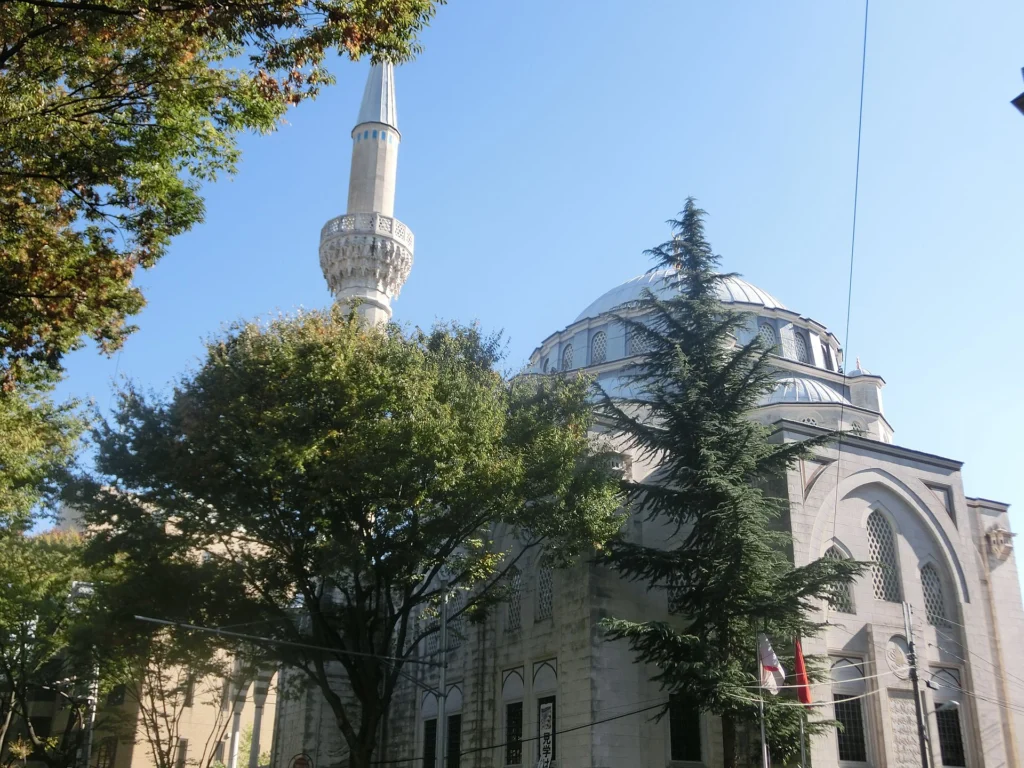
Tokyo Camii is a mosque and Turkish culture center in Shibuya City, about 5 minutes on foot from Yoyogi-Uehara Station. Its story began in 1938, when Muslims from Kazan who had fled the Russian Revolution built a mosque here. That building was taken down in 1986, and the present mosque, in classical Ottoman-Turkish style, opened on June 30, 2000. Visitors of any faith, or none, are welcome every day. Reservations are not needed for individuals and small groups.
Quick answer
A working mosque and the Diyanet Turkish Culture Center.
Hours: 10:00-18:00 daily. On Fridays, general visits start at 14:00.
Quick facts
| What it is | A working mosque and the Diyanet Turkish Culture Center |
| Known for | Ottoman-Turkish architecture with a central dome, six half-domes, calligraphy and tile work |
| Hours | 10:00-18:00 daily. On Fridays, general visits start at 14:00 |
| Reservations | Not needed for individuals and small groups |
| Dress code | Modest clothing for everyone; women cover their hair in the prayer hall |
| Area | Shibuya City, near Yoyogi-Uehara Station |
| Nearest station | Yoyogi-Uehara Station (Odakyu Line, Chiyoda Line), about 5 minutes on foot |
| Last checked | November 2026 |
What to see
- The prayer hall (2nd floor): a central dome with six half-domes, decorated with calligraphy, painted patterns, colored glass windows and carved marble. The calligraphy above the windows quotes the “Hadith of Gabriel”, a well-known teaching about faith.
- Turkish crafts: tile work, kundekari woodwork made of small interlocking pieces with no screws or glue, and mother-of-pearl inlay. On the outer walls, look for small carved stone birdhouses, a detail of Ottoman buildings.
- Ground floor: an exhibition of Turkish-Islamic handicrafts, a room in traditional Turkish style, a bookshop and a small library.
- Scale model: a model of the 1938 mosque and school, made by Japanese architecture professors and students.
- The building: designed by the Turkish architect Muharrem Hilmi Senalp. About 100 engineers and craftsmen came from Turkey to build it between 1998 and 2000. The main prayer area holds about 630 people.
Rules for visitors
- Clothes: wear modest clothes. Women should wear an ankle-length skirt or loose trousers and a long-sleeved top that covers the neck. Men should not wear shorts.
- Headscarf: women cover their hair inside the prayer hall. If you forget a scarf, the mosque lends scarves and long coats near the prayer hall entrance.
- In the prayer hall: take off your shoes, keep quiet, and do not walk around during prayers. You may watch a prayer from the back. The upper floor is for women only.
- Photos: personal photos with a phone are allowed in general, but do not photograph other visitors or people praying, and never during prayers. The prayer hall rules ask you to get permission from the office for any photos or video there, so ask first. Cameras on dedicated equipment need advance permission.
- No pets inside the building.
Guided tours and Fridays
Guided tours in Japanese run every Saturday, Sunday and public holiday from 14:30 and take about 45 to 60 minutes. No reservation is needed; come to the 1st floor entrance hall. Groups of 5 or more can book a tour at other times through the mosque’s online calendar. On Fridays, a congregational prayer is held around midday, so general visits start at 14:00. The halal market is open until 19:00 and closes for a short time during prayers.
Getting there
- From Shinjuku: take the Odakyu Line to Yoyogi-Uehara Station. Go out to Inokashira-dori, pass under the Odakyu Line tracks, and walk about 5 minutes.
- From Shibuya: take the Hanzomon Line or Ginza Line to Omotesando, change to the Chiyoda Line and ride to Yoyogi-Uehara Station, then walk about 5 minutes.
Yoyogi-Uehara is a few stops from Shimokitazawa on the Odakyu Line. For another quiet place of worship nearby, visit Meiji Jingu next to Yoyogi Park. If you need halal food in the city, see our vegetarian and halal guide.
Also nearby: Komaba and Yoyogi-Uehara Guide: Folk Crafts, a 1929 Mansion and Tokyo Camii
FAQ
Can non-Muslims visit Tokyo Camii?
Yes. The mosque welcomes visitors of other faiths and non-believers every day from 10:00 to 18:00. On Fridays, general visits start at 14:00.
Do I need a reservation?
No, not for individuals or small groups. Groups of 5 or more who want a guided tour outside the regular times should book in advance.
What should I wear?
Modest clothing that covers the arms and legs. Women cover their hair in the prayer hall; the mosque lends scarves and coats if you need them.
Are there tours in English?
The regular tour is in Japanese, on Saturdays, Sundays and public holidays from 14:30. It takes about 45 to 60 minutes.
Can I take photos inside?
Personal phone photos are allowed in general, but not of worshippers or during prayers. Ask the office before taking photos or video in the prayer hall.
Keep reading

Sources
Facts come from the official website of Tokyo Camii and Diyanet Turkish Culture Center (visitor, history and access pages in English and Japanese), last checked on November 15, 2026. This page is based on official sources, not our own visit. Prayer times change through the year, so check the mosque’s prayer timetable before you go. Last checked: November 2026 (on November 15, 2026).