Researched guide · Last checked: Nov 16, 2026
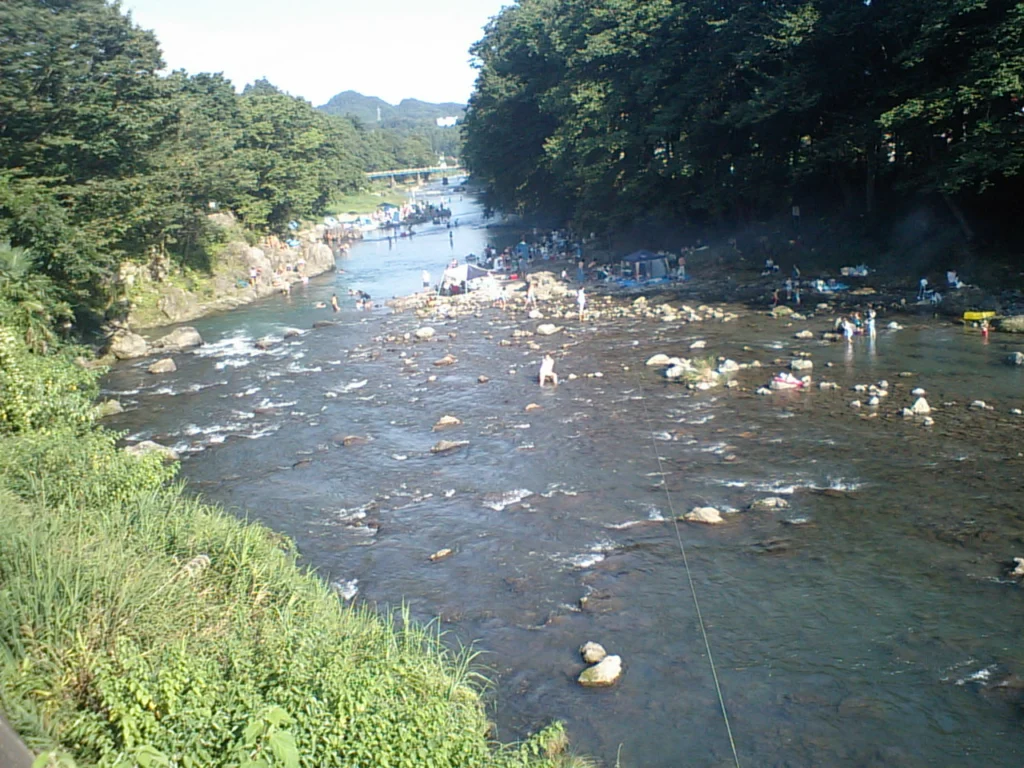
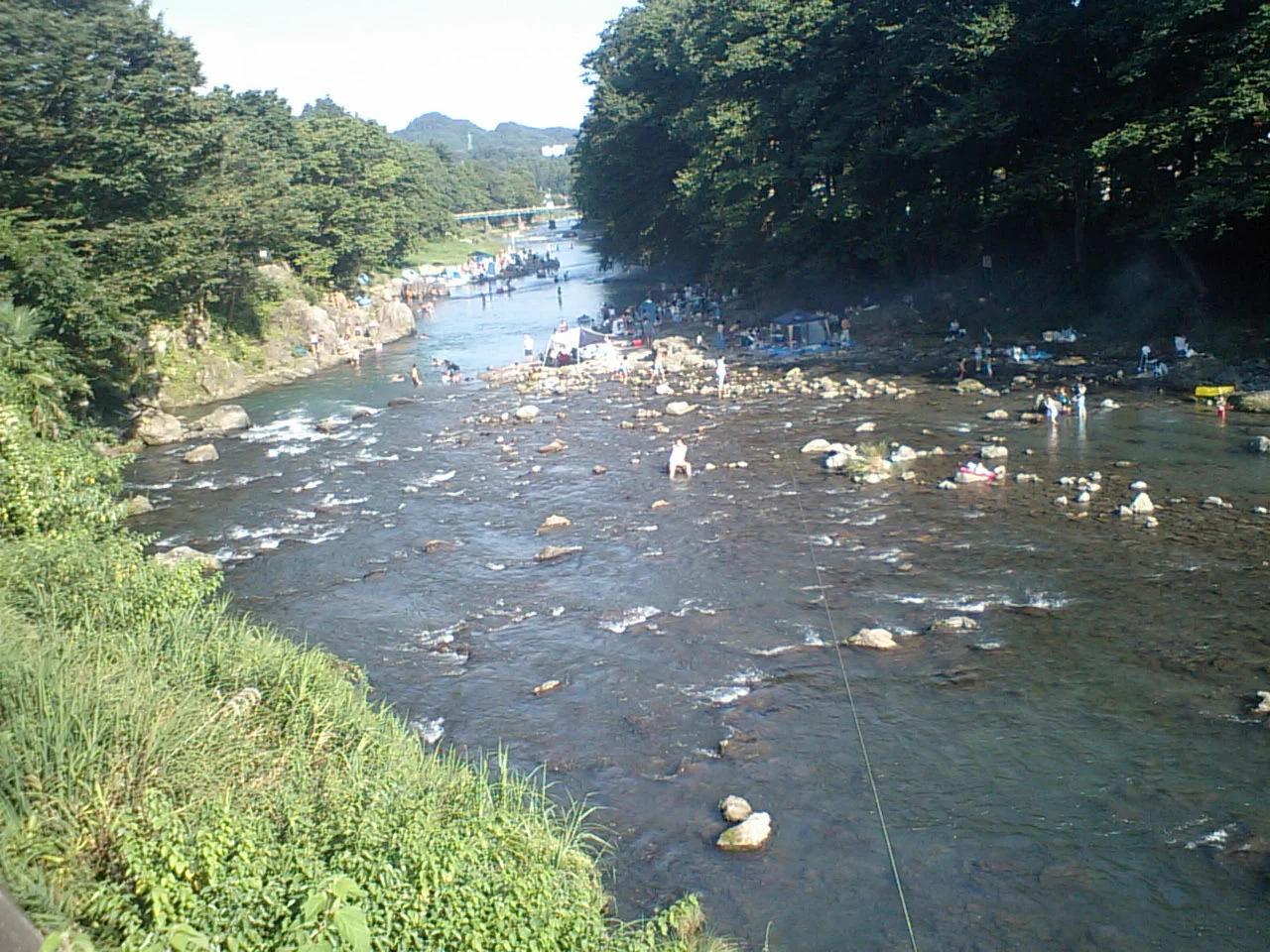
Akiruno is a city in western Tokyo with a clear river valley, called Akigawa Valley. You can reach it by train from Shinjuku, and it feels far from the city. It is a good place for a quiet day with a river, trails and a hot spring. This guide covers how to get there, what to do and how to plan your day.
Quick answer
Akigawa Valley is in Akiruno City. The nearest station is Musashi-Itsukaichi Station on the JR Itsukaichi Line, according to GO TOKYO. The Tokyo Metropolitan Government Tama tourism site gives about 1 hour 30 minutes from Shinjuku to that station by the Chuo and Itsukaichi lines. At the valley you can fish, barbecue, camp, hike and soak in a hot spring.
Plan a full day. Buses to the valley run from the station, and some run only about once an hour, so check the timetable first.
Overview
| Where | Akiruno City, in the Tama area of western Tokyo |
| Nearest station | Musashi-Itsukaichi Station, JR Itsukaichi Line (GO TOKYO). Akigawa Station is the stop before it |
| From Shinjuku | About 1 hour 30 minutes to Musashi-Itsukaichi and 1 hour 20 minutes to Akigawa by train, via the Chuo and Itsukaichi lines (Tama tourism site) |
| Time needed | A full day. Our suggestion, not an official figure |
| Good for | Nature, river activities, hiking, hot springs, autumn leaves |
| Source | GO TOKYO and the Tokyo Metropolitan Government Tama tourism site (official, English pages) |
| Last checked | November 2026 (on November 16, 2026) |
Getting There
Take the JR Chuo Line from Shinjuku, then change to the JR Itsukaichi Line. The Tama tourism site lists about 1 hour 20 minutes to Akigawa Station and about 1 hour 30 minutes to Musashi-Itsukaichi Station. One 2023 visitor article on the same site gives a shorter time, about 60 minutes from Shinjuku via Haijima, so the time depends on the train you catch. Check the time in a route app. The same page lists about 90 minutes from Tokyo Station and a fare of 830 yen from Shinjuku. Fares change, so check before you go.
Musashi-Itsukaichi is the end of the line, and most valley trips start there. A tourist information office is not listed on the official pages we read, so look at a map before you leave the station. For an IC card for trains and buses, see how to use Suica and trains in Tokyo. Check on the bus operator’s page whether IC cards work on your bus.
Things to Do in Akigawa Valley
GO TOKYO describes Akigawa Valley as one of Tokyo’s calm nature getaways. These are the activities it lists.
- Fish for trout. The Akigawa International Trout Fishing Ground lets you fish and barbecue your catch for a fee. Rental rods and bait cost extra (GO TOKYO).
- Barbecue by the river. Barbecue pits can be rented year-round from several operators, including Shizenjin-mura (GO TOKYO).
- Camp or stay in a log house. Shizenjin-mura also rents log houses and tent sites (GO TOKYO). The Tama article says it is about 2 km from the station, and about 30 minutes uphill on foot or under 10 minutes by taxi.
- Relax at a hot spring. Akigawa Keikoku Seoto-no-Yu has indoor and open-air baths with views in every season (GO TOKYO). For bath rules, see our onsen guide.
- See a cave. Otake Limestone Cave is 300 m long and is a Natural Monument of the Tokyo Metropolitan Government (GO TOKYO).
- Hike. GO TOKYO mentions trekking trails. The Tama article describes Mt. Hinode (902 m) as a hike that needs no special equipment, though good walking shoes are advised. It gives 3.5 to 4 hours for the return trip from the trail start.
Buses and Fares From the Station
The bus times and fares below come from the Tama tourism site. The Mt. Hinode and trout ground figures come from a visit in September 2023, so they may have changed.
| Trip | Time | Fare |
|---|---|---|
| Musashi-Itsukaichi to Hinodeyama Tozan-guchi (stop 3), for Mt. Hinode | About 15 minutes, about 1 bus per hour | 450 yen one way (2023) |
| Musashi-Itsukaichi to Hossawa Falls Entrance (Gotaki 10 bus) | About 12 minutes | 530 yen |
| Musashi-Itsukaichi to Kiwandaira (Hinoki 52 bus) | About 22 minutes | Not listed on the page we read. The Seoto-no-Yu to Kiwandaira leg is 400 yen |
| Station to Shizenjin-mura by taxi | Under 10 minutes | About 1,000 yen (2023) |
The bus 52 to the trout ground takes about 25 minutes (2023 article). Because buses can be infrequent, write down the return bus time before you start your day.
Seasons
- Autumn. GO TOKYO says the valley is known for red maples and golden ginkgoes. Ishibunebashi Bridge is one of the best viewpoints over the gorge. GO TOKYO does not give peak dates, so check before you go. See autumn leaves in Tokyo and Tokyo in November.
- Evening lights. The Tama autumn leaves route lists night lighting at Henbori Momiji no Sato, from sundown to 21:00. Dates are not given on that page, so check them first.
- Summer. The river is a main attraction. Riverside barbecue is listed all year. See summer in Tokyo.
- Name. GO TOKYO says Akigawa is said to mean “autumn stream”.
Plan Your Day
This is our suggested plan, not an official route. Opening hours and prices are not listed on the pages we read, so check each place.
- Morning. Take the train from Shinjuku. At Musashi-Itsukaichi, pick one main activity: a river walk, the Mt. Hinode hike, or a barbecue or fishing session.
- Midday. Eat near the station or at the place you booked. The Tama itineraries mention the temple cafe at Gyokuden-ji and a restaurant serving local dishes, do-mo kitchen CANVAS.
- Afternoon. End with a hot spring at Seoto-no-Yu, or walk to a viewpoint on Ishibune Bridge.
- Before dark. Check the last bus and last train back to Tokyo.
Hossawa Falls in nearby Hinohara Village is reached by the Gotaki 10 bus. See our Hossawa Falls page. For other western Tokyo nature trips, see the Okutama guide, the Mt. Takao guide and day trips from Tokyo.
Tips Before You Go
- Bring your own food and water. Opening hours and shops are not listed on the official pages. Check them before you go.
- Wear walking shoes. The Tama article advises good walking shoes for Mt. Hinode.
- Reserve ahead. The Tama article says the Shizenjin-mura sauna has to be reserved before use. Barbecue sites and cabins may need booking too, so ask the operator.
- Check the weather. Plan indoor options, such as the hot spring, for a rainy day.
Also nearby: Fussa, Hamura and Mizuho guide
Also nearby: Hinohara village guide
FAQ
Where is Akigawa Valley?
It is in Akiruno City, in the Tama area of western Tokyo. The nearest station is Musashi-Itsukaichi Station on the JR Itsukaichi Line, according to GO TOKYO.
How long does it take from Shinjuku?
The Tama tourism site lists about 1 hour 20 minutes to Akigawa Station and 1 hour 30 minutes to Musashi-Itsukaichi Station by train. One article on the same site gives about 60 minutes, so check your train in a route app.
What can you do in Akigawa Valley?
GO TOKYO lists trout fishing, riverside barbecue, camping, hiking, a hot spring and Otake Limestone Cave.
When is the best time to go?
GO TOKYO says the valley is known for autumn leaves, and the river is also a main attraction in summer. Hours and conditions change, so check before you go.
Can I visit Hossawa Falls on the same day?
The Tama itinerary lists a bus from Musashi-Itsukaichi Station to the Hossawa Falls Entrance, about 12 minutes for 530 yen. Check the bus times, and see our Hossawa Falls page.
Related guides
Sources
The facts come from the official pages below, and the Tokyo notes from our own pages. Last checked: November 2026 (on November 16, 2026). Hours, fares and bus times change, so please check before you go.
- GO TOKYO: Akigawa Valley (official, English)
- GO TOKYO: Okutama & Around (official, English)
- Tokyo Metropolitan Government Tama tourism site: Akiruno and Hinode (official, English)
- Tama tourism site: A local’s guide to the outdoors in the Tama region (official, English)
- Tama tourism site: Two-day western Tama nature route, Hinohara and Akiruno (official, English)
- Tama tourism site: Akiruno, Hinode and Hinohara autumn leaves walk (official, English)