Researched guide · Last checked: Nov 15, 2026
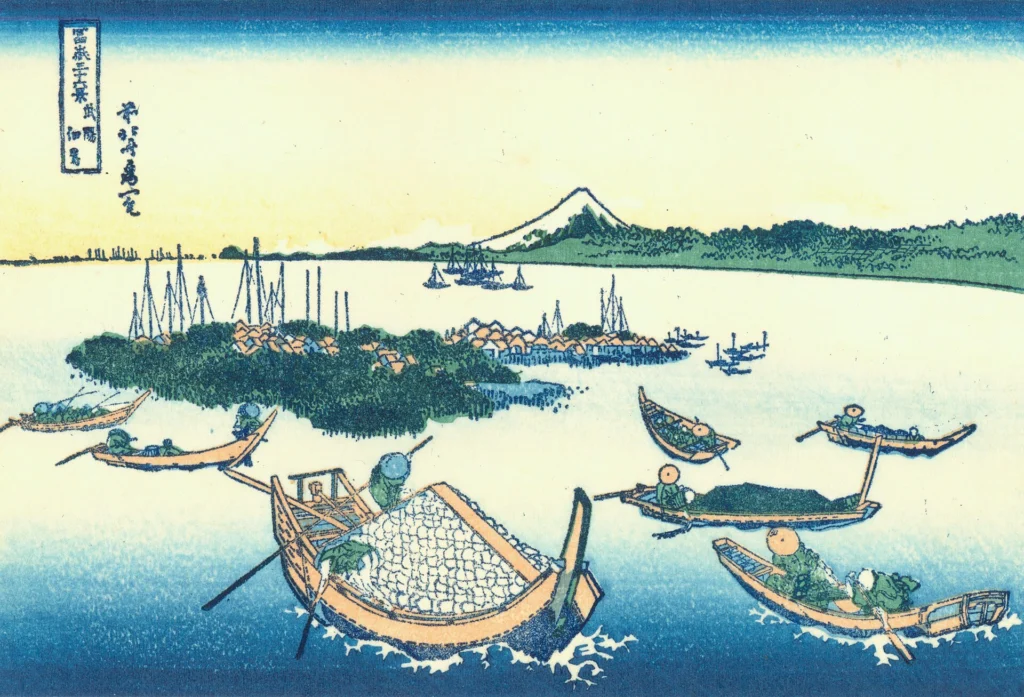
Tsukishima and Tsukudajima are man-made islands in the Sumida River, in Tokyo’s Chuo City. Tsukudajima began as a fishing village in the 1640s, and Tsukishima, Kachidoki and Harumi were added later as land reclaimed from the bay. Today the narrow old streets sit right next to tall apartment towers. You can eat monjayaki, visit a fishermen’s shrine and walk across a historic drawbridge in half a day.
Quick answer
Top things to do: eat monjayaki on Monja Street, visit Sumiyoshi Shrine, walk across Kachidoki Bridge, and see the bay from Harumi Wharf at night.
Allow half a day. Tsukishima Station (Tokyo Metro Yurakucho Line and Toei Oedo Line) is the easiest start. Kachidoki Station (Oedo Line) is the stop for the bridge.
Overview
| Getting there | Tsukishima Station (Tokyo Metro Yurakucho Line, Toei Oedo Line); Kachidoki Station (Toei Oedo Line) |
| Time needed | Half a day for monja, the shrine and the bridge. Add a few more hours for Harumi Wharf |
| Best time | Daytime for the shrine and the old streets. After sunset for the lit-up bridge (it is lit from sunset to about 22:00) and the bay view |
| Good for | Food, old Edo-period history, bridges and waterfront views, evening walks |
| Costs | Walking, the shrine grounds and the bridge are free. Monja is paid per shop |
| Last checked | November 2026 (on November 15, 2026) |
What Tsukishima and Tsukudajima Are Like
Chuo City’s tourist association describes this area as islands built from the Edo period to the Showa period and surrounded by the Sumida River and canals. Some parts escaped the 1923 Great Kanto Earthquake and the wartime air raids, so the alleys still feel like old downtown Tokyo. Nearby, redevelopment has put skyscraper apartments on the waterfront.
Each neighborhood has its own story, according to the association:
- Tsukudajima: built by fishermen who came from Tsukuda village in Settsu Province (today’s Osaka). It was reclaimed in 1644 and named after their hometown.
- Tsukishima: reclaimed from 1887 over more than 20 years. It was named after “Tsuki-no-misaki”, a bay cape known for moon viewing.
- Kachidoki: named after a ferry, the “Kachidoki-no-watashi”, built to mark Japan’s victory in the Russo-Japanese War (1904 to 1905).
- Toyomi: land finished in 1963, with port areas and many cold-storage warehouses.
- Harumi: town blocks formed in 1937. The Harumi 5-chome area was the Tokyo 2020 Olympic Village and has become a new residential town.
Best Things to Do
Tsukishima Monja Street
Monjayaki is a runny batter with chopped fillings, cooked on an iron griddle at your table. Nishinaka-dori, the street right outside Tsukishima Station, is lined with shops that serve it. About 50 shops belong to the Tsukishima Monja Promotion Association, and hours and closing days differ by shop. See our Tsukishima Monja Street guide for how to cook it and how to book.
Tsukuda Sumiyoshi Shrine
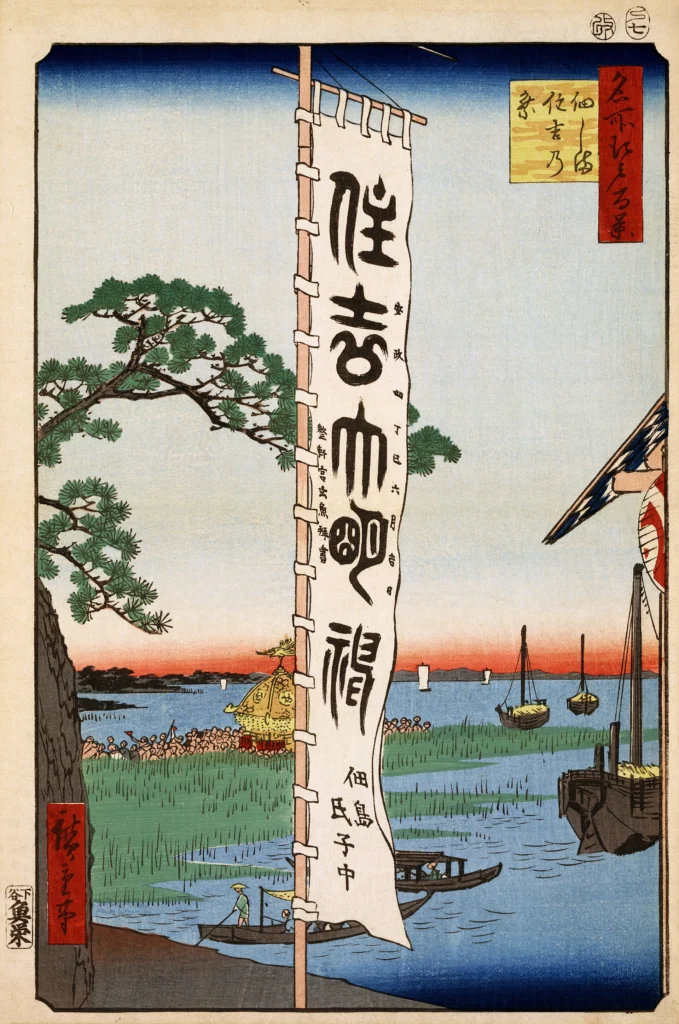
This is the local shrine of Tsukudajima, built by the fishermen who settled here. The shrine says it moved its gods to Edo on June 29, 1646, and that the grounds are open 24 hours. Look for the water basin hall of 1869 and the pottery name plaque, both designated local cultural properties by Chuo City. Every three years a larger festival is held, with a portable shrine carried on a boat, according to the tourist association. We could not confirm the date of the next one. The Tsukudajima Bon Dance, held every year on July 13 to 15, is a Tokyo Intangible Folk Cultural Property (designated in 1976).
Full details: Tsukuda Sumiyoshi Shrine guide. Please read shrine and temple etiquette before you pray.
The old streets of Tsukudajima
The tourist association lists three small history stops on Tsukudajima:
- Site of the Tsukudajima ferry: the ferry started in 1645, the year after the island was built, and ran until 1964, when Tsukuda Bridge opened. Stone monuments stand at both ends of the bridge.
- Tsukuda Namiyoke Inari Shrine: three round “strength stones” that local fishermen lifted in contests sit beside its entrance torii (a Chuo City cultural property).
- Chuo Bridge: opened in 1993 as part of the redevelopment of Tsukudajima. A statue called “The Messenger”, a gift from the city of Paris, stands on its upstream side.
Beyond the old streets, the River City 21 apartment towers fill the former shipyard site. The association describes this contrast of old fishing village and new towers as the area’s charm.
Kachidoki Bridge
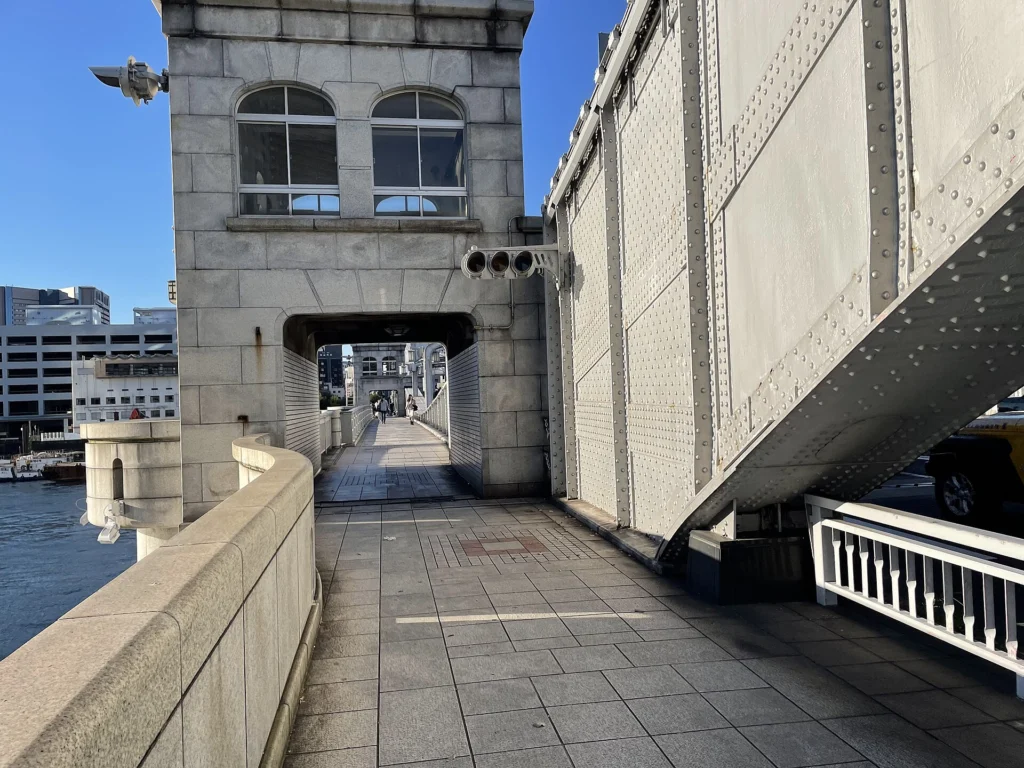
Kachidoki Bridge is 246 m long, and its center section was built to swing up. Each side, about 80 m, lifts to 70 degrees. It opened in 1940 and was raised about 50 times a day (20 minutes each) at first. It has not been raised since November 1970 because ships on the river became fewer and road traffic grew. The bridge is lit up every night from sunset until about 22:00. In 2007 it was named a national Important Cultural Property, with Kiyosu Bridge and Eitai Bridge. The nearest station is Kachidoki Station (Oedo Line).
Harumi Wharf and the bay view
Tokyo Harumi Wharf opened in 1955 as an international port. The Harumi Passenger Terminal, opened in 1991, has an observation deck with views of the Rainbow Bridge and the Tokyo bay area. The tourist association also lists it as a night-view spot with Odaiba and Tokyo Tower in sight. The Tokyo Port Festival is held there every year in late May. It is far from the stations: about 25 minutes on foot from Kachidoki Station, or take a Toei bus to the “Harumi Futo” stop. For another bay-side stop, see Odaiba and teamLab Planets.
Seasonal Events
- Late March to early April: the Ryujin Shrine festival at Sumiyoshi Shrine. See the shrine guide for the schedule.
- Late May: Tokyo Port Festival at Harumi Wharf, according to the tourist association.
- July 13 to 15: Tsukudajima Bon Dance.
- August 6: the main yearly ceremony of Sumiyoshi Shrine.
- Every 3 years: the large Sumiyoshi Shrine festival (next year unconfirmed).
- December 31: the shrine’s New Year’s Eve purification rite.
- More dates: Tokyo events calendar.
Food
Monjayaki is the local specialty, and most visitors start on Nishinaka-dori. We have not verified individual restaurants here, so we do not list any. For other dishes, see Japanese food to try in Tokyo. The Tsukiji Outer Market is also a short ride away (see Tsukiji Outer Market).
Where to Stay
Tsukishima is mostly residential. Many visitors stay in Ginza, Tokyo Station or Tsukiji and come by train. See Best hotels in Tsukiji and Toyosu, Best hotels near Tokyo Station and Ginza and where to stay in Tokyo.
Getting There
- To Monja Street and the shrine: Tokyo Metro Yurakucho Line or Toei Oedo Line to Tsukishima Station. Exit 7 is right at Nishinaka-dori, and Exit 6 is about 5 minutes on foot from Sumiyoshi Shrine.
- To Kachidoki Bridge: Toei Oedo Line to Kachidoki Station.
- To Harumi Wharf: about 25 minutes on foot from Kachidoki Station, or a Toei bus to “Harumi Futo”.
New to Tokyo trains? See Trains in Tokyo and How to use Suica. For a boat view of the bridges, see Tokyo Water Bus.
Suggested Half-Day Route
We do not have official walking times between stops, so allow extra time and use a map app.
- StartTsukishima Station
- Walk to Nishinaka-dori (Exit 7)
- 1Monja Street (lunch or an early dinner)
- Walk toward Tsukudajima
- 2Tsukuda Sumiyoshi Shrine and the old streets
- Pass the site of the old ferry and Chuo Bridge
- 3Kachidoki Bridge (walk across)
- Kachidoki Station is close to the bridge
- FinishKachidoki Station, or stay for the lit bridge after sunset
Find these places on our Tokyo map.
Combine Tsukishima with Nearby Areas
- Tsukiji and Toyosu: see our Tsukiji and Toyosu guide, Tsukiji Honganji and Toyosu Market.
- Ginza and Tokyo Station: see our Ginza and Tokyo Station guide.
- Nihonbashi: see our Nihonbashi guide.
- Odaiba: see our Odaiba guide.
Travel Tips
- Hours and closing days differ for each monja shop. Check each shop before you go, and book for dinner or groups.
- The shrine asks for formal clothes for prayers. The shrine grounds are open at all hours, but the office is open 8:00 to 16:30.
- Kachidoki Bridge is lit from sunset until about 22:00, according to the tourist association.
- Harumi Wharf is far from the stations. Check the bus or allow 25 minutes on foot.
- Looking for more free sights? See Free things to do in Tokyo and Tokyo at night.
FAQ
Is Tsukishima worth visiting?
Yes, if you want to eat monjayaki and see a part of Tokyo that kept its old alleys. The shrine, the old streets and Kachidoki Bridge can be done on foot in half a day.
What is the difference between Tsukishima and Tsukudajima?
They are neighboring man-made islands. Tsukudajima was built in the 1640s by fishermen from Tsukuda village in Osaka. Tsukishima was reclaimed from 1887.
Does Kachidoki Bridge still open?
No. The center section of the bridge was built to lift, but it has not been raised since November 1970. The bridge is lit up each night from sunset until about 22:00.
How do I get to Monja Street?
Take the Tokyo Metro Yurakucho Line or the Toei Oedo Line to Tsukishima Station. Exit 7 is right at Nishinaka-dori.
Is Tsukuda Sumiyoshi Shrine free?
The shrine says its grounds are open 24 hours, and the official site does not list an entry fee. Prayers are by reservation.
Can I see Tokyo Bay from here?
Yes. Harumi Wharf has an observation deck and views of the Rainbow Bridge. It is about 25 minutes on foot from Kachidoki Station, or you can take a Toei bus.
Keep reading
Related guides
Sources
This guide is based on the official information below, not on our own visit. Last checked: November 2026 (on November 15, 2026). Hours, prices and events change, so please check before you go.
- Chuo City Tourist Association: Tsukishima area guide (official, Japanese)
- Chuo City Tourist Association: Tsukudajima and River City 21 (official, Japanese)
- Chuo City Tourist Association: Kachidoki Bridge (official, Japanese)
- Chuo City Tourist Association: Site of the Tsukudajima ferry (official, Japanese)
- Chuo City Tourist Association: Strength stones at Tsukuda Namiyoke Inari (official, Japanese)
- Chuo City Tourist Association: Bon dances in Chuo City (official, Japanese)
- Chuo City Tourist Association: Festivals in Chuo City (official, Japanese)
- Chuo City Tourist Association: The eight Sumida River bridges (official, Japanese)
- Chuo City Tourist Association: Tokyo Harumi Wharf (official, Japanese)
- Sumiyoshi Shrine: History (official, Japanese)
- Sumiyoshi Shrine: Access (official, Japanese)
- Tsukishima Monja Promotion Association (official, Japanese)
Also nearby: Tsukishima, Tsukudajima and Kachidoki half-day itinerary