Researched guide · Last checked: Nov 14, 2026
Tomioka Silk Mill in Tomioka, Gunma, is a silk factory that the Meiji government opened in 1872 to make high-quality raw silk with Western machines. A Frenchman, Paul Brunat, led the project. The mill worked for 115 years until 1987. It was added to the World Heritage List in 2014, and three of its buildings are National Treasures. Tomioka City owns and manages it today.
Quick answer
Tomioka Silk Mill in Tomioka, Gunma, is a silk factory that the Meiji government opened in 1872 to make high-quality raw silk with Western machines.
Admission: Adults 1,000 yen; high school and university students 250 yen; elementary and junior high students 150 yen; preschool children free. Hours: 9:00 to 17:00 (last entry 16:30). Closed: December 29 to 31. It may also close on other days for checks and repairs.
Quick facts
| What it is | A former government silk mill (1872), now a World Heritage site run by Tomioka City |
| Hours | 9:00 to 17:00 (last entry 16:30) |
| Admission | Adults 1,000 yen; high school and university students 250 yen; elementary and junior high students 150 yen; preschool children free |
| Closed | December 29 to 31. It may also close on other days for checks and repairs |
| Address | 1-1 Tomioka, Tomioka, Gunma |
| Nearest station | Joshu-Tomioka Station (Joshin Electric Railway), about 15 minutes on foot |
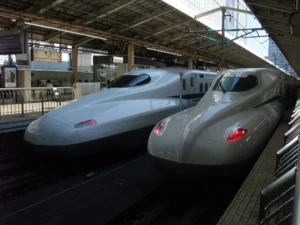
| From Tokyo | Joetsu or Hokuriku Shinkansen from Tokyo to Takasaki, then the Joshin Electric Railway to Joshu-Tomioka. About 95 minutes of riding time, not counting the transfer |
| Last checked | November 2026 |
What to see
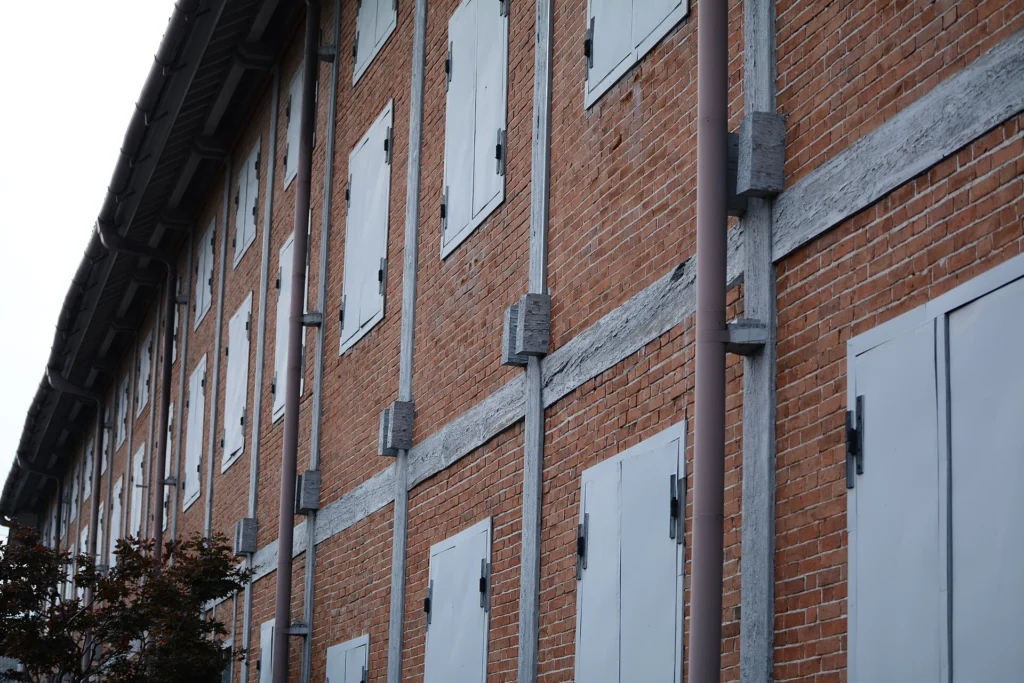
- East Cocoon Warehouse (National Treasure): a brick and timber warehouse about 104 m long. The stone at the top of the arch shows the year the mill started, Meiji 5 (1872). A silk gallery and shop are inside.
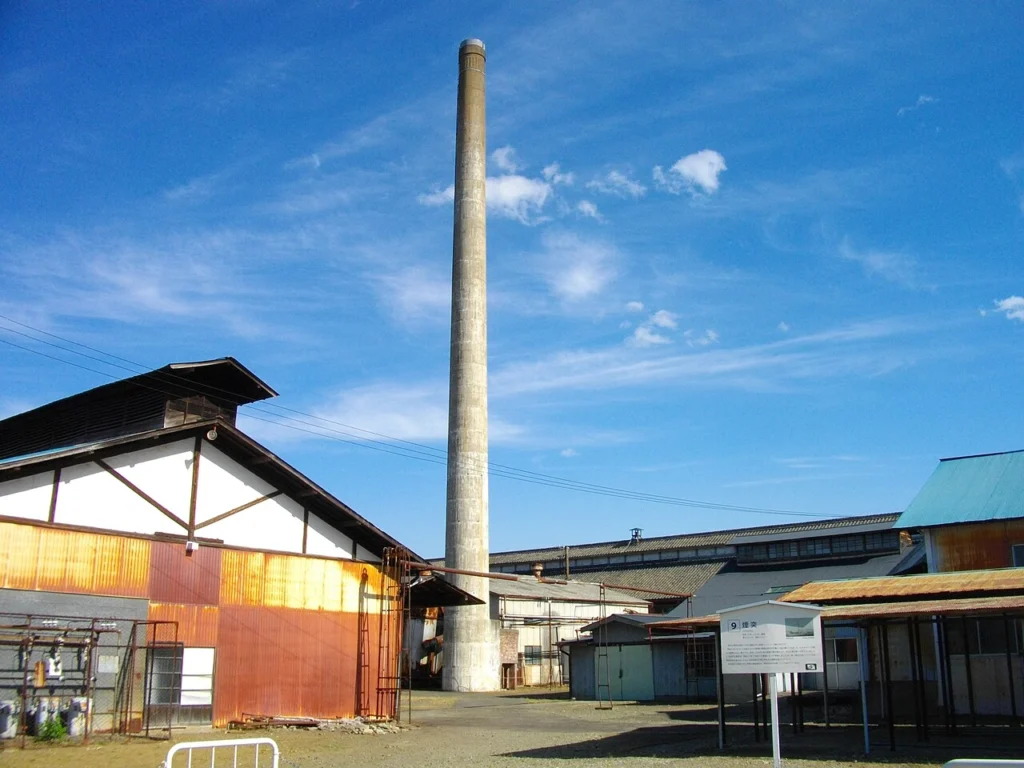
- Silk-reeling Mill (National Treasure): a factory about 140 m long where workers took thread from cocoons. When it opened it held 300 reeling machines brought from France. The roof uses a truss, so the large hall has no pillars in the middle.
- West Cocoon Warehouse (National Treasure): repair work finished in 2020. Glass rooms inside the old building hold exhibits and a hall.
- Live demonstrations: a copy of a French-style reeling machine runs almost every day, 10:00 to 11:30 and 14:00 to 15:30 (not January 1 to 3). A copy of the Brunat steam engine runs on Saturdays, Sundays and holidays, 10:30 to 14:30. Times can change without notice.
- Silkworms: live silkworms are shown in Staff House No. 76 from 9:15 to 16:00. What you see depends on their growth stage.
Tips for your visit
- Guided tours: staff guides start from the East Cocoon Warehouse several times a day. Each tour takes about 40 minutes and costs 200 yen (junior high and under 100 yen). The official site does not say the tours are in English, so check before you go.
- Free audio guide: download the official app on your phone. It has English, Chinese, French and Korean as well as Japanese.
- Bring rain gear: most of the visit is outside, looking at the buildings.
- Food and drink: eating is not allowed on the site. Drink only outside the buildings.
- Paying: credit cards, IC cards (like Suica) and some smartphone payments work for admission, but not for the guided tour fee.
Getting there from Tokyo
- Train: take the Joetsu or Hokuriku Shinkansen from Tokyo Station to Takasaki. Leave the JR gates, go out the West Exit and turn left to find the Joshin Electric Railway. Ride to Joshu-Tomioka (about 40 minutes). The tourism association says the whole trip is about 95 minutes, not counting transfer time.
- Walk: from Joshu-Tomioka Station to the mill is about 15 minutes.
- Car: cars cannot enter the mill. Use the city parking lots nearby and walk about 10 minutes.
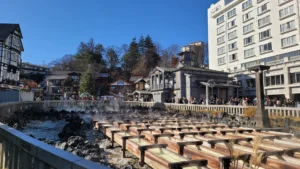
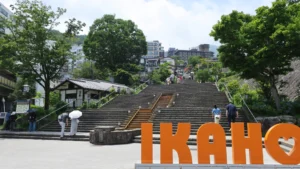
Gunma has more to see. Pair the mill with a hot spring night in Kusatsu Onsen or Ikaho Onsen, compare onsen towns near Tokyo, and find more day trips from Tokyo.
FAQ
How much is the Tomioka Silk Mill entrance fee?
Adults pay 1,000 yen. High school and university students pay 250 yen with a student ID, elementary and junior high students pay 150 yen, and preschool children enter free.
What are the opening hours of Tomioka Silk Mill?
It is open from 9:00 to 17:00, and the last entry is at 16:30. It closes from December 29 to 31, and it may close on other days for checks.
How long does it take to get to Tomioka Silk Mill from Tokyo?
The Tomioka tourism association says about 95 minutes of train time: shinkansen from Tokyo to Takasaki, then about 40 minutes on the Joshin Electric Railway. Add transfer time and a 15-minute walk from Joshu-Tomioka Station.
Is there an English guide at Tomioka Silk Mill?
There is a free audio guide app with English, Chinese, French and Korean. Staff guided tours cost 200 yen, but the official site does not say they run in English, so check before you go.
Why is Tomioka Silk Mill a World Heritage site?
It was a model factory that brought Western silk-reeling machines to Japan in 1872 and trained workers from across the country. It was added to the World Heritage List in 2014 as part of the Tomioka Silk Mill and related sites.

Also nearby: Gunma Safari Park.
Sources
Facts come from the official Tomioka Silk Mill pages on the Tomioka City Tourism Association website. They are based on official sources, not our own visit. Demonstration times and closing days can change, so check before you go. Last checked: November 2026 (on November 14, 2026).
- Tomioka City Tourism Association (official): Tomioka Silk Mill visitor guide (Japanese)
- Tomioka City Tourism Association (official): Highlights and demonstrations (Japanese)
- Tomioka City Tourism Association (official): History of the mill (Japanese)
- Tomioka City Tourism Association (official): Access (Japanese)
Also nearby: Takasaki guide