Most Japanese tea is green tea, and the main differences come from two things: how the plant is grown (in sun or in shade) and how the leaves are processed. This guide explains six teas you will see in Tokyo shops, cafes and tea rooms, using Japan’s Ministry of Agriculture, Forestry and Fisheries (MAFF). For where to try matcha the traditional way, see our tea ceremony guide.
Quick answer
Sencha is the everyday green tea: leaves grown in the open, steamed, rolled and dried. Gyokuro and matcha come from tea plants grown under cover for part of their life, which MAFF says gives less bitterness and more umami. Matcha is ground into a powder and mixed into hot water. Hojicha is roasted, and genmaicha is tea mixed with roasted rice.
In short: sencha = everyday, gyokuro = shaded and high-class, matcha = powder, hojicha = roasted, genmaicha = tea with rice.
| Topic | Types of Japanese tea (mostly green tea) |
| Main types | Sencha, gyokuro, kabusecha, matcha, hojicha, genmaicha |
| Key difference | Grown in the open (sencha, hojicha) or under cover (gyokuro, kabusecha, matcha) |
| Top growing areas | Shizuoka and Kagoshima (MAFF, 2020 figures) |
| Source | MAFF, the Japanese government (English pages) |
| Last checked | November 2026 (on November 18, 2026) |
The Six Teas at a Glance
| Tea | How it is grown | How it is made | What MAFF says |
|---|---|---|---|
| Sencha | In the open | Steamed, rolled and dried | A representative Japanese tea. Bitter but refreshing |
| Gyokuro | Under cover for more than 20 days | Picked, steamed, rolled and dried | A soft, dark green, high-class tea |
| Kabusecha | Under cover for fewer days than gyokuro | Made like gyokuro | A gyokuro-like flavor with a sencha-like refreshing finish |
| Matcha | Under cover | Steamed and dried without rolling (tencha), then ground in a stone mortar | Powder that you mix into hot water |
| Hojicha | In the open | Sencha (or a tea called kawayanagi) is roasted | Made by roasting |
| Genmaicha | Varies | Roasted rice is mixed with bancha, gyokuro or sencha | Tea with roasted rice |
MAFF also lists kabusecha, tama-ryokucha and bancha among green teas. The tea you drink in a cafe may use another name or a blend, so ask the staff if you are not sure.
Sun or Shade: Why Tastes Differ
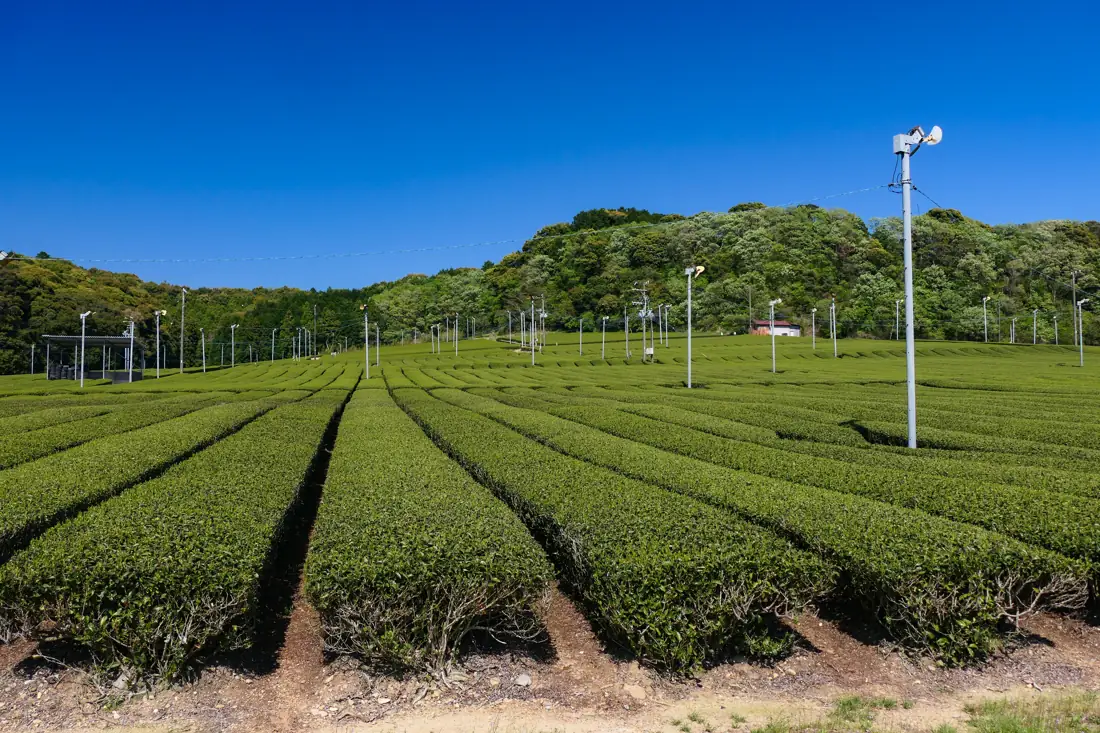
MAFF explains that tea is grown in one of two ways. In shaded growing, the plants are covered to block sunlight. This keeps the tea less bitter and richer in umami (savory taste). In open-air growing, used for sencha and hojicha, the taste is bitter but refreshing.
The reason, according to MAFF, is theanine. This is an amino acid that gives umami, and sunlight turns it into catechin, which is bitter. MAFF says shaded growing was developed in the 16th century, when tea ceremony became popular, to make a less bitter tea for tea masters such as Sen no Rikyu.
Sencha: The Everyday Tea
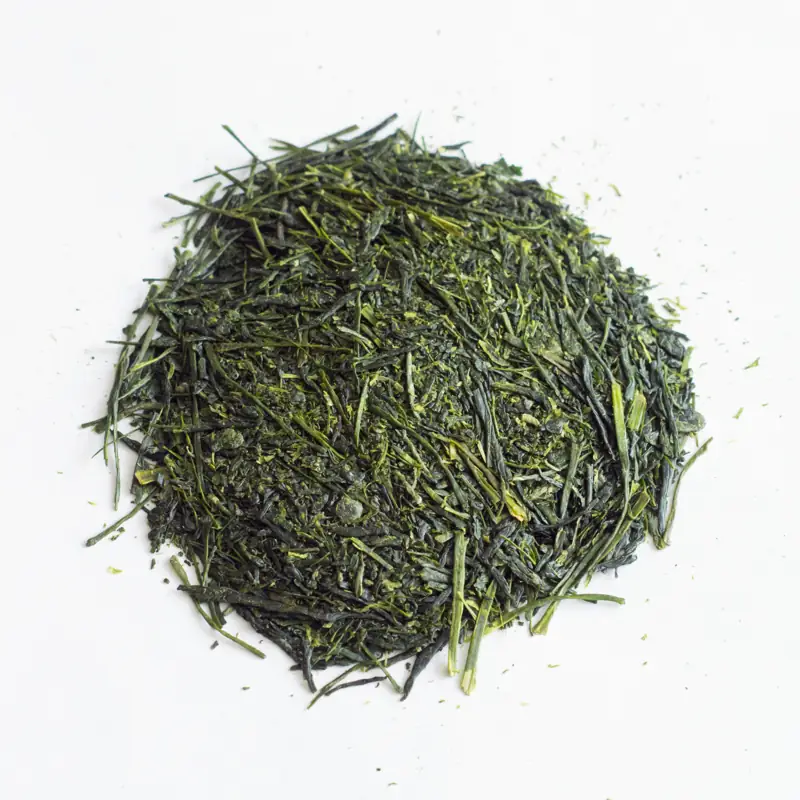
MAFF calls sencha a representative Japanese tea and says its method was set in the early 18th century. Fresh leaves are steamed, cooled, dried, rolled and shaped. The leaves are grown in the open, so the cup has a fresh, slightly bitter taste.
Gyokuro and Kabusecha: Shaded Teas
Gyokuro is made almost like sencha, but the young leaves are grown under a sun-shielding cover for more than 20 days. MAFF describes it as a soft, dark green, high-class tea that is brewed at a low temperature. Kabusecha is made the same way but shaded for fewer days. MAFF says it combines a gyokuro-like flavor with a sencha-like refreshing finish.
Matcha: Tea in Powder Form
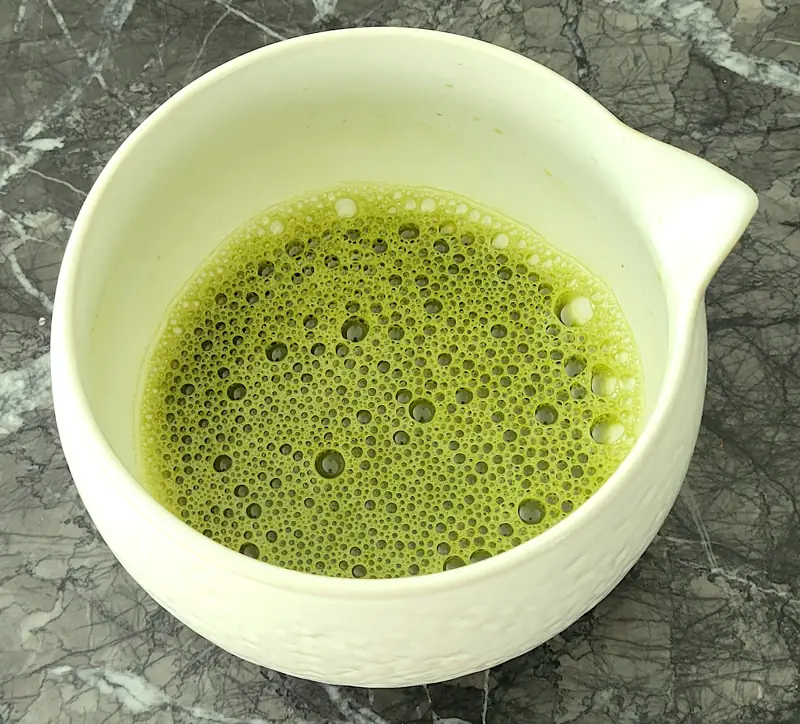
Matcha starts as tencha. Shade-grown buds are steamed and dried without rolling, the stems and veins are removed, and the leaves are ground into powder in a stone mortar. The powder is matcha. You mix it into hot water. MAFF credits the Zen priest Eisai with bringing the method of dissolving tea powder in hot water to Japan.
This is the tea used in the tea ceremony. If you want to try it the traditional way, see tea ceremony in Tokyo. For matcha in cafes and sweets shops, see cafes and sweets in Tokyo.
Hojicha and Genmaicha: Roasted and Rice Teas
- Hojicha: MAFF says it is made by roasting sencha or kawayanagi, a tea made from large buds.
- Genmaicha: roasted rice mixed with bancha, gyokuro or sencha, according to MAFF.
Both are named in the MAFF page on Uji tea, the tea of Kyoto. MAFF does not describe their taste, so we leave that out.
Where Japan’s Tea Comes From
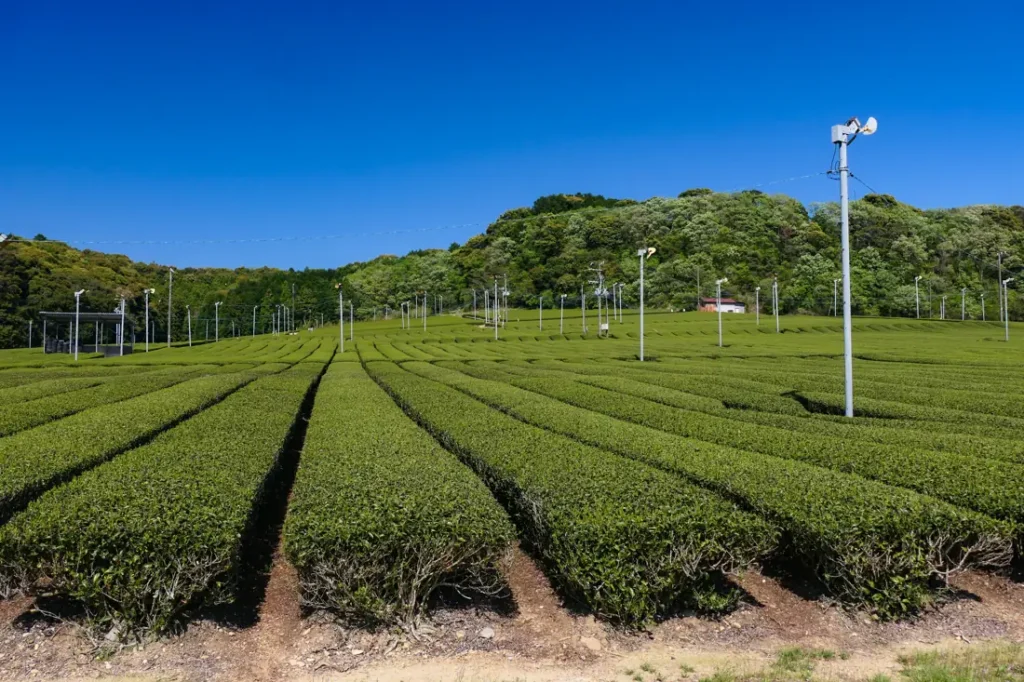
MAFF’s 2020 figures list Shizuoka (25,200 tons) and Kagoshima (23,900 tons) as the top green tea prefectures, followed by Mie and Miyazaki. Japan is the second-largest green tea producer in the world, after China. MAFF also names regional teas such as Sayama-cha, Shizuoka-cha, Uji-cha, Yame-cha and Kagoshima-cha.
How This Helps in Tokyo
- At a tea room or cafe, ask whether the tea is sencha, gyokuro or matcha. The three taste different.
- In a tea shop, check the name on the package against the list above.
- Tea ceremony places and museums with teahouses are covered in our tea ceremony guide, including Hama-rikyu Gardens.
- For tea ware and tea history, visit the Ebara Hatakeyama Museum or the Mitsui Memorial Museum.
- To pair tea with Japanese sweets, try the wagashi making class.
More Ideas in Tokyo
- Tea ceremony in Tokyo: where to try matcha the traditional way
- Cafes and sweets in Tokyo: matcha and Japanese sweets
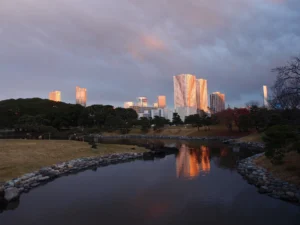
- Hama-rikyu Gardens: a teahouse by the pond
- Japanese culture guide: manners and customs
- Washoku explained: background on Japanese food
FAQ
What is the difference between sencha and matcha?
Sencha leaves are steamed, rolled and dried, then brewed. Matcha comes from shade-grown leaves that are steamed, dried and ground into powder, which you mix into hot water.
What is gyokuro?
It is a high-class green tea. MAFF says the young leaves are covered for more than 20 days before picking, and that it is brewed at a low temperature.
What is hojicha?
It is tea that has been roasted. MAFF says it is made by roasting sencha or kawayanagi.
What is genmaicha?
It is green tea mixed with roasted rice. MAFF says the base can be bancha, gyokuro or sencha.
Why is shaded tea less bitter?
MAFF says sunlight turns theanine, which gives umami, into bitter catechin. Covering the plants keeps the tea less bitter and richer in umami.
Where is most Japanese green tea grown?
MAFF lists Shizuoka and Kagoshima as the top two prefectures in 2020, followed by Mie and Miyazaki.
Where can I try matcha in Tokyo?
See our tea ceremony guide for places that serve it in the traditional way.
Keep reading

Sources
Facts come from the English pages of Japan’s Ministry of Agriculture, Forestry and Fisheries (MAFF), read on November 18, 2026. The pages do not give brewing times or temperatures, so we do not either.