Most of the words on a sake label are about two things: how much the rice was polished, and whether neutral spirits were added. This guide explains the eight official sake types (junmai, ginjo, daiginjo, honjozo and their variations) and the extra label words such as nigori, nama and genshu, using the Japan Sake and Shochu Makers Association (JSS). To taste sake near Tokyo, see our sake tasting guide.
Quick answer
Sake is made from rice, water and koji (rice mold). The eight official types are sorted by two things: the rice milling rate (how much of each grain is left after polishing) and whether a little neutral spirit called jozo alcohol is added. “Junmai” means no jozo alcohol. “Ginjo” and “daiginjo” mean the rice is polished to 60% or less and 50% or less. A lower number means more polishing.
In short: junmai = rice and koji only, ginjo = polished to 60% or less, daiginjo = polished to 50% or less, honjozo = polished to 70% or less with a little added spirit.
| Topic | Types of Japanese sake (nihonshu or seishu) |
| Eight official types | Junmai, tokubetsu junmai, junmai ginjo, junmai daiginjo, ginjo, daiginjo, honjozo, tokubetsu honjozo |
| Key differences | Rice milling rate, and whether jozo alcohol is added |
| Legal drinking age | 20 in Japan (JSS label guide) |
| Source | Japan Sake and Shochu Makers Association (JSS), English pages |
| Last checked | November 2026 (on November 18, 2026) |
- Sake in One Minute
- The Eight Official Sake Types
- Junmai: Rice and Koji Only
- Ginjo and Daiginjo: Polished Rice, Fruity Aroma
- Honjozo: A Little Added Spirit
- Other Words on the Label
- Reading Sweet or Dry on a Label
- How to Serve Each Type
- Where This Helps in Tokyo
- More Ideas in Tokyo
- FAQ
- Keep reading
- Related guides
- Sources
Sake in One Minute
JSS says sake is an alcoholic drink made from rice, water and koji. It is brewed, not distilled. The bottle label may say “seishu” or “nihonshu”, and both mean Japanese sake. You must be 20 or older to drink in Japan, and every label carries a warning about this.
The Eight Official Sake Types
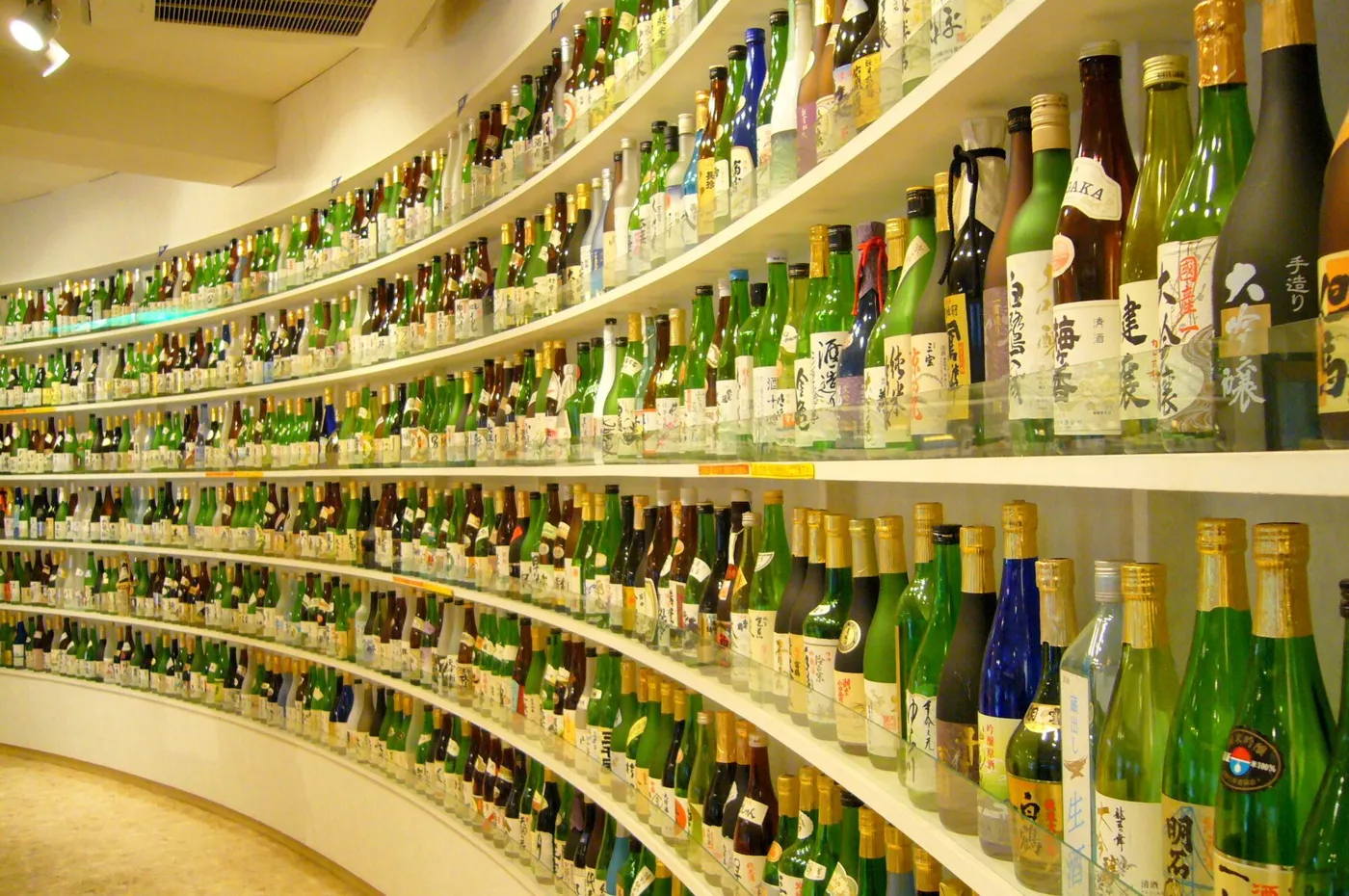
JSS calls these “specially designated sake”. Brewers may print one of the eight names on the label if the sake meets set rules. It is optional, so some sake does not show a type. All eight use rice and koji (at least 15% koji), and the non-junmai ones also use jozo alcohol.
| Type | Jozo alcohol added? | Rice milling rate | What JSS says |
|---|---|---|---|
| Junmai | No | Not set | Good flavor and appearance |
| Tokubetsu junmai | No | 60% or less, or specially processed | Excellent flavor and appearance |
| Junmai ginjo | No | 60% or less | Fruity flavor from low-temperature fermentation with special techniques |
| Junmai daiginjo | No | 50% or less | Fruity flavor from low-temperature fermentation with special techniques |
| Ginjo | Yes | 60% or less | Fruity flavor from low-temperature fermentation with special techniques |
| Daiginjo | Yes | 50% or less | Fruity flavor from low-temperature fermentation with special techniques |
| Honjozo | Yes | 70% or less | Good flavor and appearance |
| Tokubetsu honjozo | Yes | 60% or less, or specially processed | Excellent flavor and/or appearance |
“Specially processed” includes a special rice variety or a special brewing method, and JSS says this must be printed on the label. For the non-junmai types, the added jozo alcohol must be less than 10% of the polished rice by weight.
Junmai: Rice and Koji Only
Junmai sake contains only rice and koji. No jozo alcohol and no other additives are allowed. Junmai, tokubetsu junmai, junmai ginjo and junmai daiginjo all follow this rule. In JSS’s list of aromas, junmai is linked with cereal, chestnut, pear and lychee notes.
Ginjo and Daiginjo: Polished Rice, Fruity Aroma
Ginjo and daiginjo are made with rice polished to 60% or less and 50% or less. JSS explains the number like this: a 60% rate means 40% of each grain was polished away, and 60% of the original weight remains. JSS says highly polished rice tends to give a lighter, smoother sake, and that it can raise the price because more rice is needed. Less polished rice is generally richer in flavor.
JSS says ginjo usually has a fruity aroma, with melon, banana, apple and citrus among the notes it lists. The word “daiginjo” simply means a more polished ginjo type. If the label also says “junmai”, no jozo alcohol was added.
Honjozo: A Little Added Spirit
Honjozo is made from rice, koji and a small amount of jozo alcohol, with rice polished to 70% or less. Tokubetsu honjozo is polished to 60% or less or made with a special method. JSS lists both under the same jozo alcohol limit as ginjo and daiginjo.
Other Words on the Label
Besides the eight types, labels may carry words that describe how the sake was filtered, stored or finished. These are not the same as the eight types, and one bottle can have both.
| Word | Meaning (JSS) |
|---|---|
| Nigori | Cloudy sake. A coarse mesh is used when pressing, so the sake is white and often creamy. Usu-nigori is “slightly cloudy” |
| Namazake | Unpasteurized sake. JSS says most sake is pasteurized twice, once after pressing and once at bottling |
| Genshu | Undiluted sake, with a higher alcohol content because no water is added to adjust it |
| Shinshu | Freshly brewed sake from the current brewing season |
| Koshu | Aged sake, usually over a year old and aged on purpose |
| Kijoshu | Sweet sake made with a combination of water and previously brewed sake |
| Taruzake | Cask sake |
| Tezukuri | Handmade sake, made with traditional methods |
Reading Sweet or Dry on a Label
Some labels show the Sake Meter Value (nihonshu-do). JSS says a number below zero suggests a sweeter taste and a number above zero suggests a drier taste. It also notes that acidity and amino acids affect how a sake tastes, so the number is only a guide. Some labels also show acidity and amino acid content.
How to Serve Each Type
JSS lists three serving ranges: chilled (8 to 15°C), room temperature (15 to 25°C) and warmed (40 to 50°C). It says chilled sake tastes light and crisp with the fruity aroma intact, while warmed sake tastes fuller and the fruity aroma fades. JSS also gives two ways to warm sake: stand a sake vessel in hot water for about a minute, or microwave it for about 45 seconds to 1 minute and stir.
JSS does not say which type to serve at which temperature, so ask the staff or check the label when you order.
Where This Helps in Tokyo
- At a bar or izakaya (casual pub), ask for the type name, such as junmai or junmai ginjo, and ask whether it is served chilled or warm.
- In a shop, look for the type name on the label and the milling rate, if it is printed.
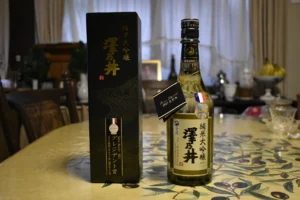
- To taste sake in a brewery, see our sake tasting guide, the Ome day trip and Sawanoi Brewery.
- To try sake with food in a class, read about the chanko nabe and sake tasting class.
- For table manners when drinking and eating out, see Japanese table manners.
More Ideas in Tokyo
- Sake tasting near Tokyo: breweries and tasting experiences
- Japanese tea types explained: another drink guide
- Washoku explained: background on Japanese food
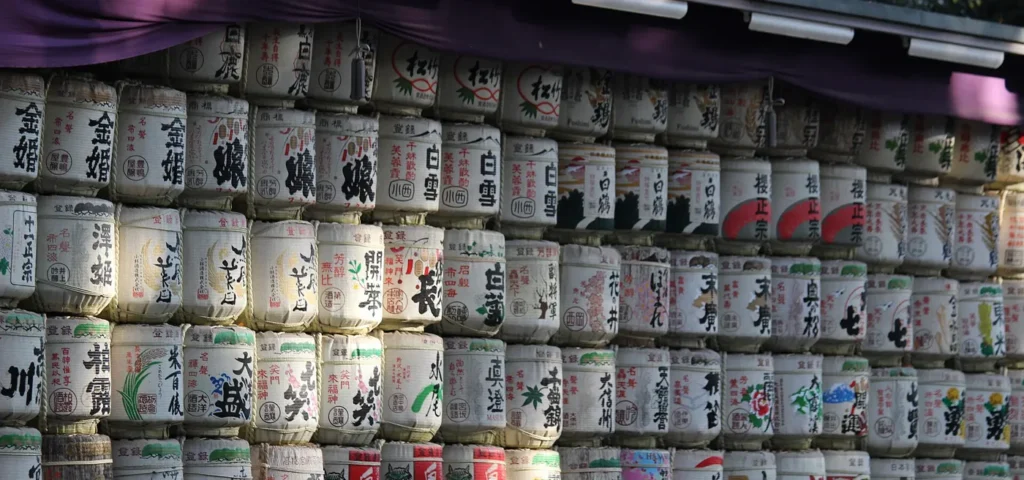
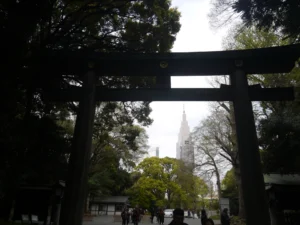
- Meiji Jingu: where the decorative sake barrels stand
- Japanese culture guide: manners and customs
FAQ
What is the difference between junmai and ginjo?
Junmai means only rice and koji are used. Ginjo means the rice is polished to 60% or less and a small amount of jozo alcohol is added. A junmai ginjo has both traits: no added spirit and rice polished to 60% or less.
What does daiginjo mean?
It is a type of sake made from rice polished to 50% or less. JSS says it has a fruity flavor from low-temperature fermentation. Junmai daiginjo has no jozo alcohol.
What is jozo alcohol?
JSS describes it as neutral spirits. Non-junmai types such as ginjo, daiginjo and honjozo use a small amount, less than 10% of the polished rice by weight.
What does nigori mean on a sake label?
Nigori means cloudy. JSS says a coarse mesh is used when pressing, which gives a white, often creamy sake.
What does nama or namazake mean?
It means unpasteurized sake. JSS says most sake is pasteurized twice, so namazake is not heated in that way.
Should sake be served cold or warm?
Both are common. JSS lists chilled as 8 to 15°C and warmed as 40 to 50°C, and says the taste changes with temperature.
How old do I have to be to drink sake in Japan?
JSS says the legal drinking age in Japan is 20, and labels carry a warning about it.
Where can I try sake in Tokyo?
See our sake tasting guide for breweries and experiences near Tokyo.
Keep reading
Related guides
Sources
Facts come from the English pages of the Japan Sake and Shochu Makers Association (JSS), read on November 18, 2026. The pages do not name specific brands or prices, so we do not either.