Toshikoshi soba (年越しそば) means “year-crossing buckwheat noodles.” Many people in Japan eat a bowl on December 31, the last day of the year. This guide explains why, how people eat it, and how a visitor can join in Tokyo.
Quick answer
Toshikoshi soba is soba eaten on New Year’s Eve (Omisoka, December 31). Japan’s agriculture ministry (MAFF) says the custom spread among ordinary people in the Edo period. There is no fixed time to eat it, but it should be finished before the year changes.
The usual reasons are a long life (the noodles are long and thin), cutting off the year’s troubles (soba breaks easily) and good health. Many restaurants and shops close from about December 29 to January 3, so plan ahead and check before you go.
| What | Soba noodles eaten on New Year’s Eve (Omisoka) |
| Date | December 31 (a Thursday in 2026) |
| When to eat | No fixed time. Finish before the year changes (MAFF) |
| Said to mean | Long life, cutting off the year’s troubles, good health |
| Closures | Many sites, restaurants and shops are closed from about December 29 to January 3 (JNTO) |
| Last checked | November 2026 (on November 17, 2026) |
What Is Toshikoshi Soba?
It is a New Year’s Eve meal. According to a MAFF page, soba was originally one of the celebratory dishes of New Year’s Eve, and the custom is said to have spread among ordinary people in the Edo period. The same page says that more than 60% of Japanese households eat soba on that day.
The custom has other names, depending on the region. MAFF lists Omisoka soba, toshitori soba, jumyo soba and shian soba. Stories about where it began differ, and we do not give one founding year or place because the sources we use do not.
Why Soba? What the Noodles Mean
There is no single reason. MAFF gives several meanings. Each one is a tradition, not a proven fact.
| Idea | What it means | Why soba |
|---|---|---|
| Long life | A long life and a family that grows stronger | Soba is long and thin |
| Cutting off hardship | Leaving the year’s troubles and bad luck behind | Soba breaks more easily than other noodles |
| Good health | Wishing for a year without illness | Buckwheat is said to stand up to wind and rain |
How People Eat It
When to eat
MAFF says there is no correct time. Some people eat it for dinner. Others eat it just before midnight. The point is to finish before the year changes. Some regions eat soba on New Year’s Day instead.
What goes in the bowl
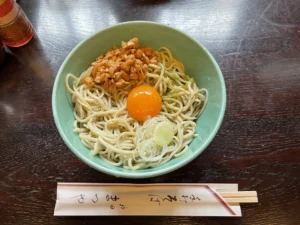
The base is soba in a hot or cold broth, with toppings. The JNTO page mentions shrimp and herring as toppings that differ by region. A MAFF page also says that broth differs: in the Kanto region (which includes Tokyo) it is usually made with bonito flakes and dark soy sauce, and in the Kansai region it is usually made with kelp and bonito flakes and light soy sauce.
Regional differences
- Aizu (Fukushima): a local saying lists soba on New Year’s Day, mochi on January 2 and grated yam (tororo) on January 3.
- Niigata: some areas eat soba on New Year’s Day, and some eat it on the 14th, the day before Koshogatsu (the Small New Year, January 15).
- Kyoto: nishin soba uses herring. MAFF says herring reached Kyoto in the Meiji era by ship from Hokkaido.
- Niigata’s hegi soba uses funori seaweed to bind the noodles.
Want to try different kinds of soba in Tokyo at another time of year? See best soba and udon in Tokyo.
Eating Toshikoshi Soba in Tokyo as a Visitor
New Year’s Eve is a quiet, family-centered day. The JNTO page says that many visitor sites, restaurants and shops are closed from about December 29 to January 3. This means a normal soba shop may be shut on December 31. Check the shop’s official page or sign first.
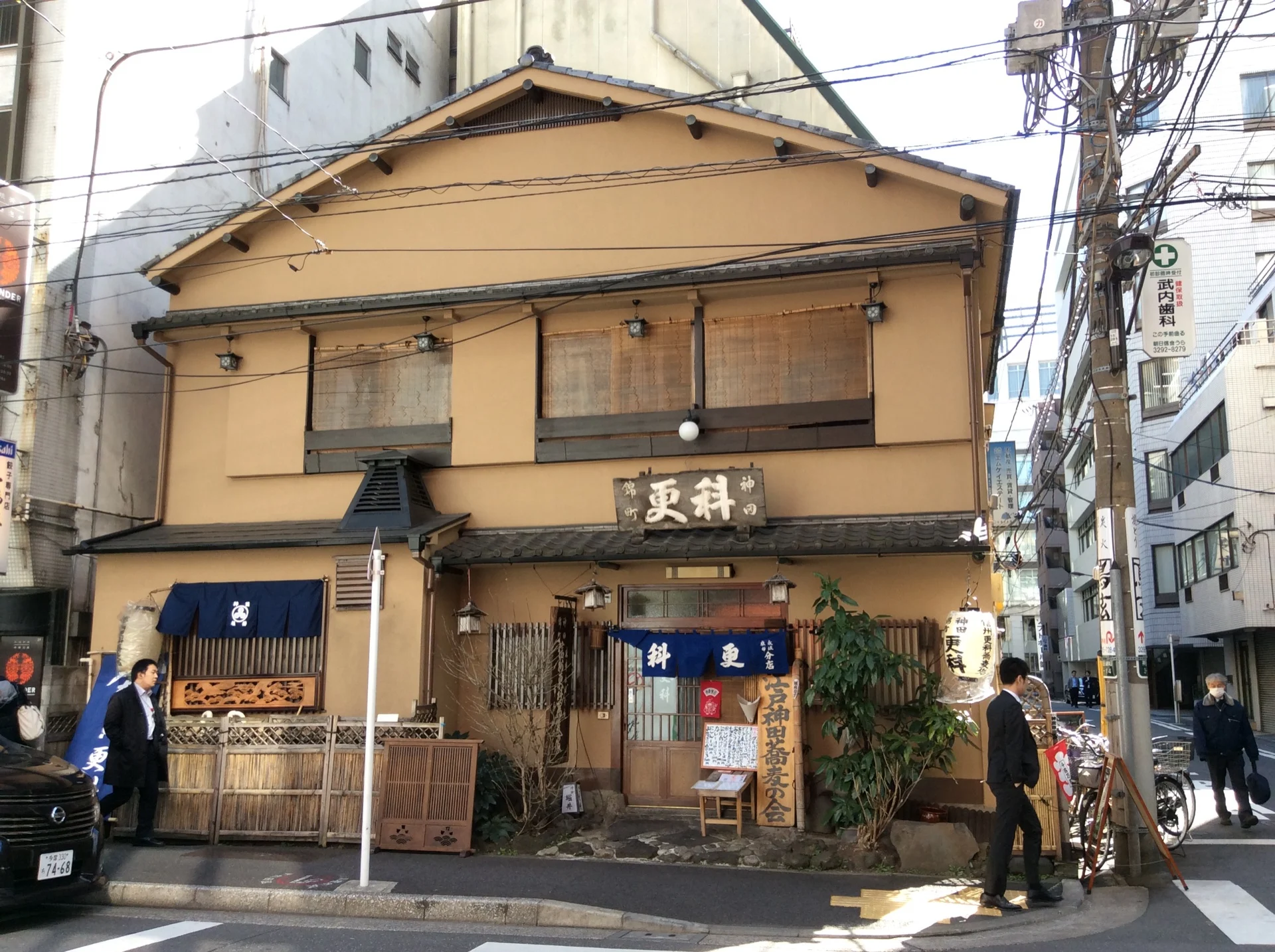
An example: Kanda Yabusoba
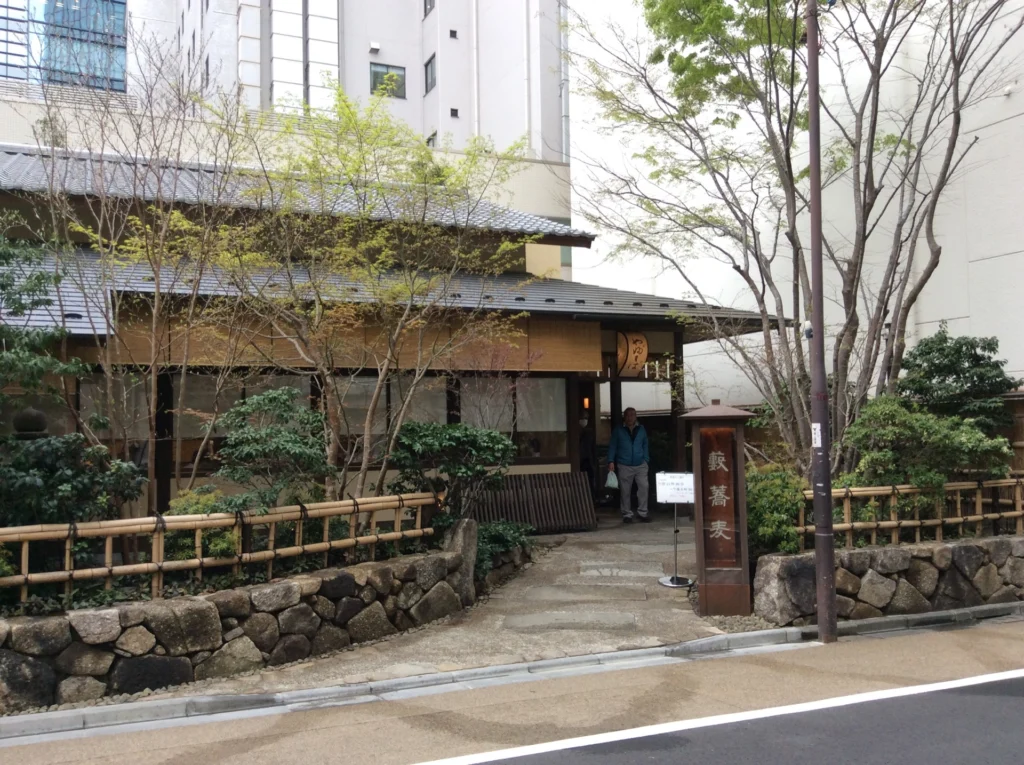
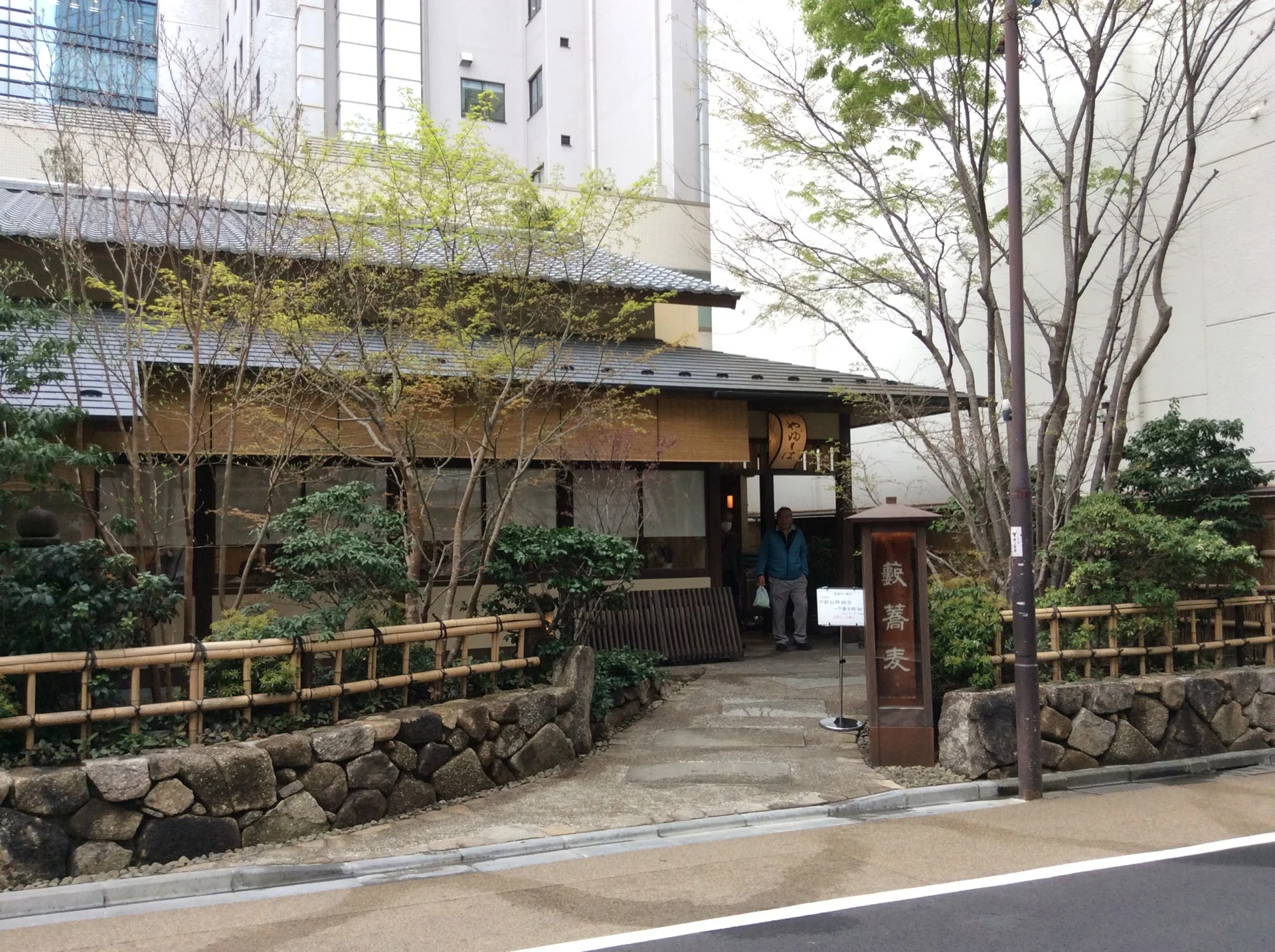
Kanda Yabusoba in Chiyoda (2-10 Kanda Awajicho) has a page for year-end soba. It says the shop sells toshikoshi soba and a tempura topping (shrimp kakiage) only on December 31. Reservations are accepted until 20:00 on December 30. On December 31, a special takeout counter sells from 9:00 to 18:00. After 18:00, pickup is inside the shop. Same-day sales are limited, so the shop recommends reserving.
The page we read does not show a year, so we cannot say it applies to December 31, 2026. Check the shop’s official page before you go. Our Kanda Yabusoba page has the shop’s regular details. We could not confirm other shops’ 2026 New Year’s Eve hours, so we do not list them.
If no shop is open
- Ask your hotel or guesthouse whether a nearby shop is open, and book early if reservations are possible.
- Eat a bowl of soba earlier in December or on January 1 or 2. It is a gentle way to join in, and the custom itself is flexible.
- Make soba yourself or try a class: see soba making experience in Tokyo.
A Simple New Year’s Eve Plan
- Daytime: shop for food early. Many shops close for the New Year holiday. See Japanese New Year customs for osechi and other New Year foods.
- Evening: eat soba, at a restaurant that is open, at a place you booked or from a takeout counter.
- Around midnight: visit a temple for the bells. The JNTO page says many people go to a temple after the noodles for the joya no kane, when the bell is rung 108 times. See Joya no Kane in Tokyo.
- New Year’s Day: first shrine visit and more. See New Year’s Eve and New Year in Tokyo and Japanese New Year decorations.
For more on the season, see Tokyo in December and washoku (Japanese food culture).
Planning the whole night? See New Year’s Eve in Tokyo for how soba fits with the temple bells, countdowns and late trains.
FAQ
What is toshikoshi soba?
Soba noodles eaten in Japan on New Year’s Eve, December 31. The name means roughly noodles that carry you across the year.
Why do Japanese people eat soba on New Year’s Eve?
MAFF gives several meanings: a long life (soba is long and thin), cutting off the year’s troubles (soba breaks easily) and good health. These are traditions, and stories about the origin differ.
When should I eat toshikoshi soba?
There is no fixed time. MAFF says you can eat it at dinner or just before midnight, but you should finish before the year changes.
Is it a problem if I eat soba after midnight?
The usual advice from MAFF is to finish before the year changes. Some regions also eat soba on New Year’s Day, so the custom is flexible.
Are soba restaurants open on December 31 in Tokyo?
Some are and some are not. The JNTO page says many restaurants and shops are closed from about December 29 to January 3. Check each shop’s official page.
Is toshikoshi soba the same everywhere in Japan?
No. Toppings and broth differ by region. MAFF says Kanto broth uses bonito flakes and dark soy sauce, and Kansai broth uses kelp and bonito flakes and light soy sauce.
Keep reading
Sources
Facts come from the official pages below (Last checked: November 17, 2026). Hours and dates can change, so please check before you go.