In Japan, it is best not to eat while walking. Official tourism and market pages ask visitors to eat at the shop or in a space set aside for eating, because food on the move gets in the way of other people. This guide explains where it matters most and what to do instead.
Quick answer
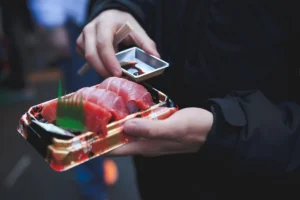
Buy your snack, then stop and eat it next to the stall, inside the shop, or in a space made for eating. Do not walk through a busy street with food in your hand.
Kanagawa Prefecture’s official tourism site lists “Don’t eat while walking” first among its sightseeing manners. We did not find one Tokyo-wide rule, so follow the signs at each shop and street.
Overview
| Common word | tabearuki (食べ歩き): walking around while eating street food |
| Official advice | Do not eat while walking. Eat at the shop or in an eating space |
| Most important in | Narrow or crowded streets and markets |
| Why | Food can stain other people’s clothes and blocks the way |
| Also do | Put trash in proper bins and do not litter |
| Fine or penalty | Not stated in the Kamakura ordinance text we read |
| Last checked | November 2026 (on November 16, 2026) |
What Official Pages Say
Visit Kanagawa is the official tourism site of Kanagawa Prefecture, next to Tokyo. Its “Sightseeing Manners” page puts “Don’t eat while walking” at the top of the list. It adds two practical points:
- At festivals and events with food stalls, be careful not to block sidewalks and pathways.
- Throw away the garbage you make in the proper trash cans. Do not litter on sidewalks.
The same page also asks visitors to be quiet in public places and on public transportation, to follow the queue when waiting in line, and to smoke only in designated smoking areas.
Where It Matters Most
Tsukiji Outer Market, Tokyo
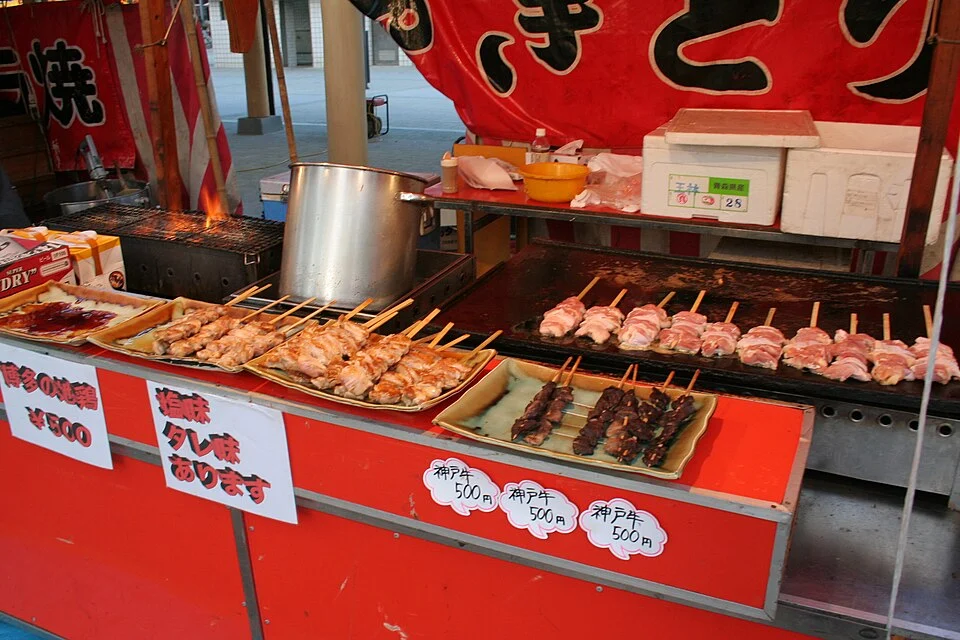
The official Tsukiji Outer Market page lists eight manners tips. One says: stay inside the eatery or in front of the store when eating. In its words, wandering around while eating can bother passersby, so please eat inside the eatery or in a space designated for eating. Other tips ask you to smoke only in designated areas, to move in small groups, and to ask the shopkeeper before taking photos of a shop. See our Tsukiji Outer Market guide for hours and food ideas.
Kamakura, Kanagawa
Kamakura City has a public-place manners ordinance (Ordinance No. 31). It took effect on April 1, 2019. Its list of nuisance acts includes eating or drinking while walking in a narrow or crowded place, where it could stain other people’s clothes. The text asks residents and visitors to “make an effort” to avoid these acts. The ordinance text we read does not state a fine. Our Komachi-dori guide covers the busy shopping street, and our Kamakura guide covers the area.
Shopping streets and festivals
Many food streets have their own signs. For example, some shops on Nakamise-dori ask you to eat at the shop. At a festival, follow the advice from Kanagawa: keep the sidewalks and paths clear. Our matsuri festival guide explains what to expect.
What to Do Instead
- Eat beside the stall. Take a few steps to the side of the counter, away from the walkway, and finish your food there. The Tsukiji page asks for this: eat inside the eatery or in front of the store.
- Look for an eating space. Some markets and malls set aside a place for eating. Ask the staff where it is.
- Pick food that is easy to eat in a few bites. Our tip: sticky or dripping food is the hardest to finish in one spot.
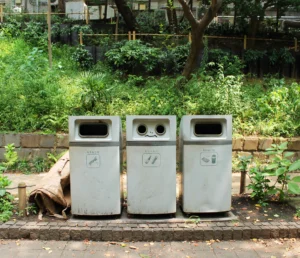
- Keep the trash with you. Ask the shop whether it has a bin. If not, carry the trash until you find one. See trash in Tokyo.
- Buy a drink and a snack at a convenience store. You can eat them at a table or bench. See convenience stores in Tokyo.
For eating out in general, see how to eat out in Tokyo and Japanese table manners and chopsticks. For public behavior, see train manners in Tokyo and the Japanese culture guide.
What We Could Not Confirm
- A Tokyo-wide rule. We did not find one in the pages we read. Rules and requests are set by each place.
- Fines. The Kamakura ordinance text we read does not state one. We did not check other cities.
- Festivals, convenience stores and individual shops. We did not find official rules for them. Follow the signs and staff.
- The date of the Kanagawa page. The page shows no update date, so check the site if you need the latest advice.
FAQ
Is it rude to eat while walking in Japan?
Official pages ask visitors not to. Kanagawa Prefecture lists “Don’t eat while walking” as a sightseeing manner, and the Tsukiji Outer Market asks you to eat inside the eatery or in an eating space.
Is eating while walking illegal in Japan?
We did not find a national or Tokyo-wide law. Kamakura City lists it as a nuisance in narrow or crowded places and asks people to make an effort to avoid it. The ordinance text we read states no fine.
Can I eat while walking at Tsukiji Outer Market?
The market asks you not to. Eat inside the eatery or in a space designated for eating.
What if I buy street food at a festival?
Kanagawa advises being careful not to block sidewalks and pathways at events with food stalls. Move aside to eat, and follow any signs.
What does tabearuki mean?
It is a Japanese word for walking around while eating street food.
Where can I put my trash?
Kanagawa asks you to use the proper trash cans and not to litter. If there is no bin, ask the shop, or carry your trash until you find one.
Keep reading

Sources
The facts about eating while walking come from the official pages below. Last checked: November 2026 (on November 16, 2026). Rules and requests can change, so please follow the signs and staff.
- Visit Kanagawa: Sightseeing Manners (official, English)
- Tsukiji Outer Market: Eight tips on manners at Tsukiji (official, English)
- Kamakura City: Ordinance on improving manners in public places, Ordinance No. 31 (official, Japanese)
- Kamakura City: Outline of the draft manners ordinance (official, Japanese)