Researched guide · Last checked: Nov 16, 2026
Kameido and Sunamachi are quiet old-town areas in Koto City, east of central Tokyo. They have a flower shrine, a sweets shop founded in 1805, local gyoza and a long shopping street full of snacks. The Koto City Tourism Association calls this part of the city the Joto area. This guide shows what to see and how to link the stops in half a day.
Quick answer
Start at Kameido Tenjin Shrine, then eat kuzumochi nearby and walk the Sunamachi Ginza shopping street. The shrine is about 15 minutes on foot from Kameido Station or Kinshicho Station. Sunamachi Ginza is a separate trip: it is not close to a station, so use a bus or check a map app.
Bring cash. Wisteria blooms in mid to late April. Shop hours and bus times change, so check before you go.
Overview
| Where | Kameido and Kitasuna, in the Joto (east) part of Koto City, Tokyo |
| Main stations | Kameido Station (JR Sobu Line, Tobu Kameido Line) and Kinshicho Station (JR Sobu Line, Tokyo Metro Hanzomon Line) |
| Time needed | About half a day for the shrine, one sweets stop and the shopping street. Our suggestion, not an official figure |
| Good for | Seasonal flowers, Japanese sweets, cheap street snacks, everyday old Tokyo |
| Source | Koto City Tourism Association (official, English) |
| Last checked | November 2026 (on November 16, 2026) |
Kameido Tenjin Shrine
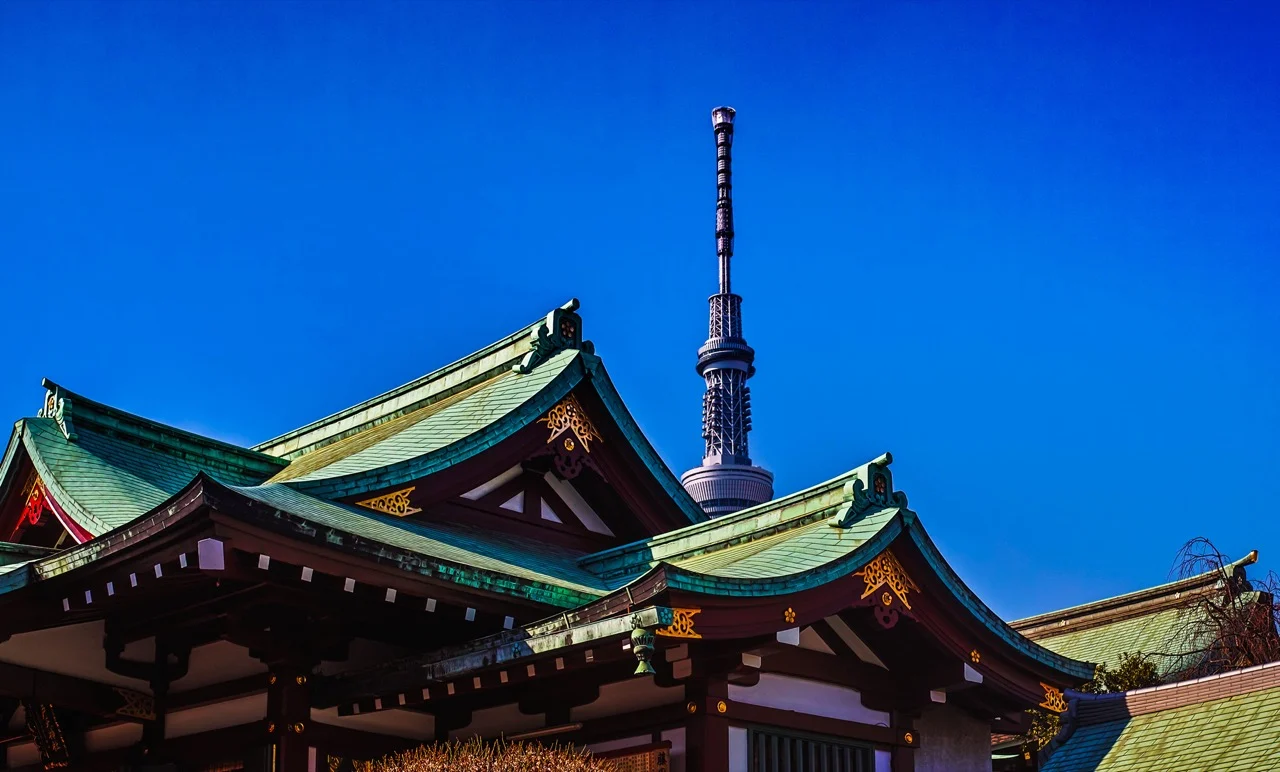
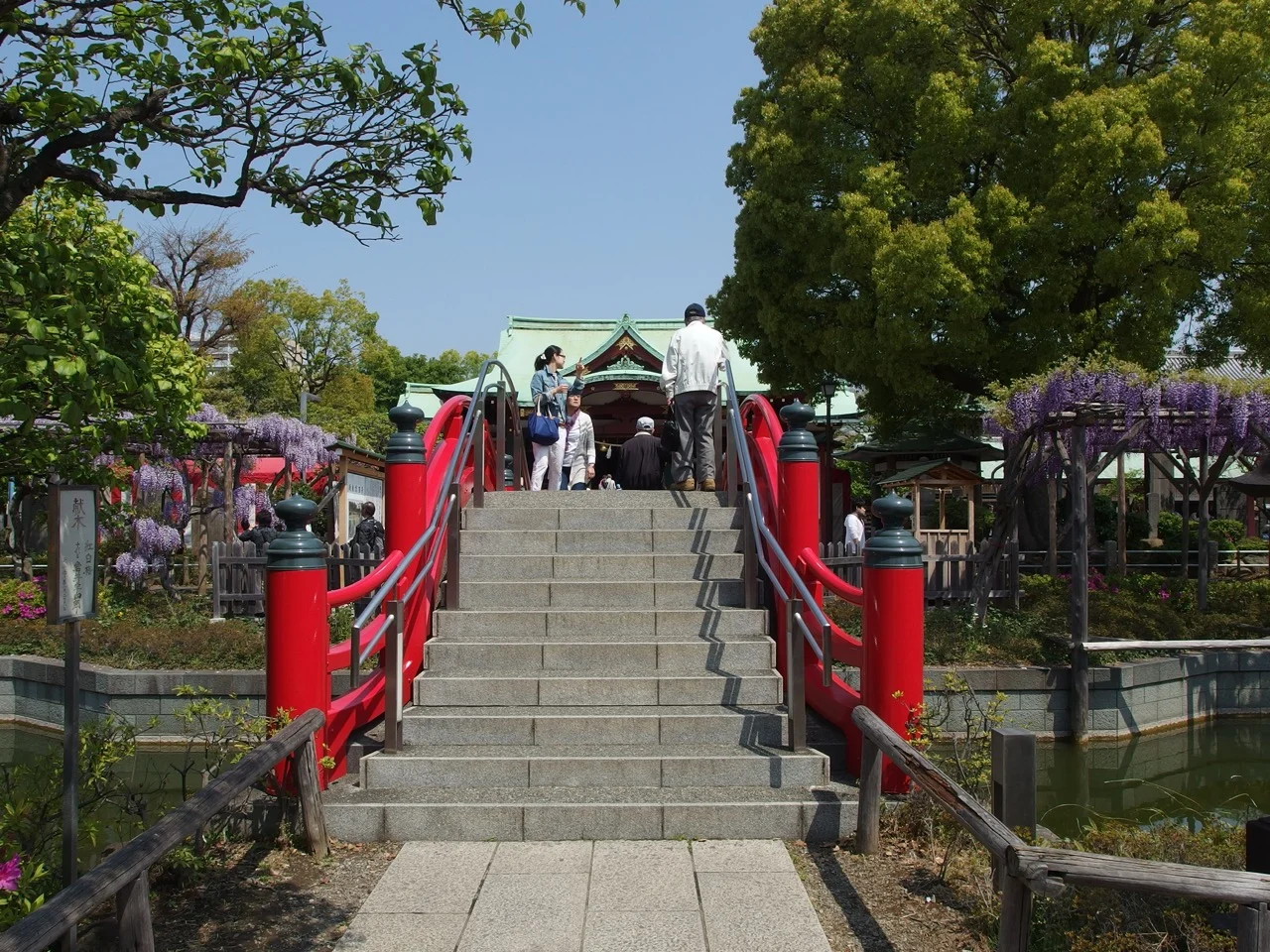
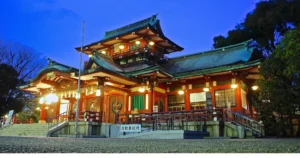
This shrine is dedicated to Sugawara no Michizane, a scholar who is now honored as the god of learning. The Koto guide says the grounds have shrine buildings, a pond, arched bridges, a statue of an ox and nearly 100 stone monuments. The shrine says it takes about 20 minutes to walk around the grounds. For the full visit, see our Kameido Tenjin Shrine page.
- Hours. The shrine says the main hall gates are open 6:00 to 17:00, and you can enter the grounds 24 hours a day.
- Getting there. The shrine lists about 15 minutes on foot from the north exit of Kameido Station (JR Sobu Line) or the north exit of Kinshicho Station (JR Sobu Line and Hanzomon Line).
- Flower seasons. Plum Festival: early February to early March. Wisteria Festival: mid to late April. Chrysanthemum Festival: late October to mid-November (October 25 to November 22 in 2026). The Koto guide says peak times are rough and change with the weather.
- Wisteria. The shrine has more than 50 wisteria plants. The grounds are lit up at night during the festival. See our Kameido Tenjin Wisteria Festival page.
Kuzumochi and Local Food
Kameido is known for cheap, tasty local food. The Koto guide names gyoza full of vegetables and chewy char-grilled offal (organ meat). It also says long lines are common at the popular places. We could not find shop names in the official English pages, so check a map app for current choices.
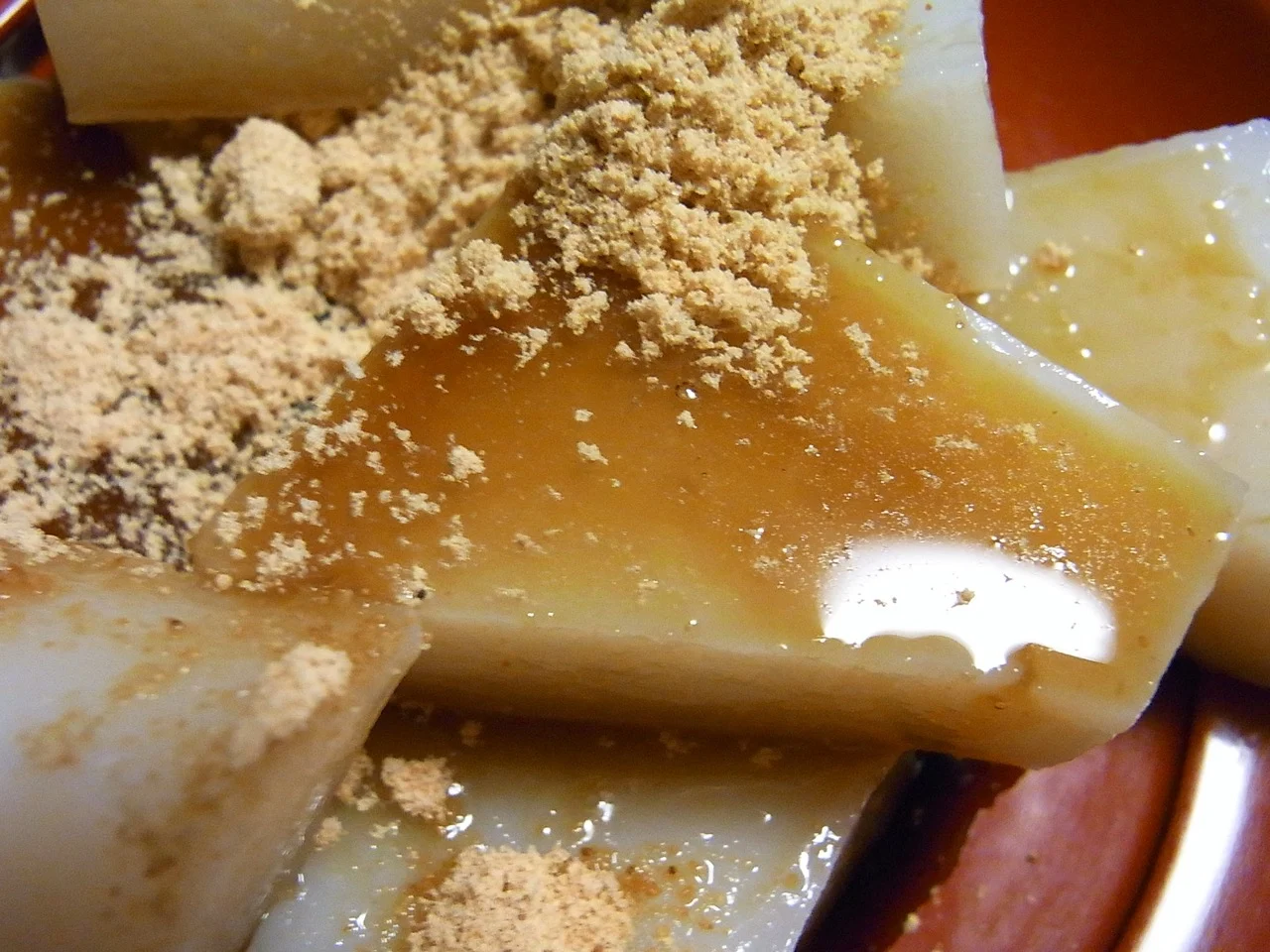
- Funabashiya. A sweets shop next to the shrine, founded in 1805. The Koto guide lists kuzumochi (a steamed wheat-starch sweet with soybean powder and brown sugar syrup) at 790 yen and anmitsu at 800 yen to eat in. Both are also sold to take away. It is about 10 minutes on foot from the north exit of Kameido Station. See our Funabashiya page.
- More places. Our Kameido and Kinshicho restaurant list shows what we have checked so far.
Sunamachi Ginza Shopping Street
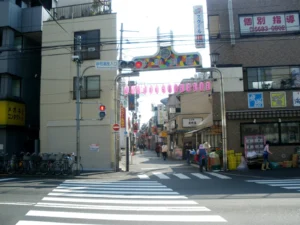
This lively shopping street is in Kitasuna. GO TOKYO says it is 670 meters long and full of family-run shops. The Koto guide counts about 180 shops, from clothes to food. A special market is held on the 10th of each month, with many items on sale (Koto guide). For more, see our Sunamachi Ginza page.
- What to eat. GO TOKYO names hot oden (a simmered hotpot of fish cakes and vegetables) and chicken skewers. It says most snacks cost around 100 yen.
- Hours and payment. GO TOKYO lists 10:00 to 19:00 and cash. Each shop sets its own hours, so check before you go.
- Getting there. GO TOKYO says it is some distance from Nishi-ojima Station (Toei Shinjuku Line). The Koto guide lists the Kitasuna 2-chome stop on Toei Bus No. 07. We could not confirm where to board, so check a route app.
Sarue Onshi Park
This large metropolitan park is in Koto City, about 2 minutes on foot from Sumiyoshi Station (Toei Shinjuku Line and Hanzomon Line, Exit A3), according to the park’s official site (Japanese). It is also about 15 minutes on foot from the south exit of Kinshicho Station. It is a calm stop between busy sights.
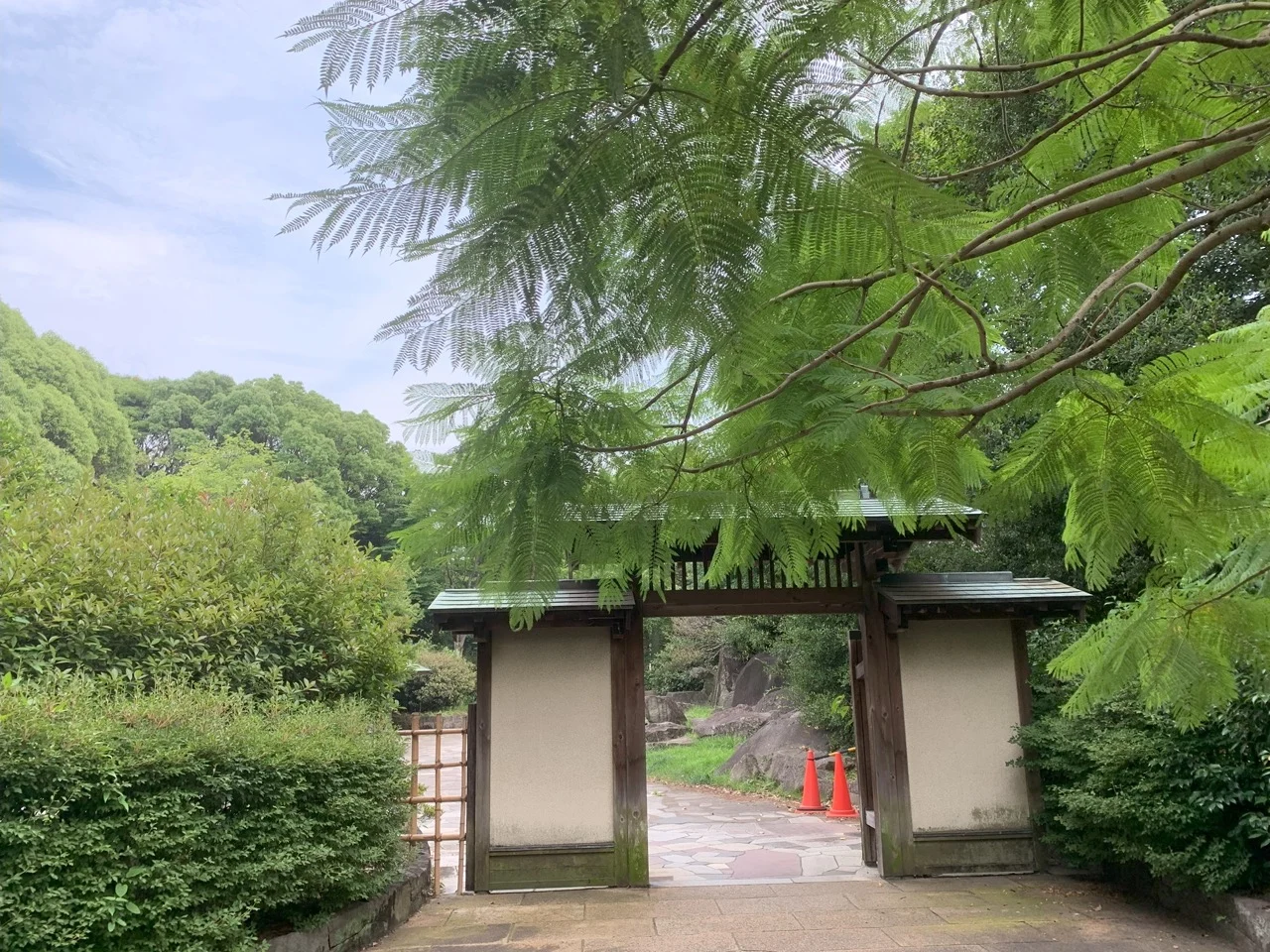
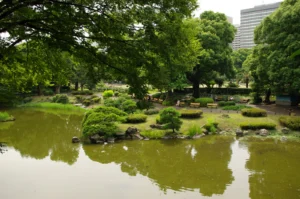
- South Garden. A calm Japanese garden with a pond and a waterfall, and baseball fields.
- North Garden. Wide lawns, a playground and tennis courts. A 300-meter water stream has a play section and a viewing section.
- Old timber yard. The park keeps a small re-creation of the shogunate timber yard pond, called Mini Kigura. The pond has water lilies from early summer to autumn.
- Service center. Open 8:30 to 17:30 and closed December 29 to January 3.
For more facts, see our Sarue Onshi Park page.
Edo Kiriko Showroom in Ojima
The Koto guide lists the Edo Kiriko Cooperative Association showroom in Ojima, about 3 minutes on foot from Exit A2 of Nishi-ojima Station (Toei Shinjuku Line). Edo kiriko is hand-cut glass with deep patterns, and a lot of it is made in Koto City. The showroom is closed on Mondays (Tuesday if Monday is a holiday). Nishi-ojima is also the station GO TOKYO names for Sunamachi Ginza. For classes, see our Edo kiriko experience guide.
A Half-Day Plan
This is our suggested plan, not an official route. Start in the morning, because the shrine and the shops are best before the afternoon crowds.
| Time | Stop |
|---|---|
| Morning | Kameido Tenjin Shrine (about 15 minutes from Kameido or Kinshicho Station) |
| Late morning | Kuzumochi at Funabashiya, or a local gyoza lunch (long lines are common) |
| Afternoon | Move to Sunamachi Ginza by bus or map route, then walk the street and try snacks |
| Late afternoon | Nishi-ojima Station for the Edo Kiriko showroom (not on Mondays), or Sarue Onshi Park near Sumiyoshi Station |
For a day with more sights, combine this with Fukagawa, Kiyosumi-Shirakawa or Tokyo Skytree and Oshiage. Our train guide and Suica guide help with the trips. If you want a hotel near Kinshicho, see hotels in Oshiage and Kinshicho.
Seasons and Events
- January. The Koto guide lists the Usokae ritual at Kameido Tenjin Shrine, where visitors buy wooden amulets carved like the uso bird.
- February. Plum Festival at the shrine, and a setsubun (bean-throwing) festival.
- April. Wisteria Festival. The shrine says its parking lot gets very crowded during the flower festivals, so use public transport.
- Late October to November. Chrysanthemum Festival at the shrine.
Tips Before You Go
- Bring cash. GO TOKYO lists cash for Sunamachi Ginza.
- Plan for lines. The Koto guide says popular Kameido restaurants often have long lines.
- Go in two parts. The shrine and Sunamachi Ginza are in different spots. Use a route app to link them.
- Be respectful at the shrine. Follow the signs for praying and behavior, as the Koto guide asks.
Also nearby: Kinshicho Guide: Kinshi Park, Oyokogawa Shinsui Park and Olinas
FAQ
Where are Kameido and Sunamachi?
Both are in Koto City, east of central Tokyo. The Koto City Tourism Association groups this side of the city as the Joto area. Kameido Tenjin Shrine is near Kameido and Kinshicho Stations.
How far is Kameido Tenjin Shrine from the station?
The shrine says it is about 15 minutes on foot from the north exit of Kameido Station (JR Sobu Line), or from the north exit of Kinshicho Station (JR Sobu Line and Hanzomon Line).
When does the wisteria bloom?
The shrine lists mid to late April, with more than 50 wisteria plants. Bloom times change every year with the weather, so check the shrine’s news page.
Can I walk from the shrine to Sunamachi Ginza?
We could not confirm a walking route in the official pages. GO TOKYO says the street is some distance from Nishi-ojima Station, and the Koto guide lists a Toei bus stop. Check a route app before you go.
Do shops in Sunamachi Ginza take cards?
GO TOKYO lists cash as the payment method, so bring cash. Hours differ by shop.
REIROH Japanese Classical Music runs a beginner shakuhachi (bamboo flute) lesson at its Kameido classroom. See our shakuhachi lesson guide.
Keep reading
Related guides

Sources
The facts come from the official pages below, and the Tokyo notes from our own pages. Last checked: November 2026 (on November 16, 2026). Hours, prices and bus times change, so please check before you go.
- Koto City Tourism Association: KOTO CITY Travel Guide, Kameido Tenjin and local food (official, English)
- Koto City Tourism Association: KOTO CITY Travel Guide, Sunamachi Ginza and Funabashiya (official, English)
- Koto City Tourism Association: KOTO CITY Travel Guide, Ojima Edo Kiriko showroom (official, English)
- Koto City Tourism Association: KOTO CITY Travel Guide, seasonal events (official, English)
- GO TOKYO: Sunamachi Ginza Shopping District (official, English)
- GO TOKYO: Kameido Tenjin Shrine Wisteria Festival (official, English)
- Kameido Tenjin Shrine: visiting information (official, Japanese)
- Kameido Tenjin Shrine: access (official, Japanese)
- Sarue Onshi Park, Tokyo East Parks (official, Japanese)