Researched guide · Last checked: Nov 15, 2026
Kudanshita is the station at the north edge of the Imperial Palace grounds in Chiyoda City. From here you can walk to Kitanomaru Park, Nippon Budokan, Yasukuni Shrine, the Chidorigafuchi moat and the Showa-kan museum. This guide shows how the pieces fit together and links to a full page for each place.
Quick answer
Top things to do: walk in free Kitanomaru Park, see Nippon Budokan, visit Yasukuni Shrine, rent a boat on the Chidorigafuchi moat in season, and learn about everyday life in wartime Japan at Showa-kan.
Allow half a day. Kudanshita Station (Tokyo Metro Tozai and Hanzomon Lines, Toei Shinjuku Line) is the easiest start. Most museums and the boat pier are closed on Mondays.
Overview
| Getting there | Kudanshita Station (Tokyo Metro Tozai Line, Hanzomon Line; Toei Shinjuku Line) |
| Time needed | Half a day for the park, one or two sights and a museum. A full day if you add the Imperial Palace East Gardens |
| Best time | Daytime. In cherry blossom season the Chidorigafuchi moat is a main attraction (boat prices are higher then) |
| Good for | History, cherry blossoms, parks and quiet walks, museums |
| Costs | Kitanomaru Park and the grounds of Yasukuni Shrine are free. Yushukan museum adults 1,000 yen. Showa-kan permanent exhibition adults 400 yen. Chidorigafuchi boats from 1,000 yen per boat for 30 minutes |
| Last checked | November 2026 (on November 15, 2026) |
What the Area Is Like
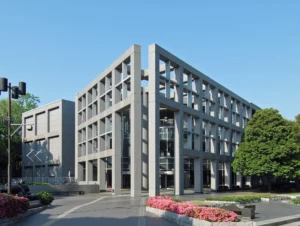
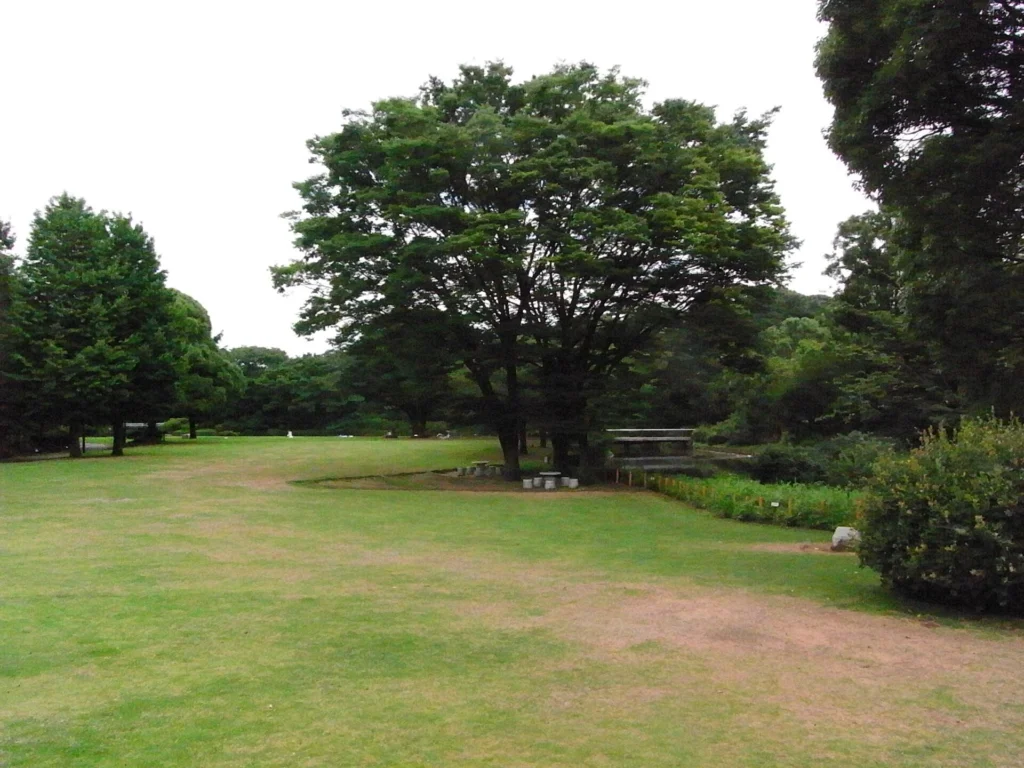
Kitanomaru was the northern enclosure of Edo Castle. Today it is a park managed by the Ministry of the Environment, and several large institutions stand in and around it. Our park page lists Nippon Budokan, the Science Museum, the National Museum of Modern Art, the National Archives and Showa-kan. The moat and the shrine sit just outside the park to the east and north.
Best Things to Do
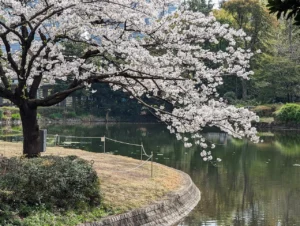
Kitanomaru Park
The ministry says the park is open at all times and has no closing days, although it may be closed to the public for national events. It is free to enter. The park’s lights are turned off late at night, and the ministry asks visitors not to use it from about 22:00 until sunrise. The rest facility is open from 9:00 to 17:00.
The park opened to the public in 1969. Two original gates of Edo Castle remain, Tayasumon (1636) and Shimizumon (rebuilt 1658), and both are Important Cultural Properties. Full details: Kitanomaru Park guide.
Nippon Budokan
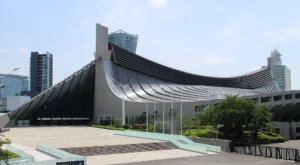
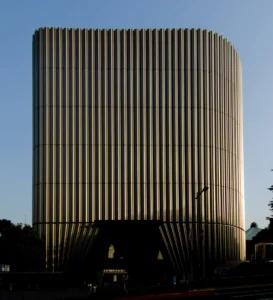
Nippon Budokan stands in Kitanomaru Park, about 5 minutes on foot from Kudanshita Station. It was finished on October 3, 1964. It is the central body for promoting budo (Japanese martial arts), and it hosts tournaments, demonstrations and large events such as concerts. The official site says there is no parking, so use public transport.
You cannot go inside during concerts or exhibitions. The official site says some budo tournaments, mainly on Saturdays and Sundays, are free to watch. The yearly schedule is in Japanese only, so check it before you go. The official site does not mention tours.
Yasukuni Shrine
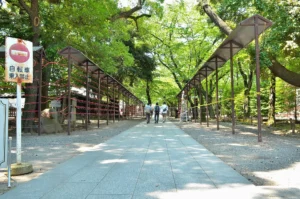
Yasukuni Shrine is a Shinto shrine a short walk from Kudanshita Station Exit 1. The shrine asks visitors to treat its grounds as a solemn place of worship. The grounds are free. The gates are open 6:00 to 18:00 (6:00 to 17:00 in January, February, November and December). The Yushukan museum in the grounds is open 9:00 to 16:30 and charges admission (adults 1,000 yen).
Full details: Yasukuni Shrine guide. Please read shrine and temple etiquette before you go.
Chidorigafuchi moat and boats
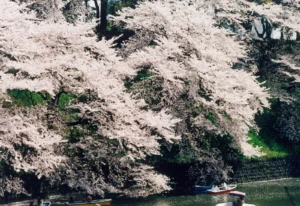
Chidorigafuchi is a moat of the old castle, with a greenway of about 700 m along it and a boat pier run by Chiyoda City. The pier is open 10:00 to 17:00. It is closed every Monday (the next weekday if Monday is a holiday) and for the whole winter, from December to February.
Boats are priced per boat: 1,000 yen for 30 minutes and 2,000 yen for 60 minutes. In cherry blossom season the prices are 1,500 yen and 3,000 yen (since March 1, 2026). A rowboat takes up to 3 people. Cycle boats and swan boats take up to 3 adults, or 2 adults and up to 2 children whose ages add up to 12 or less. The city page does not say where to buy tickets, so check at the pier.
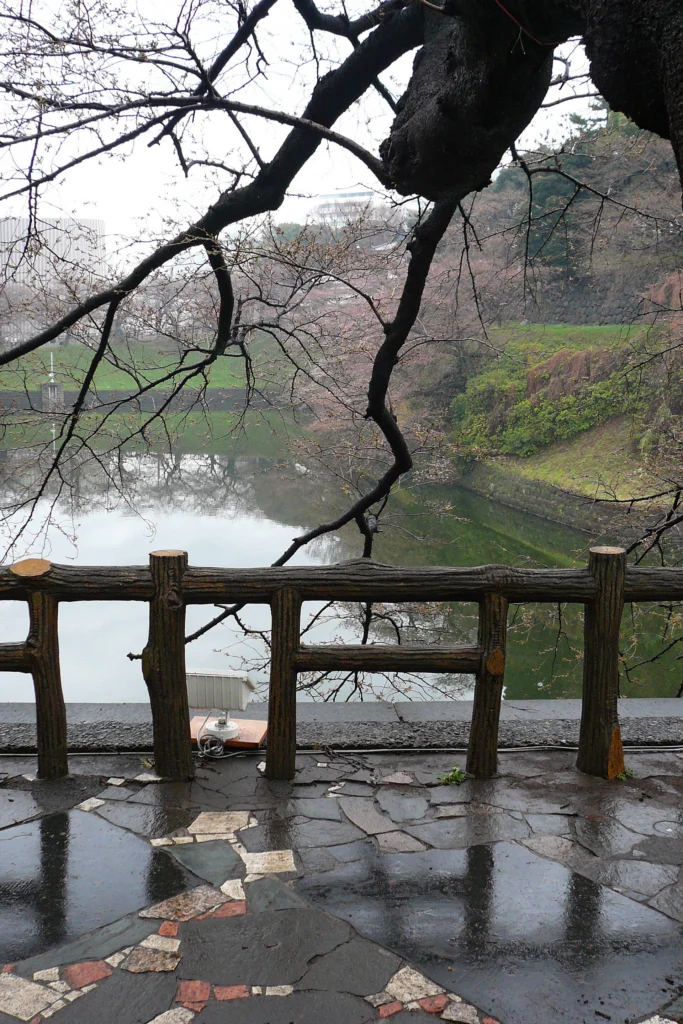
Full details: Chidorigafuchi guide and cherry blossoms in Tokyo.
Showa-kan
Showa-kan is a national museum about everyday life in Japan during the war and the years after. It is open 10:00 to 17:30 (last entry 17:00) and closed on Mondays (the next day if Monday is a holiday) and from December 28 to January 4. The permanent exhibition on the 6th and 7th floors costs 400 yen for adults. The other floors are free. It is about 1 minute on foot from Exit 4 of Kudanshita Station.
Full details: Showa-kan guide. For more museums, see museums in Tokyo.
Food
We have not verified individual restaurants here, so we do not list any. The area is mostly offices, parks and museums. For other places to eat, see Kanda and Jimbocho guide and Kagurazaka guide, both a short ride away.
Where to Stay
We have not verified hotels in Kudanshita itself. Many visitors stay near Tokyo Station and come by train. See Best hotels near Tokyo Station and Ginza.
Getting There
- To the area: Kudanshita Station (Tokyo Metro Tozai and Hanzomon Lines, Toei Shinjuku Line).
- To Yasukuni Shrine: Exit 1 of Kudanshita Station.
- To Kitanomaru Park and Nippon Budokan: Exit 2 of Kudanshita Station, about 5 minutes on foot. From Takebashi Station (Exit 1a or 1b) it is about 8 minutes on foot.
- To Showa-kan: Exit 4 of Kudanshita Station, about 1 minute on foot.
New to Tokyo trains? See Trains in Tokyo and How to use Suica.
Suggested Half-Day Route
We do not have official walking times between the stops, so allow extra time and use a map app. Check the closing days first, because Monday is a closing day for Showa-kan and the boat pier.
- StartKudanshita Station
- Walk to Kitanomaru Park
- 1Kitanomaru Park and the outside of Nippon Budokan
- Walk to Chidorigafuchi (boats are closed December to February)
- 2Chidorigafuchi moat and greenway
- Return toward Kudanshita
- 3Showa-kan (or Yasukuni Shrine and the Yushukan)
- FinishKudanshita Station
Find these places on our Tokyo map.
Combine Kudanshita with Nearby Areas
- The Imperial Palace: see Imperial Palace East Gardens and Kokyo Gaien.
- Kanda and Jimbocho: see our Kanda and Jimbocho guide.
- Kagurazaka: see our Kagurazaka guide.
- Tokyo Station: see our Tokyo Station guide.
Travel Tips
- Most museums and the Chidorigafuchi boat pier are closed on Mondays. Check each place before you go.
- Yasukuni Shrine is a place of worship. Keep your voice low and follow the shrine’s rules.
- Nippon Budokan has no visitor entry during concerts, so check the event schedule first.
- The Chidorigafuchi boat pier is closed from December to February.
- Looking for more free sights? See Free things to do in Tokyo and parks and gardens in Tokyo.
Also nearby: Hibiya and Yurakucho Guide: Hibiya Park, the Glass Forum and the Palace Plaza
Also nearby: Nagatacho Guide: The Diet Building Tour, Hie Shrine and a Half-Day Plan
FAQ
What is there to see around Kudanshita?
Kitanomaru Park, Nippon Budokan, Yasukuni Shrine, the Chidorigafuchi moat and Showa-kan are all within a short walk of Kudanshita Station. Allow half a day for a few of them.
Is Kitanomaru Park free?
Yes. The Ministry of the Environment says it is free and open at all times, but it may close for national events and the lights are turned off late at night.
Can I go inside Nippon Budokan?
Not during concerts or exhibitions. The official site says some budo tournaments, mainly on weekends, are free to watch, and the schedule is published in Japanese.
When can I take a boat at Chidorigafuchi?
The pier is open 10:00 to 17:00 and closed on Mondays and from December to February. Boats cost 1,000 yen for 30 minutes per boat, or 1,500 yen in cherry blossom season.
Which exit do I use at Kudanshita Station?
Exit 1 for Yasukuni Shrine, Exit 2 for Kitanomaru Park and Nippon Budokan, and Exit 4 for Showa-kan.
Is Showa-kan worth a visit?
It is a state-run museum about everyday life during and after the war, with a permanent exhibition on the 6th and 7th floors. Adults pay 400 yen, and the other floors are free.
Related guides
Sources
This guide is based on the official information below, not on our own visit. Last checked: November 2026 (on November 15, 2026). Hours, prices and events change, so please check before you go.
- Ministry of the Environment: Kitanomaru Park guide (official, Japanese)
- Ministry of the Environment: History of Kitanomaru Park (official, Japanese)
- Ministry of the Environment: History of Kitanomaru Park, continued (official, Japanese)
- Foundation for the National Gardens: Access to Kitanomaru Park (official, Japanese)
- Nippon Budokan: Guide (official, English)
- Yasukuni Shrine: Information for visitors (official, English)
- Chiyoda City: Chidorigafuchi boat pier (official, Japanese)
- Showa-kan: Visitor information (official, Japanese)