Researched guide · Last checked: Nov 15, 2026
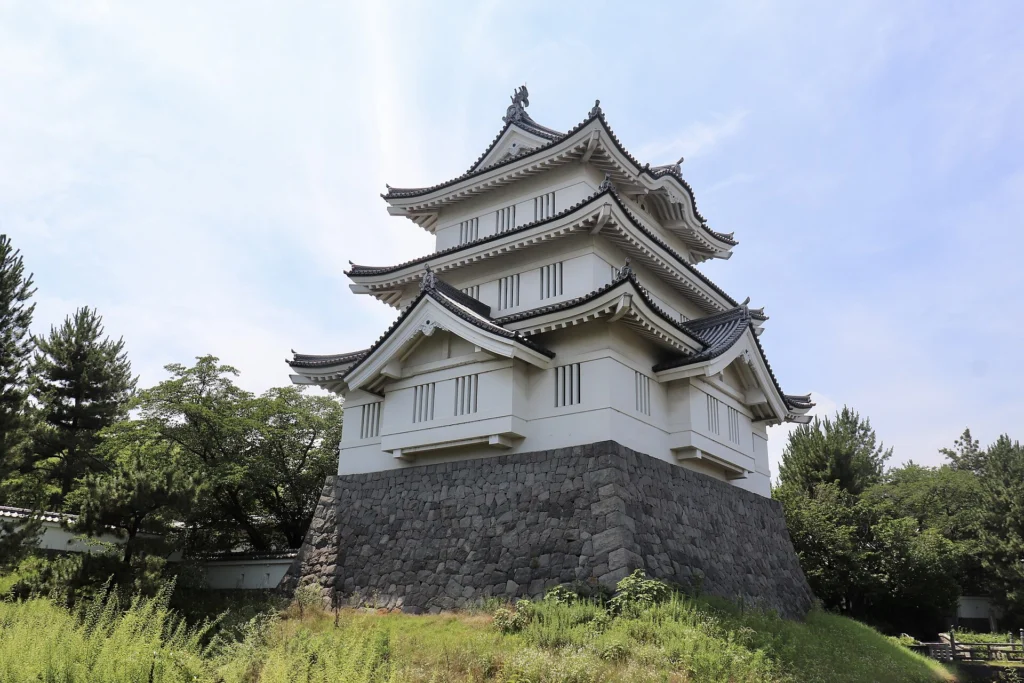
Oshi Castle (Oshi-jo) stood in Gyoda, in northern Saitama. It was built in the late 15th century. At the end of the Sengoku (Warring States) period, it held out against a water siege by Ishida Mitsunari’s army, so it is known as the “floating castle”. The castle was taken down in the Meiji period. Today the main castle area is a free park with a rebuilt three-story tower (Gosangai Yagura) and the Gyoda City Folk Museum. Inside the tower, you can see exhibits and the city from the top floor.
Quick answer
A castle site with a rebuilt three-story tower and the city’s history museum.
Hours: Park: open all day. Museum: 9:00 to 16:30 (last entry 16:00). Admission: Park free. Museum: adults 200 yen; university and high school students 100 yen; junior high and elementary school students 50 yen. Closed: Museum: Mondays (open on national holidays), the day after a national holiday (open on Saturdays and Sundays), the 4th Friday of each month (open during special exhibitions), the New Year holidays and other days.
Quick facts
| What it is | A castle site with a rebuilt three-story tower and the city’s history museum |
| Hours | Park: open all day. Museum: 9:00 to 16:30 (last entry 16:00) |
| Admission | Park free. Museum: adults 200 yen; university and high school students 100 yen; junior high and elementary school students 50 yen |
| Closed | Museum: Mondays (open on national holidays), the day after a national holiday (open on Saturdays and Sundays), the 4th Friday of each month (open during special exhibitions), the New Year holidays and other days |
| Address | 17-23 Honmaru, Gyoda, Saitama |
| Nearest station | Gyodashi Station (Chichibu Railway), about 15 minutes on foot |
| From Tokyo | JR Takasaki Line to Gyoda Station, then the city loop bus (West course) about 23 minutes to the Oshijoshi Kyodo Hakubutsukan-mae stop |
| Last checked | November 2026 |
What to see
- Gosangai Yagura (three-story tower): the old tower was torn down when the castle was taken apart in the Meiji period. It was rebuilt in 1988, in a different place, when the museum opened. You enter it from inside the museum.
- Tower exhibits: the 2nd floor shows the Edo-period castle and its town. The 3rd floor shows how Gyoda changed into a modern city. The 4th floor is a lookout with windows on all four sides.
- Gyoda City Folk Museum: it stands on the site of the castle’s main area (honmaru) and its exhibits cover the history and culture of Gyoda.
- The castle park: the grounds around the tower are open all day and are free to walk.
The floating castle
- Built in the 1400s: the castle was built early in the Bunmei era (1469 to 1486). It is counted as one of the seven famous castles of the Kanto region.
- The siege: at the end of the Sengoku period, when Toyotomi Hideyoshi’s forces took the Kanto region, Ishida Mitsunari’s army tried to flood the castle. It held out, and people began to call it the “floating castle” (uki-shiro).
Before you go
- Stairs only: inside the tower, you can only move between floors by stairs.
- Photos: some exhibits and areas do not allow photos, and you cannot take videos in the exhibition rooms. Follow the signs.
- Food and drink: eating and drinking are not allowed inside the museum, and you cannot bring in fresh flowers, wet umbrellas or pets (except assistance dogs).
- Paying: you can pay the entry fee by credit card, QR code payment or IC cards such as Suica and PASMO. Museum shop goods are cash only.
- Closed days: check the yearly opening calendar on the city website before you go.
Getting there from Tokyo
- JR Gyoda Station: take the JR Takasaki Line to Gyoda Station. From the east exit, take the city loop bus. The West course takes about 23 minutes to the Oshijoshi Kyodo Hakubutsukan-mae stop. The Tourism course takes about 31 minutes to the Oshijo Bus Terminal, then walk about 5 minutes.
- JR Fukiage Station: from the north exit, take an Asahi bus that goes via Maeya and get off at the Oshijo stop, right next to the castle.
- Chichibu Railway: from Gyodashi Station, walk about 15 minutes. Leave by the south exit, go straight, and turn right onto Prefectural Road 128.
In the same city, Sakitama Kofun Park has large ancient burial mounds. For an Edo-period town, try Kawagoe. See more museums in Tokyo or more day trips from Tokyo.
FAQ
Is Oshi Castle free?
The castle park is free and open all day. The museum and the tower cost 200 yen for adults, 100 yen for university and high school students and 50 yen for junior high and elementary school students.
Can I go inside the Oshi Castle tower?
Yes. The rebuilt three-story tower is part of the Gyoda City Folk Museum. You enter it from the museum, and the top floor is a lookout.
Why is Oshi Castle called the floating castle?
At the end of the Sengoku period, Ishida Mitsunari’s army tried to flood the castle, but it held out. After that, people called it the floating castle.
When is the museum closed?
Mondays (except national holidays), the day after a national holiday (except weekends), the 4th Friday of each month unless there is a special exhibition, and the New Year holidays.
How do I get to Oshi Castle from Tokyo?
Take the JR Takasaki Line to Gyoda Station, then the city loop bus (West course) for about 23 minutes. Or walk about 15 minutes from Gyodashi Station on the Chichibu Railway.
Keep reading
Sources
Facts come from the Gyoda City Folk Museum pages on the official Gyoda city website and the Gyoda Omotenashi Tourism Bureau, the city’s tourism organization. They are based on official sources, not our own visit. Closed days, hours and bus routes can change, so check before you go. Last checked: November 2026 (on November 15, 2026).
- Gyoda City Folk Museum (official): Opening days and hours (Japanese)
- Gyoda City Folk Museum (official): Admission (Japanese)
- Gyoda City Folk Museum (official): Gosangai Yagura tower (Japanese)
- Gyoda City Folk Museum (official): Access (Japanese)
- Gyoda Omotenashi Tourism Bureau (official): Oshi Castle site (Japanese)
Comments
[…] Oshi Castle: The Floating Castle and Gyoda City Museum, Saitama (Access from Tokyo) […]