Researched guide · Last checked: Nov 17, 2026
A hanabi taikai is a fireworks festival, a big public show held on a set date. The Sumida River Fireworks Festival in Tokyo is one of the best known, and its official site gives a clear picture of how these shows work. This guide uses that site to explain the history, the types of fireworks, how people watch and the rules.
Quick answer
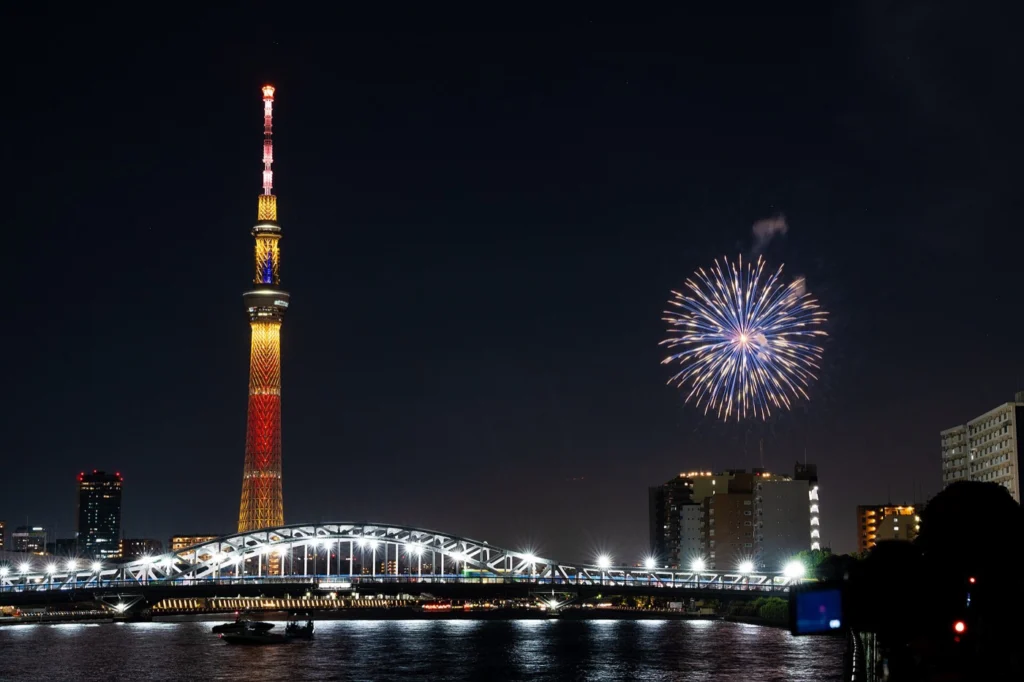
A hanabi taikai is a fireworks festival. In Tokyo, the Sumida River show is the classic one: its official site traces it to 1733 in Edo, and the 2026 show was held on July 25 from 19:00 to 20:30. There is no riverbank seating, so most people watch while walking on bridges and roads near the two launch sites.
There are no designated viewing spots except paid citizen sponsor seats bought in advance. Reserving a spot with tape or chalk is banned, and the show is cancelled in severe weather, with no backup day. We found no 2027 date on the official site, so check it before you plan.
| What it is | A hanabi taikai: a large public fireworks festival |
| Tokyo example | Sumida River Fireworks Festival (49th edition held on July 25, 2026) |
| 2026 times | 19:00 to 20:30 (first site starts at 19:00, second site at 19:30) |
| Next date | Not found on the official site as of November 17, 2026. Check before you go |
| Cost to watch | Free to watch from public bridges and roads. Seats are sold only as paid citizen sponsor seats |
| Best for | Summer visitors who want a classic Japanese event and can handle crowds |
| Last checked | November 2026 (on November 17, 2026) |
What a Hanabi Taikai Is
Hanabi means fireworks, and taikai means a large organized event. A hanabi taikai is a scheduled show that is run by a committee and held on a set date. Our matsuri guide explains the wider festival culture, and our Obon guide covers another summer season in Japan.
Because every show has its own date, hours and rules, you should read each organizer’s page. We list the Tokyo shows we have checked at the end of this page.
Where Sumida River Fireworks Began
The official site says the oldest recorded fireworks of this kind were at Ryogoku in Edo (old Tokyo). In 1732, a great famine and an epidemic caused heavy losses. To pray for the victims and for an end to the disease, the shogun Yoshimune held a water-god ceremony. In 1733, restaurants around Ryogoku Bridge were given official permission to launch fireworks. The official site says this is the origin of the “Ryogoku kawabiraki” (river opening).
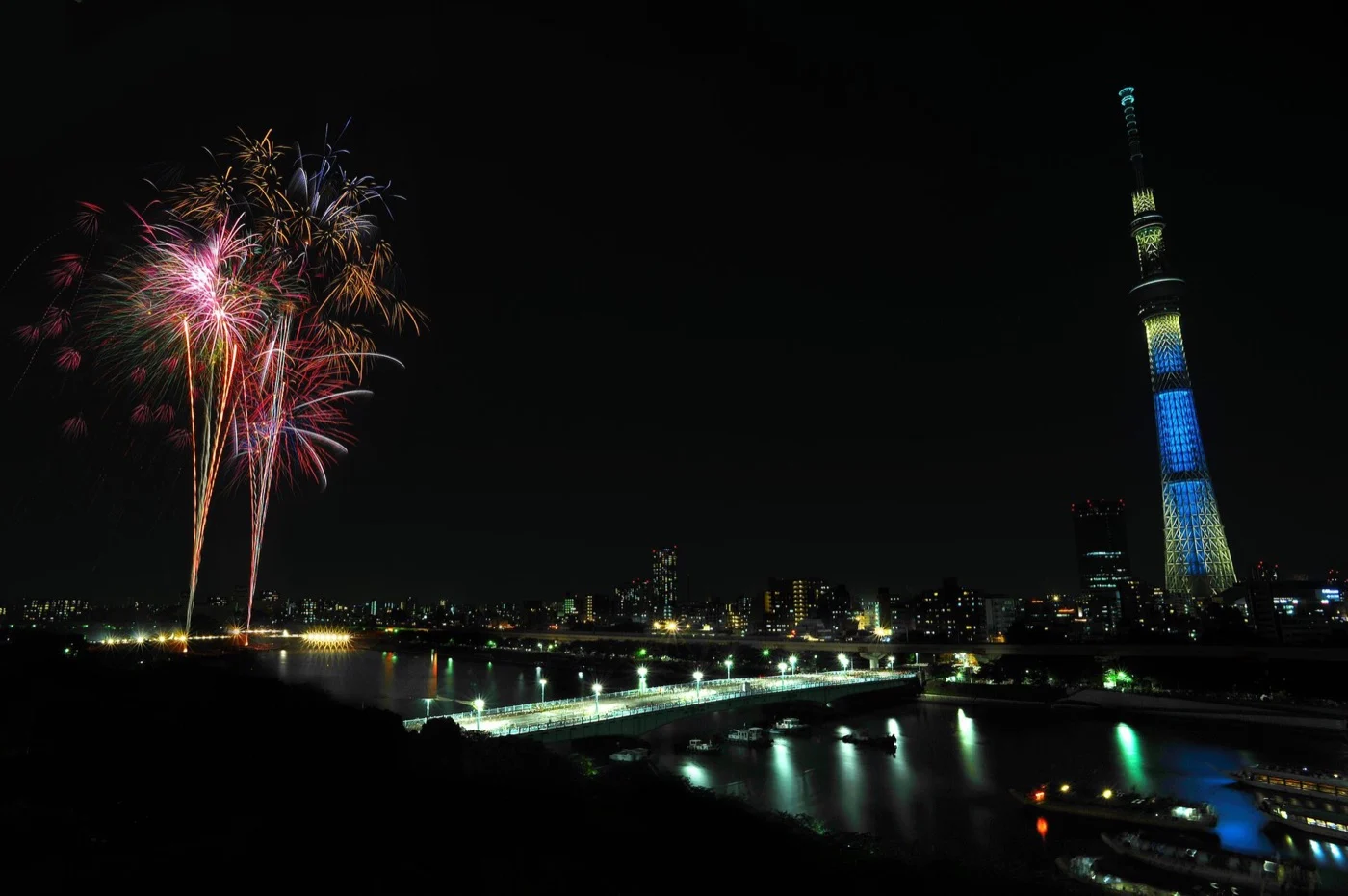
- The show was held upstream of Ryogoku Bridge until 1961. The official site says it could not continue after that because of worsening traffic.
- In 1978 it came back under the name “Sumida River Fireworks Festival” (Sumidagawa Hanabi Taikai), on the river between city buildings. The launch sites moved farther upstream and became two, so more people could see the show.
- The name has only been used since 1978. Before that, it was called Ryogoku no Kawabiraki.
What You See: Types of Fireworks
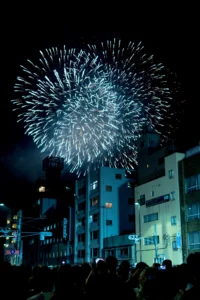
The official FAQ says fireworks fall into two main types. The first is warimono, shells that open into a round shape like a chrysanthemum. The second is pokamono, shells that split in two in the sky and release stars. The site says that the large round chrysanthemum-style warimono of Japan is called the most refined firework in the world.
| Item | What the official site says |
|---|---|
| Number of shells | About 10,000 at each of the two sites, about 20,000 in total |
| Height | About 200 m at the first site and about 120 m at the second |
| Largest shell | Size 5 (shell diameter about 15 cm) |
| Fireworks competition | Ten makers: seven with ties to Ryogoku fireworks and three that won awards at other Japanese shows |
How People Watch (There Is No Riverbank)
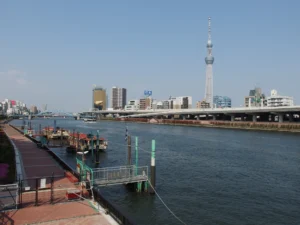
The Sumida River has no riverbank where people can sit. The official FAQ says the fireworks go up over the river, so people watch while walking on the bridges and roads near the launch sites. The site says there is little space to sit in the center of Tokyo, and that the show is a “watch while walking” event.
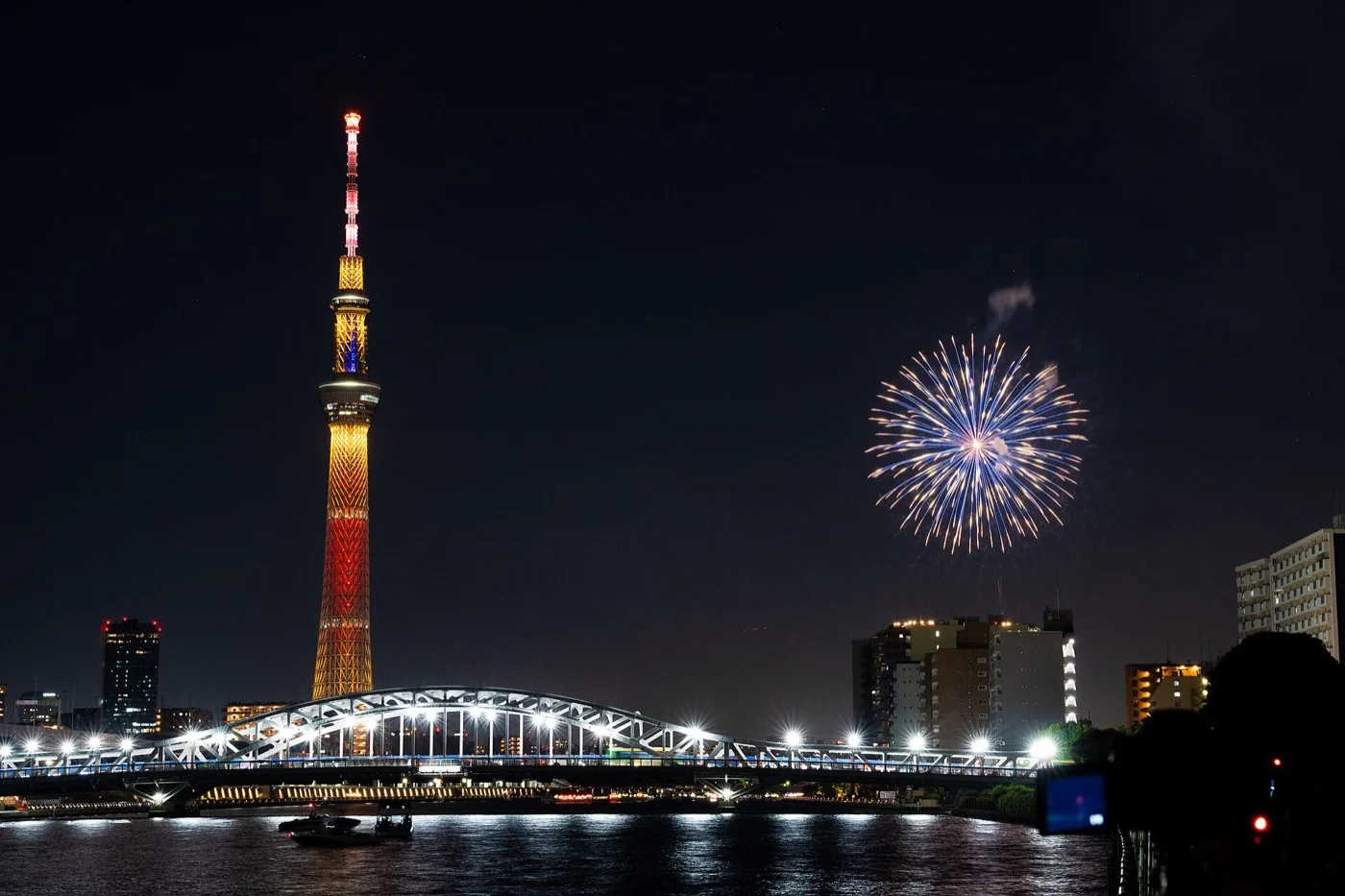
- No designated viewing spots: the only reserved places are the citizen sponsor seats on both banks of the river.
- Citizen sponsor seats: a paid, advance-booking option. Applications are first come, first served on the web, and seats come as a vinyl sheet or pipe chair. The money is a donation to the show, so there are no refunds under any circumstances.
- No choosing seats: the official FAQ says seats are placed at random, and there is no day-of application.
- No marking: tape, chalk or spray marks on roads and parks, and reserving places, are banned. The organizer removes any it finds.
Times, Weather and Getting There
- Times: the first site starts at 19:00 and the second at 19:30. Both end at 20:30. In 2026 the show was on July 25.
- Weather: a light rain is fine and the show goes ahead. In a typhoon or other severe weather it is cancelled. There is no backup day. The organizer decides at 8:00 on the day and posts the result on its official site and on X.
- First site stations: Asakusa and Tokyo Skytree Station (Tokyo Metro, Toei Asakusa Line, Tobu Skytree Line) and Honjo-Azumabashi (Toei Asakusa Line).
- Second site stations: Kuramae (Toei Oedo Line and Toei Asakusa Line), and Ryogoku and Asakusabashi (JR lines).
- No parking: there is no car park for the show. Traffic control runs from about 18:00 to about 21:30. Part of Shuto Expressway Route 6 closes from about 18:30 to 20:45.
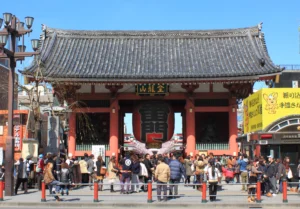
For the sights around the first site, see our Asakusa guide and Skytree and Oshiage guide. The second site is near Ryogoku.
Rules and Etiquette
The organizer lists these requests on its official page. They apply to the Sumida show, but they are a good guide for any big fireworks night.
- Do not fly drones.
- Do not climb over barriers or enter fenced flower beds. The site says visitors have damaged the cosmos and sunflowers there.
- Smoke only in designated areas. Walking while smoking is not allowed.
- Take your trash home. If you must dispose of it, use the marked places. Our trash in Tokyo guide covers how to get rid of trash in Tokyo.
- No selling food or goods near the venue on public roads and in parks. The organizer has no permit system for that.
- Do not use selfie sticks in the crowd, and stop if the police ask.
- Follow staff instructions. One-way walking rules apply to pedestrians because of the crowds.
- Watch for ash and sparks. The site says burned bits can fall, so cover your face or glasses, and go to the first aid post if you are hurt.
Crowds, Heat and Toilets
The official site gives these warnings. The area is very crowded, especially after the show. Temporary toilets are very busy, so use public toilets at your station or near the site before you arrive. Heat stroke is a risk in summer, so wear cool clothes, drink often and rest. It also suggests staying a bit later or leaving at another time to avoid the post-show crush.
Other Fireworks Shows in Tokyo
Each of these has its own page with the dates we could confirm. For many, the 2027 date was not yet announced in our checks.
- Sumida River Fireworks Festival
- Edogawa Fireworks Festival
- Jingu Gaien Fireworks
- Adachi Fireworks Festival
- Katsushika Noryo Fireworks
- Itabashi Fireworks Festival
- Tamagawa Fireworks
- Ota City Peace Fireworks
FAQ
What does hanabi taikai mean?
It means a fireworks festival. Hanabi is fireworks and taikai is a large organized event.
When is the Sumida River Fireworks Festival?
The 49th show was on July 25, 2026, from 19:00 to 20:30. The official site shows that show as finished, and we found no 2027 date. Check the official site before you plan.
Can I reserve a spot on the riverbank?
No. The river has no riverbank, and reserving places or marking roads and parks is banned. The organizer removes marks it finds.
Can I sit and watch?
Mostly no. The official site says you watch while walking on bridges and nearby roads. The only reserved seats are paid citizen sponsor seats bought in advance.
What happens if it rains?
A light rain does not stop the show. In severe weather such as a typhoon it is cancelled, and there is no backup day. The decision is made at 8:00 on the day.
Can I drive there?
There is no car park for the show, and roads are closed from about 18:00 to about 21:30. Use public transport.
How many fireworks are there?
The official FAQ says about 10,000 at each of the two sites, or about 20,000 in total.
Keep reading
Sources
Facts come from the official Sumida River Fireworks Festival site, read on November 17, 2026. Dates, hours and rules can change, so please check before you go.