You can travel around Tokyo without speaking Japanese, but a few words go a long way. People appreciate the effort, and the right phrase makes restaurants, shops and taxis much easier. Each phrase below is written in Japanese too, so if you are not sure how to say it, just show the screen.
Quick answer
If you learn one word: sumimasen (excuse me / sorry). It is also how you call staff in a restaurant.
Point and say: kore o kudasai (this one, please) works in almost any shop or restaurant.
To say no politely: daijōbu desu (I’m OK), for bags, receipts and offers of help.
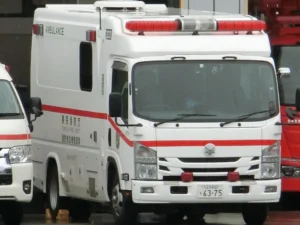
Emergencies: call 110 for the police and 119 for an ambulance or fire. The Japan Visitor Hotline (050-3816-2787) helps in English 24 hours a day.
How to pronounce Japanese
- Japanese has five vowels, always said the same way: a as in father, i as in see, u as in food, e as in bed, o as in go.
- A line over a vowel (ō, ū) means you hold the sound a little longer.
- The u at the end of desu and masu is barely said: it sounds like “des” and “mas”.
- There is no strong stress. Say each syllable evenly.
The essentials
If you learn only one word, make it sumimasen. It means “excuse me”, “sorry” and even “thank you for your trouble”, and it is how you call staff in a restaurant.
| English | Japanese | Say it |
|---|---|---|
| Excuse me / Sorry | すみません | Sumimasen |
| Thank you | ありがとうございます | Arigatō gozaimasu |
| Hello | こんにちは | Konnichiwa |
| Good morning | おはようございます | Ohayō gozaimasu |
| Good evening | こんばんは | Konbanwa |
| Yes | はい | Hai |
| No, thank you / I’m OK | 大丈夫です | Daijōbu desu |
| Please (when asking for something) | お願いします | Onegaishimasu |
| I don’t understand Japanese | 日本語がわかりません | Nihongo ga wakarimasen |
| Do you speak English? | 英語を話せますか? | Eigo o hanasemasu ka? |
Japanese people rarely say a direct “no” (iie). To politely turn something down, daijōbu desu works in almost every situation.
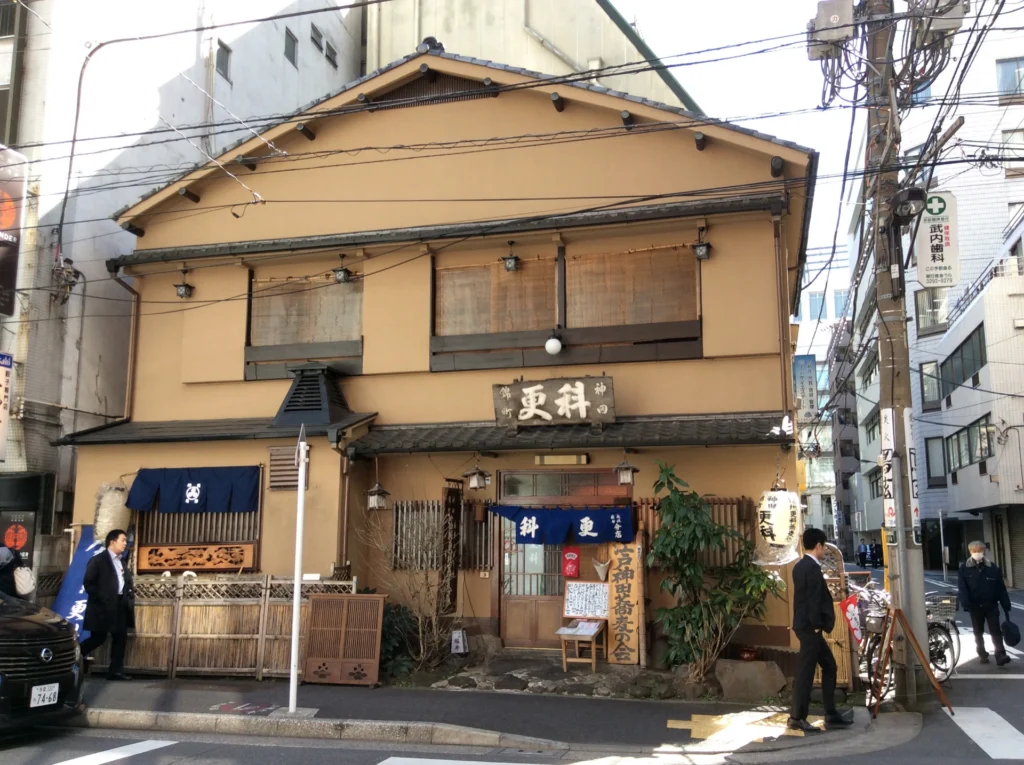
At a restaurant
| English | Japanese | Say it |
|---|---|---|
| Two people, please | 二人です | Futari desu |
| Do you have an English menu? | 英語のメニューはありますか? | Eigo no menyū wa arimasu ka? |
| This one, please | これをください | Kore o kudasai |
| Water, please | お水をください | Omizu o kudasai |
| It’s delicious | おいしいです | Oishii desu |
| The bill, please | お会計お願いします | Okaikei onegaishimasu |
| Can I pay by card? | カードで払えますか? | Kādo de haraemasu ka? |
For one person say hitori desu, for three sannin desu. You can also just hold up your fingers. For how ordering and paying work, see how to eat out in Tokyo and our izakaya guide.
Food allergies and diets
| English | Japanese | Say it |
|---|---|---|
| I have a ___ allergy | ___アレルギーがあります | ___ arerugī ga arimasu |
| I can’t eat meat or fish | 肉と魚を食べられません | Niku to sakana o taberaremasen |
| Does this contain ___? | これに___は入っていますか? | Kore ni ___ wa haitte imasu ka? |
Useful words to fill the gap: peanuts ピーナッツ (pīnattsu), wheat 小麦 (komugi), egg 卵 (tamago), milk 乳 (nyū), shrimp えび (ebi), pork 豚肉 (butaniku). For a serious allergy, carry a card written in Japanese as well. Vegetarian, vegan or halal? See vegetarian, vegan and halal food in Tokyo.
Words you will hear from staff
| English | Japanese | Say it |
|---|---|---|
| Welcome! (no reply needed) | いらっしゃいませ | Irasshaimase |
| Please wait a moment | 少々お待ちください | Shōshō omachi kudasai |
| Here you are / Go ahead | どうぞ | Dōzo |
| Eating here? | 店内でお召し上がりですか? | Tennai de omeshiagari desu ka? |
| Do you need a bag? | 袋はご利用ですか? | Fukuro wa goriyō desu ka? |
| Shall I heat it up? | 温めますか? | Atatamemasu ka? |
To answer: for take-out say mochikaeri de (持ち帰りで), and for eating in say tennai de (店内で). For yes, say hai, onegaishimasu. For no, say daijōbu desu. You will hear “shall I heat it up?” a lot at convenience stores.
Shopping
| English | Japanese | Say it |
|---|---|---|
| How much is this? | これはいくらですか? | Kore wa ikura desu ka? |
| Can I try this on? | 試着してもいいですか? | Shichaku shite mo ii desu ka? |
| Is tax-free shopping available? | 免税できますか? | Menzei dekimasu ka? |
| I’m just looking | 見ているだけです | Mite iru dake desu |
Before you ask about tax-free, read how it works in our tax-free shopping guide.
Getting around
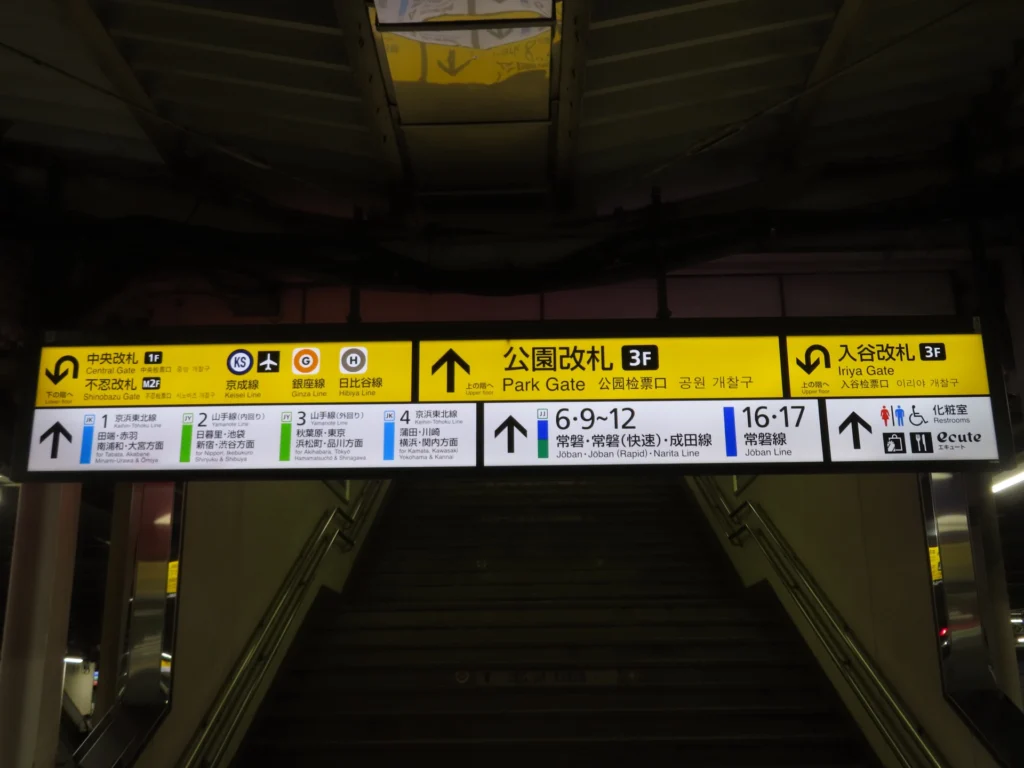
| English | Japanese | Say it |
|---|---|---|
| Where is ___? | ___はどこですか? | ___ wa doko desu ka? |
| Station | 駅 | Eki |
| Toilet | トイレ | Toire |
| Exit | 出口 | Deguchi |
| Does this train go to ___? | この電車は___に行きますか? | Kono densha wa ___ ni ikimasu ka? |
| To ___, please (in a taxi) | ___までお願いします | ___ made onegaishimasu |
| Here is fine (to stop a taxi) | ここでいいです | Koko de ii desu |
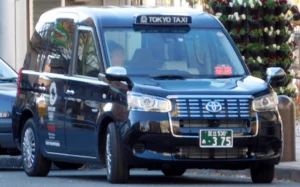
In a taxi, showing the address or the map on your phone is often easier than saying the name. See taxis in Tokyo. Arriving by plane? See our guide to getting from Haneda Airport to central Tokyo.
At your hotel
| English | Japanese | Say it |
|---|---|---|
| I have a reservation | 予約しています | Yoyaku shite imasu |
| Can I leave my luggage? | 荷物を預けてもいいですか? | Nimotsu o azukete mo ii desu ka? |
| What is the Wi-Fi password? | Wi-Fiのパスワードは何ですか? | Waifai no pasuwādo wa nan desu ka? |
In an emergency
In Japan, call 110 for the police and 119 for an ambulance or fire. The Japan National Tourism Organization (JNTO) runs the Japan Visitor Hotline at 050-3816-2787 (from outside Japan, +81-50-3816-2787), open 24 hours a day, every day of the year, in English, Chinese and Korean.
| English | Japanese | Say it |
|---|---|---|
| Help! | 助けて! | Tasukete! |
| Please call an ambulance | 救急車を呼んでください | Kyūkyūsha o yonde kudasai |
| Police | 警察 | Keisatsu |
| I feel sick | 気分が悪いです | Kibun ga warui desu |
| Where is the hospital? | 病院はどこですか? | Byōin wa doko desu ka? |
| I’m lost | 道に迷いました | Michi ni mayoimashita |
| Earthquake | 地震 | Jishin |
| Evacuation shelter | 避難所 | Hinanjo |
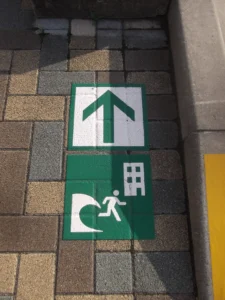
More help: seeing a doctor in Tokyo and earthquake safety in Tokyo.
Tips
- Say sumimasen with a small bow to get attention. Waving or calling out loudly is unusual.
- Pointing at the menu or a photo and saying kore o kudasai works almost everywhere.
- A translation app with a camera mode helps with menus and signs.
- Speaking slowly in simple English is often easier to understand than complicated sentences.
FAQ
Do I need to speak Japanese to visit Tokyo?
No. Station signs and many menus have English, and a few polite words plus pointing will get you through most situations.
What is the most useful Japanese word?
Sumimasen. It means excuse me and sorry, and it is how you call staff in a restaurant.
How do I say no politely in Japanese?
Daijōbu desu (I’m OK) works for turning down a bag, a receipt or an offer of help.
What number do I call in an emergency in Japan?
110 for the police, 119 for an ambulance or fire. The Japan Visitor Hotline, 050-3816-2787, helps in English 24 hours a day.
How do I ask for the bill?
Say okaikei onegaishimasu (the bill, please).
Related Articles

Sources
The emergency numbers and the Japan Visitor Hotline come from the Japan National Tourism Organization (JNTO) (checked November 2, 2026). The phrases are everyday Japanese written by our team.