Researched guide · Last checked: Nov 16, 2026
Omori and Magome are calm residential areas in Ota City, in south Tokyo. They are known as Magome Bunshimura, or the Magome Writers’ Village, because many writers and artists lived here in the early 1900s. There are no big crowds here. You walk past small museums, old temples and tree-lined streets. This guide shows what to see, how to start from Omori Station and how to plan around closing days.
Quick answer
Start at JR Omori Station (west exit) and walk the Writers’ Village course toward Nishi-Magome Station. The official course is split into a North Course and a South Course, each 2 to 2.5 km, and the whole route takes about 3 hours on foot.
Most small museums here open about 9:00 to 16:30 or 17:00. Several are closed on Mondays. Check each place before you go.
- Overview
- What Is the Magome Writers’ Village?
- Start at Omori Station: Slope, Shell Mound and Folk Museum
- Writers’ Houses and Memorial Museums
- Manpukuji Temple and the Cherry Blossom Street
- More Stops Nearby
- A Half-Day Plan
- Getting Here and Where to Stay
- Tips Before You Go
- FAQ
- Keep reading
- Related guides
- Sources
Overview
| Where | Omori and Magome, in the Sanno, Minami-Magome and Chuo neighborhoods of Ota City, Tokyo |
| Main stations | JR Omori Station (Keihin-Tohoku Line) on the east side, and Toei Asakusa Line stations Magome and Nishi-Magome on the west side |
| Time needed | About 3 hours for the full walking course, from the Ota Tourism Association. Add time for museums |
| Good for | Quiet walks, small museums, literature and art fans, spring cherry blossoms, a break from big sights |
| Source | Ota Tourism Association (official, English) |
| Last checked | November 2026 (on November 16, 2026) |
What Is the Magome Writers’ Village?
The Ota Tourism Association says many of Japan’s writers and artists moved to Magome in the early 1900s to work in a quiet, friendly community. Today the area is a wide network of walking trails. Along the way you find plaques about writers and artists, at places linked to their lives. A mural of portraits stands right in front of Omori Station, and it is the last stop on the east side of the course.
The official Writers’ Village website (Japanese) lists many people tied to the area, such as Kawabata Yasunari, Hagiwara Sakutaro, Muro Saisei, Uno Chiyo and Yamamoto Yuzo. You do not need to know their books to enjoy the walk. The plaques and small museums explain who lived where.
- North Course and South Course. Each is 2 to 2.5 km. The whole route takes about 3 hours on foot (Ota Tourism Association).
- Start and end. The course runs between JR Omori Station and Nishi-Magome Station (Toei Asakusa Line).
- Guided walks. The Magome Writers Village Guide Association offers guided walks. We could not confirm dates, prices or English support, so check its site first.
- New web guide. Ota City runs a browser-based guide called Magome-meguri (no app to install). Its official page is in Japanese. It lists a Course 1 from Omori Station, opened October 1, 2026, and plans for Courses 2 and 3 later. We could not confirm English support.
Start at Omori Station: Slope, Shell Mound and Folk Museum
Several stops are within about 10 minutes of the west exit of JR Omori Station, which makes this a good place to begin.
- Hakkeizaka. This slope is right next to the west exit. The official page says the view from the top was once so good that you could see the Omori coast and far across the bay, which is how it got its name.
- Omori shell mound. About 3 minutes on foot from the west exit. The Ota Tourism Association says it is the first archaeological site in Japan found and dug by American zoologist E.S. Morse. Late Jomon period objects were found, and it is a national historic site. There are monuments for the dig in both Ota and Shinagawa. We have not confirmed visiting hours, so treat it as a short, quiet stop.
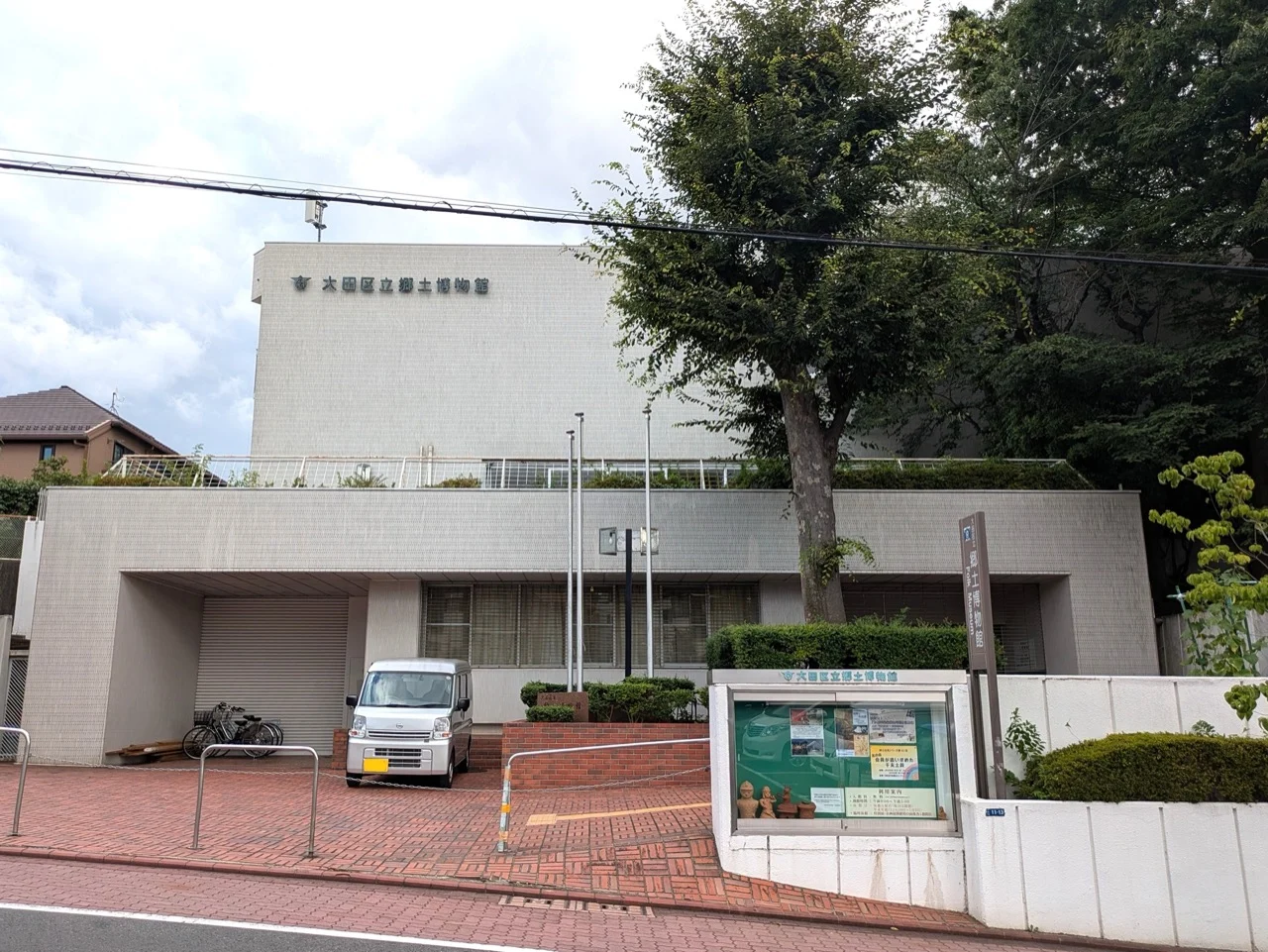
- Ota City Folk Museum. About 2 minutes from the Sanno exit of Omori Station, or 7 minutes from Nishi-Magome Station. It shows local history, archaeology and folk items. Admission is free. Open 9:00 to 17:00, closed Mondays and New Year holidays.
- Tenso Shrine. A small shrine about 4 minutes from Omori Station. The official page lists 10:00 to 16:00 and irregular closing days.
Writers’ Houses and Memorial Museums
The Ota Tourism Association lists several small memorial museums in Sanno and Magome. They are quiet and quick to visit. Hours below are from the association’s pages, so please check before you go, especially around holidays.
| Place | What to know |
|---|---|
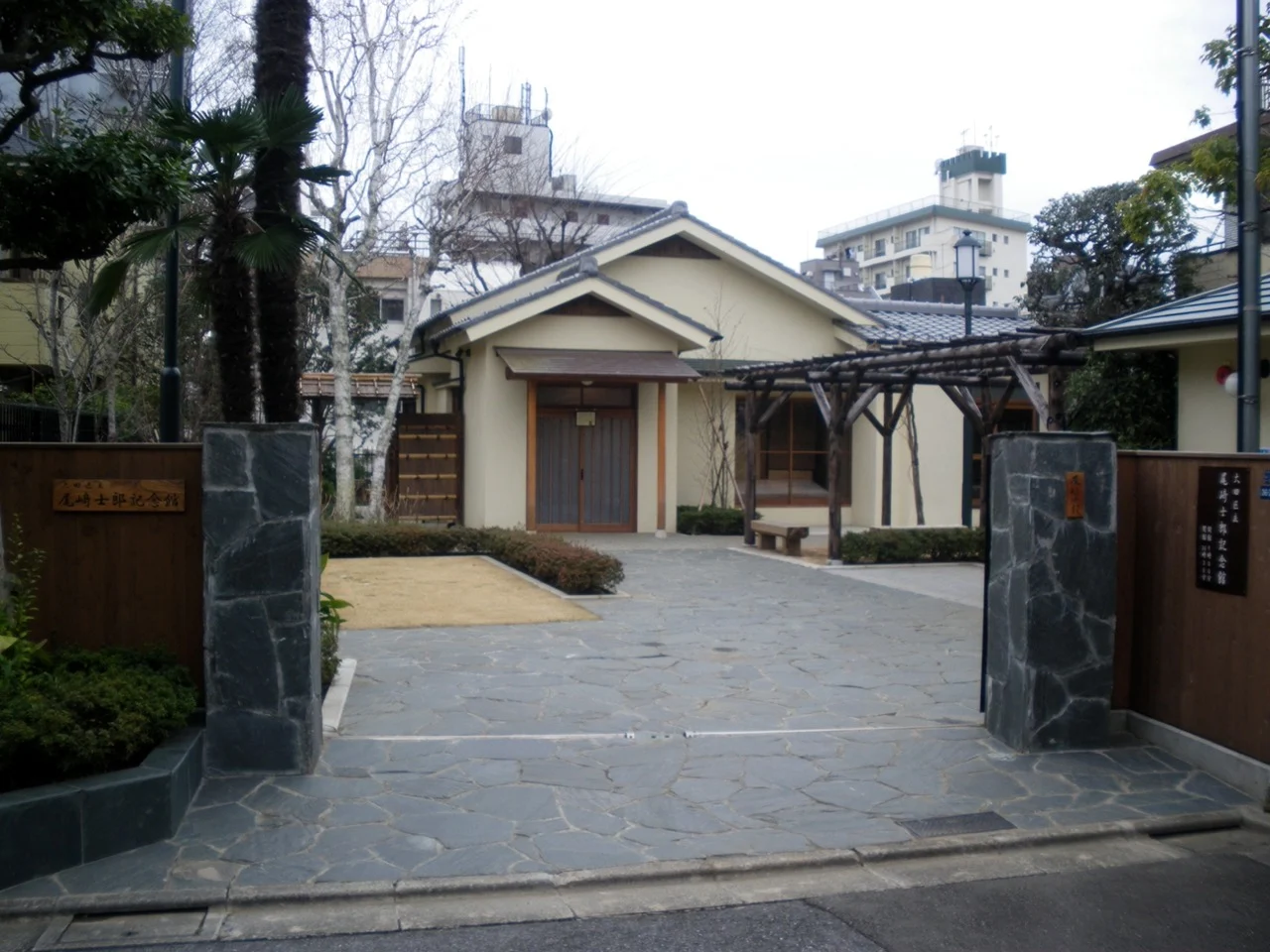
| Ozaki Shiro Memorial Museum | Home of Ozaki Shiro, a leading novelist of the local writers. Open 9:00 to 16:30, closed New Year holidays. About 10 minutes on foot from Omori Station |
| Sanno Sodo Memorial Museum and Soho Park | Part of the former home of Tokutomi Soho, who founded the magazine Kokumin no Tomo. Books, letters and manuscripts are on show. The park has a rare catalpa tree that flowers from late May to early June. Open 9:00 to 16:30 |
| Magome Writers Village Materials Exhibition Room | In Sanno Kaikan, about 3 minutes from the west exit of Omori Station. Open 9:00 to 16:30, closed New Year holidays |
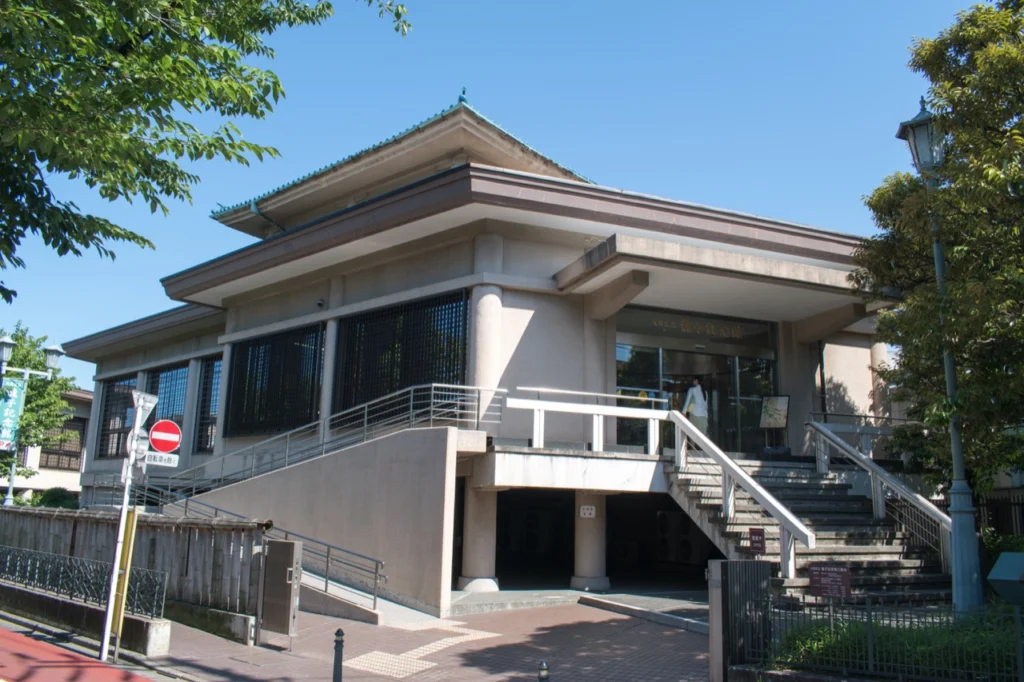
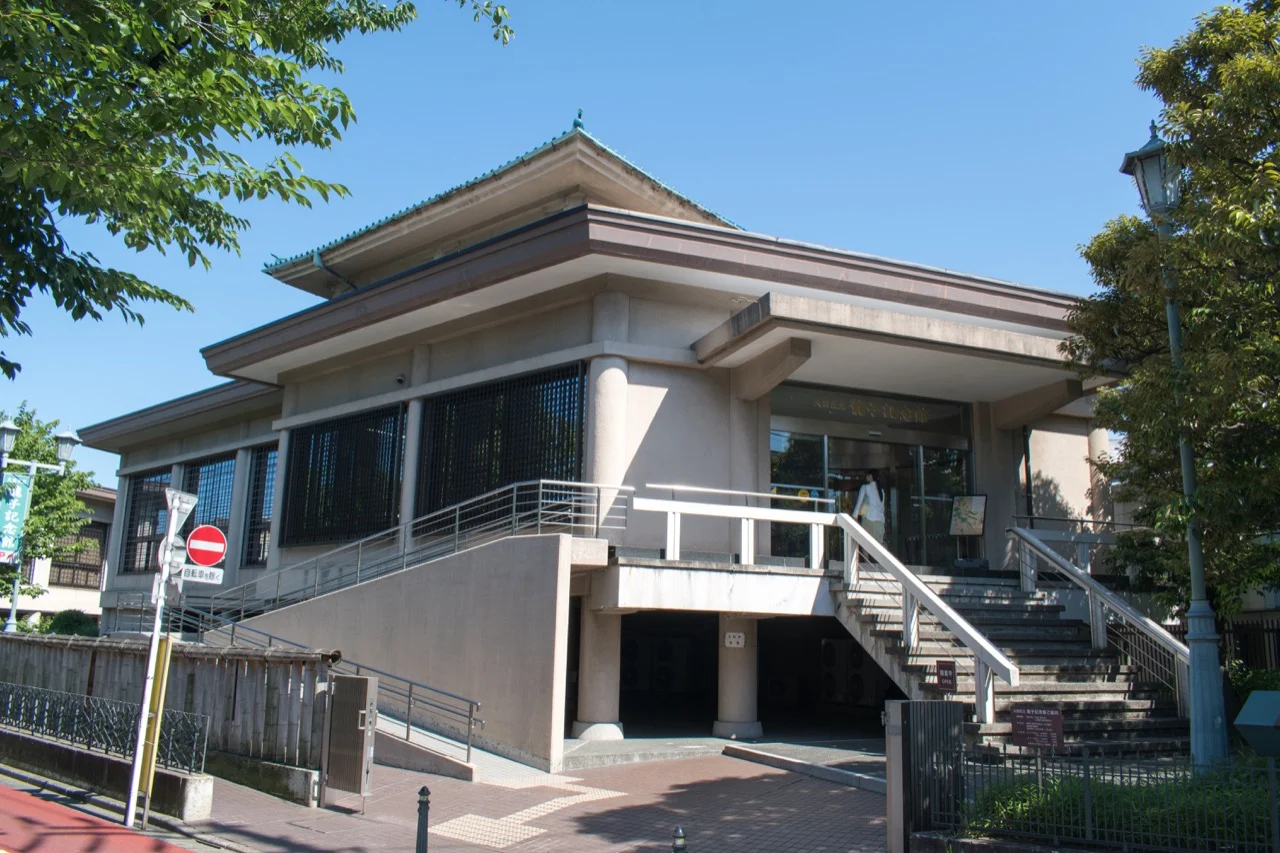
| Ryushi Memorial Museum | Large works by painter Kawabata Ryushi (1885 to 1966), who lived in the village. Open 9:00 to 16:30, closed Mondays and New Year holidays. See below |
| Kumagai Tsuneko Memorial Museum | Open 9:00 to 16:30, closed Mondays and New Year holidays. About 15 minutes on foot from the Usuda Sakashita bus stop |
Ryushi Memorial Museum
The Ota Tourism Association says this museum shows works by Kawabata Ryushi, a master of Japanese painting in the Taisho and Showa eras. Large paintings are always on display, and the building was designed by Ryushi himself. The association lists access by Tokyu Bus to the Usuda Sakashita stop, then about 15 minutes on foot. For a wider day in Ota, see our Ikegami guide too.
Manpukuji Temple and the Cherry Blossom Street
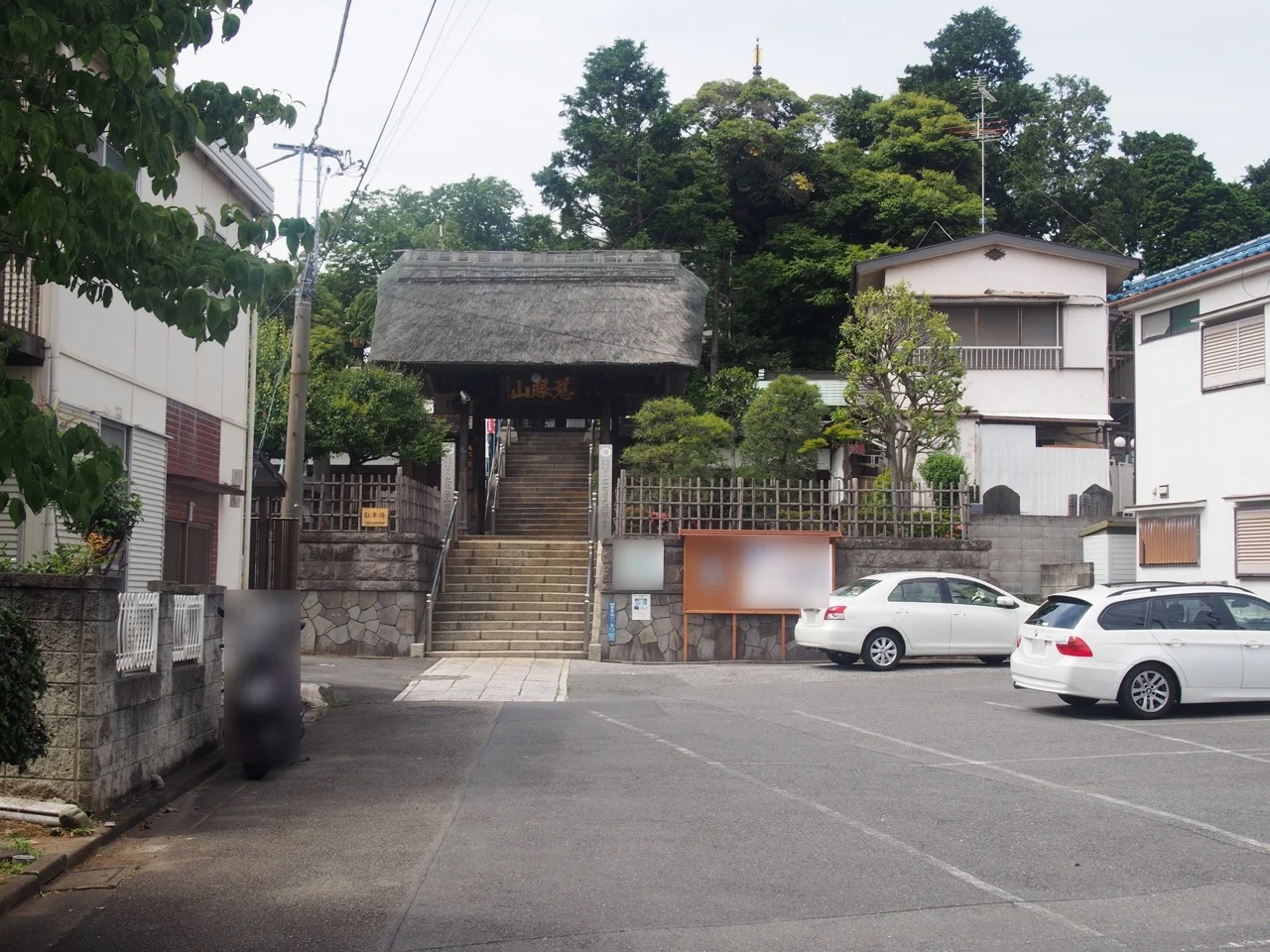
Manpukuji is a temple in Minami-Magome. The Ota Tourism Association lists it as about 15 minutes on foot from Magome Station or Nishi-Magome Station, or 4 minutes from the Magome Minamidai bus stop. The official page says it has a long history and a link to writer Muro Saisei, who lived nearby.
The Magome cherry blossom street (Magome Sakura Namiki-dori) is near the Usuda Sakashita bus stop. The association says the trees grew from young trees given by local volunteers, and a Magome Writers Village Cherry Blossom Festival is held each year. It also says the Magome Art Gallery is a 10-minute walk from the south exit of Nishi-Magome Station along this street. We did not confirm festival dates, so check the Ota Tourism Association news page. For more spring ideas, see our cherry blossoms in Tokyo guide.
More Stops Nearby
- Magome Art Gallery. Open 9:00 to 16:30 (last entry 16:00), closed Mondays (the next day if Monday is a holiday), December 29 to January 3, and during exhibit changes. We could not confirm what is shown, so check the gallery’s own page.
- Yamaguchi Experiential Museum. An art museum about 18 minutes on foot from JR Kamata Station or Keikyu Omorimachi Station. Open 10:00 to 18:00 (last entry 17:30), closed Tuesdays (the next day if Tuesday is a holiday).
- Omori Nori Hometown Museum. A free museum about the history of nori (seaweed) in the Omori area. It is about 15 minutes on foot from Heiwajima Station (Keikyu Line). The official site is norimuseum.com; check its hours there.
A Half-Day Plan
This is our suggested route, not an official one. It follows the Writers’ Village from east to west. Many places close on Mondays, so a weekday other than Monday is the easiest.
| Time | Stop |
|---|---|
| Morning | Omori Station west exit, Hakkeizaka, the Omori shell mound and the Ota City Folk Museum |
| Late morning | Materials Exhibition Room, Sanno Sodo Memorial Museum and Soho Park, then the Ozaki Shiro Memorial Museum |
| Afternoon | Ryushi Memorial Museum or Kumagai Tsuneko Memorial Museum (check Monday closing) |
| Late afternoon | Manpukuji Temple and the cherry blossom street, then Nishi-Magome Station |
Check the lunch plan on a map app, since we have not verified restaurants here. Our Kamata and Haneda guide covers the next area south. For the bigger picture, see Tokyo neighborhoods.
Getting Here and Where to Stay
JR Omori Station is on the Keihin-Tohoku Line. Nishi-Magome Station and Magome Station are on the Toei Asakusa Line. Our train guide and Suica guide help with the trips. If you land at Haneda, read our Haneda Airport to Tokyo guide. For hotels in the next area, see hotels in Kamata and Gotanda. Shinagawa is also close; see our Shinagawa guide.
Tips Before You Go
- Avoid Mondays. The Folk Museum, Ryushi, Kumagai and Magome Art Gallery list Monday closings.
- Wear walking shoes. The full course is 2 to 2.5 km for each part, and some streets are slopes.
- Look for plaques. Writers’ plaques mark places linked to them. Most are in Japanese, so a translation app helps.
- Be quiet. These are residential streets. Keep your voice low and follow any signs.
Also nearby: Shinagawa Day Itinerary: Sengakuji, Shinagawa Shrine and Aquarium
FAQ
Where is the Magome Writers Village?
It is in Ota City, in the Sanno, Minami-Magome and Chuo areas, between JR Omori Station and Nishi-Magome Station (Toei Asakusa Line). The Ota Tourism Association describes it as a walking course.
How long does the Writers’ Village walk take?
The Ota Tourism Association says there is a North Course and a South Course, each 2 to 2.5 km, and the whole route takes about 3 hours on foot. You can do just one part.
Is the Ota City Folk Museum free?
Yes. The Ota Tourism Association says admission is free. It lists 9:00 to 17:00, closed Mondays and New Year holidays.
Which places are closed on Mondays?
The Ota Tourism Association lists Monday closings for the Folk Museum, the Ryushi Memorial Museum, the Kumagai Tsuneko Memorial Museum and the Magome Art Gallery. Hours can change, so check before you go.
Is there a guide in English?
The Ota Tourism Association site is in English, and the Magome Writers Village Guide Association runs guided walks. We could not confirm English support for guided walks or for the Magome-meguri web guide, so check first.
Can I see the Omori shell mound?
The Ota Tourism Association lists it about 3 minutes on foot from the west exit of Omori Station. We could not confirm opening hours, and there is another monument on the Shinagawa side.
Keep reading

Related guides


Sources
The facts come from the official pages below, and the Tokyo notes from our own pages. Last checked: November 2026 (on November 16, 2026). Hours, prices and events change, so please check before you go.
- Ota Tourism Association: Magome area spots (official, English)
- Ota Tourism Association: Magome Writers and Artists Village (official, English)
- Ota Tourism Association: Ryushi Memorial Museum (official, English)
- Ota Tourism Association: Folk Museum (official, English)
- Ota Tourism Association: Ozaki Shiro Memorial Museum (official, English)
- Ota Tourism Association: Sanno Sodo Memorial Museum (official, English)
- Ota Tourism Association: Omori shell mound (official, English)
- Ota Tourism Association: Magome Art Gallery (official, English)
- Ota Tourism Association: Town Guide Association (official, English)
- Magome Bunshimura official website (Japanese)
- Magome-meguri official guide, Ota City (Japanese)