Researched guide · Last checked: Nov 16, 2026
Japan uses era names (gengo) to count years, next to the Western calendar. The current era is Reiwa. It began on May 1, 2019. So 2026 is Reiwa 8, and 2027 will be Reiwa 9. This guide shows you how the system works and how to read these years.
Quick answer
The current era is Reiwa, which began on May 1, 2019. To change a Reiwa year to a Western year, add 2018. Reiwa 8 is 2026.
By law, the era name changes only when a new Emperor takes the throne. You may see era years on Japanese-language documents and on coins. If a date looks unfamiliar, check which era it uses.
Overview
| Current era | Reiwa (began May 1, 2019) |
| Previous eras | Heisei (to April 30, 2019), Showa |
| This year | 2026 = Reiwa 8 (our calculation) |
| Next year | 2027 = Reiwa 9 (our calculation) |
| Quick rule | Reiwa year + 2018 = Western year |
| When it changes | Only when a new Emperor accedes to the throne (Act on Era Names, in Japanese) |
| Last checked | November 2026 (on November 16, 2026) |
What Is an Era Name?
An era name is a name given to a period of years. Japanese people use it to count years, for example in official papers. The Act on Era Names (1979) has two short rules. The era name is set by a Cabinet Order, and it is changed only when the throne passes to a new Emperor.
This means the era does not change on January 1. It changes on the day a new reign begins. A single Western year can therefore include two eras. In 2019, the year had both Heisei 31 and Reiwa 1.
How Reiwa Began
The government announced the new name on April 1, 2019. In a statement that day, Prime Minister Abe said the name comes from the Manyoshu, Japan’s oldest poetry anthology, which was put together more than 1,200 years ago. He said the Cabinet chose it in the hope that culture will be born and grow when people bring their hearts together beautifully.
The Cabinet Order that made the change is short. It says the era name is changed to Reiwa, and it takes effect on the day after April 30, 2019. That is May 1, 2019, the day Crown Prince Naruhito became Emperor. The same page of the statement says this was the first time in about 200 years that a living Emperor passed the throne.
How to Convert Era Years to Western Years
Era years start again at 1 when a new era begins. To convert, you only need one number for each era. These numbers come from our own calculation based on the Cabinet Orders.
| Era | Rule | Example |
|---|---|---|
| Reiwa (from 2019) | Reiwa year + 2018 | Reiwa 8 = 2026 |
| Heisei (1989 to 2019) | Heisei year + 1988 | Heisei 31 = 2019 |
| Showa (to 1989) | Showa year + 1925 | Showa 64 = 1989 |
The Reiwa order carries the number of Heisei 31 (2019), and the Heisei order carries the number of Showa 64 (1989). The rules above fit both.
Where Visitors May See Era Years
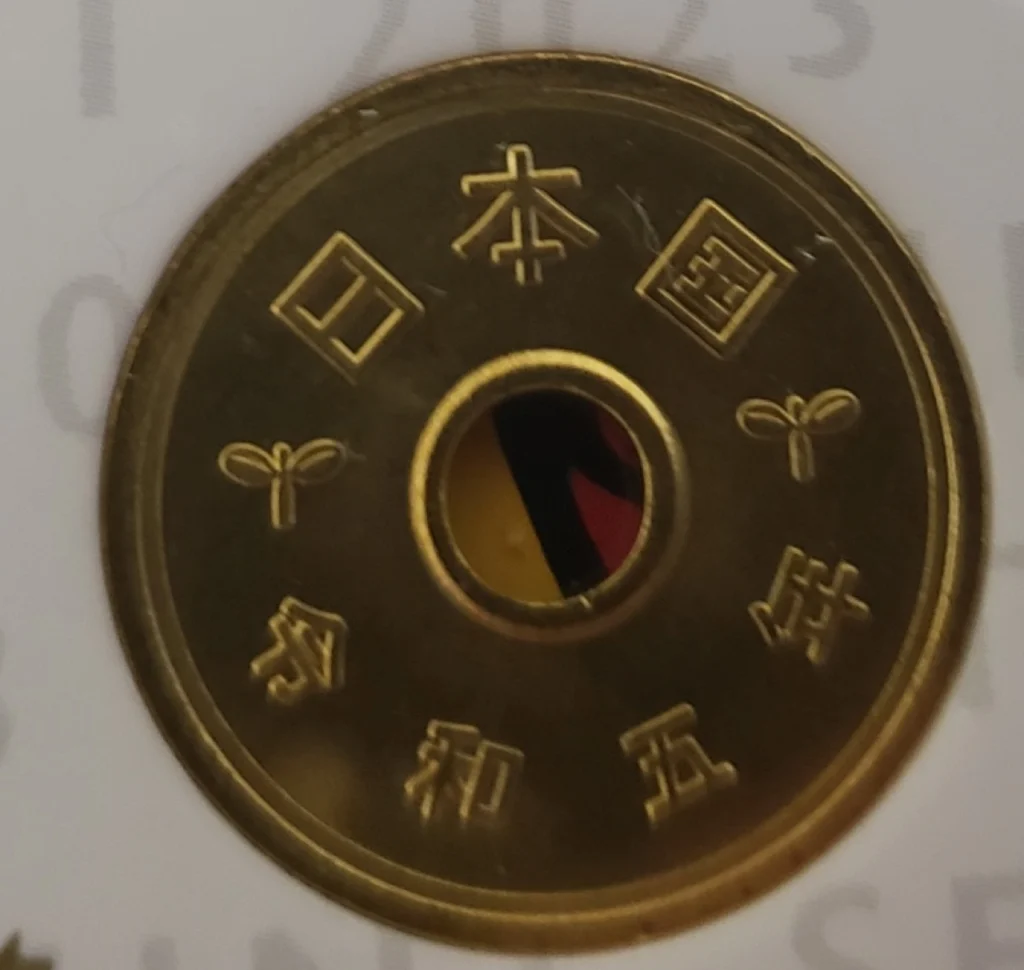
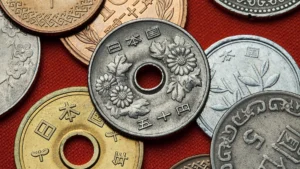
Era years appear on Japanese-language papers, such as laws and government pages. For example, the Cabinet Order for Reiwa is listed as a Heisei 31 order. Era years also appear on coins. The coins below were made in 2023. They show the characters for Reiwa, followed by a number written in kanji and the character for year.
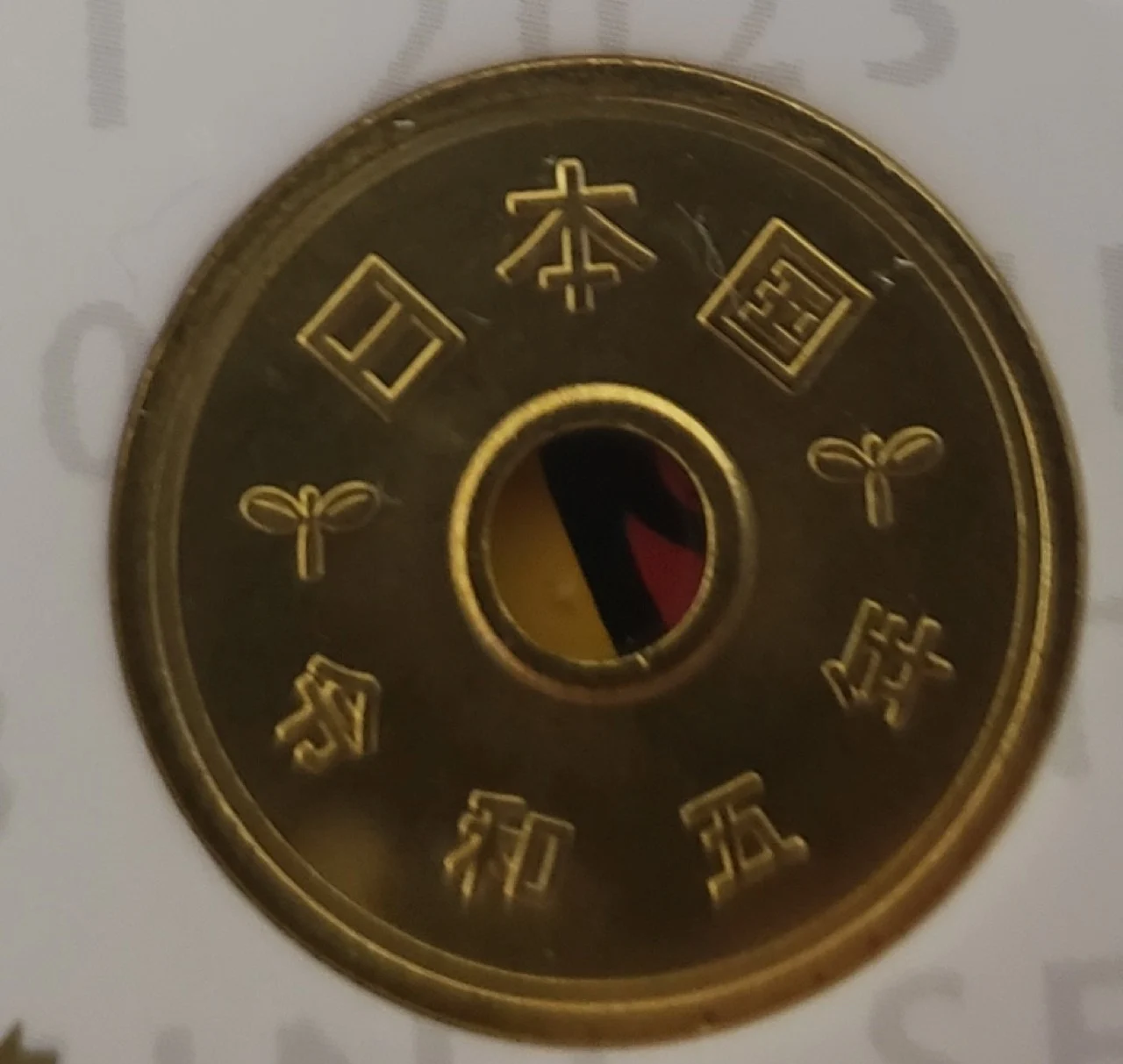
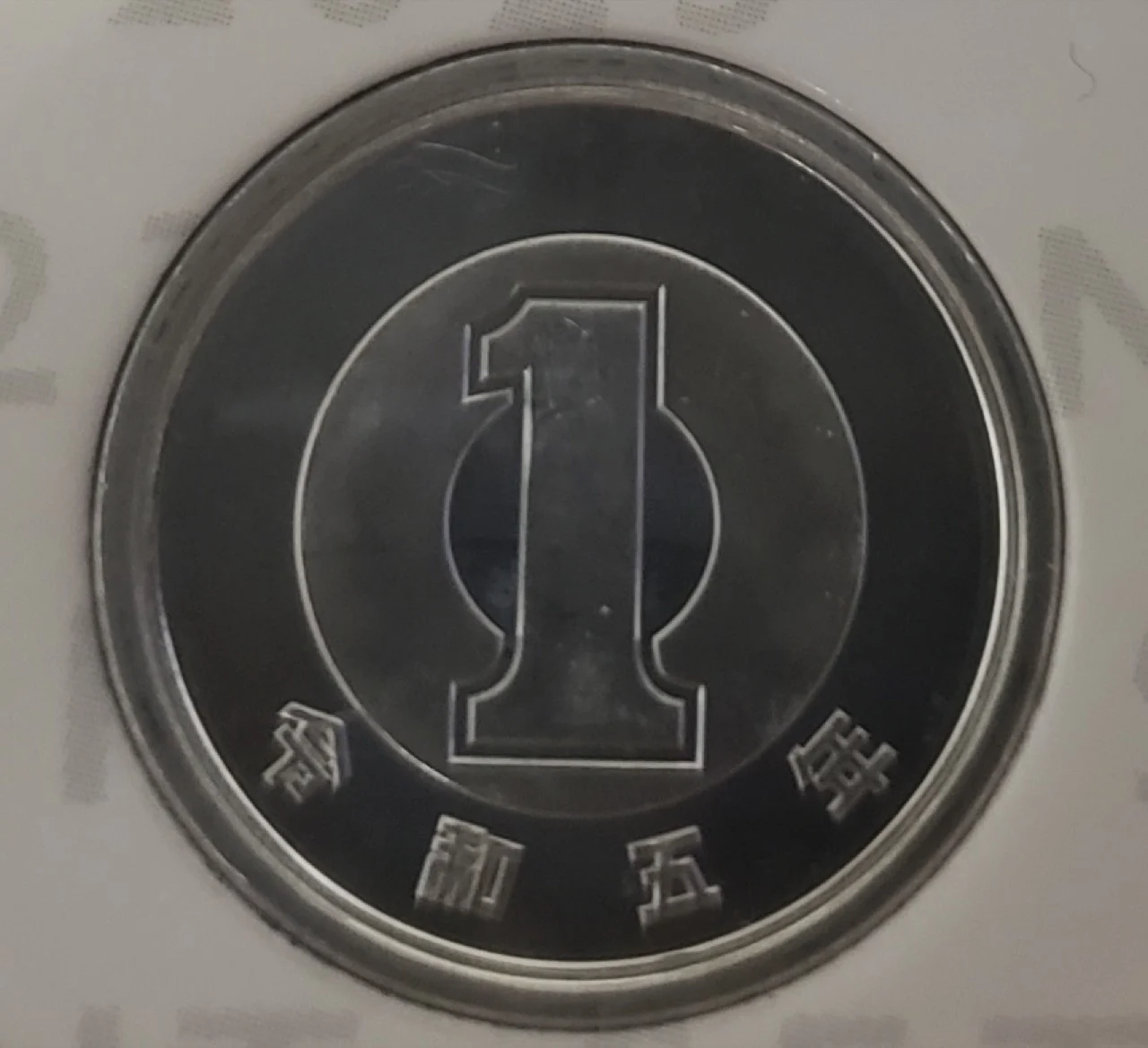
We did not find an official rule on how often the Western year is shown next to the era year, so we cannot say which papers do it. If you see a date like “R8” or a year you do not know, use the table above. For money tips, see our guide to money in Tokyo.
Tips for Reading Dates
- Check the era first. A year with no era name may still be an era year on a Japanese paper. Look for the characters for Reiwa or Heisei.
- Remember the 1-year gap. Reiwa 8 is 2026, so the era year is smaller than the Western year by 2018.
- Be careful in early 2019 or 1989. Those years include two eras, so the era depends on the exact date.
- Learn more culture. Our Japanese culture guide and things to know before visiting Japan cover other basics for visitors.
- Plan around holidays. Some holidays have their own history. See Japan public holidays and Culture Day.
FAQ
What is the current era in Japan?
Reiwa. It began on May 1, 2019, according to the Cabinet Order that changed the era name.
What year is Reiwa 8?
2026. Add 2018 to the Reiwa year to get the Western year. This is our calculation from the start of Reiwa in 2019.
When does the era name change?
Only when a new Emperor accedes to the throne. This is set by the Act on Era Names.
Where does the name Reiwa come from?
The Prime Minister’s statement of April 1, 2019 says it comes from the Manyoshu, Japan’s oldest poetry anthology.
Do I need to know era years as a visitor?
Not for most trips, since many things use the Western year. But you may meet era years on Japanese-language papers and on coins, so the simple rule is helpful. Check before you go if you need a document with exact dates.
Keep reading


Sources
Last checked: November 2026 (on November 16, 2026). The rules for era names come from the Act on Era Names. The start of Reiwa and Heisei comes from the Cabinet Orders. The year rules are our own calculation from these dates. We did not find an official English page on how era years are shown on documents.