Researched guide · Last checked: Nov 15, 2026
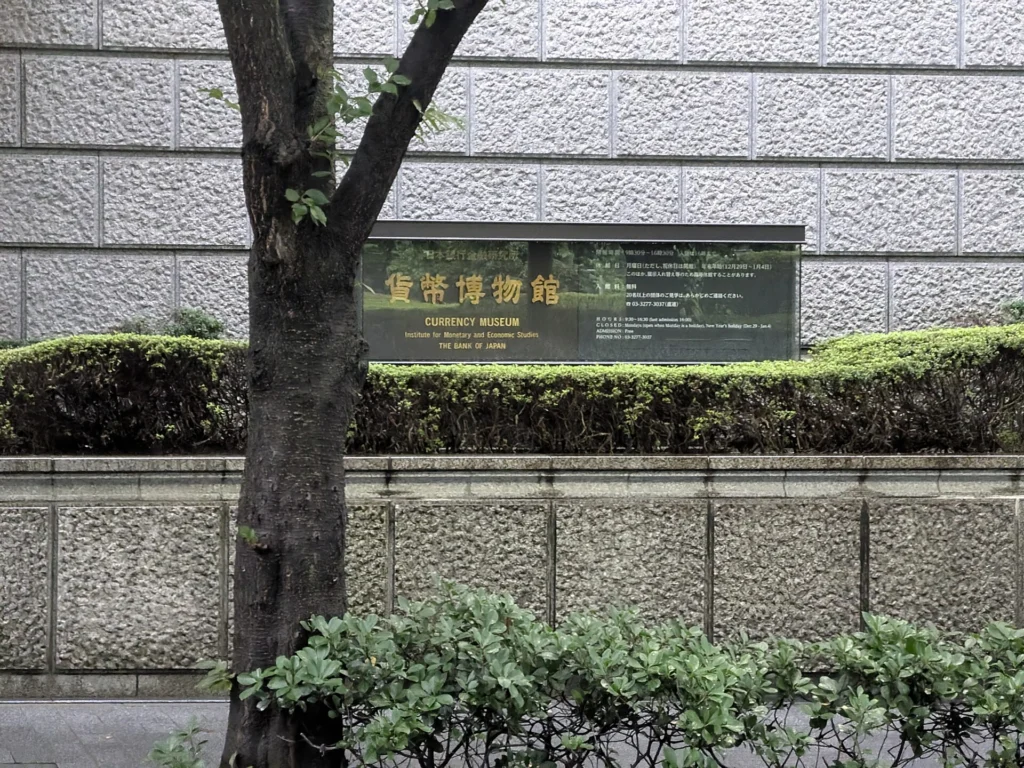
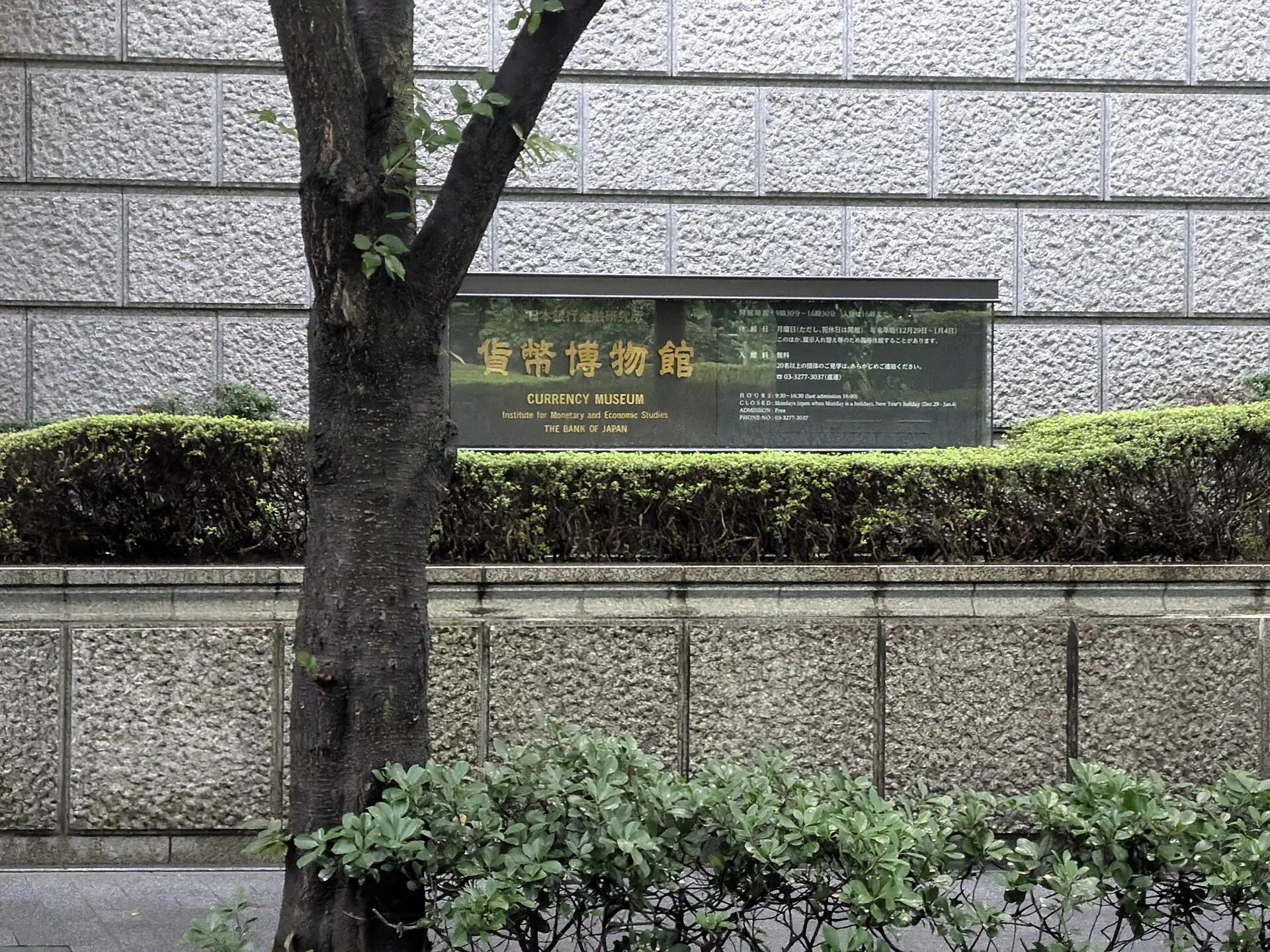
The Currency Museum is a free museum in the Bank of Japan Annex in Nihonbashi, Chuo City, about 1 minute on foot from Mitsukoshimae Station. It is run by the Bank of Japan’s Institute for Monetary and Economic Studies. The museum follows the history of Japanese money from ancient times to the present and also shows foreign money. It opened in 1985 and reopened after renovation in November 2015. Its core is the collection of the coin collector Tanaka Hirofumi (1884-1956), given to the Bank of Japan in 1944.
Quick answer
A free museum of money history run by the Bank of Japan.
Hours: 9:30-16:30 (last entry 16:00). Closed: Mondays (open if Monday is a public holiday). Admission: Free.
Quick facts
| What it is | A free museum of money history run by the Bank of Japan |
| Known for | Japanese coins and notes from ancient times to today, plus foreign money |
| Hours | 9:30-16:30 (last entry 16:00) |
| Closed | Mondays (open if Monday is a public holiday) |
| Admission | Free |
| Time needed | About 30 minutes to 1 hour |
| Address | 1-3-1 Nihonbashi Hongokucho, Chuo City (inside the Bank of Japan Annex) |
| Nearest station | Mitsukoshimae Station: Hanzomon Line Exit B1 (1 minute) or Ginza Line Exit A5 (2 minutes) |
| Last checked | November 2026 |
What to see
- Japanese money through history: about 3,000 items are on show, in order of time. The museum holds around 3 million items in all. Some displayed pieces are replicas to protect the originals.
- Foreign money: the museum also displays coins and notes from other countries.
- Early coins: the museum notes that Fuhonsen, found at the Asukaike site in 1998, was cast before the Wado Kaichin of 708, so it is now seen as Japan’s first coin.
- Square holes: old Chinese-style coins had a square hole. One reason is that the round shape with a square center stood for heaven and earth. Coins of this kind were used in Japan for over 1,000 years.
- Special shows: a special exhibition on the ukiyo-e artist Kuniyoshi and Nihonbashi started on October 30, 2026. A topic show on Oguri Tadamasa, the samurai who visited the US mint in Philadelphia, started the same day. The museum’s page lists the current shows and dates.
Tips
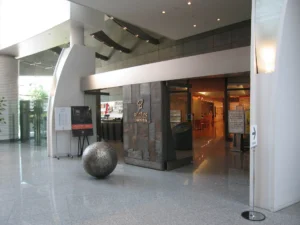
- Photos: not allowed in the exhibition rooms. There is a photo spot in the 2nd-floor lobby where you may take pictures and video without a tripod.
- Audio guide: free on your own phone or tablet. Bring earphones and connect to the free Wi-Fi in the exhibition rooms.
- Guided talk: staff give a talk of about 30 minutes on Tuesdays and Thursdays at 13:30 (not on public holidays; limited to 20 people). The official page does not say which languages are offered.
- Free lockers are at the entrance. There is an elevator, and two wheelchairs can be borrowed at the desk.
- Food is not allowed inside. Plain water or tea is allowed on the 1st floor only. There is no parking.
- The museum shop is open 10:00-16:30 with a lunch break. The museum does not appraise coins.
- Tours of the Bank of Japan head office need a reservation and are separate from this museum.
Getting there
- Mitsukoshimae Station: Hanzomon Line Exit B1, 1 minute; Ginza Line Exit A5, 2 minutes.
- Nihonbashi Station (Tozai Line) Exit A4: about 6 minutes on foot.
- JR Tokyo Station Nihonbashi Exit: about 8 minutes on foot. JR Kanda Station south exit: about 9 minutes.
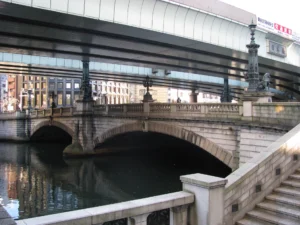
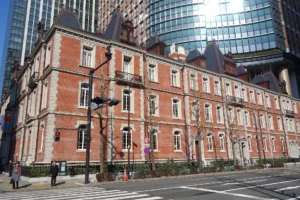
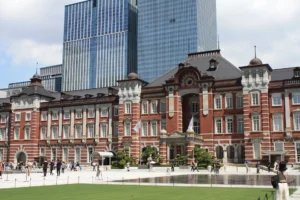
Pair it with a walk around Nihonbashi, the Mitsubishi Ichigokan Museum near Tokyo Station, or our Tokyo Station guide. More ideas are in free things to do in Tokyo.
Also nearby: Japanese era names (Reiwa) explained
FAQ
Is the Currency Museum free?
Yes. Admission is free.
What are the opening hours?
9:30-16:30, with the last entry at 16:00. It is closed on Mondays, but open if Monday is a public holiday.
Can I take photos?
Not in the exhibition rooms. You can take pictures at the photo spot in the 2nd-floor lobby, without a tripod.
How long does a visit take?
About 30 minutes to 1 hour, according to the museum.
Are the items real?
Most are, but for conservation some are replicas.
Keep reading
Sources
Facts come from the Currency Museum’s official website, run by the Bank of Japan (Last checked: November 15, 2026). This page is based on official sources, not our own visit. Last checked: November 2026 (on November 15, 2026).