Researched guide · Last checked: Nov 15, 2026
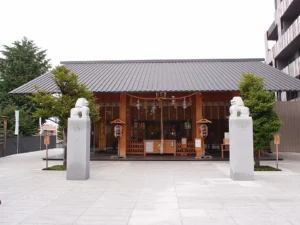
Namiyoke Inari Shrine is a small Shinto shrine in Tsukiji, Chuo City. Its name means roughly “wave-warding”. The shrine’s own story says the sea kept washing away the embankments during the land reclamation that followed the Great Meireki Fire. After a glowing object was found floating on the water and enshrined as Inari, the waves calmed and the work finished, in 1659. The shrine is a short walk from the Tsukiji outer market.
Quick answer
Namiyoke Inari Shrine is a small Shinto shrine in Tsukiji, Chuo City.
Hours: The official site gives only the shrine office phone hours, 9:00 to 17:00. It does not list opening hours for the grounds.
Admission: Not listed on the official site.
Quick facts
| What it is | A Shinto shrine in Tsukiji, founded in 1659 |
| Hours | The official site gives only the shrine office phone hours, 9:00 to 17:00. It does not list opening hours for the grounds |
| Admission | Not listed on the official site |
| Address | 6-20-37 Tsukiji, Chuo City, Tokyo 104-0045 |
| Nearest stations | Tsukiji Station (Hibiya Line): about 7 minutes on foot. Tsukijishijo Station (Toei Oedo Line): about 5 minutes |
| Bus | Toei bus, Tsukiji 6-chome stop: about 3 minutes on foot |
| Phone | 03-3541-8451 (9:00 to 17:00) |
| Last checked | November 2026 |
What to see
- The founding story: the shrine says that after the Great Meireki Fire, the reclamation of the Tsukiji sea was very hard. Embankments were washed away again and again. A shining object found floating one night turned out to be the sacred object of the Inari deity, and the waves then settled.
- Tsukiji Shishi Festival: the shrine holds a major festival every June called the Tsukiji Shishi Matsuri (lion festival).
- Seven Lucky Gods: besides the main deity, the shrine enshrines other gods, including seven called the Seven Lucky Gods, and offers a pilgrimage page for them.
- Amulets and goshuin: the shrine gives out amulets and goshuin (shrine stamps). It listed a limited goshuin for November 2026.
- Prayers: the shrine takes prayers for things such as warding off bad luck and business success.
Plan your visit
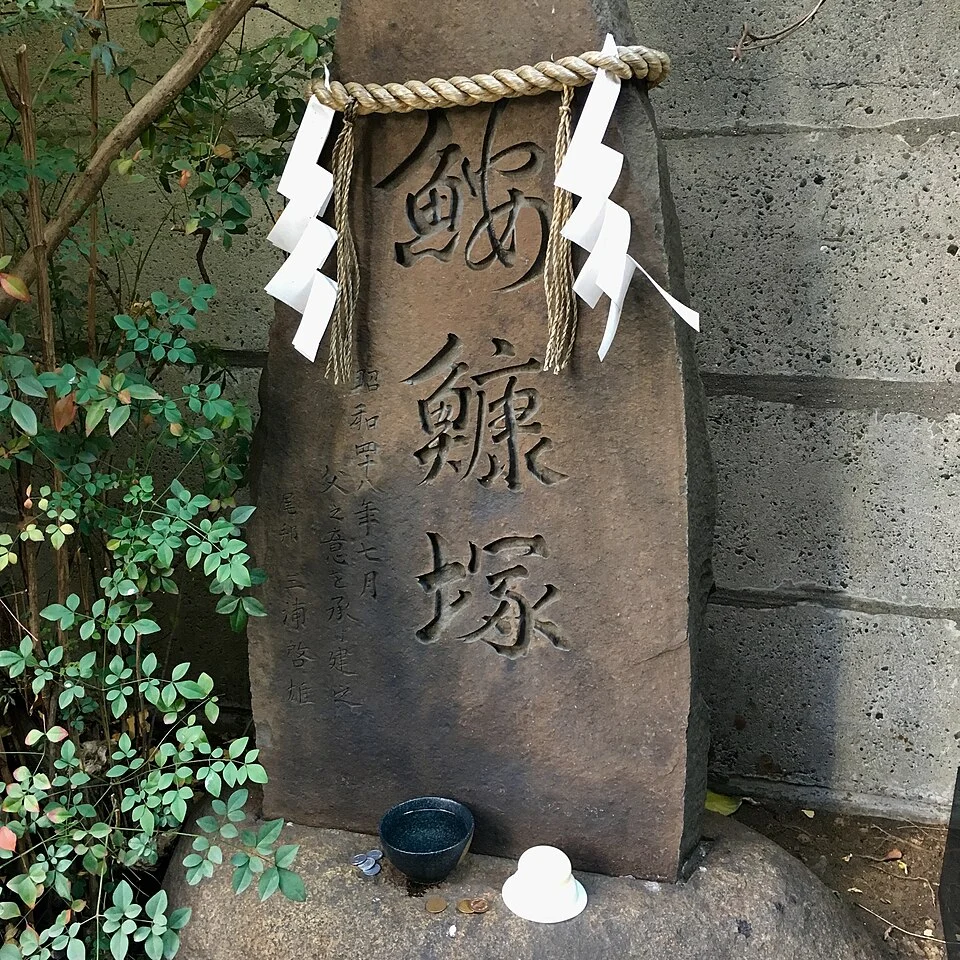
- Photo: the stone in the photo is named the Anko-zuka marker in the Wikimedia Commons file.
- Tori-no-Ichi: the shrine lists a Tori-no-Ichi (November fair) guide on its site. Check the shrine for dates.
- New Year: the shrine posted notes on the New Year prayer period (January 1 to February 16) and on its prayer fees. Check the official notices before going.
- Nearby: the Tsukiji outer market, Tsukiji Hongwanji and Tsukudajima are close by.
Getting there
- Hibiya Line, Tsukiji Station: about 7 minutes on foot.
- Toei Oedo Line, Tsukijishijo Station: about 5 minutes on foot.
- Toei bus, Tsukiji 6-chome: about 3 minutes on foot.
FAQ
When was Namiyoke Inari Shrine founded?
In 1659 (Manji 2), according to the shrine’s official site.
What does the name mean?
The shrine’s story says the waves calmed after the deity was enshrined during Tsukiji’s reclamation. The name Namiyoke means warding off waves.
Is there an admission fee?
The official site does not list one. Entry to the grounds is not described on the official site, so check at the shrine.
Which station is closest?
Tsukijishijo Station on the Toei Oedo Line, about 5 minutes on foot. Tsukiji Station on the Hibiya Line is about 7 minutes.
Is there a festival?
Yes. The Tsukiji Shishi Matsuri is held every June. The shrine also lists a Tori-no-Ichi guide.
Keep reading
Sources
Facts come from the official Namiyoke Inari Shrine site (in Japanese), last checked on November 15, 2026. They are based on official sources, not our own visit. Last checked: November 2026 (on November 15, 2026).