Researched guide · Last checked: Nov 15, 2026
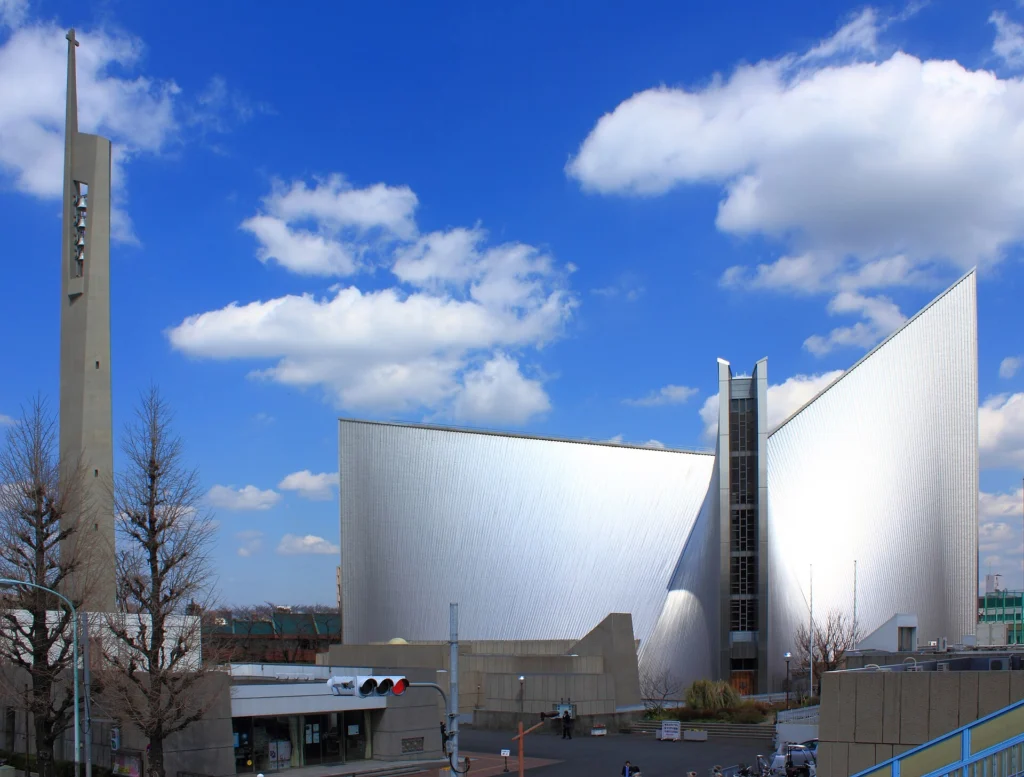
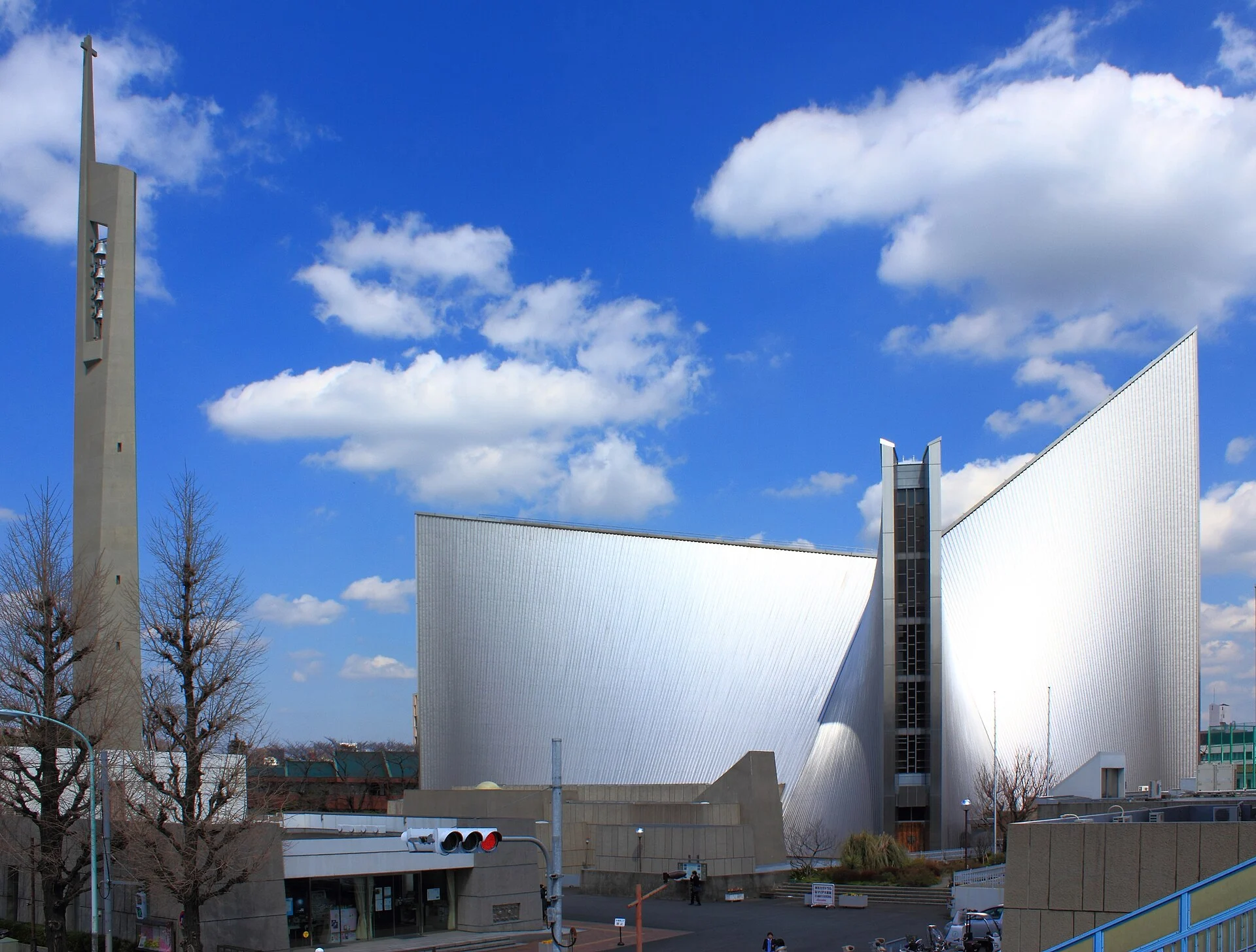
St. Mary’s Cathedral Tokyo is the seat of the Catholic Archdiocese of Tokyo, in Sekiguchi, Bunkyo. The current building was designed by Kenzo Tange and dedicated on December 8, 1964. The parish says visitors can usually look around from 9:00 to 17:00 when no Mass or event is under way. Please stay quiet, because people pray here.
Quick answer
The cathedral of the Archdiocese of Tokyo, a church designed by Kenzo Tange.
Admission: No fee is listed on the official pages.
Quick facts
| What it is | The cathedral of the Archdiocese of Tokyo, a church designed by Kenzo Tange |
| Visiting hours | Usually 9:00 to 17:00 when no Mass or event is held. Groups should contact the church first |
| Admission | No fee is listed on the official pages |
| Mass | Sunday 8:00 and 10:00. Monday to Saturday 7:00 (parish page) |
| Address | 3-16-15 Sekiguchi, Bunkyo City |
| Nearest station | Edogawabashi Station (Tokyo Metro Yurakucho Line), Exit 1a, about 15 minutes on foot |
| Last checked | November 2026 |
What to see
- The building: the archdiocese says the earlier wooden Gothic cathedral burned in the 1945 air raids on Tokyo. The new cathedral was planned with help from the Archdiocese of Cologne in Germany, started in April 1963 and dedicated in December 1964.
- Inside: the archdiocese lists a bust of St. Francis Xavier given by Cologne, relics of the Three Kings, and relics of St. John Paul II and St. Faustina. It also has a replica of Michelangelo’s Pieta, the same size as the one in St. Peter’s in Vatican City.
- The Lourdes grotto: a grotto built in 1911 by the French missionary Fr. Domengel stands on the grounds.
- The pipe organ: a Mascioni organ (Op. 1165), installed in 2004 on the balcony at the back of the nave. The diocese news lists a pipe organ overhaul starting on January 11, 2027, so check before you plan an organ visit.
Organ Meditation evenings
- When: the second Friday of each month, except January and August. Doors open at 18:00 and the program starts at 18:30, ending about 19:20.
- Cost: free. Donations toward organ upkeep are welcome.
- Next date on the parish page: Friday, December 11, 2026.
- Dress: there is no set dress code, but the parish asks visitors to avoid clothing that shows too much skin.
Tips
- Mass is open to everyone. Visitors who are not attending should stay at the back and keep quiet.
- For a group visit, contact the church in advance. The parish office number is 03-3945-0126, open 9:00 to 17:00.
- Parking and bicycle parking are possible but not guaranteed.
Getting there
- Train: Edogawabashi Station (Tokyo Metro Yurakucho Line), Exit 1a, about 15 minutes on foot.
- Bus: from Mejiro Station (JR Yamanote Line), take a Toei Bus Haku 61 bound for Shinjuku Station West Exit. From Shinjuku Station, take the Haku 61 bound for Nerima Garage. Get off at “Hotel Chinzanso Tokyo-mae” and walk about 1 minute.
FAQ
Can tourists visit St. Mary’s Cathedral?
Yes. The parish says visitors can usually look around from 9:00 to 17:00 when no Mass or event is going on. Please stay quiet because people may be praying.
When is Mass held?
Sunday at 8:00 and 10:00, and Monday to Saturday at 7:00, according to the parish pages. Mass is open to everyone.
Who designed the cathedral?
Kenzo Tange. The archdiocese says construction began in April 1963 and the cathedral was dedicated on December 8, 1964.
Is there an organ concert?
The parish holds free Organ Meditation evenings on the second Friday of most months, at 18:30. The December 2026 date is Friday, December 11.
How do I get there?
The nearest train stop is Edogawabashi Station on the Yurakucho Line, about 15 minutes on foot from Exit 1a. A Toei Bus stop near Hotel Chinzanso Tokyo is about 1 minute away.
Also see: our Sekiguchi and Edogawabashi guide for the big picture of the area and how to plan your time.
Keep reading
Sources
Facts come from the official pages of the Catholic Archdiocese of Tokyo and the Sekiguchi parish (in Japanese), last checked on November 15, 2026. This page is based on official sources, not our own visit. Last checked: November 2026 (on November 15, 2026).