Researched guide · Checked on Oct 21, 2026
Coming from a country where you tip 15 or 20 percent? In Japan you can put that habit away. Japan’s national tourism organization says tipping is not common at restaurants, bars, cafes, taxis or hotels, and the price you see is the price you pay. Here is what to do instead, plus the taxes and small charges that can surprise first-time visitors.
Quick answer
Tipping: not expected at restaurants, bars, cafes, taxis or hotels.
Exception: a private guide or interpreter used to overseas customs may accept a tip as thanks. Give it discreetly, in an envelope.
Show thanks instead: a simple arigato gozaimasu (thank you very much) goes a long way.
Where you don’t tip
| Situation | Tip? | What to do |
|---|---|---|
| Restaurants and cafes | No | Pay the amount on the bill, usually at the register by the door |
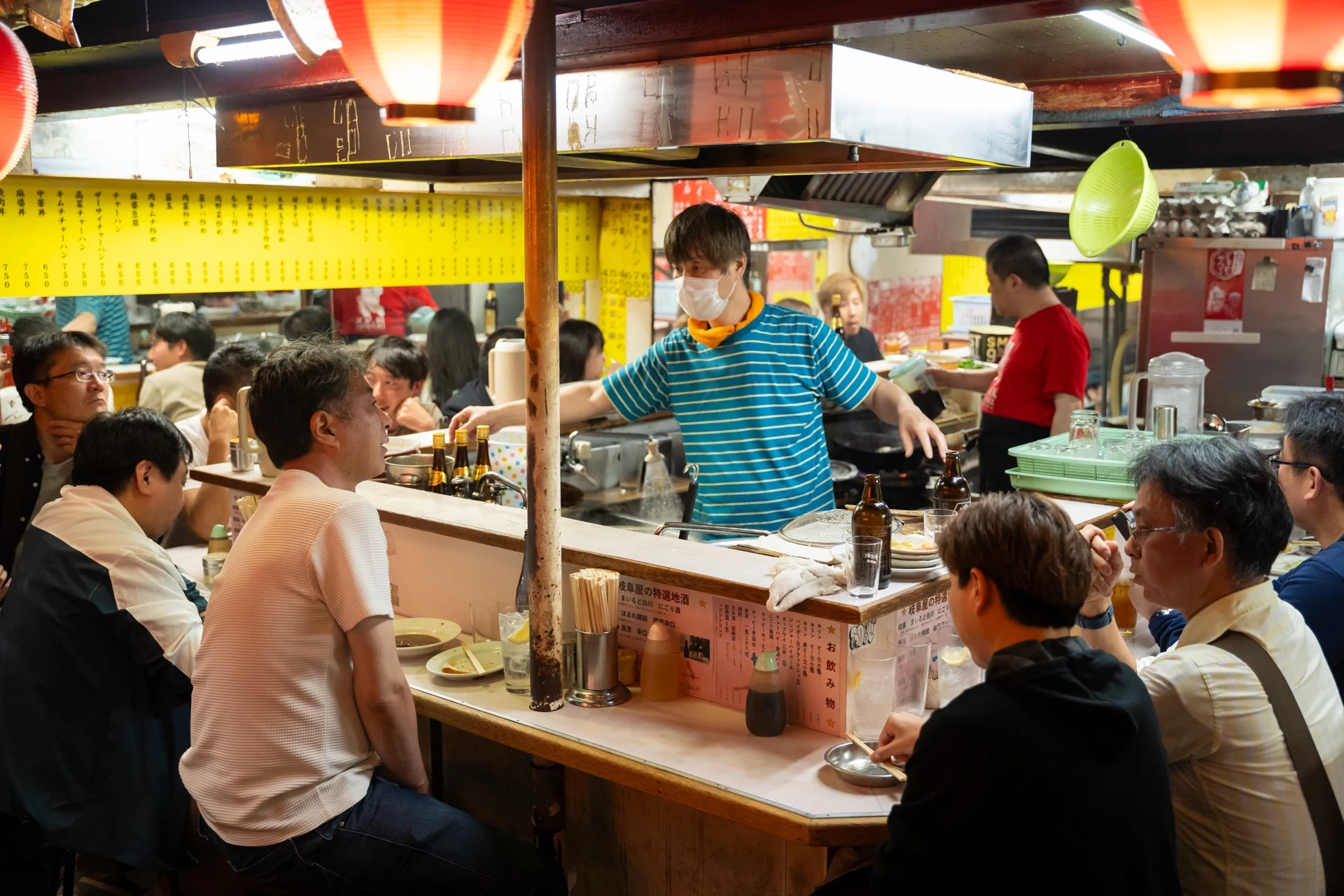
| Bars and izakaya | No | Pay the bill. A small appetizer charge (otoshi) at an izakaya is normal and not a tip |
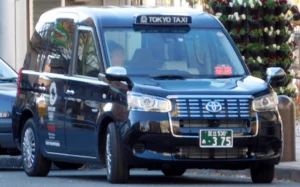
| Taxis | No | Pay the fare on the meter |
| Hotels | No | No need to leave money for housekeeping or porters |
| Private guide or interpreter | Optional | Some accept a tip as thanks. Not expected, so be discreet |
If you leave money on the table, staff may think you forgot it. Paying the exact bill is the polite thing to do.
If you want to give something: kokorozuke
Japan does have a custom called kokorozuke, a gratuity that “comes from the heart.” JNTO says that if you do give one, it is customary to put the money in an envelope rather than hand over bare cash. Small envelopes are sold at convenience stores, stationery shops and 100-yen shops.
- Hand it over quietly, not in front of other guests.
- If someone politely refuses, don’t insist.
- A small gift from your home country is another way to say thank you.
Taxes and charges that are not tips
These are part of the price, so they are worth knowing when you check a receipt.
| Charge | What it is |
|---|---|
| Consumption tax 10% | The standard rate on most goods and services, including eating in at a restaurant and alcohol |
| Consumption tax 8% | The reduced rate on food and non-alcoholic drinks you take away |
| Otoshi | A small appetizer many izakaya bring when you sit down. It appears as a small charge on the bill |
| Tokyo accommodation tax | Charged per person per night on hotel stays (see below) |
Shop and menu prices may be shown with tax (zeikomi, 税込) or before tax (zeinuki, 税抜). If the bill is higher than you expected, this is usually why. Visitors can buy many goods tax-free; see our tax-free shopping guide.
Tokyo’s accommodation tax
Hotels in Tokyo add a small tax per person, per night. It is based on the room rate, not counting meals.
| Room rate per person per night | Tax |
|---|---|
| Under ¥10,000 | None |
| ¥10,000 to under ¥15,000 | ¥100 |
| ¥15,000 and over | ¥200 |
The Tokyo Metropolitan Government plans to change this from fiscal year 2027 (starting April 2027): a rate of 3% of the room rate, with stays under ¥13,000 per person per night exempt, and vacation rentals (minpaku) and simple lodgings also covered. Check the official page before you book a stay after April 2027.
FAQ
Do you tip in Japan?
Generally no. JNTO says tipping is not common at restaurants, bars, cafes, taxis and hotels.
Is it rude to tip in Japan?
It is not expected, and staff may try to return the money. If you want to thank a private guide or interpreter, give a tip discreetly in an envelope.
Should I tip a taxi driver in Tokyo?
No. Pay the fare on the meter.
Why is my bill higher than the menu price?
The menu may show prices before tax, or an izakaya may have added a small appetizer charge (otoshi). Check the receipt.
Related Articles

Sources
Tipping guidance comes from JNTO’s official page on tipping in Japan; tax rates come from the National Tax Agency and the Tokyo Metropolitan Government Bureau of Taxation (checked October 21, 2026).