Researched guide · Last checked: Nov 15, 2026
The Itchiku Kubota Art Museum in Fujikawaguchiko, near Lake Kawaguchi, shows the work of Itchiku Kubota. Born in Tokyo in 1917, he was drawn to tsujigahana, an old dyeing technique, after seeing a fragment at the Tokyo National Museum in 1937. He later created his own style, “Itchiku tsujigahana”, for large kimono artworks. The museum opened in 1994. Its main hall is a wooden pyramid, and a garden of lava rock, stone and spring water surrounds the buildings.
Quick answer
An art museum for the dyed kimono works of Itchiku Kubota, with a garden.
Hours: April to November 10:00 to 17:00 (last entry 16:30); December to March 10:00 to 16:30 (last entry 16:00). Admission: Adults 1,500 yen, high school and university students 900 yen, elementary and junior high school students 400 yen, preschool children free. Closed: Check the calendar on the official website.
Quick facts
| What it is | An art museum for the dyed kimono works of Itchiku Kubota, with a garden |
| Hours | April to November 10:00 to 17:00 (last entry 16:30); December to March 10:00 to 16:30 (last entry 16:00) |
| Admission | Adults 1,500 yen, high school and university students 900 yen, elementary and junior high school students 400 yen, preschool children free |
| Closed | Check the calendar on the official website |
| Address | 2255 Kawaguchi, Fujikawaguchiko, Minamitsuru District, Yamanashi |
| Nearest station | Kawaguchiko Station (Fujikyu Line), then about 20 minutes by the Red Line sightseeing bus or about 10 minutes by taxi |
| From Tokyo | Chuo Highway Bus (Fuji Five Lakes Line) from Busta Shinjuku to Kawaguchiko Station, about 100 minutes |
| Last checked | November 2026 |
What to see
- Main hall: a pyramid-shaped building 13 m high, built around 16 large pillars of hiba wood more than 1,000 years old. You can see the whole wooden frame from inside. It shows works from Itchiku’s life work, the series “Symphony of Light” (Kokyo).
- Current exhibition: “Autumn at Oirase” runs from June 18, 2026 to about mid-December 2026. It shows 29 works from the Symphony of Light series, including 15 autumn and late-autumn pieces.
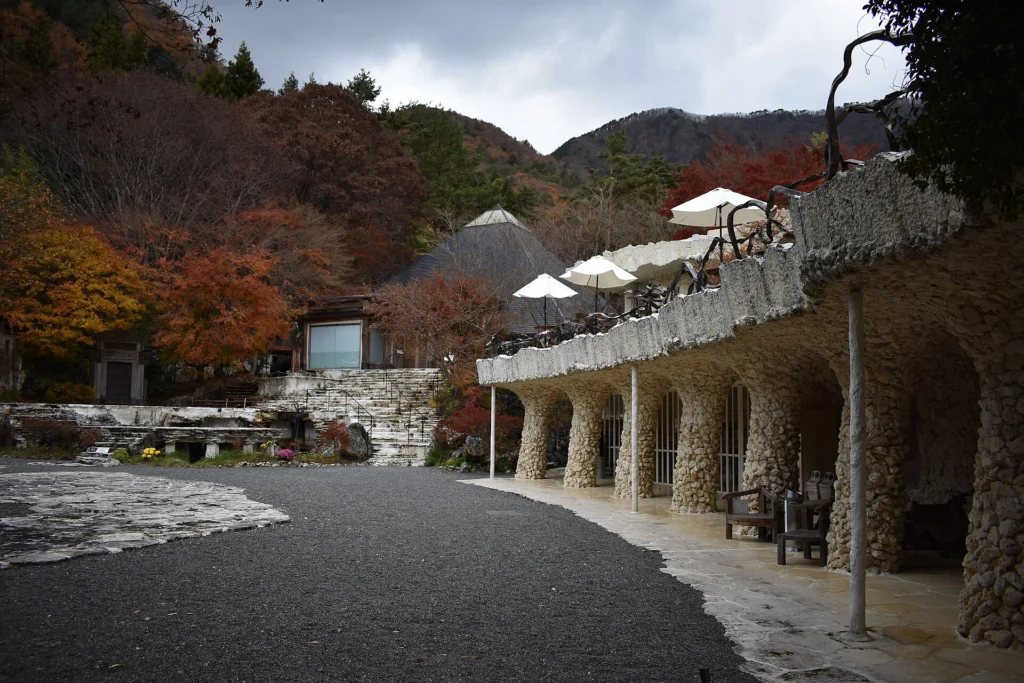
- New building: opened in 1997 and renewed in 2011, with columns of Ryukyu limestone stacked by hand and Okinawan plaster walls. It has a gallery of tombodama, decorated glass beads that Itchiku collected from around the world, plus a cafe and shop.
- Garden: made by Kyoto garden designer Yasuo Kitayama with Ryukyu limestone, Mt. Fuji lava and spring water. The large waterfall in front was finished in November 2001. Cherry blossoms, azaleas and autumn leaves change through the year.
- Jibozo cave: at the end of the walking path, a cave built of lava holds two statues carved in India in memory of Itchiku’s mother. They were unveiled on November 8, 1999.
About Itchiku Kubota
- Early life: born on October 7, 1917, in Kanda, Tokyo. He started learning yuzen dyeing in 1931.
- Tsujigahana: after the war he was held in Siberia. He came back in 1948 and began studying tsujigahana. He started his own dyeing method in 1961.
- Abroad: his work was shown in Paris in 1983 and later in other cities in Europe and North America, including at the Smithsonian National Museum of Natural History in 1995 and 1996. In 1990 France gave him the Chevalier of the Order of Arts and Letters.
Before you go
- Closed days: they change by month. Check the calendar on the official website before you go.
- No booking needed: individual visitors do not need a reservation. Groups arriving by bus must book.
- Combined tickets: the museum sells combined tickets with other Kawaguchiko attractions. See the official website for details.
- Parking: 60 spaces for cars.
Getting there from Tokyo
- Highway bus: the Chuo Highway Bus (Fuji Five Lakes Line) from Busta Shinjuku at Shinjuku Station South Exit to Kawaguchiko Station takes about 100 minutes.
- From Kawaguchiko Station: take the Kawaguchiko sightseeing bus (Red Line) to Kubota Itchiku Bijutsukan, about 20 minutes, or a taxi, about 10 minutes.
- Car: about 90 minutes from Shinjuku to Kawaguchiko IC by the Chuo Expressway, then about 15 minutes on Route 137.
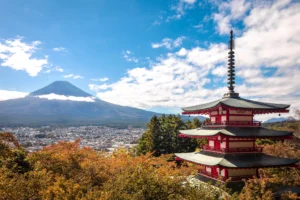
Plan the rest of your day with our Lake Kawaguchi guide. Nearby you can also visit the Chureito Pagoda and Oshino Hakkai. For more ideas, see our Mt. Fuji day trip guide.
FAQ
How much is admission to the Itchiku Kubota Art Museum?
Adults 1,500 yen, high school and university students 900 yen, and elementary and junior high school students 400 yen. Preschool children are free.
What are the opening hours?
From April to November, 10:00 to 17:00 (last entry 16:30). From December to March, 10:00 to 16:30 (last entry 16:00).
How do I get there from Kawaguchiko Station?
Take the Red Line sightseeing bus for about 20 minutes to Kubota Itchiku Bijutsukan, or a taxi for about 10 minutes.
Do I need to book?
No. Individual visitors do not need a reservation. Only groups coming by bus must book.
What is Itchiku tsujigahana?
Itchiku Kubota’s own dyeing style, based on tsujigahana, an old Japanese technique. He developed it after studying old tsujigahana fragments.
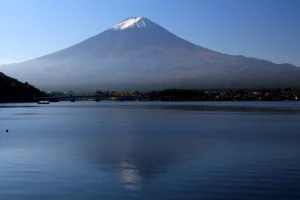
Also nearby: Kawaguchiko Mt. Fuji Panorama Ropeway.
Sources
Facts come from the official Itchiku Kubota Art Museum website (hours, admission, access, buildings, garden and biography pages), last checked on November 15, 2026. They are based on official sources, not our own visit. Closed days and exhibitions change, so check before you go. Last checked: November 2026 (on November 15, 2026).
- Itchiku Kubota Art Museum (official): Hours, admission and access (Japanese)
- Itchiku Kubota Art Museum (official): Main hall exhibition room (Japanese)
- Itchiku Kubota Art Museum (official): New building gallery (Japanese)
- Itchiku Kubota Art Museum (official): Garden (Japanese)
- Itchiku Kubota Art Museum (official): Jibozo cave (Japanese)
- Itchiku Kubota Art Museum (official): Biography (Japanese)