Researched guide · Last checked: Nov 15, 2026
Fugaku Wind Cave (Fugaku Fuketsu) and Narusawa Ice Cave (Narusawa Hyoketsu) are two lava caves in the Aokigahara forest at the foot of Mt. Fuji. They were formed by a lava flow from the eruption of Mt. Nagao, a side volcano of Mt. Fuji, in 864. Both are national natural monuments. Inside it is cold all year, and you can see ice in parts of the caves. A walk through each cave takes about 15 minutes, and buses from Kawaguchiko Station take about 30 minutes.
Quick answer
Two lava caves in the Aokigahara forest, both national natural monuments.
Hours: Both caves: November 16 to February 15, 9:00 to 16:30. Later in the year until 16:00 to 17:30, depending on the season. Admission: Each cave: adults 350 yen, children (elementary school and younger) 200 yen.
Quick facts
| What it is | Two lava caves in the Aokigahara forest, both national natural monuments |
| Hours | Both caves: November 16 to February 15, 9:00 to 16:30. Later in the year until 16:00 to 17:30, depending on the season |
| Admission | Each cave: adults 350 yen, children (elementary school and younger) 200 yen |
| Address | Fugaku Wind Cave: 2068-1 Saiko Aokigahara, Fujikawaguchiko. Narusawa Ice Cave: 8533 Narusawa. Both in Minamitsuru District, Yamanashi |
| Nearest station | Kawaguchiko Station (Fujikyu Line), then about 30 minutes by bus to the Fuketsu or Hyoketsu stop |
| From Tokyo | Chuo Highway Bus from Shinjuku to Kawaguchiko Station, about 1 hour 45 minutes (reservation needed), or JR Chuo Line and Fujikyu Line, about 2 hours |
| Last checked | November 2026 |
Fugaku Wind Cave
- Cold inside: the average temperature is 3°C, even in summer. Until the early Showa era (around the 1930s), it was used as a natural refrigerator to store silkworm eggs.
- Size: a horizontal cave 201 m long and up to 8.7 m high. Sound does not echo much, because the basalt walls absorb it.
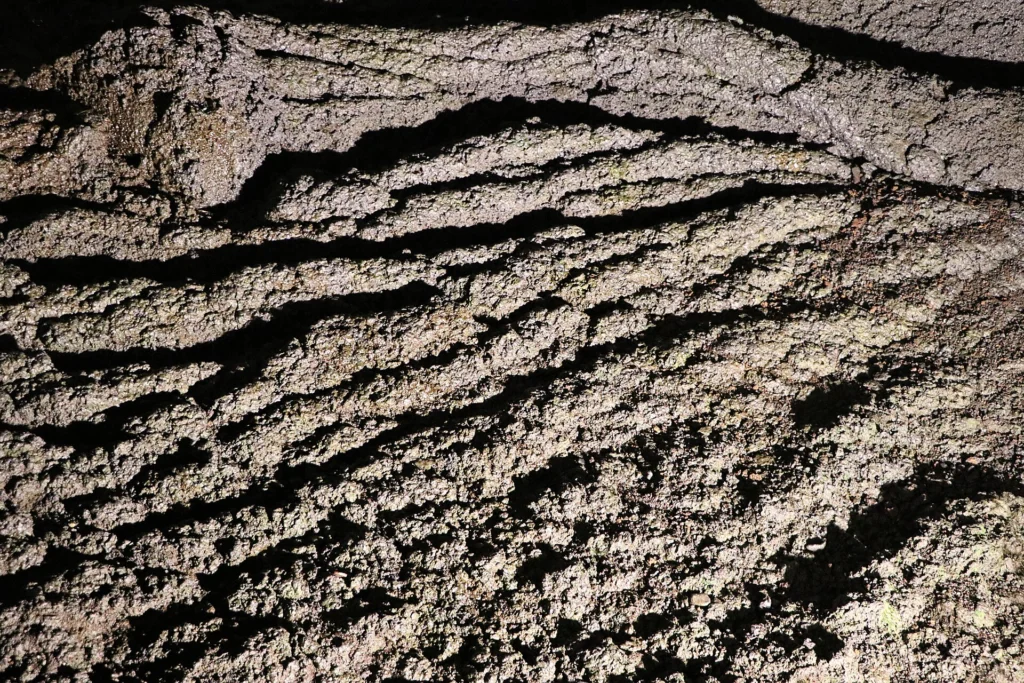
- What you see: the 15-minute route passes ice pillars that do not melt even in summer, lava shelves and ropy lava (lava that cooled in rope-like shapes).
- Shop: Mori no Eki Fuketsu sells local sweets, Koshu wine and hiking goods, including jackets and rain gear. Its food corner serves local dishes such as Fujinomiya yakisoba and Yoshida udon.
Narusawa Ice Cave
- A vertical cave: you go down and up stone steps the whole way. At the deepest point is a pond of ice.
- Natural monument since 1929: the cave was named a natural monument by the Ministry of Education in 1929.
- Ice season: natural ice forms in winter and can usually be seen until early autumn. The operator says there is not ice all year.
- The climb out: the last stairs go up 21 m in one go. Take a rest before you start.
Before you go
- Low ceilings: watch your head. The lowest point, in a lava tunnel, is only 91 cm high.
- Slippery steps: the steps in the ice cave are made of stacked stones and are wet. In spring they can be icy. Do not wear heels.
- Children: children under 100 cm tall cannot enter the ice cave, and you cannot carry a child inside.
- Health: in summer the temperature inside is more than 20°C lower than outside. The operator asks people with heart problems not to enter.
- No pets: pets are not allowed in either cave, even in a carrier.
- Busy times: lines can be long during Golden Week and the summer holidays.
Getting there from Tokyo
- Highway bus: the operator says the Chuo Highway Bus from Shinjuku to Kawaguchiko Station takes about 1 hour 45 minutes. Reservations are needed.
- Train: JR Chuo Line from Shinjuku to Otsuki (about 1 hour 20 minutes), then the Fujikyu Line to Kawaguchiko (about 1 hour). Some trains run through in about 2 hours.
- From Kawaguchiko Station: a local bus takes about 30 minutes to the Fuketsu or Hyoketsu stop. The Retro Bus sightseeing loop also stops there, with a 2-day pass for the Kawaguchiko and Saiko area.
- Car: about 20 minutes from Kawaguchiko IC on the Chuo Expressway. Parking: about 150 cars at the wind cave and 100 at the ice cave.
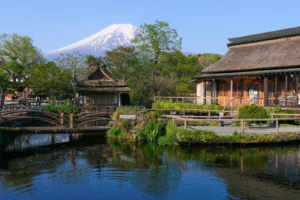
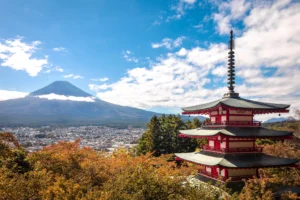
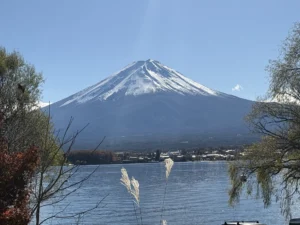
Combine the caves with Lake Kawaguchi, Oshino Hakkai or the Chureito Pagoda. For planning, see our Mt. Fuji day trip guide.
FAQ
How much does it cost to enter Fugaku Wind Cave and Narusawa Ice Cave?
Each cave costs 350 yen for adults and 200 yen for children of elementary school age and younger.
How cold is it inside?
The average temperature in Fugaku Wind Cave is 3°C. In summer it is more than 20°C colder than outside, so bring a jacket.
Can you see ice all year?
No. Ice forms in winter and can usually be seen until early autumn, but the operator says it is not there all year.
How long does a visit take?
The route through each cave takes about 15 minutes. It can take longer during Golden Week and summer holidays.
How do I get there from Kawaguchiko Station?
Take a local bus for about 30 minutes to the Fuketsu or Hyoketsu stop. The Retro Bus sightseeing loop also stops at both caves.
Keep reading
Sources
Facts come from the official website of Fugaku Wind Cave and Narusawa Ice Cave, run by Fuji Kyuko (cave, hours, access and safety pages), last checked on November 15, 2026. They are based on official sources, not our own visit. Hours change by season and weather, so check before you go. Last checked: November 2026 (on November 15, 2026).
- Fugaku Wind Cave and Narusawa Ice Cave (official): Fugaku Wind Cave (Japanese)
- Fugaku Wind Cave and Narusawa Ice Cave (official): Narusawa Ice Cave (Japanese)
- Fugaku Wind Cave and Narusawa Ice Cave (official): Access (Japanese)
- Fugaku Wind Cave and Narusawa Ice Cave (official): Before you enter (Japanese)