Researched guide · Last checked: Nov 16, 2026
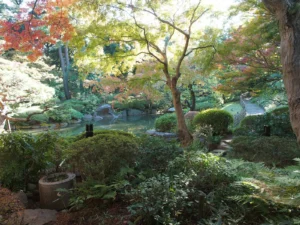
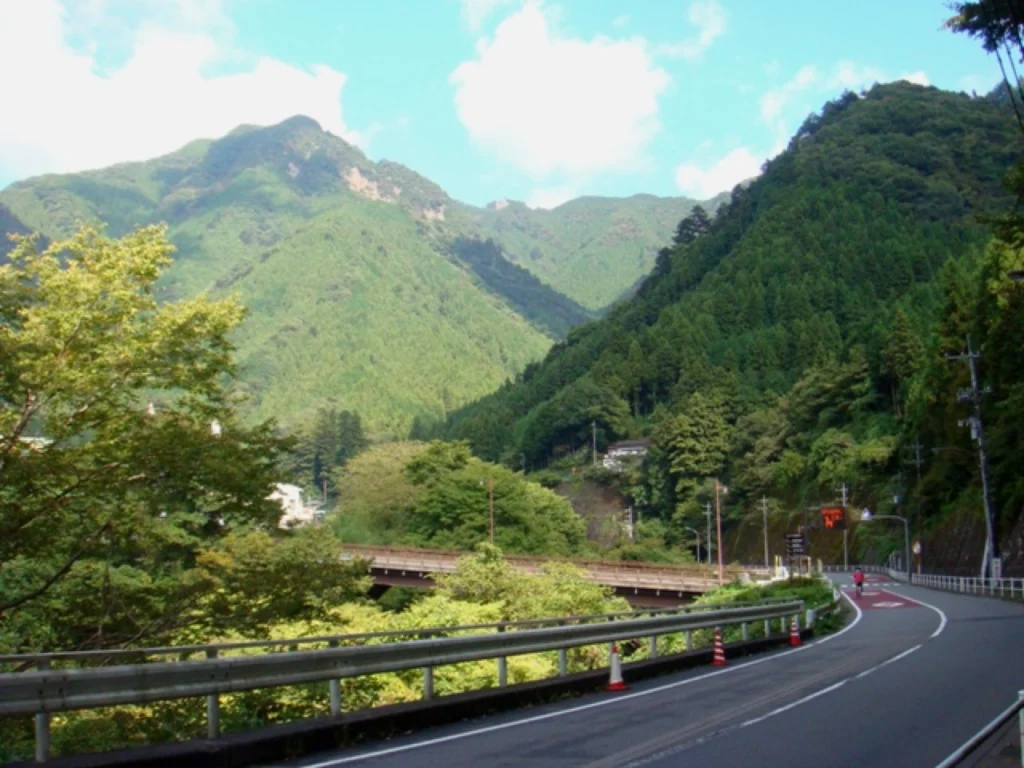
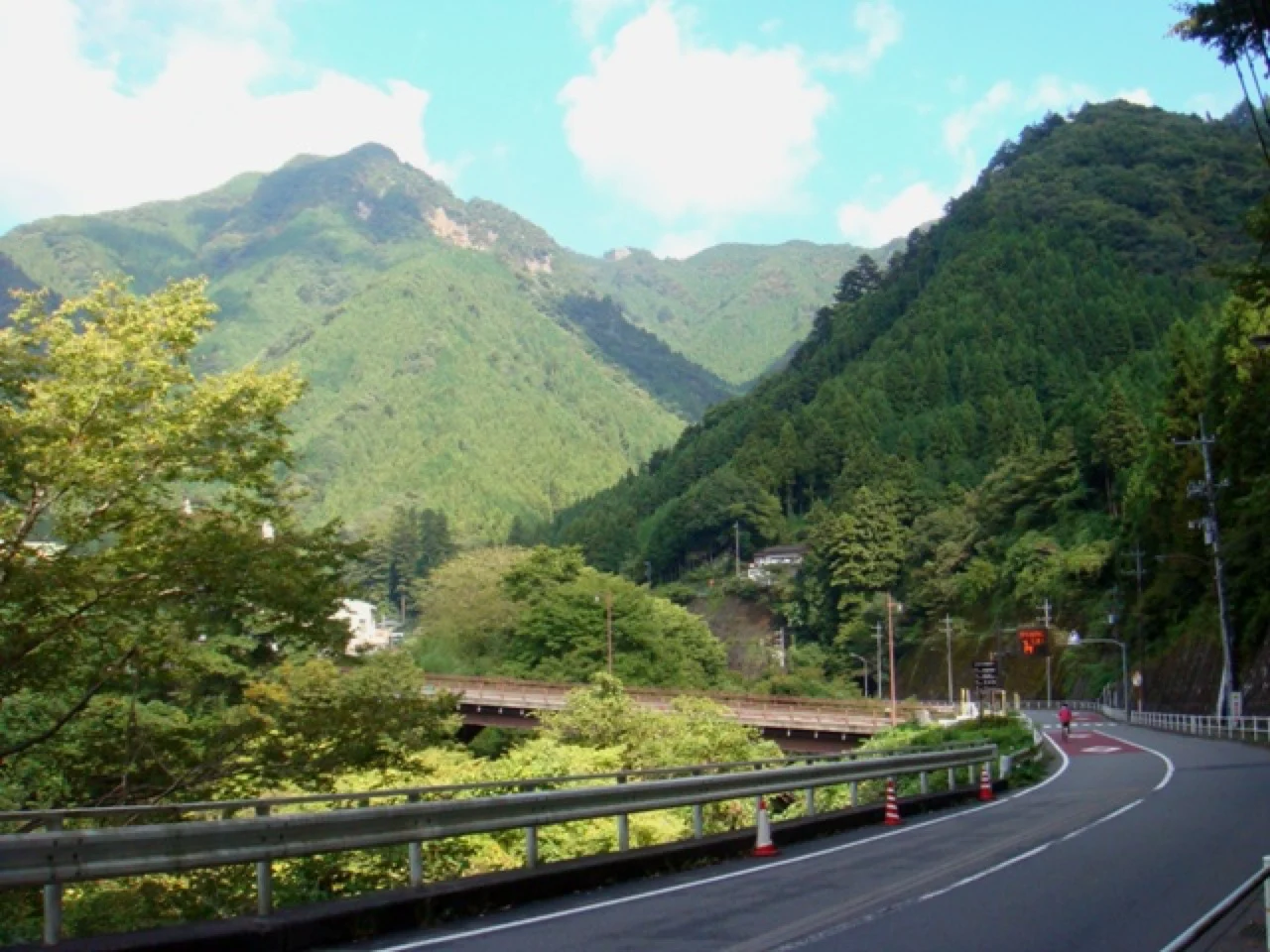
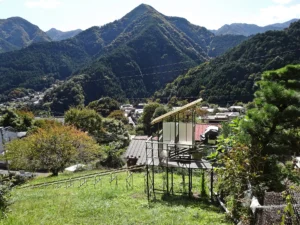
Hinohara is a small mountain village in western Tokyo. More than 90% of the land is forest. The Tokyo Metropolitan Government says it is known for waterfalls, cedar forests and mountain passes. This guide shows how to get there, what to see and how to plan one day.
Quick answer
Hinohara is about 1 hour 55 minutes from Shinjuku Station by train and local bus, according to the Tama tourism site. By car it is about 1 hour 30 minutes. Hossawa Falls, the best-known sight, is on a local bus from Musashi-Itsukaichi Station.
Buses may not run often, and there are few shops. Check the bus times, bring lunch and plan to be back at the station before dark.
Overview
| Where | Hinohara Village, a mountain village on the upper Akigawa River in western Tokyo |
| Main station | Musashi-Itsukaichi Station (JR Itsukaichi Line), then a local bus |
| From Shinjuku | About 1 hour 55 minutes by train and bus. About 1 hour 30 minutes by car. Tama tourism site |
| Time needed | One long day for two or three stops. Our suggestion, not an official figure |
| Good for | Waterfalls, forest walks, a family museum, quiet river scenery |
| Source | Tokyo Metropolitan Government Tama tourism site (official, English) |
| Last checked | November 2026 (on November 16, 2026) |
Getting There
Take the JR Chuo Line from Shinjuku and change to the JR Itsukaichi Line. Get off at Musashi-Itsukaichi Station. From there, you need a local bus. The Tama tourism site gives about 1 hour 55 minutes from Shinjuku to the Hinohara Village Office, including the bus. Times change with the train you catch, so check them in a route app. For train basics and IC cards, see trains in Tokyo and how to use Suica.
- To Hossawa Falls. The official Tama route page lists the Gotaki 10 bus from Musashi-Itsukaichi Station to the Hossawa Falls Entrance stop. It takes about 12 minutes and costs 530 yen.
- To Hinohara Tokyo Citizens’ Forest. GO TOKYO says about 75 minutes by bus from Musashi-Itsukaichi Station. The forest’s own site links to a bus timetable, but we could not read fares or times there.
- By car. The Tama site lists about 1 hour 30 minutes from Shinjuku. Some Tama itineraries use a rental car for a weekend trip.
The Tama article warns that buses may be infrequent, especially outside busy seasons. Check the timetable before you go, and note the last bus back.
Hossawa Falls
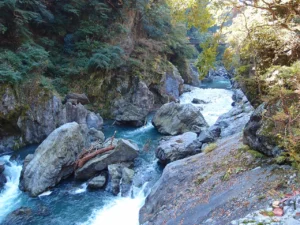
Hossawa Falls is named one of Japan’s Top 100 Waterfalls by the Ministry of the Environment, and the Tama article says it is the only one in Tokyo. The drop is about 60 meters over four tiers. The Tama article says the last tier is the tallest and easiest to see.
- The walk. The Tama article says it is a short, pleasant hike from the bus stop or parking lot. Another Tama article says about 15 minutes along a tree-lined path, with a short stone staircase for a closer view. The parking lot has a restroom.
- Seasons. Spring and summer are green and cool. A summer festival lights up the falls every August. In winter the water sometimes freezes.
- More waterfalls. The Tama article says the village has at least 50 well-known waterfalls.
For the full visit, see our Hossawa Falls page. The hours and fees are not listed on the official pages we read, so check before you go.
Hinohara Tokyo Citizens’ Forest
This forest sits halfway up a mountain near Mt. Mito. GO TOKYO calls it a place for “forest therapy”, with trails for all levels, streams, waterfalls and seasonal color. It also lists birdwatching and woodworking classes. GO TOKYO lists admission as free.
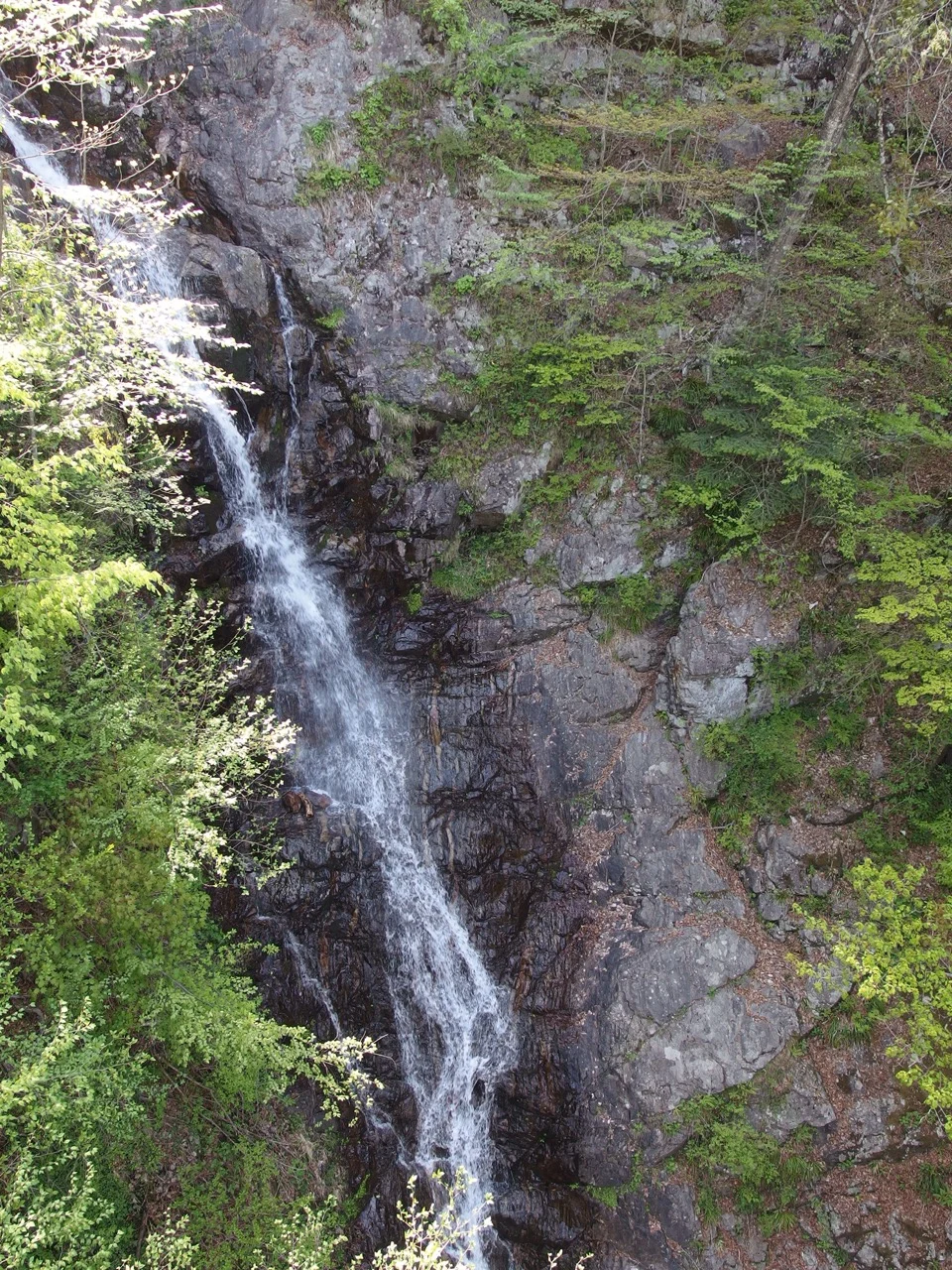
- Easy trail. The Tama article says the Mito Otaki Falls walking trail is about 0.9 km, fairly flat and suited to all ages. The Otaki Forest Therapy Path starts at the Forest Hall, is covered in wood chips and leads to the falls and Takimi Bridge.
- Longer trails. The Tama article says routes range from 0.9 to 7.6 km. The forest’s site lists six courses, including a Mt. Mito loop.
- Hours. The forest’s official site (Japanese) gives 9:30 to 16:00 from November 16 to March 15, 9:30 to 16:30 from March 16 to July 20 and September 1 to November 15, and 9:30 to 17:30 from July 21 to August 31.
- Closed days. Mondays (the next day if Monday is a holiday) and December 29 to January 3. It stays open every day during Golden Week (April 29 to May 5), summer break (July 21 to August 31) and the autumn leaf season (October 1 to November 30).
- Shuttle. The official site says a free shuttle runs between the parking lot and the Forest Hall.
- Food. The Tama article names Tochinomi, a restaurant in the Forest Hall, known for tendon (tempura over rice), with soba and udon at 650 to 1,200 yen. The forest’s site posted closure notices for the restaurant and shop this autumn, so check first.
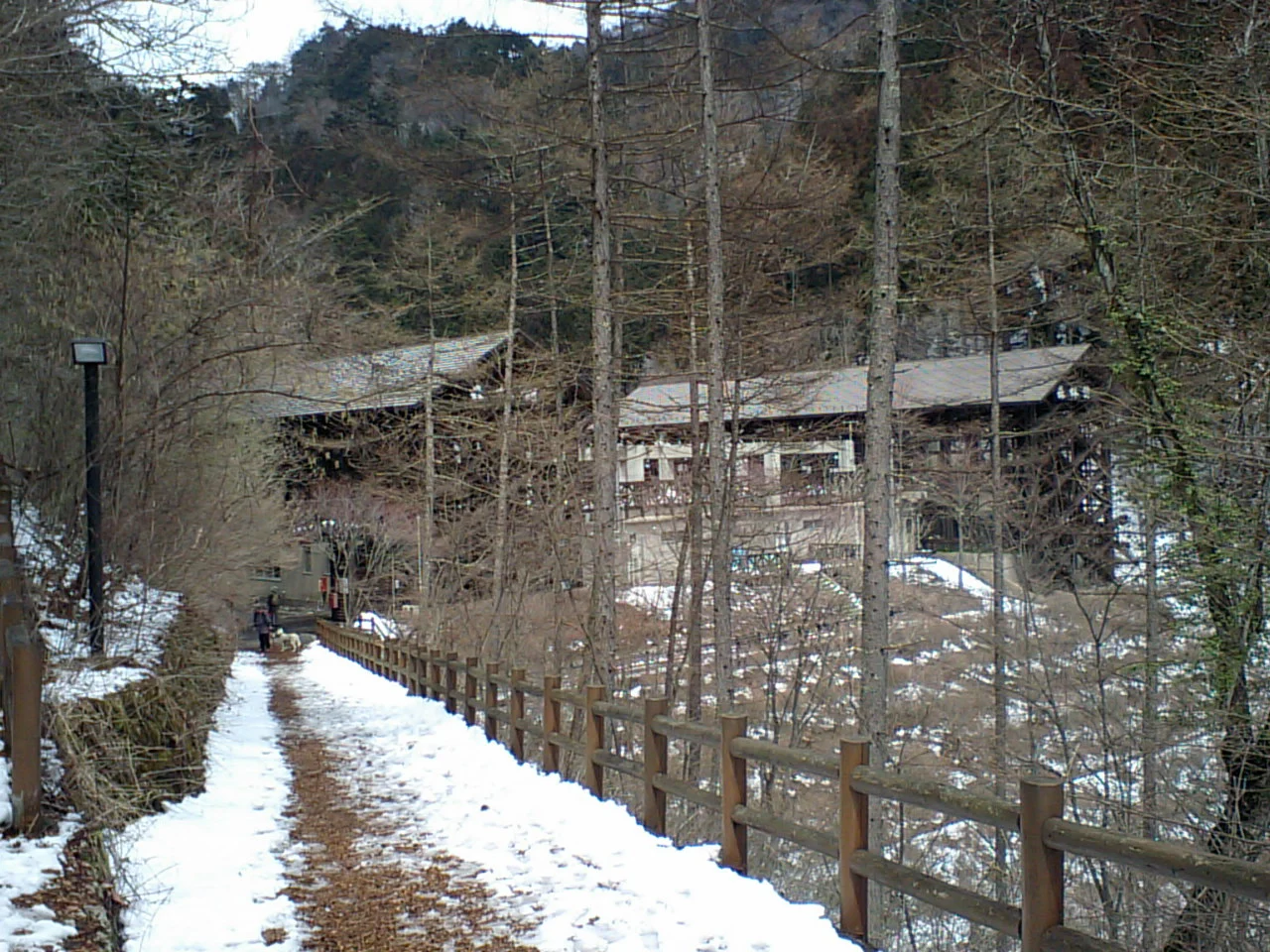
Hinohara Toy Museum Tokyo
This two-story wooden toy museum is in a former elementary school. The Tama article says the old blackboard and school clock are still on display. It is a good rainy-day stop for families.
- First floor. A forest-style lobby with a wooden slide and a ball pit styled like a river.
- Second floor. A baby room for ages 0 to 2, blocks and puzzles, toys made in Hinohara and a kendama (cup-and-ball toy) area.
- Extras. A small cafe, a souvenir shop, a craft area and an outdoor treehouse. The Tama article suggests at least half a day.
- Fees. The museum’s Japanese site gives 900 yen as the regular child fee. We did not find the adult fee on the official pages. Check before you go.
- Hours and closed days. The museum site shows its calendar as an image, so we could not confirm them. Check the museum’s site before you go.
Right next to the Hinohara Village Office is Cafe Seseragi, a riverside cafe known for cheesecake and hand-dripped coffee, run for more than 20 years by one couple (Tama article). Hours are not listed.
Other Things to Do
- Trout fishing. Kanoto International Trout Fishing Ground lets you fish with a rod or catch trout by hand. The Tama article gives 2,600 to 3,600 yen per person for fishing packages and says it is less than a 30-minute drive from Musashi-Itsukaichi Station. Booking rules are not listed.
- Cycling. The Tama two-day route uses a guided electric-assist bicycle tour from a rental station near Hossawa Falls. Ask the operator for details.
- River camping. MOSAIC Tokyo Hinohara is a private riverside cabin and campsite for one family per night, with a sauna (Tama article). Rates and booking steps are not listed.
- Hot spring. A Tama day itinerary ends at Seoto-no-Yu spa, with an outdoor bath that looks over Akigawa Gorge. See our Akiruno and Akigawa Valley guide.
A One-Day Plan
This is our suggested plan. It is not an official route. Check the bus times first, because they set the pace of the day.
| Time | Stop |
|---|---|
| Morning | JR Itsukaichi Line to Musashi-Itsukaichi Station |
| Late morning | Gotaki 10 bus to Hossawa Falls Entrance, then walk to the falls |
| Lunch | Bring lunch. The Tama article says shops are few |
| Afternoon | Hinohara Toy Museum if you have children, or a short riverside cafe stop |
| Before dark | Last bus back to Musashi-Itsukaichi Station |
The official Tama day itinerary for rivers, springs and waterfalls starts from Musashi-Itsukaichi at 9:00. It takes a bus of about 27 minutes to Senzoku stop, then walks to Tengu Falls and Hossawa Falls. It returns at 17:00. It gives no hike length, so ask locally.
Seasons
- Spring and summer. Fresh green and cool mist at the falls. August has the Hossawa Falls light-up festival (Tama article).
- Autumn. The Citizens’ Forest stays open every day from October 1 to November 30. See autumn leaves in Tokyo and Tokyo in November.
- Winter. The falls sometimes freeze (Tama article). Check road and bus news before you go. The Forest’s winter hours end at 16:00.
For nearby western Tokyo trips, see the Okutama guide, the Ome guide, the Mt. Takao guide, Tokyo with kids and day trips from Tokyo.
Tips Before You Go
- Bring food and cash. The Tama article says few convenience stores or supermarkets are nearby. The GO TOKYO page lists cash for the Citizens’ Forest.
- Call ahead. The Tama article says many local businesses are run by one owner, so call before you visit, especially for groups.
- Stay overnight if you can. The Tama site suggests an overnight stay and booking early for weekends and busy seasons.
- Wear walking shoes. The trails are forest and stone steps, so wear shoes with good grip.
FAQ
Where is Hinohara?
Hinohara is a mountain village in the Nishitama area of western Tokyo. The Tokyo Metropolitan Government Tama tourism site says more than 90% of its land is forest.
How long does it take from Shinjuku?
The Tama tourism site lists about 1 hour 55 minutes to the Hinohara Village Office by train and bus, or about 1 hour 30 minutes by car. Check your route in an app.
How do I get to Hossawa Falls?
Take the Gotaki 10 bus from Musashi-Itsukaichi Station to the Hossawa Falls Entrance stop. The Tama route page lists about 12 minutes and 530 yen. Then walk to the falls. Check the timetable first.
Is Hinohara Tokyo Citizens’ Forest free?
GO TOKYO lists admission as free. Hours change by season, and it is closed on Mondays and from December 29 to January 3. Check the forest’s site before you go.
Can I do Hinohara as a day trip from Tokyo?
Yes, but plan one or two stops. The bus ride is long, and buses may be infrequent. Check the last bus back to Musashi-Itsukaichi Station.
Keep reading
Related guides
Sources
The facts come from the official pages below, and the Tokyo notes from our own pages. Last checked: November 2026 (on November 16, 2026). Hours, fares and bus times change, so please check before you go.
- Tokyo Metropolitan Government Tama tourism site: Hinohara (official, English)
- Tama tourism site: Family Adventures in Hinohara (official, English)
- Tama tourism site: 3-Day Adventure in Tama (official, English)
- Tama tourism site: A Day of Exploring Akiruno and Hinohara (official, English)
- Tama tourism site: Two-Day Western Tama Nature Route, Hinohara and Akiruno (official, English)
- GO TOKYO: Hinohara Tokyo Citizens’ Forest (official, English)
- Hinohara Tokyo Citizens’ Forest official site (Japanese)
- Hinohara Toy Museum official site (Japanese)