Researched guide · Last checked: Nov 18, 2026
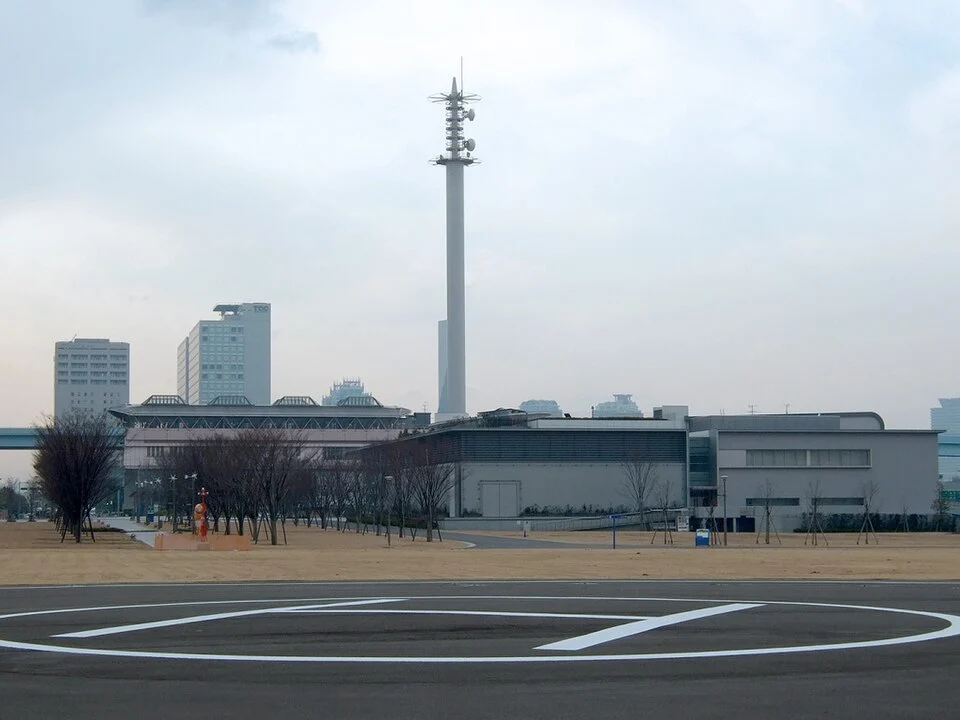
Tokyo Rinkai Disaster Prevention Park is a free park in Ariake, Koto City. If a large earthquake hits the Tokyo area, the park is meant to become the base for the national emergency response, so it cannot be used as a shelter. In normal times it is open to visitors, and it has Sonae Area Tokyo, a free learning center with a life-size model of a disaster-hit area and a guided tour called the Tokyo 72-Hour Tour.
Quick answer
Tokyo Rinkai Disaster Prevention Park is a free park in Ariake, Koto City.
Admission: Free (park and Sonae Area).
Opened: July 1, 2010.
Quick facts
| What it is | A national and metropolitan park with a disaster learning center, Sonae Area Tokyo |
| Park hours | 6:00 to 20:00. The park is closed on December 31 and January 1 |
| Sonae Area hours | 9:30 to 17:00 (entry until 16:30). Closed on Mondays and the second Tuesday of each month (open on holidays, then closed the next day), and at New Year |
| Admission | Free (park and Sonae Area) |
| Opened | July 1, 2010 |
| Size | Metropolitan park part: about 6.5 hectares (65,197.12 square meters, as of April 1, 2025). The national park part is about 67,000 square meters |
| Address | 3-chome Ariake, Koto City, Tokyo |
| Nearest stations | Kokusai-Tenjijo Station (Rinkai Line): 4 minutes. Ariake Station (Yurikamome): 2 minutes |
| Reservation | Not needed for individuals and families. Groups of 10 or more book online |
| Last checked | November 2026 |
What to see
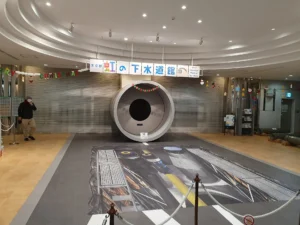
- Tokyo 72-Hour Tour: a guided learning tour on the first floor of Sonae Area Tokyo. It uses life-size models of a disaster-hit area to teach how to get through the hours after a quake when help is scarce. The center says the first-floor tour takes about 30 to 40 minutes.
- Disaster learning zone: on the second floor, with information on preparing for evacuation and life as an evacuee, and on why a big quake can hit the Tokyo area.
- Operations room: through a viewing window you can see the room that is a candidate site for the national emergency headquarters.
- Flower beds and lawns: a naturalistic garden and a perennial garden, plus zelkova trees along the entrance plaza.
- Free time on the roof garden: the center lists a roof garden and the grounds for free viewing.
Plan your visit
- Tour times: the center says it guides a tour about once an hour. Each tour is for 40 people from individuals and families together. If a tour is full, you wait for the next one, so arrive early and see the second-floor zone first.
- No parking: there is no parking lot for individual visitors. Use public transport.
- Old notice: the official top page still shows an old notice saying Sonae Area Tokyo is temporarily closed because of the pandemic, but it also posts recent tour news. Check the news page before you visit.
- Not a shelter: the park says it cannot be used as an evacuation place in a disaster, because an emergency headquarters would be set up there.
- Filming: filming in the park needs permission from the park management center in advance.
Getting there
- Yurikamome, Ariake Station: about 2 minutes on foot.
- Rinkai Line, Kokusai-Tenjijo Station: about 4 minutes on foot.
- Toei bus: Kado 19-ko line to Gan-Kenkyukai Ariake Byoin-mae, about 2 minutes. Higashi 16 line to Ariake 2-chome, about 7 minutes.
FAQ
Is Sonae Area Tokyo free?
Yes. The official site lists admission to the park and the center as free.
Do I need a reservation?
Not for individuals and families. Groups of 10 or more book on the center’s website.
When is it closed?
The center is closed on Mondays and the second Tuesday of the month, and at New Year. If that day is a public holiday, it opens and closes the next day.
How long does the tour take?
The center says the first-floor tour takes about 30 to 40 minutes. Tours run about once an hour.
Can I use the park as a shelter in a disaster?
No. The park says it cannot be used as an evacuation place because an emergency headquarters would be set up there.
Keep reading
Sources
Facts come from the official pages of the Tokyo Metropolitan Park Association and the national Tokyo Rinkai Disaster Prevention Park site (in Japanese), last checked on November 18, 2026. They are based on official sources, not our own visit. Last checked: November 2026 (on November 18, 2026).