Researched guide · Last checked: Nov 15, 2026
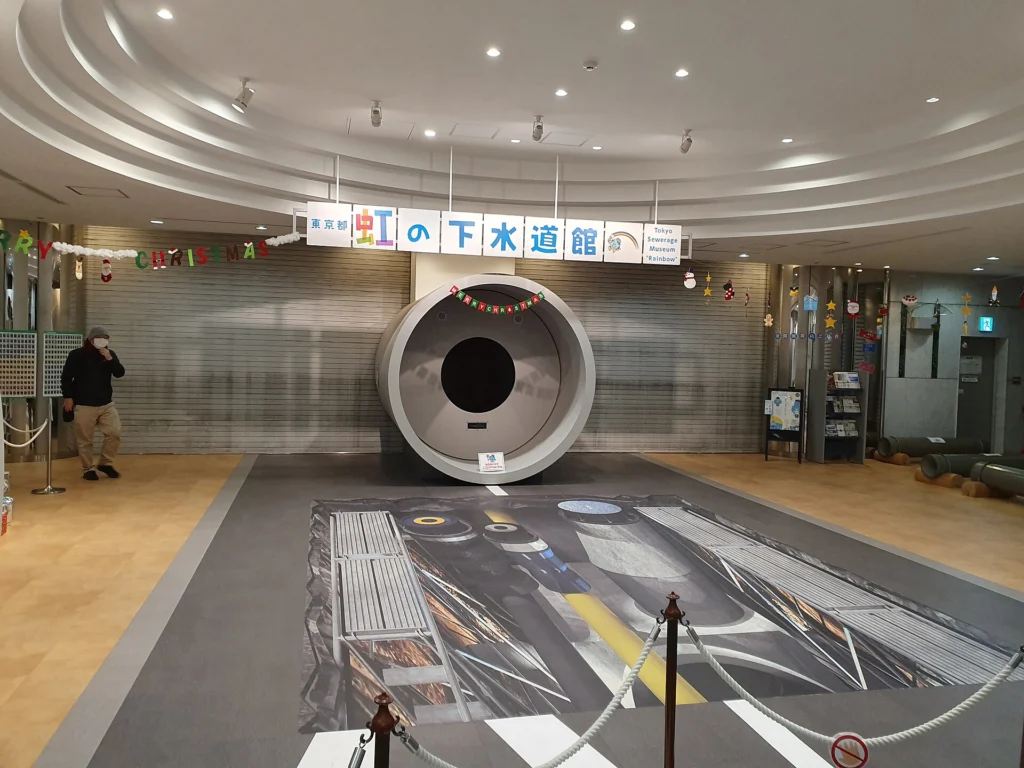
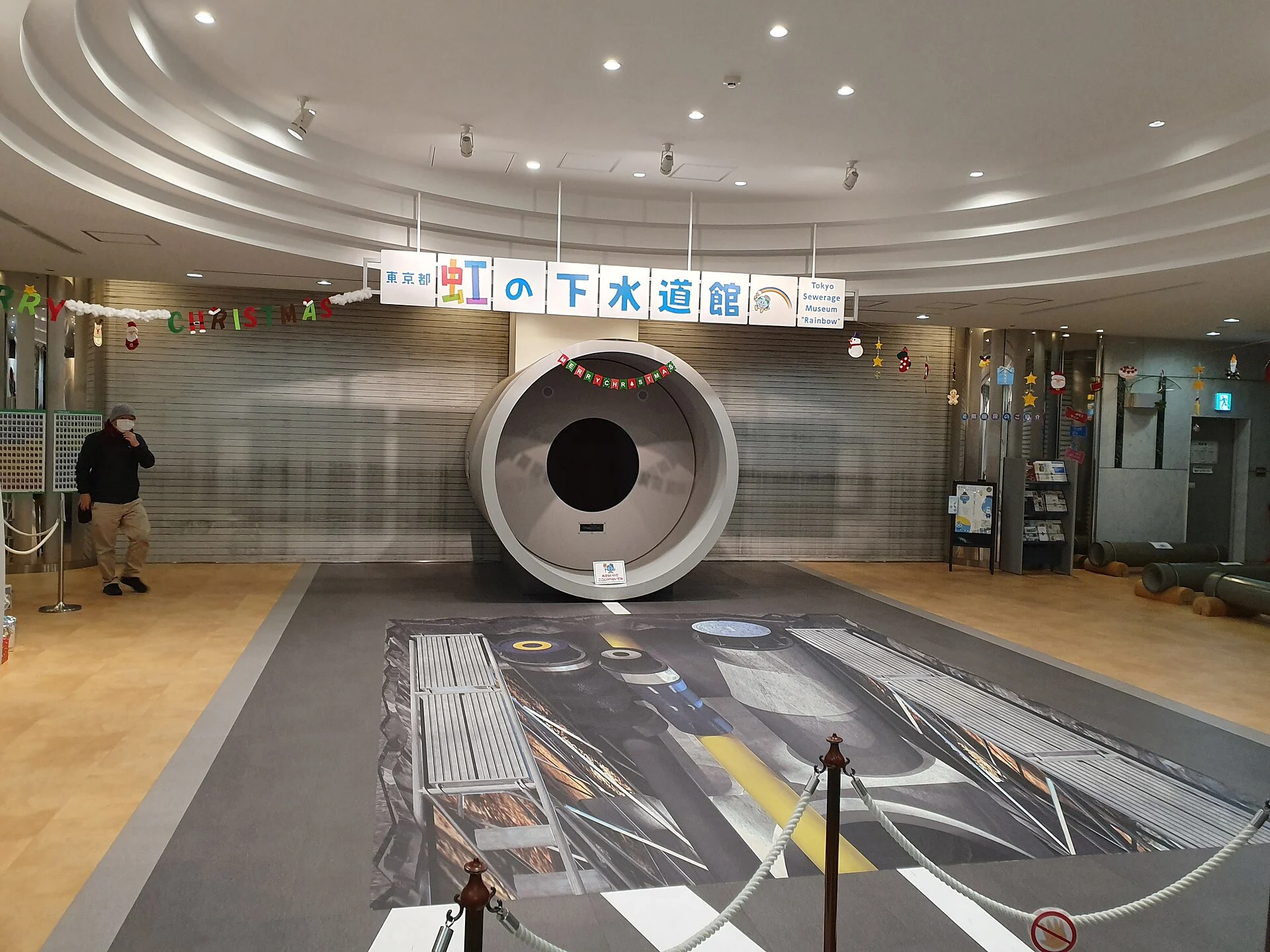
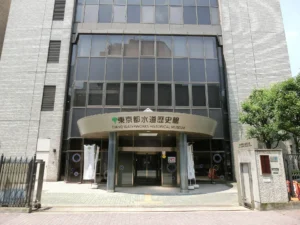
The Tokyo Rainbow Sewerage Museum (Niji no Gesuidokan) is a free museum of the Tokyo Metropolitan Bureau of Sewerage in Ariake, Koto Ward. It sits on the 5th floor of the Ariake Water Reclamation Center. Inside, a small model town lets you try the work of the sewer system, from pipes to pumping stations.
Quick answer
A hands-on museum about sewers and water reclamation, run by the Tokyo Metropolitan Bureau of Sewerage.
Hours: 9:30 to 16:30. Last entry 16:00. Admission: Free. No booking is needed for individuals.
Quick facts
| What it is | A hands-on museum about sewers and water reclamation, run by the Tokyo Metropolitan Bureau of Sewerage |
| Hours | 9:30 to 16:30. Last entry 16:00 |
| Closed | Mondays (open if the Monday is a holiday, and closed the next day), and the New Year holidays. It is open on Sewerage Day (September 10) and Tokyo Citizens’ Day (October 1) |
| Admission | Free. No booking is needed for individuals |
| Address | 2-3-5 Ariake, Koto City, Tokyo 135-0063 (5th floor of the Ariake Water Reclamation Center) |
| Nearest station | Odaiba-Kaihinkoen (Yurikamome), about 8 minutes on foot. Kokusai-Tenjijo (Rinkai Line), about 12 minutes |
| Phone | 03-5564-2458 |
| Last checked | November 2026 |
What to see
- Rainbow Town: the official site calls the main area a town where you can try sewer work you cannot normally see. It has a pumping station, a central control room and a water quality lab.
- Real pipes: you can look into a manhole from outside, and see real sewer pipes and how pipe rebuilding work is done.
- Ball Circus: a play exhibit for children where you feel how water flows. On weekends and holidays it runs at fixed times.
- Rainbow Cinema: tell the staff which film you want to watch. On weekends and holidays the show times are fixed.
- Workshops: a daily craft menu runs from November 10, 2026 to February 10, 2027 with no booking. Special events are listed on the museum’s event page.
Tips
- A notice dated November 11, 2026 says the toilets in the building are being fully renovated. Check the museum’s news page before you go.
- Groups need to book through the museum’s form. Individuals do not need to book, according to the official bureau page.
- A free parking area is for group buses only and is booked in advance. A paid car park (Times Ariake Sports Center) is nearby, with spaces for disabled drivers.
Getting there
- Yurikamome: Odaiba-Kaihinkoen Station, about 8 minutes on foot.
- Rinkai Line: Kokusai-Tenjijo Station, about 12 minutes on foot. Leave by the Ariake Colosseum exit.
- Bus: Toei Bus, get off at Ariake 1-chome (3 minutes on foot) or Ariake Clean Center-mae (1 minute).
- Address: 2-3-5 Ariake, Koto City.
FAQ
Is the Tokyo Rainbow Sewerage Museum free?
Yes. The official site says admission is free.
Do I need to book?
Not for individuals, according to the Tokyo Metropolitan Bureau of Sewerage page. Groups need to apply in advance through the museum’s form.
What are the opening hours?
9:30 to 16:30, with last entry at 16:00. It is closed on most Mondays and over the New Year holidays.
Where is the museum?
On the 5th floor of the Ariake Water Reclamation Center, 2-3-5 Ariake, Koto City. It is about 8 minutes on foot from Odaiba-Kaihinkoen Station.
Is it good for children?
The official site describes it as a hands-on facility, with a play exhibit called Ball Circus for children and regular craft workshops.
Keep reading
Also nearby: Free Ariake museums day plan.
Sources
Facts come from the official Tokyo Rainbow Sewerage Museum website and the Tokyo Metropolitan Bureau of Sewerage visitor guide, last checked on November 15, 2026. This page is based on official sources, not our own visit. Last checked: November 2026 (on November 15, 2026).
- Tokyo Rainbow Sewerage Museum (official, English): Home page
- Tokyo Rainbow Sewerage Museum (official, Japanese): Access
- Tokyo Rainbow Sewerage Museum (official, Japanese): About the museum
- Tokyo Rainbow Sewerage Museum (official, Japanese): Floor guide
- Tokyo Metropolitan Bureau of Sewerage (official, Japanese): Visitor guide