Researched guide · Last checked: Nov 15, 2026
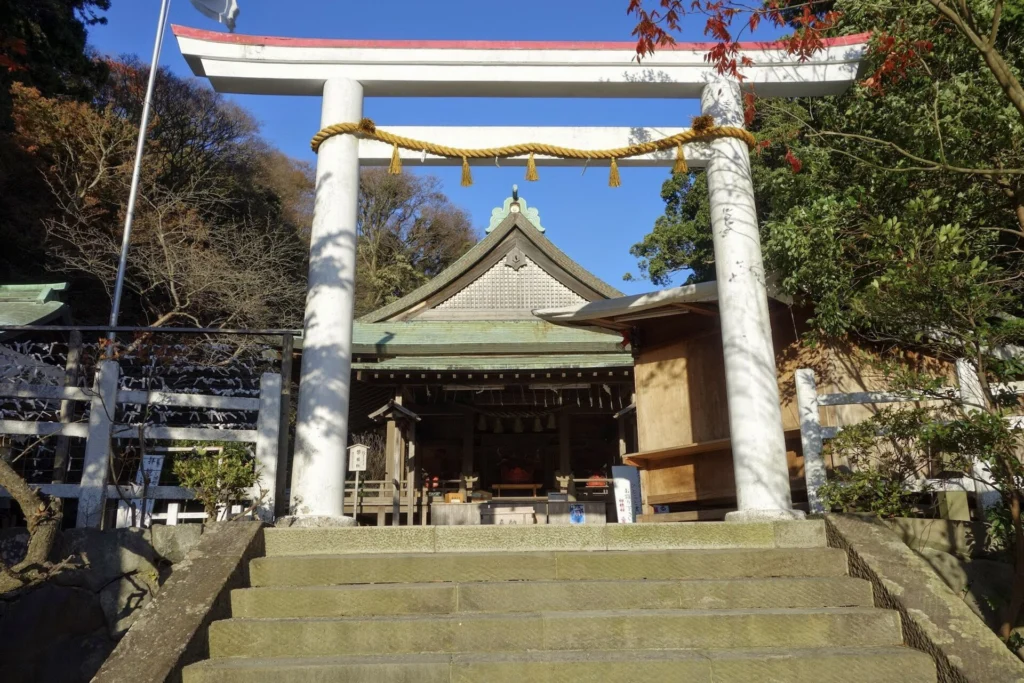
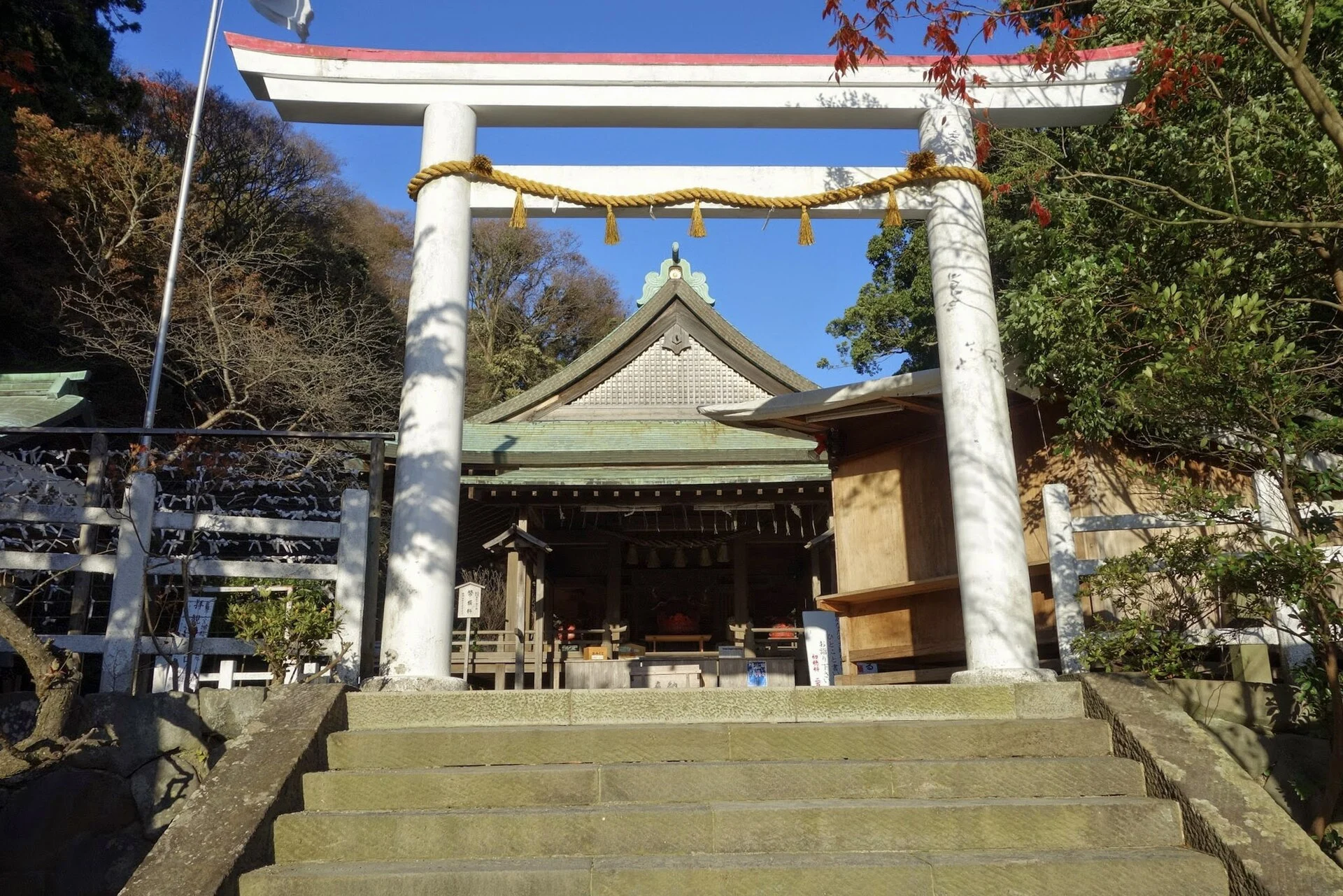
Kamakura-gu is a Shinto shrine in the Nikaido area of Kamakura, Kanagawa. It honors Prince Moriyoshi (also called Prince Morinaga or Otonomiya), who helped bring down the Kamakura shogunate and then died in Kamakura in 1335 at age 28. Emperor Meiji founded the shrine in 1869. The shrine office is open from 9:00 to 16:00, and you reach the shrine by a Keikyu bus from JR Kamakura Station. There is no car park, and the shrine takes cash only.
Quick answer
A Shinto shrine for Prince Moriyoshi, founded in 1869 by Emperor Meiji.
Hours: The shrine office is open 9:00 to 16:00. Prayers are taken from 9:20 to 16:00. The shrine has no regular closing day. The shrine does not list opening hours for the grounds. Admission: No fee is listed for the grounds.
Quick facts
| What it is | A Shinto shrine for Prince Moriyoshi, founded in 1869 by Emperor Meiji |
| Hours | The shrine office is open 9:00 to 16:00. Prayers are taken from 9:20 to 16:00. The shrine has no regular closing day. The shrine does not list opening hours for the grounds |
| Admission | No fee is listed for the grounds |
| Address | 154 Nikaido, Kamakura, Kanagawa 248-0002 |
| Nearest station | JR Kamakura Station, then a Keikyu bus bound for Kamakura-gu to the last stop. The shrine is in front of the stop |
| Parking and payment | No car park for general visitors. Tour buses cannot enter. Cash only; cards, PayPay and e-money are not accepted |
| Last checked | November 2026 |
What to see
- The prince: the shrine says Prince Moriyoshi became the head priest of Enryaku-ji on Mt. Hiei, worked for his father Emperor Go-Daigo, and helped defeat the Kamakura shogunate. Ashikaga Takauji then had him confined in Nikaido, where he died in 1335.
- Shrine history: Emperor Meiji, who felt great respect for the prince, ordered the shrine in 1869 and chose the name Kamakura-gu himself. In 1873 it was ranked as a kanpei-chusha, an official government shrine.
- Waka omikuji: the shrine writes its own fortune slips, called waka-mikuji, by hand. All the poems come from the Shin Kokin Wakashu, a poetry collection ordered by Emperor Go-Toba. One draw is 200 yen and includes a short explanation, and there is a hidden secret slip.
- Shell-trumpet shrine maiden: the prince once hid in the disguise of a mountain priest (yamabushi), so the shrine’s miko blow the conch shell trumpet (horagai) during events.
- Seasonal events: the shrine holds a monthly festival. On November 22 and 23, 2026 it holds a minor-shrine festival and Niinamesai at 3:00 pm, and anyone may attend without an offering. It also held an antique market on Sundays (September 13 and October 11, 2026) and a Kamakura Takigi Noh on October 9.
Before you go
- No parking: the shrine has no car park. Families who come for a prayer can ask for a space during their stay, and booking ahead helps.
- No tour buses: tour buses and microbuses cannot enter.
- Cash only: the shrine does not take cards or e-money.
- Facilities: there is no baby-changing room and no smoking area.
- Event days: vehicle entry was restricted from October 6 to 9, 2026 for the Takigi Noh. Check the news page for similar notices.
Getting there
- Bus: take a Keikyu bus bound for Kamakura-gu from JR Kamakura Station and ride to the last stop. The shrine is in front of it.
- Phone: the shrine office is on 0467-22-0318, from 9:00 to 16:30 on the phone line.
- From Tokyo: the shrine gives no travel time from Tokyo. JR Kamakura Station is the nearest major station.
Kamakura has many other sights. See our Kamakura day trip guide, Tsurugaoka Hachimangu, Kencho-ji and Meigetsu-in. See more day trips from Tokyo.
FAQ
Who is enshrined at Kamakura-gu?
Prince Moriyoshi (Morinaga), who is also called Otonomiya. He died in 1335 in Kamakura at age 28.
When was Kamakura-gu founded?
In 1869, when Emperor Meiji ordered the shrine. In 1873 it was ranked as a kanpei-chusha.
What are the hours?
The shrine office is open from 9:00 to 16:00 and has no regular closing day. The shrine does not list hours for the grounds, so ask by phone if you plan to arrive early or late.
Is there parking?
No. The shrine has no car park for general visitors, and tour buses cannot enter.
Can I pay by card?
No. The shrine takes cash only.
Sources
Facts come from the official Kamakura-gu website (history, access, FAQ, shrine guide and news), last checked on November 15, 2026. They are based on official sources, not our own visit. Fees, hours and closed days can change, so check before you go. Last checked: November 2026 (on November 15, 2026).