Researched guide · Last checked: Nov 14, 2026
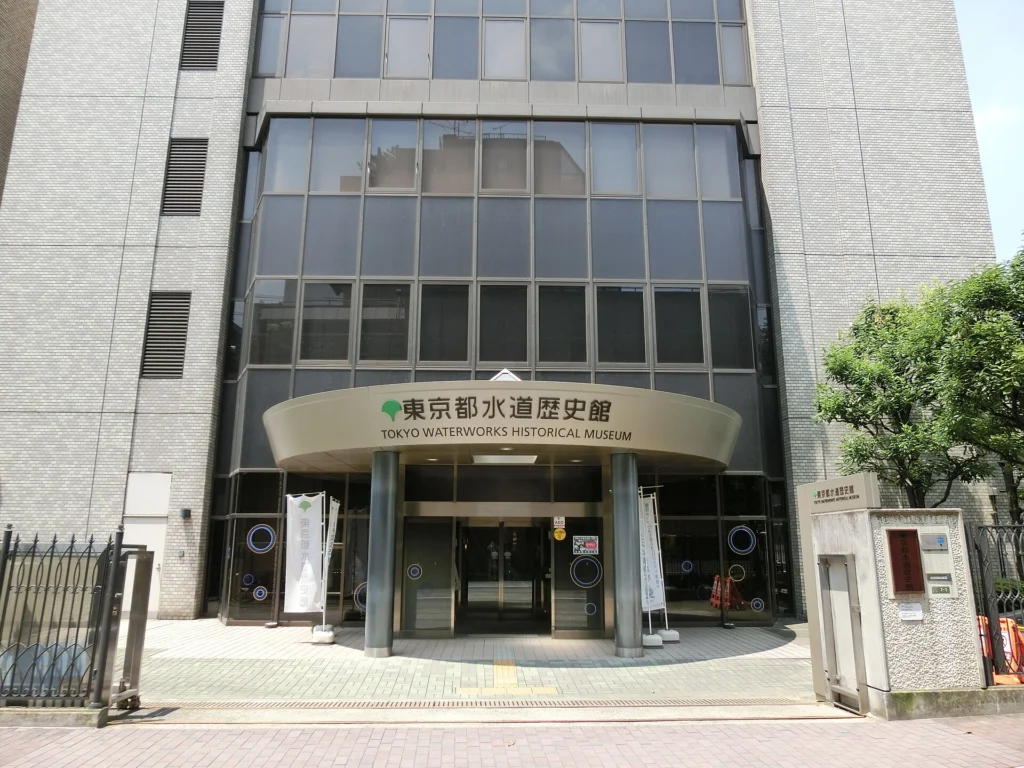
The Tokyo Waterworks Historical Museum (Tokyo-to Suido Rekishikan) is a free museum in Hongo, Bunkyo City. It is run by the Tokyo Metropolitan Waterworks Bureau. It tells the story of Tokyo’s water supply over about 400 years, from the Edo-period aqueducts such as the Kanda Josui and Tamagawa Josui to today’s water system. Free audio guides are available in English.
Quick facts
| What it is | A free museum about the history of Tokyo’s water supply, opened in 1995 |
| Hours | 9:30-17:00 (last entry 16:30) |
| Closed | The 4th Monday of each month (the next day if it is a holiday) and December 28 to January 4 |
| Admission | Free |
| Languages | Free audio guides in English, Chinese, Korean and Japanese |
| Address | 2-7-1 Hongo, Bunkyo City |
| Nearest stations | Ochanomizu Station or Hongo-sanchome Station, about 8 minutes on foot |
| Last checked | November 2026 |
What to see
The museum asks you to start on the 2nd floor (Edo period) and then go down to the 1st floor (modern times).
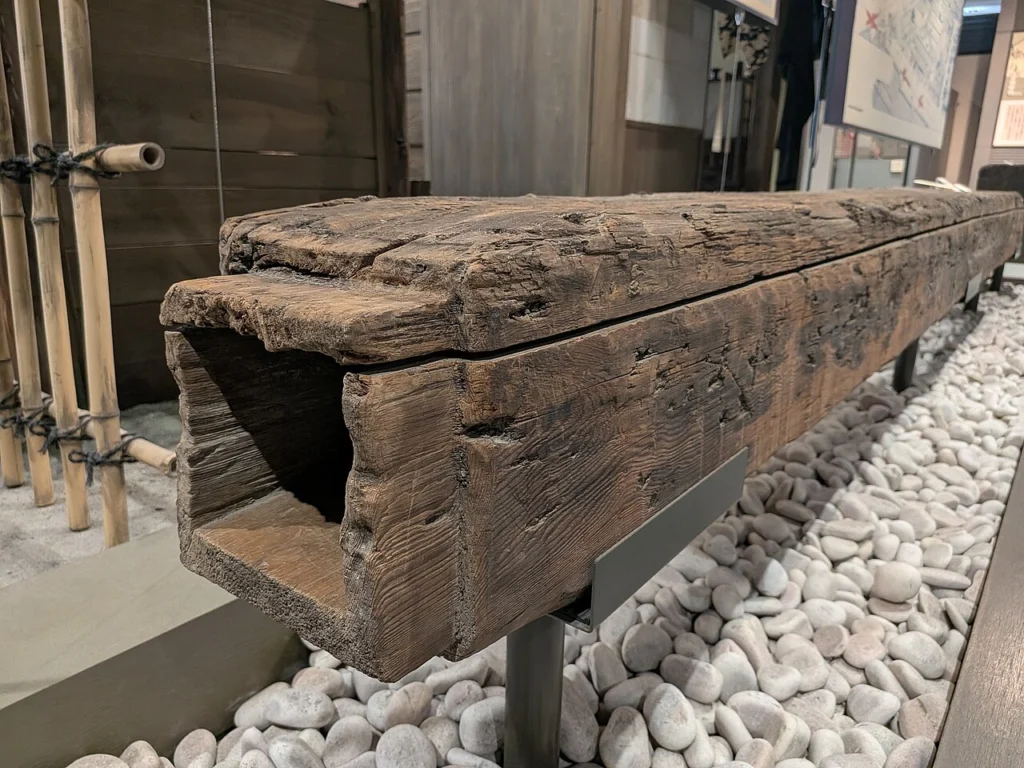
- 2F Edo water supply: how the Kanda Josui and Tamagawa Josui brought water to Edo. See real wooden water pipes, a well, old documents and a copy of a picture map from the Josuiki, a 1791 record of the water system.
- Edo row-house area: a replica of a nagaya (a long shared house for townspeople in Edo).
- 1F Modern waterworks: how Tokyo’s water system grew after 1898, through earthquakes, war and droughts, with full-size models and videos.
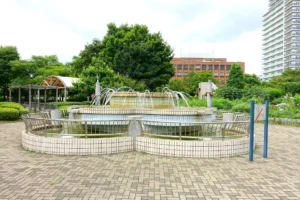
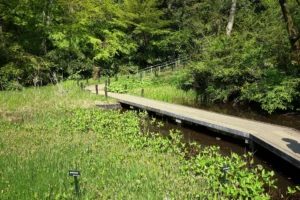
- Outdoor exhibits: next door in the Hongo water station park, you can see a rebuilt stone channel and open channel of the Kanda Josui. You can walk there from the museum during opening hours.
- 3F: a library and a lecture hall.
Tips
- Explanations by QR code are available in Japanese and English on your smartphone. There is free Wi-Fi.
- You can refill a water bottle at the Tokyowater Drinking Station.
- Photos are allowed for personal use. Do not use flash or tripods.
- Groups of 7 or more must book ahead.
- No eating or drinking in the exhibition rooms. There is no parking for private cars.
Getting there
- Ochanomizu Station (JR Chuo and Sobu Lines, Ochanomizu-bashi Exit; Tokyo Metro Marunouchi Line, Exit 1): about 8 minutes on foot.
- Hongo-sanchome Station (Tokyo Metro Marunouchi Line, Exit 2; Toei Oedo Line, Exit 3): about 8 minutes on foot.
- Suidobashi Station (JR East Exit; Toei Mita Line, Exit A1) or Shin-Ochanomizu Station (Tokyo Metro Chiyoda Line, Exit B1): about 12 minutes on foot.
- Bus: Juntendo Byoin-mae stop, about 3 minutes on foot.
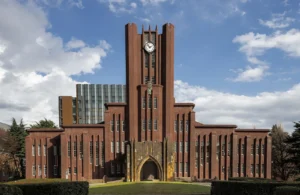
Nearby, visit Yushima Seido or Kanda Myojin, or walk to the University of Tokyo Hongo Campus. To learn about drinking water today, read can you drink tap water in Tokyo?
FAQ
Is the Tokyo Waterworks Historical Museum free?
Yes. Entry is free.
Is there information in English?
Yes. Free audio guides are available in English. QR code explanations in English are also available.
When is the museum closed?
On the 4th Monday of each month (the next day if it is a holiday) and from December 28 to January 4.
What can I see from the Edo period?
Real wooden water pipes, a well, old documents and a replica of an Edo row house.
What is the nearest station?
Ochanomizu Station and Hongo-sanchome Station are both about 8 minutes on foot.
Keep reading
Sources
Facts come from the Tokyo Waterworks Historical Museum’s official website (Last checked: November 14, 2026). This page is based on official sources, not our own visit. Last checked: November 2026 (on November 14, 2026).