Researched guide · Checked on Nov 2, 2026
This article contains affiliate links. If you book through them, we may earn a commission at no extra cost to you. See our Affiliate Disclosure.
All eight of these temples and shrines are free to visit, and each one is a short walk from a station. Some are famous landmarks, others are quieter neighborhood shrines and temples. Here is how they compare, so you can choose the ones that fit your route.
Quick answer
Must-sees: Senso-ji in Asakusa, Tokyo’s oldest temple, and Meiji Jingu by Harajuku.
Free: entry to all eight is free. Zojoji’s Treasures Gallery is ¥700.
Opening hours: most open early (around 6:00) and close around 17:00. Meiji Jingu follows sunrise and sunset.
Off the beaten path: Nezu Shrine’s red torii tunnel and Gotokuji’s beckoning cats.
Temples and shrines at a glance
| Place | Type | Hours | Nearest station | Known for |
|---|---|---|---|---|
| Senso-ji | Temple | Main Hall 6:00–17:00 (6:30 from October to March) | Asakusa, about 5 min | Tokyo’s oldest temple, Kaminarimon gate, Nakamise street |
| Meiji Jingu | Shrine | Sunrise to sunset (e.g. 6:10–16:10 in November) | Harajuku or Meiji-jingumae, 1 min | A forest shrine in the city |
| Kanda Myojin | Shrine | Grounds free to visit | Ochanomizu, about 5 min | A 1,300-year-old shrine near Akihabara |
| Hie Shrine | Shrine | 6:00–17:00 | Kokkai-gijidomae, about 5 min | The guardian shrine of Edo Castle |
| Nezu Shrine | Shrine | Changes by month (October 5:30–17:30) | Nezu or Sendagi, about 5 min | Halls from 1706, a tunnel of red torii |
| Yushima Tenjin | Shrine | 6:00–20:00 | Yushima, about 2 min | The shrine of learning, plum blossoms |
| Zojoji | Temple | Main Hall 6:00–17:30 | Onarimon or Shibakoen, about 3 min | Tokugawa shogun graves, Tokyo Tower views |
| Gotokuji | Temple | 6:00–17:00 | Miyanosaka, about 5 min | Hundreds of beckoning cats |
Hours and access come from each temple’s and shrine’s official site, checked in our individual guides on October 20–21, 2026.
The famous two: Senso-ji and Meiji Jingu
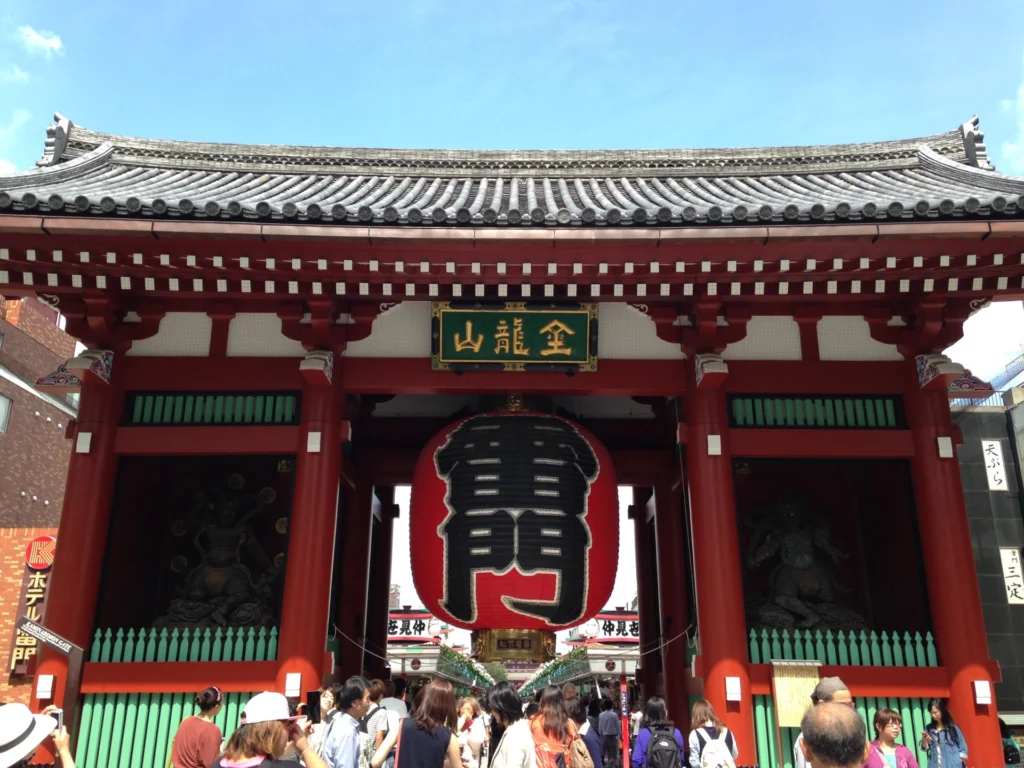
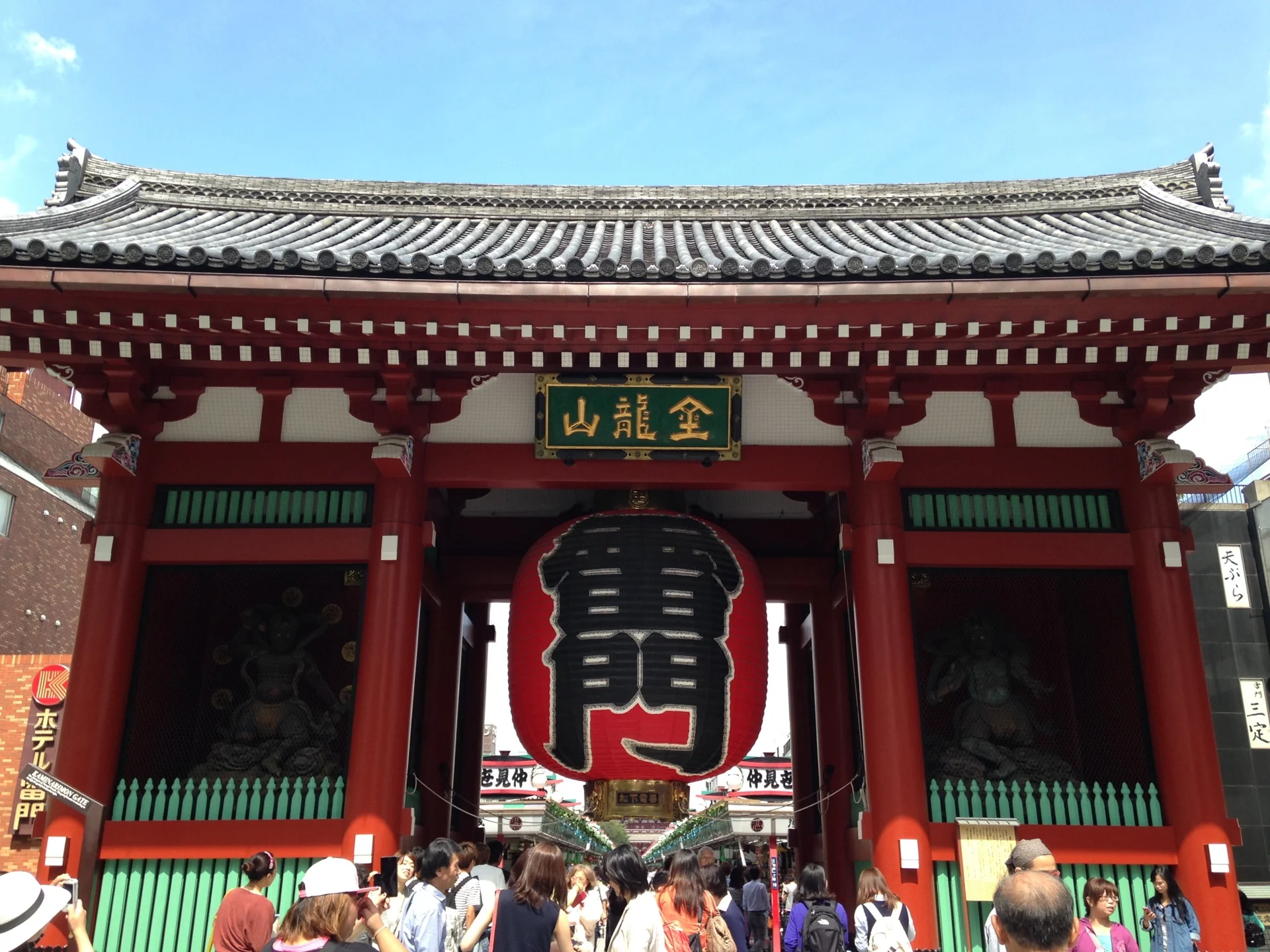
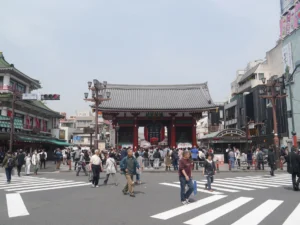
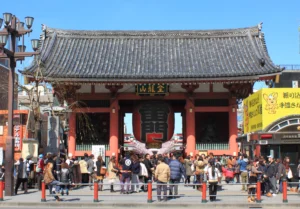
Senso-ji in Asakusa is Tokyo’s oldest temple. Walk through the Kaminarimon gate with its giant red lantern and along Nakamise street to the Main Hall, open 6:00–17:00 (from 6:30 between October and March). It is about 5 minutes on foot from Asakusa Station. See our Senso-ji guide and Asakusa guide.
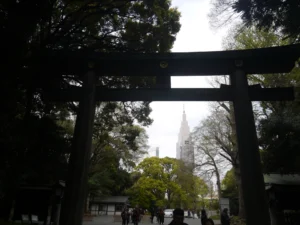
Meiji Jingu sits in a forest right next to Harajuku. It is free and open every day from sunrise to sunset, for example 6:10–16:10 in November. The nearest stations, Harajuku and Meiji-jingumae, are 1 minute away, but allow at least 10 more minutes to walk from the entrance to the main shrine. Do not take photos or videos at the main sanctuary where people pray. See our Meiji Jingu guide.
Shrines in central Tokyo: Kanda Myojin, Hie Shrine and Yushima Tenjin
- Kanda Myojin is a 1,300-year-old shrine about 7 minutes on foot from Akihabara Station, so it is easy to add to a day in Akihabara. Its big festival, the Kanda Matsuri, is held every other year in May. See our Kanda Myojin guide.
- Hie Shrine in Akasaka was once the guardian shrine of Edo Castle. The gates are open 6:00–17:00, and amulets and goshuin (shrine stamps) are available 8:00–16:00. See our Hie Shrine guide.
- Yushima Tenjin near Ueno is the shrine of the god of learning, where students pray for exam success. The grounds are open 6:00–20:00, later than most. See our Yushima Tenjin guide.
Quieter and unusual: Nezu Shrine, Zojoji and Gotokuji
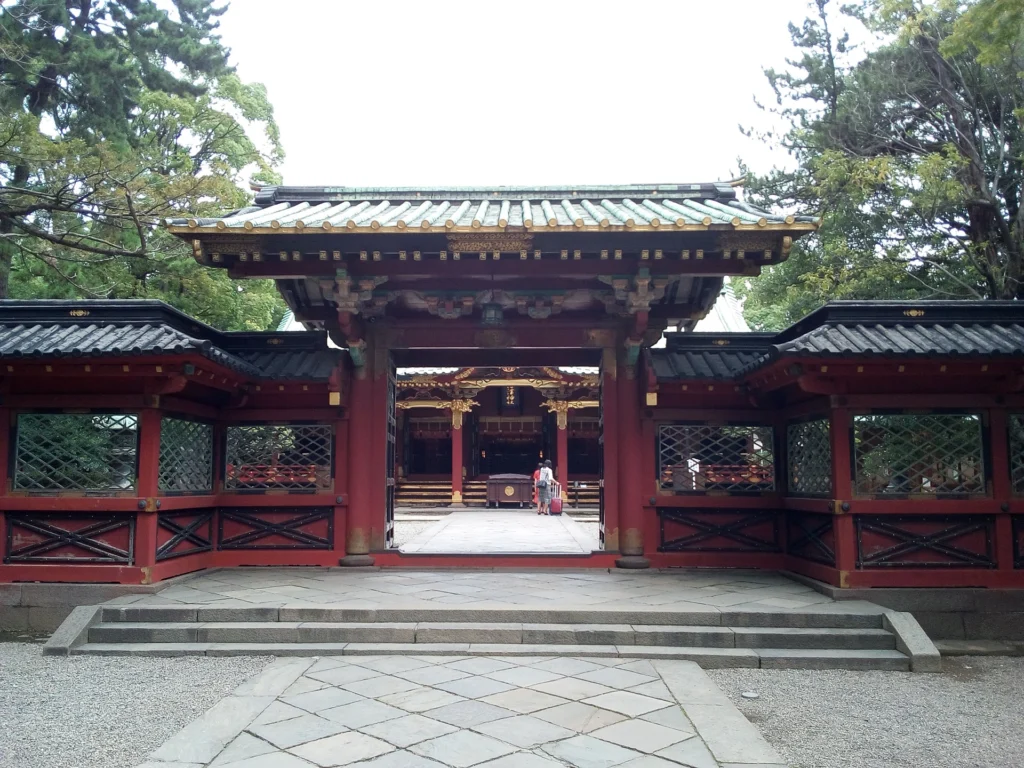
- Nezu Shrine in the Yanesen area has gates and halls from 1706 and a tunnel of red torii. The azalea garden asks for a donation during the April festival. See our Nezu Shrine guide and Yanaka guide.
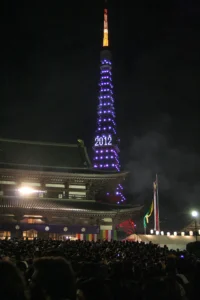
- Zojoji, the Tokugawa family temple, stands beside Tokyo Tower, so it is the place for the classic temple-and-tower photo. The grounds are free; the Treasures Gallery is ¥700 for adults. See our Zojoji guide.
- Gotokuji in Setagaya is filled with hundreds of maneki-neko (beckoning cat) figures. It is about 5 minutes on foot from Miyanosaka Station. The temple office, where the cat figures are sold, is open 8:00–15:00. See our Gotokuji guide.
Tips for visiting
- Go early. Most open around 6:00.
- Shrine or temple? Shrines (jinja) are Shinto and usually have a torii gate; temples (tera or ji) are Buddhist. The way you pray is a little different. See shrine and temple etiquette.
- Goshuin: a goshuin is a hand-written stamp collected in a special book. Ask at the office and pay the fee shown.
- Free day out: temples and shrines are among the best free things to do in Tokyo.
How to choose
| If you want… | Go to |
|---|---|
| The classic first visit | Senso-ji |
| A walk in a forest | Meiji Jingu |
| Something near Akihabara | Kanda Myojin |
| Red torii gates | Nezu Shrine |
| A shrine for exam luck | Yushima Tenjin |
| Tokyo Tower in your photo | Zojoji |
| Cats | Gotokuji |
Want a guide for your first temple? An English-guided walking tour of Asakusa and Senso-ji can be booked on Klook.
Affiliate link
Find temple and shrine tours
Opens the search results in a new tab. Prices and availability are set by each site. Some of these are affiliate links: we may earn a commission at no extra cost to you.
FAQ
Are temples and shrines in Tokyo free?
Yes. All eight in this guide are free to enter. Some have paid areas, such as Zojoji’s Treasures Gallery (¥700).
What time do temples and shrines in Tokyo open?
Most open around 6:00 and close around 17:00. Meiji Jingu follows sunrise and sunset, and Yushima Tenjin’s grounds are open until 20:00.
What is the most famous temple in Tokyo?
Senso-ji in Asakusa, Tokyo’s oldest temple.
What is the difference between a shrine and a temple?
Shrines are Shinto and usually have a torii gate. Temples are Buddhist. See our shrine and temple etiquette guide for how to pray at each.
Related Articles
Sources
Hours, prices and access come from each temple’s and shrine’s official website, checked in our individual guides on October 20–21, 2026, and gathered here (checked November 2, 2026). Hours can change for festivals and events, so please check before you go.