Researched guide · Checked on Oct 21, 2026
Bought too many souvenirs, ceramics or books to fit in your suitcase? You can post them home from any Japan Post office. Here is how international mail works, what you can’t send, and the one thing that catches visitors out: you now need to make the shipping label online.
Quick answer
Fastest: EMS, Japan Post’s top-priority international service, with tracking.
Cheaper: International Parcel Post (2 kg and over) or Small Packets (under 2 kg), with a choice of delivery speeds.
Labels: handwritten labels can no longer be used for goods. Make the label online with Japan Post’s International Mail My Page before you go to the post office.
Which service to choose
| Service | For | Notes |
|---|---|---|
| EMS | Small or large items | Handled with top priority and delivered quickly. Cool EMS for refrigerated or frozen items |
| Small Packets | Small, light items under 2 kg | Cheaper than EMS. Choose the delivery speed |
| International Air Packet | Small items under 2 kg | Airmail with tracking; label made online |
| International Parcel Post | Items of 2 kg or more | The basic service; choose speed and price |
| Postcards | Postcards | ¥100 by air, ¥90 by surface, worldwide |
Use Japan Post’s fee calculator to compare prices and delivery days for your country.
How to send a parcel
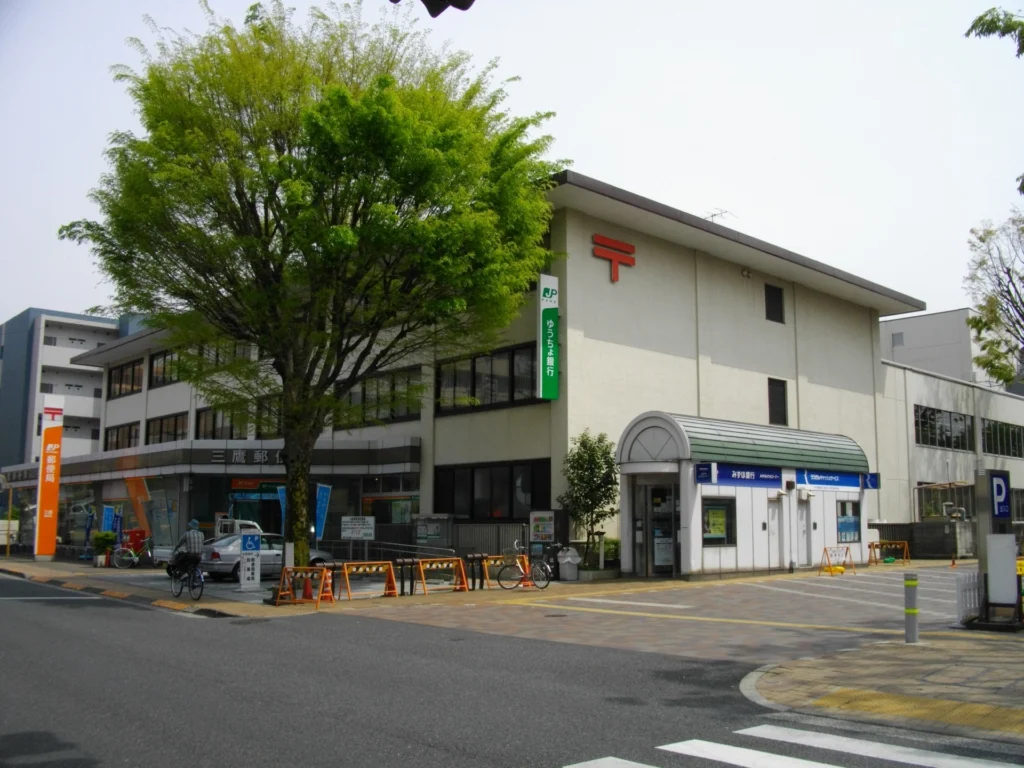
- Check what you can send to your country (see below).
- Make the label online with Japan Post’s International Mail My Page on a phone or computer. Handwritten labels are not accepted for goods any more.
- Pack the items and take them to a post office. You fill in an international mail application form when sending.
- Keep the 13-digit tracking number to follow your parcel on Japan Post’s site.
What you can’t send
Some items can’t be sent by international mail anywhere in the world, and others are banned by particular countries. Parcels are X-rayed after they are accepted, and anything with banned items may be sent back.
- Dangerous goods for air transport can’t be sent at all, even by sea mail: explosives, gases (for example spray cans), flammable liquids and solids, corrosive and poisonous substances and similar.
- Alcohol and lithium batteries can only be sent under specific conditions; check Japan Post’s rules.
- Disposable hand warmers (kairo) can only be sent if they are from manufacturers on Japan Post’s list.
- Valuables such as cash, precious metals and gems can’t go by EMS, and other services only accept them registered or insured, with limits for some countries.
- Your own country may also restrict food, plants or other goods. Check its import rules too.
Sending your suitcase instead
If you just want to travel light inside Japan, you can send luggage to your next hotel or the airport. See our luggage guide.
FAQ
How do I send a parcel home from Japan?
Make a shipping label online with Japan Post’s International Mail My Page, pack your items, and take them to a post office. EMS is fastest; Small Packets and Parcel Post are cheaper.
Can I handwrite the shipping label at a Japanese post office?
No. Handwritten labels can no longer be used for goods. Create the label online first.
Can I mail alcohol from Japan?
Only under Japan Post’s specific conditions for alcohol, and only if your country accepts it. Check both before you send.
Can I send hand warmers or spray cans by mail?
Spray cans count as dangerous goods and can’t be sent. Hand warmers can be sent only if the maker is on Japan Post’s list.
Related Articles

Sources
Services, label rules and banned items come from Japan Post’s official international mail pages (checked October 21, 2026).