Researched guide · Checked on Oct 21, 2026
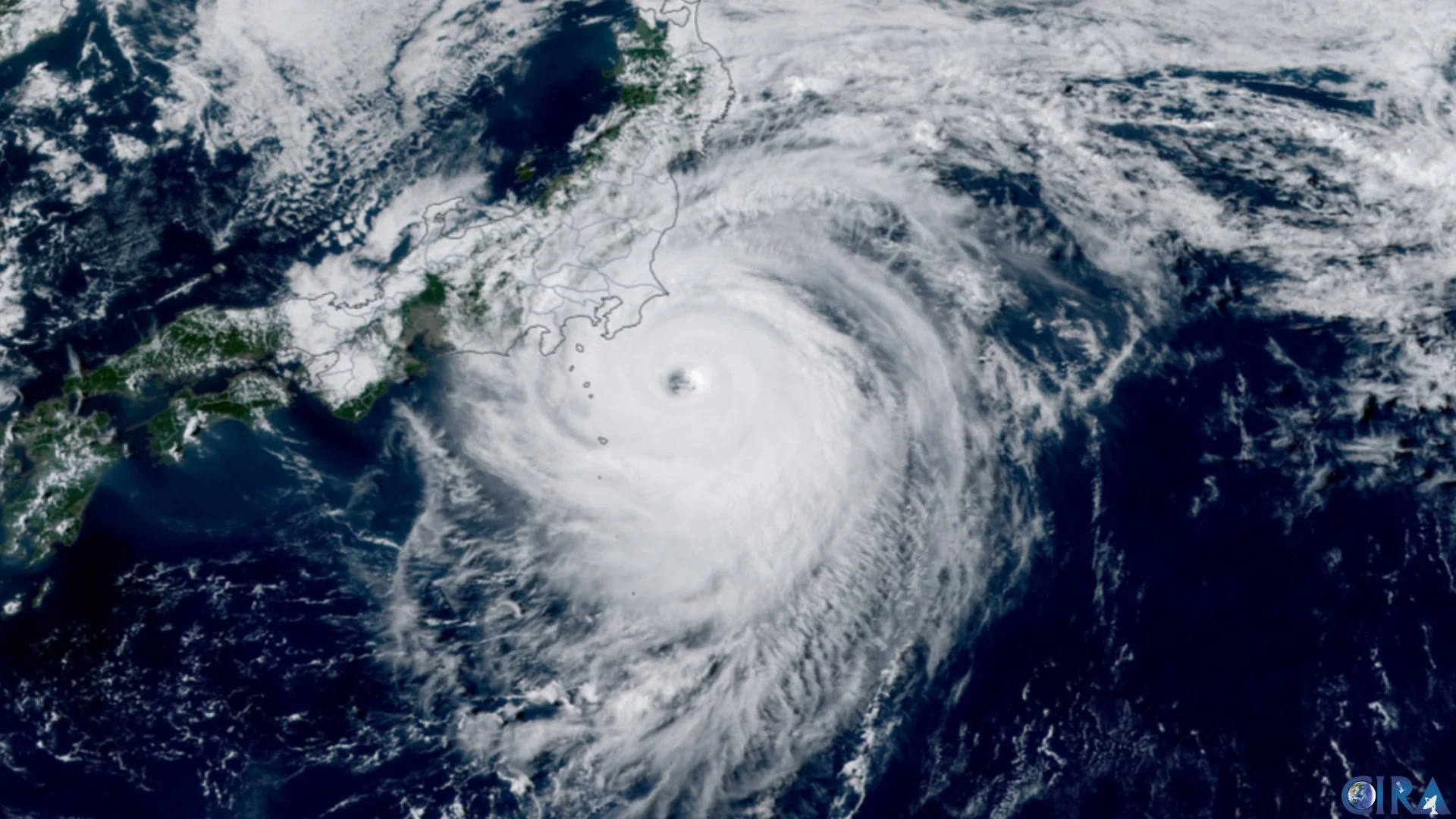
Planning a trip to Tokyo in late summer or autumn? That is typhoon season. Most typhoons pass in a day or so, but they can bring heavy rain, strong winds and stopped trains and flights. Here is when typhoons are most likely, how to follow warnings in English, and what to do if one is coming during your stay.
Quick answer
When: across Japan, typhoons come close most often in August and September. Around Tokyo (the Kanto–Koshin region), about 3 a year come close on average.
Get alerts in English: install the free Safety tips app from the Japan Tourism Agency.
24/7 help: JNTO’s Japan Visitor Hotline, 050-3816-2787.
In an emergency, see our list of official emergency links: phone numbers, warnings in English, train and airport status, and embassies.
When is typhoon season?
The Japan Meteorological Agency (JMA) counts a typhoon as “approaching” when its center comes within 300 km of a weather station. Its 30-year averages (1991–2020) show:
| Month | Typhoons approaching Japan (average) |
|---|---|
| June | 0.8 |
| July | 2.1 |
| August | 3.3 |
| September | 3.3 |
| October | 1.7 |
| November | 0.5 |
- About 11.7 typhoons come close to some part of Japan in an average year, and about 3 make landfall on the main islands.
- In the Kanto–Koshin region around Tokyo, the average is about 3.3 a year, most often in September (1.2 on average), followed by August and October.
- Okinawa and the Izu and Ogasawara Islands (which are part of Tokyo) see more typhoons than central Tokyo. If you plan to visit the islands, check the forecast closely, as ferries and flights stop in rough weather.
How to follow warnings in English
- Safety tips app: the Japan Tourism Agency’s free app sends weather warnings, earthquake early warnings and tsunami warnings in English and 14 other languages. It also has an evacuation flowchart and useful phrases.
- JMA: the Japan Meteorological Agency’s English site has typhoon and heavy-rain information and multilingual disaster information.
- Japan Visitor Hotline: JNTO’s 24-hour line for visitors, 050-3816-2787 (+81-50-3816-2787 from abroad).
If a typhoon is coming during your trip
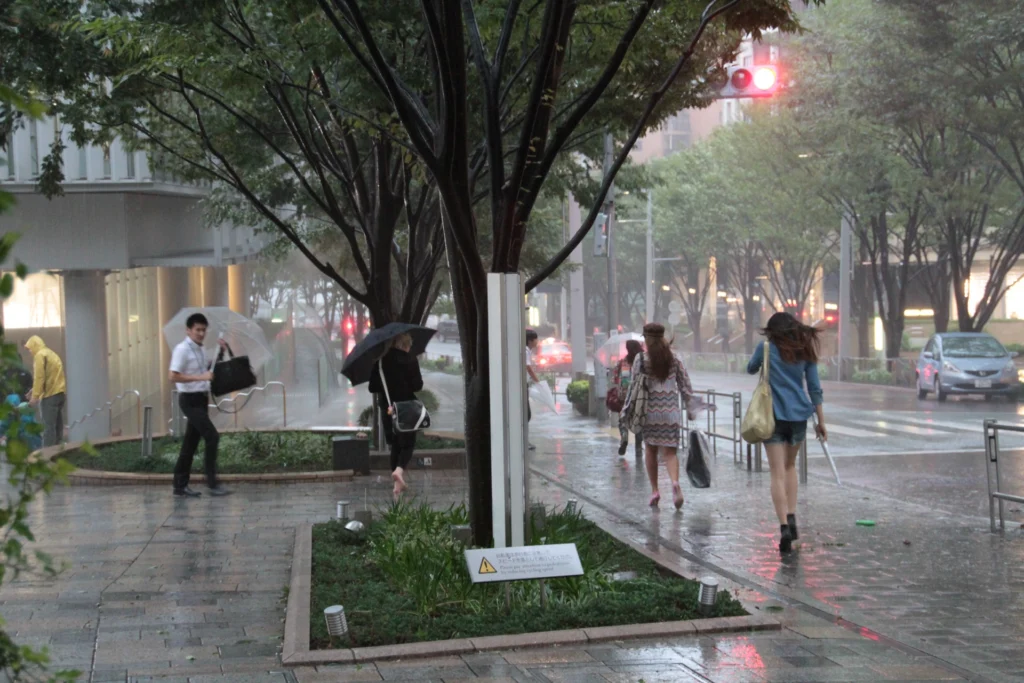
- Check transport early. Trains, flights and ferries may be cut back or stopped, sometimes announced the day before. Check your train operator’s and airline’s website before setting out.
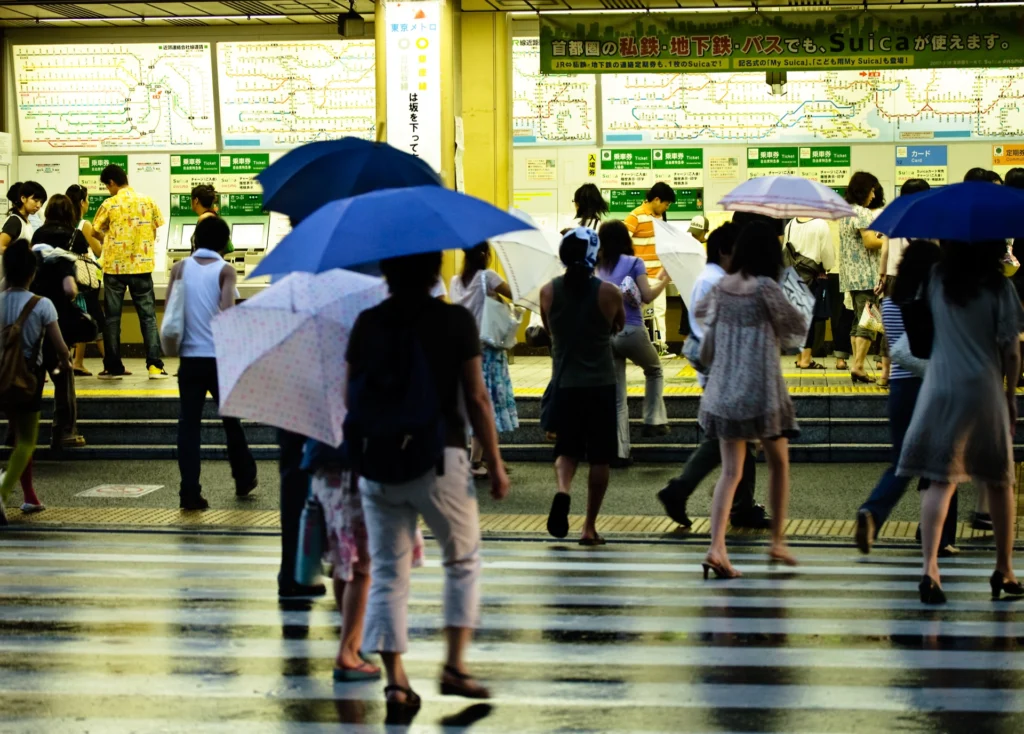
- Stay indoors while it passes. Avoid rivers, the coast and mountain areas. Day trips to places like Mt. Takao, Okutama or the coast are best postponed.
- Stock up the day before. Get water, snacks and a charged power bank; convenience stores can sell out or close.
- Keep flexible plans. Leave room in your schedule, especially around your flight home, and check whether your hotel and tours allow changes.
- Plan an indoor day. Museums, department stores and indoor attractions are good options once it is safe to go out. See our rainy day ideas.
For earthquakes and other emergencies, see our earthquake safety guide. If you are hurt or ill, call 119.
FAQ
When is typhoon season in Tokyo?
Typhoons can come from early summer to autumn. Across Japan they come close most often in August and September; around Tokyo, September is the peak.
Should I cancel my Tokyo trip because of a typhoon?
Not usually. Most typhoons pass within a day or so. Keep your plans flexible, follow the forecast and stay indoors while it passes.
How can I get typhoon warnings in English?
Install the Safety tips app from the Japan Tourism Agency, which sends weather warnings in English and 14 other languages.
Do trains stop during typhoons in Tokyo?
They can. Train lines may reduce or stop services when a strong typhoon is expected, so check your operator’s website before travelling.
Related Articles

Sources
Typhoon averages come from the Japan Meteorological Agency; the app and hotline from the Japan Tourism Agency and JNTO (checked October 21, 2026).