Researched guide · Checked on Oct 21, 2026
A car opens up places trains don’t reach easily, from Mt. Fuji’s lakes to the Izu coast. But you can’t just bring your home license: Japan only accepts certain permits, and visitors have to get theirs before they leave home. Here is what you need, based on Japan’s official tourism guidance, plus the road rules that catch visitors out.
Quick answer
License: a paper International Driving Permit (IDP) issued in your country under the 1949 Geneva Convention. Card-type and smartphone IDPs are not valid.
Exception: drivers from Switzerland, Germany, France, Belgium, Monaco and Taiwan bring their original license plus an official Japanese translation.
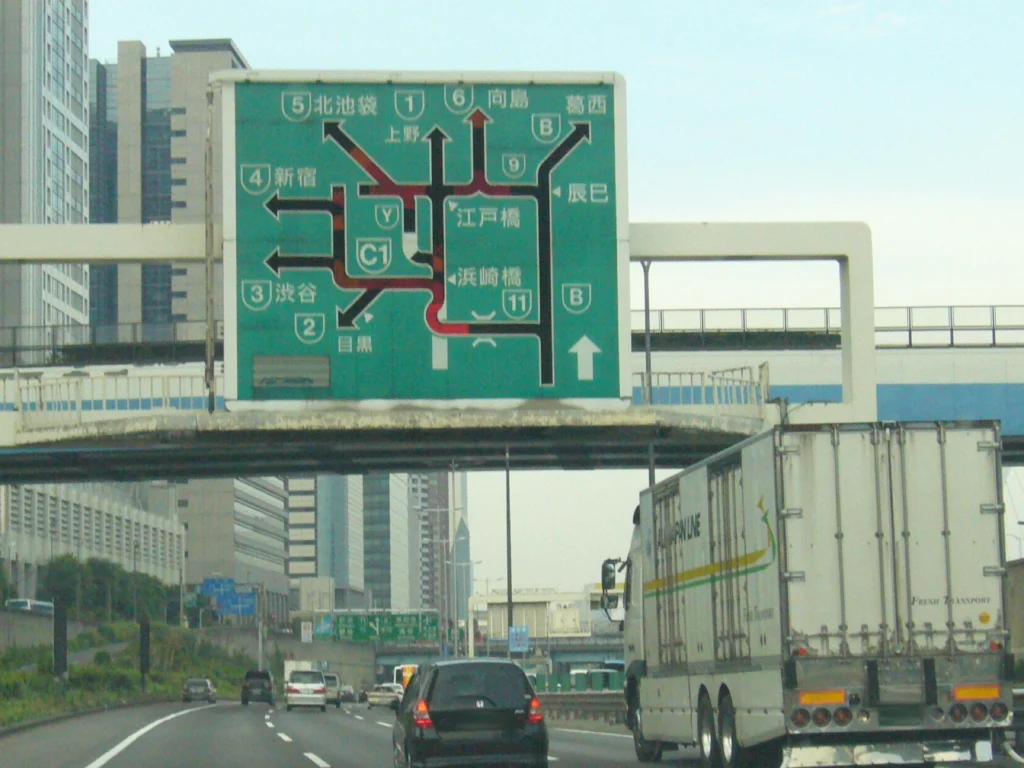
Road rules: drive on the left, no alcohol at all before driving, no phone use while driving.
What license do you need?
- International Driving Permit (IDP): it must be issued in your own country by the official issuing authority, under the 1949 Geneva Convention on Road Traffic. You cannot get one after you arrive in Japan.
- Paper booklet only: card-type and smartphone versions of IDPs are not valid in Japan.
- How long it works: up to one year from the date it was issued, and no more than one year from your arrival in Japan.
- Your arrival date: it is confirmed by the entry stamp in your passport. If you used an automated gate and have no stamp, ask for one at the inspection desk at the airport.
- Switzerland, Germany, France, Belgium, Monaco and Taiwan: these countries use a different system. Carry your original license and a Japanese translation from an approved provider, valid for one year from arrival.
- Check the requirements with your rental company before you book.
If your country only issues IDPs under other conventions (such as the 1968 Vienna Convention), they are not valid in Japan.
Rules of the road
| Rule | What to know |
|---|---|
| Side of the road | Drive on the left |
| Alcohol | Do not drive after drinking any alcohol |
| Phones | Using a phone while driving is illegal |
| Seatbelts | Everyone in the car must wear one |
| Railroad crossings | Stop at the line and check both ways for trains before crossing |
| Winter | Use winter tires or chains in snowy areas |
| Parking | Park only in designated spaces; you can be fined for parking elsewhere |
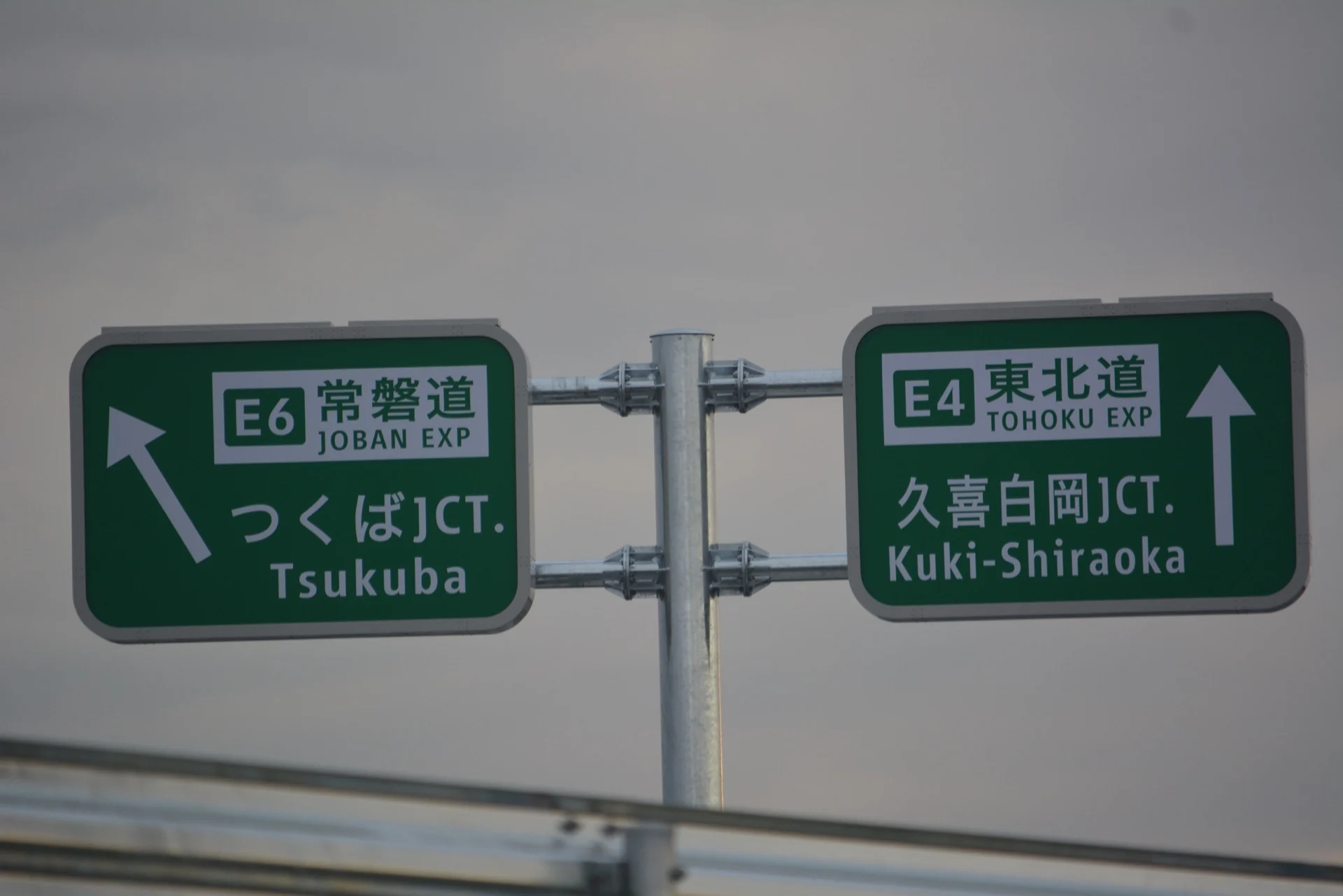
On main roads, major destinations are mostly signed in English, but this may not be the case in the countryside. Ask for a car with foreign-language navigation when you book.
Expressways and tolls
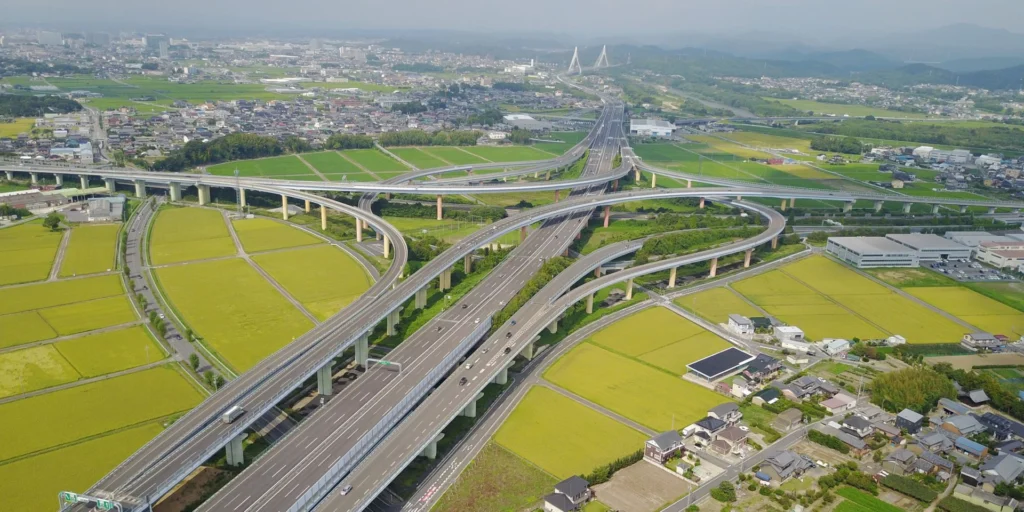
- Most expressways charge tolls. Green gates take cash or credit cards; purple gates are for ETC cards.
- You can rent an ETC card from the rental company and pay the tolls when you return the car.
- As an example, JNTO lists tolls from Tokyo to Kyoto at about ¥10,070.
- Regional expressway passes for foreign tourists exist in some areas, such as Hokkaido, Tohoku and Kyushu. The nationwide Japan Expressway Pass is no longer sold.
- Service areas along expressways have toilets, restaurants and shops, and roadside stations (michi-no-eki) on ordinary roads sell local food and products.
Renting a car
- Insurance with a certain level of coverage is required when you rent.
- Check the car for scratches and dents with the staff before you drive away.
- Fill up the tank before you return the car. Gas stations are either full-service or self-service.
- Big rental companies include Toyota Rent a Car, Nippon Rent-A-Car, Times Car Rental, Orix, Nissan and JR Rent-A-Car.
Do you need a car in Tokyo?
Usually not. Tokyo’s trains and subways reach almost everywhere, and parking can be hard to find in the city center. A car makes more sense for trips out of the city, such as the Fuji Five Lakes, Hakone or the Izu Peninsula. Many visitors take the train out of Tokyo and rent a car near their destination. See our guide to Tokyo’s trains.
FAQ
Can I drive in Japan with my US or UK license?
Not on its own. You need an International Driving Permit issued in your country under the 1949 Geneva Convention.
Are digital International Driving Permits accepted in Japan?
No. Only paper booklet IDPs are valid. Card-type and smartphone versions are not accepted.
How long can I drive in Japan with an IDP?
Up to one year from the date of issue, and no more than one year from your arrival in Japan.
Which side of the road does Japan drive on?
The left.
Related Articles



Sources
License requirements, road rules and toll information come from JNTO’s official page on renting a car in Japan (checked October 21, 2026). Rules can change, so confirm with your rental company before you travel.