Researched guide · Checked on Oct 21, 2026
Getting sick or hurt on a trip is stressful, especially in another language. The good news is that Tokyo has free phone help in English and other languages, official search tools for hospitals that speak your language, and a 24-hour hotline for visitors. Save these numbers before you travel.
Quick answer
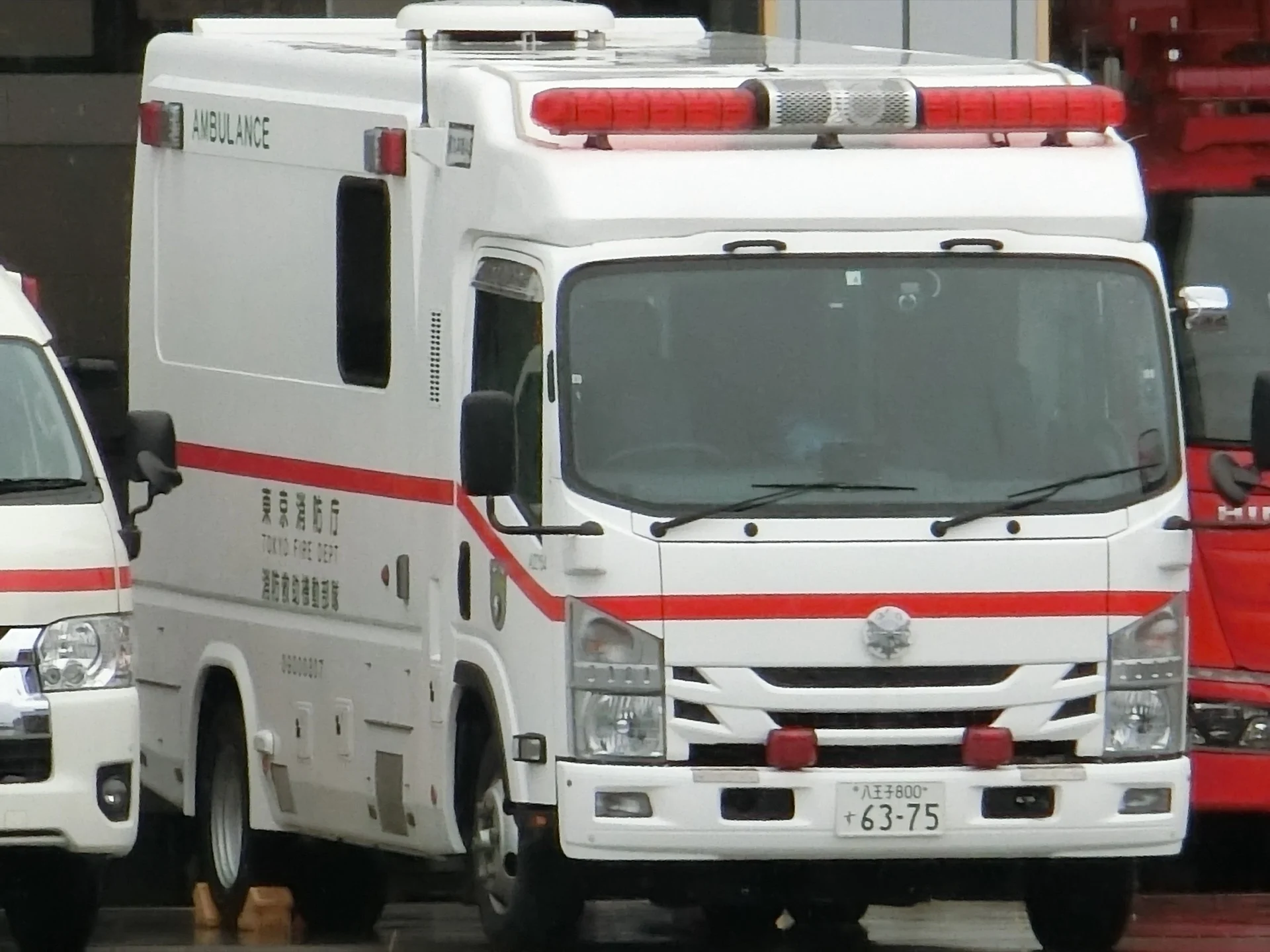
Emergency: call 119 for an ambulance (or fire), 110 for the police.
Find a hospital in your language: call Tokyo’s HIMAWARI service, 03-5285-8181 (every day 9 a.m.–8 p.m., free apart from call charges).
24/7 help for visitors: JNTO’s Japan Visitor Hotline, 050-3816-2787.
Important numbers
| Who | Number | When to call |
|---|---|---|
| Ambulance and fire | 119 | Someone is seriously sick or injured, or there is a fire |
| Police | 110 | A crime or a traffic accident |
| HIMAWARI (Tokyo medical information) | 03-5285-8181 | Which hospital can help in your language, costs without insurance, and how Japan’s medical system works. Every day 9 a.m.–8 p.m. |
| Japan Visitor Hotline (JNTO) | 050-3816-2787 | 24 hours a day, 365 days a year, for emergencies such as illness and disasters |
HIMAWARI answers in English, Chinese, Korean, Thai and Spanish. The service is free, but you pay for the call.
Finding a hospital or clinic
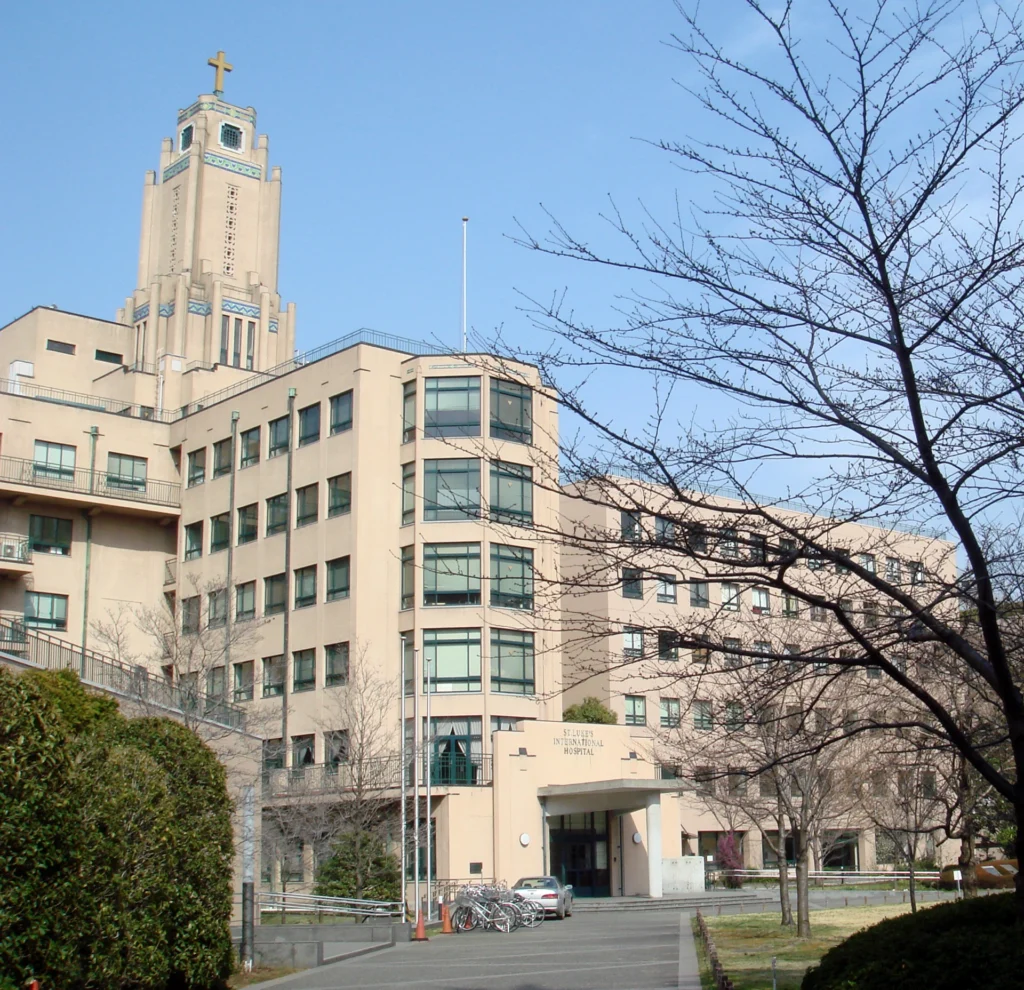
- JNTO’s guide for when you feel ill: search medical institutions by area, language, medical department and accepted credit cards, and find 24-hour emergency rooms.
- NAVII: the Ministry of Health, Labour and Welfare’s search for medical institutions by language, department and location.
- Tokyo’s list of medical institutions that accept foreign patients, organized by area.
- Contact the clinic before you go if you can. Some cannot treat every case, and patients may be referred to another hospital.
At the clinic
- Japanese hospitals have separate departments with specialist doctors. Tokyo’s official site has a guide to which department matches your symptoms.
- JNTO publishes a pointing sheet with pictures, so you can show your symptoms without speaking Japanese.
- Have your travel insurance details ready. Visitors are not covered by Japan’s public health insurance, so private travel insurance matters. Note that travel insurance does not cover perinatal care, which can be expensive.
- Check how you can pay. JNTO’s search shows which credit cards each institution accepts.
Minor illnesses
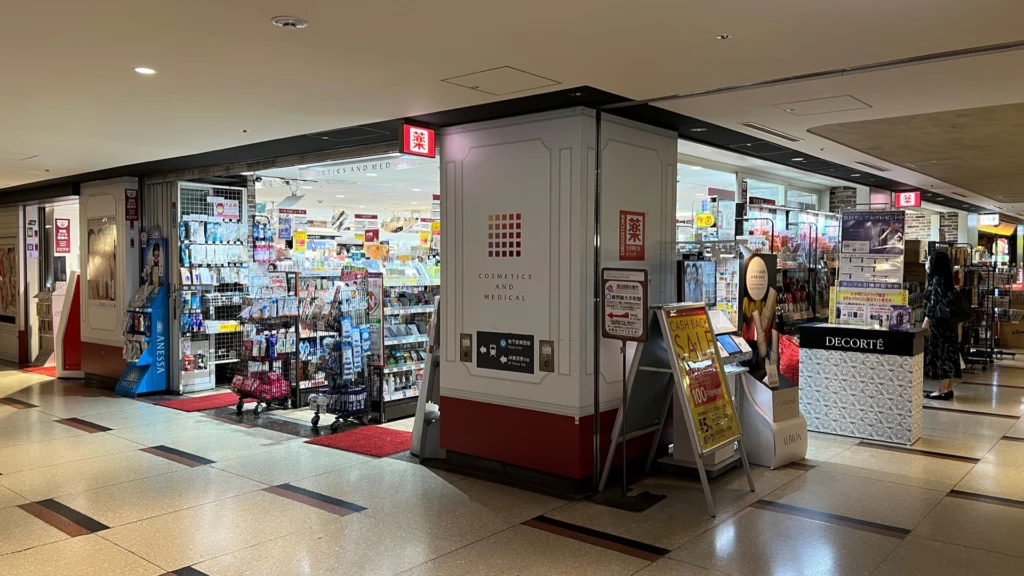
For a cold or a small problem, a drugstore may be enough. The Japan Self-Medication Industry offers an English “Medicine Search” to find over-the-counter medicines. If you are not sure, call HIMAWARI for advice on where to go.
For all the emergency numbers in one place, see is Tokyo safe for tourists.
FAQ
What number do I call for an ambulance in Japan?
119. It is also the number for the fire department.
How can I find an English-speaking doctor in Tokyo?
Call HIMAWARI at 03-5285-8181 (every day 9 a.m.–8 p.m.), or search by language on JNTO’s medical guide or the NAVII website.
Is there a 24-hour helpline for tourists in Japan?
Yes. JNTO’s Japan Visitor Hotline, 050-3816-2787, works 24 hours a day, 365 days a year.
Do I need travel insurance for Japan?
Visitors are not covered by Japan’s public health insurance, so private travel insurance is important. Note that it does not cover perinatal care.
Related Articles

Sources
Numbers, hours and services come from the Tokyo Metropolitan Government’s medical information pages and JNTO’s official guide for travelers who feel ill (checked October 21, 2026). This article is general information, not medical advice.