Researched guide · Last checked: Nov 28, 2026
This article contains affiliate links. If you book through them, we may earn a commission at no extra cost to you. See our Affiliate Disclosure.
Ginza, Tokyo Station and Nihonbashi sit close together in central Tokyo. This page groups 15 things to do there: kabuki, sumo shows, craft workshops, food classes, a goldfish museum and more. Art and money museums are listed near the end.
Quick answer
Pick Ginza for evening entertainment such as kabuki or a sumo show, and Nihonbashi for craft workshops such as washi paper, fans and glass. Around Tokyo Station, the Imperial Palace East Gardens and several museums suit a calm morning.
Book ahead for most of these. The cheapest hands-on option here is making a sheet of washi paper (from ¥1,000). Prices are from our guides and can change.
| Area | Ginza, Tokyo Station (Marunouchi) and Nihonbashi, including Hamacho |
| Experiences here | 15: 6 in Ginza, 7 in Nihonbashi, 2 near Tokyo Station |
| Online booking here | Buttons for 2 Ginza sumo shows, Art Aquarium and a soba class (Klook), and Kabukiza tickets (GetYourGuide). These are affiliate links |
| Other bookings | The rest are booked through the operators. Our guides explain how |
| Last checked | November 2026 (on November 28, 2026). Details come from our guides, checked between November 1 and 20, 2026. Booking listings were checked on November 28, 2026 |
For shops, food and sightseeing, see our Ginza and Tokyo Station guide, Nihonbashi guide, Tokyo Station guide and Hibiya and Yurakucho guide. This page focuses on things to do.
Three Areas, Three Moods
Ginza is the upscale shopping district, with Kabukiza Theatre, department stores and dinner shows. Ginza Station is served by the Ginza, Marunouchi and Hibiya lines.
Nihonbashi was the commercial heart of old Edo and still has long-running shops. Many workshops here are near Mitsukoshimae or Shin-Nihombashi stations.
Tokyo Station and Marunouchi are the transport hub, with red-brick buildings, art museums and the Imperial Palace gardens. It is an easy walk from the station to Nihonbashi.
Compare the Experiences
Prices are per person and come from our guides. Check the booking page before you pay, because prices and dates change.
| Experience | Area | Price | Booking |
|---|---|---|---|
| Kabuki at Kabukiza | Ginza | One act ¥1,600 to ¥3,000 (November) | Official site; or GetYourGuide |
| HIRAKUZA sumo dinner show | Ginza | From US$130.89 on Klook | Online |
| Ginza sumo studio show | Ginza | From US$70.45 on Klook | Online |
| Art Aquarium Museum | Ginza | Adult ¥2,500 online | Online or machine |
| Soba making | Ginza | From US$31.35 on Klook | Required |
| Jeans making | Ginza | From ¥24,200 | Reservation preferred |
| Washi papermaking | Nihonbashi | From ¥1,000 per sheet | Ahead is best |
| Ukiyo-e printing | Nihonbashi | ¥6,000 | Phone or form |
| Maki-e lacquer art | Nihonbashi | ¥14,850 with interpreter | Phone |
| Fan painting | Nihonbashi | From ¥4,400 | Form, email or shop |
| Glassblowing | Nihonbashi | ¥4,400 (clear piece) | See guide |
| Sumo morning practice | Hamacho | Free viewing, or ¥15,000 tour | Tour: 7 days ahead |
| Pokémon Cafe | Nihonbashi | Check the menu | Online only |
| Imperial Palace East Gardens | Near Tokyo Station | Free | Not needed |
| Daikoku car meet tour | Starts in Marunouchi | See guide | Required |
Ginza
Kabuki at Kabukiza Theatre
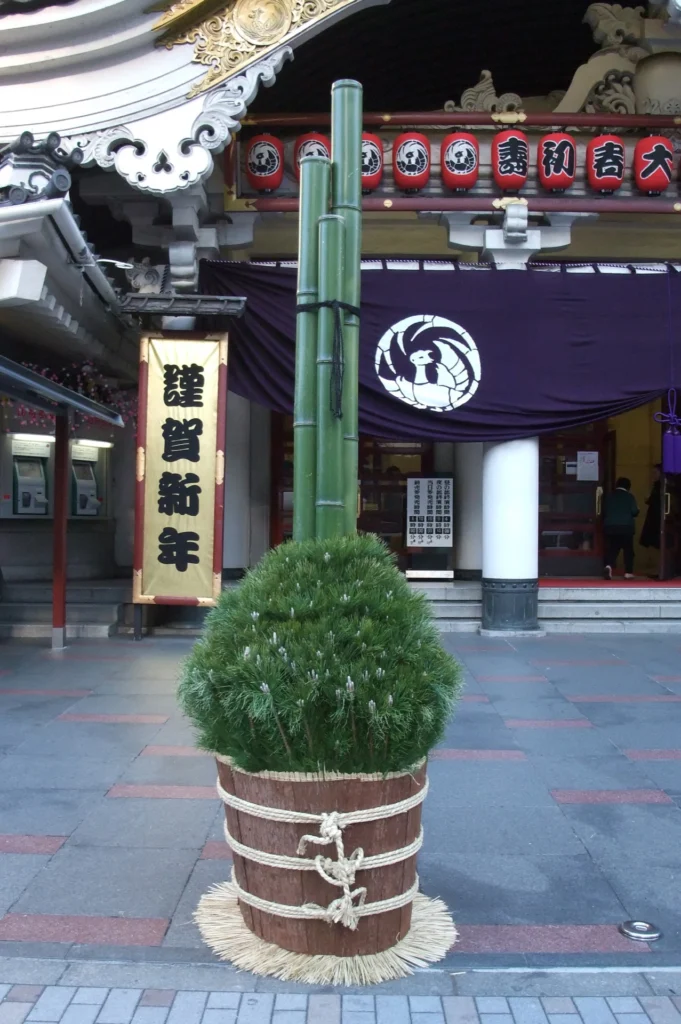
Kabuki is classic Japanese theater with bold costumes and makeup. At Kabukiza, next to Higashi-Ginza Station, you can watch a full program or a single act. In November 2026, one act cost ¥1,600 to ¥3,000, and an English subtitle device was ¥1,000 for one act, cash only (our guide, November 14, 2026).
Single-act tickets go on sale online at noon the day before. GetYourGuide also sells an admission ticket, which showed from ¥14,500 with December dates on November 28, 2026. Compare seat type and price, and check the program for your date. Read the full guide →
Affiliate link
HIRAKUZA GINZA Sumo Dinner Show
This theater restaurant at 1-9-13 Ginza is 1 minute from Ginza-itchome Station (Exit 10). You watch a staged sumo show with a kaiseki (multi-course Japanese) meal. The official slot starts at 17:00 and lasts 2 hours, and some days add a later one.
Klook showed from US$130.89 when our guide checked on November 20, 2026, and a discounted price from US$104.85 on November 28. Cancellation is conditional, so read the rules before you pay. Read the full guide →
Affiliate link
Sumo Show at Sumo Studio Ginza
Former professional wrestlers show training and bouts in a studio near Exit C6 of Ginza Station. There is no meal. It takes about 1 hour 15 minutes, and selected guests may try a challenge.
Klook showed from US$70.45 when our guide checked on November 20, 2026 (US$70.55 on November 28). It is a staged show, not a tournament. Read the full guide →
Affiliate link
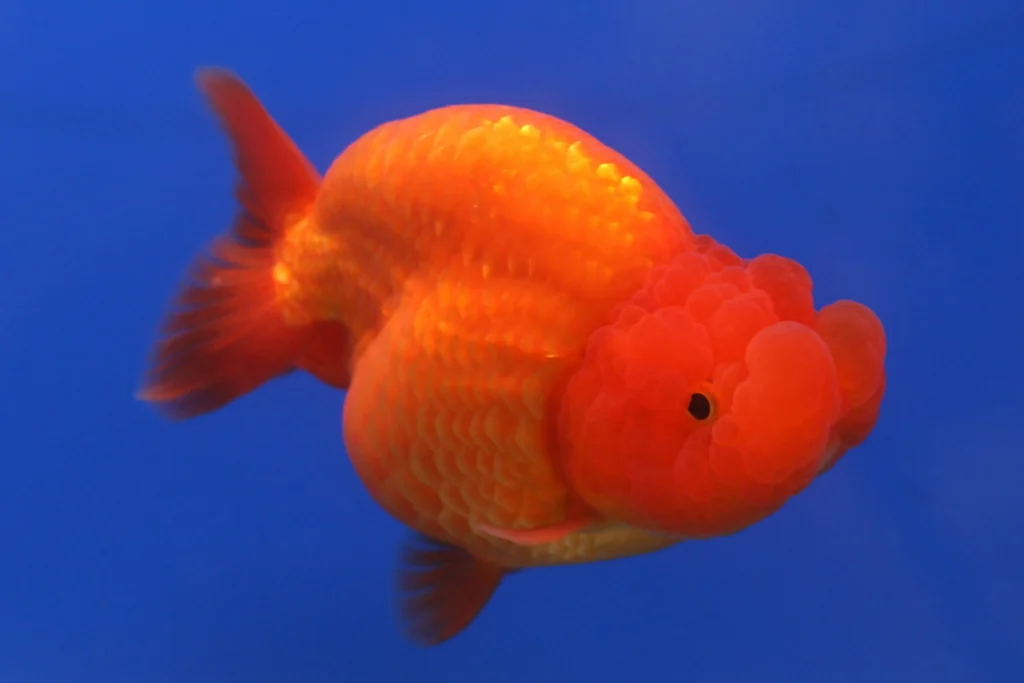
Art Aquarium Museum GINZA
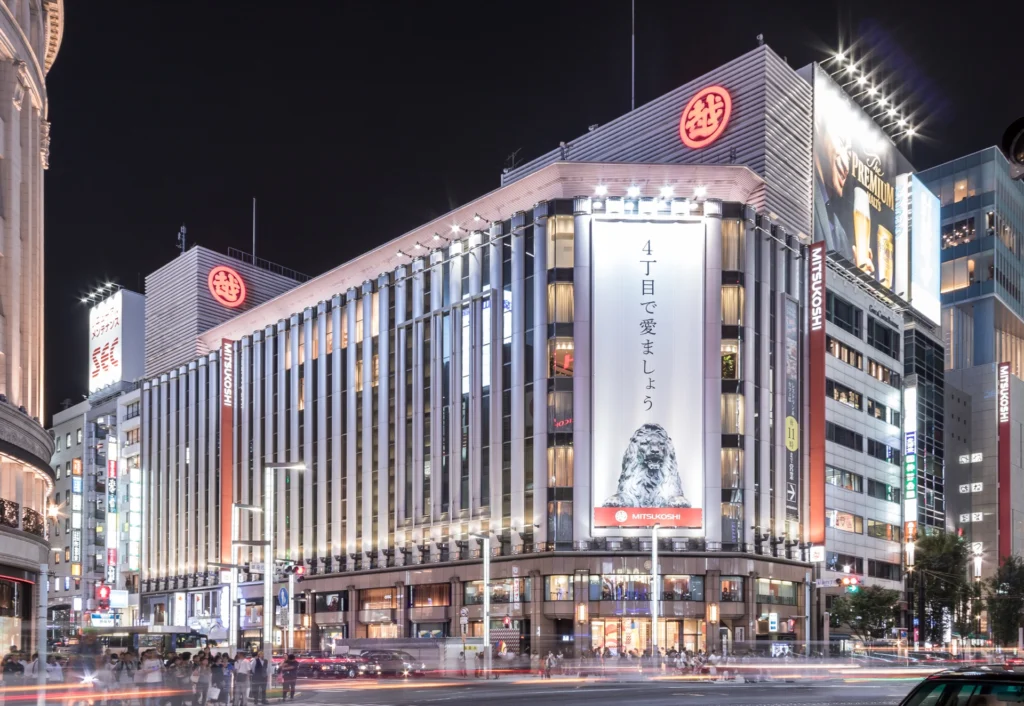
Goldfish swim in lit tanks of many shapes on the 9th floor of the Ginza Mitsukoshi New Building, by Exit A7 of Ginza Station. Adults pay ¥2,500 online or ¥2,700 at the ticket machine. It opens 10:00 to 19:00, with last entry at 18:00.
Its last day in Ginza is January 6, 2027. It also closes when the department store is closed. Read the full guide →
Affiliate link
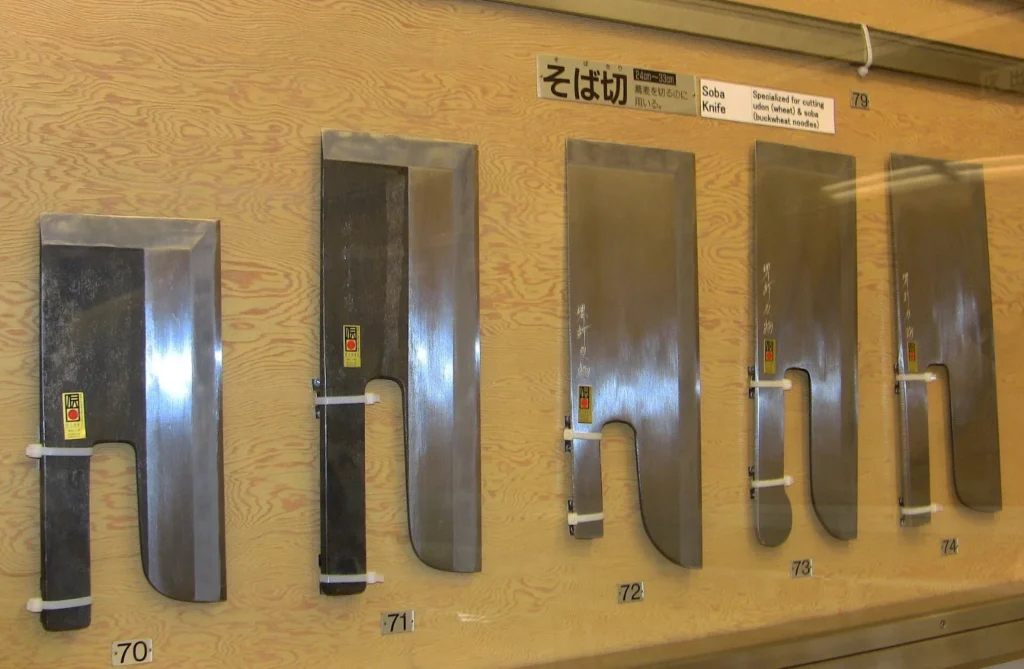
Soba Making Class
You mix, roll and cut buckwheat noodles with a soba master, then eat them. The class at 1-27-7 Ginza takes about 120 minutes, with up to 6 guests, in English and Japanese. Children aged 5 and up pay the adult price.
Klook showed from US$31.35 per person (checked November 20 and 28, 2026), with free cancellation up to 24 hours before. Dates can fill up, so check the calendar. Read the full guide →
Affiliate link
Jeans Making at Betty Smith Ginza
You finish your own pair of jeans and take them home the same day. The Ginza store is on floor B2 of NISHIGINZA, connected to Ginza Station, and opens 11:00 to 20:00. The official page lists the plan from ¥24,200 with tax from September 1, 2026.
Reservations are preferred at the Ginza store. Check the price and time needed when you book. Read the full guide →
Nihonbashi
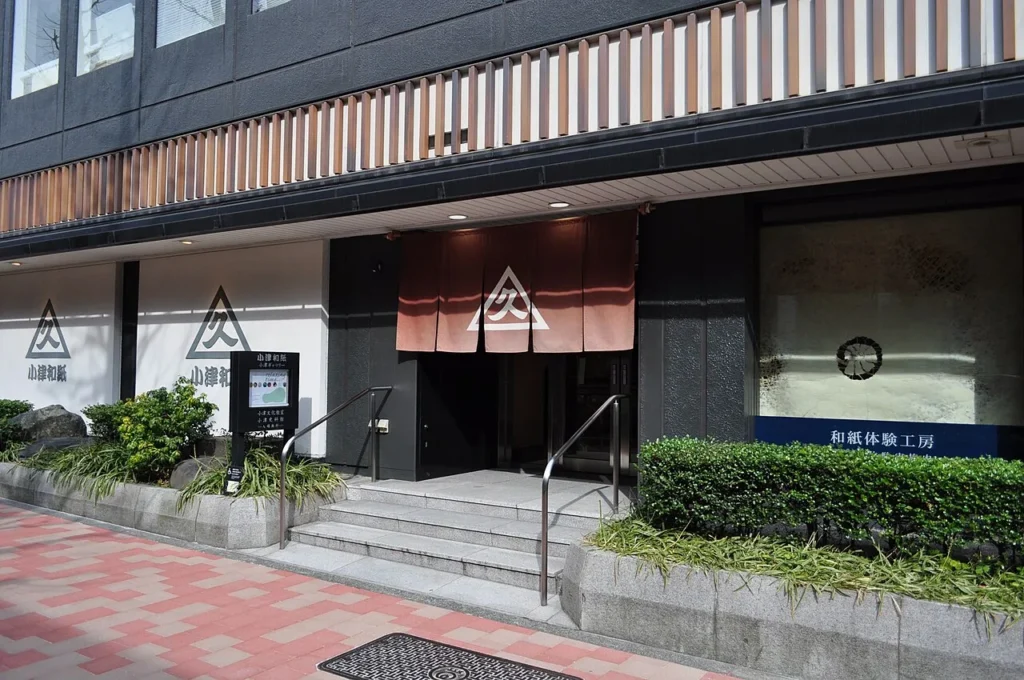
Washi Papermaking at Ozu Washi
Make one A4 sheet of washi, traditional Japanese paper, from scooping to drying. It costs from ¥1,000 per sheet and takes about 45 minutes. It is closed on Sundays, Mondays (Tuesday if Monday is a holiday) and over New Year.
Booking at least 3 days ahead is best. When our guide checked on November 14, 2026, the online form was closed and bookings went by email. Read the full guide →
Ukiyo-e Woodblock Printing
In the same Ozu Washi building, Takumi Woodblock Print Studio teaches multi-color printing. The 2-hour class costs ¥6,000 including materials and is usually held on the third Saturday of the month.
Book by phone or inquiry form. The teaching language is not stated, so ask first. Read the full guide →
Maki-e Lacquer Art at Mutoh
Decorate a vessel with gold or silver colored powder in about 90 minutes. The class is ¥6,600, and visitors from abroad pay ¥14,850 including an interpreter. It uses substitute materials, not real lacquer or real gold powder.
Book by phone, and say which language you need. English, French and Mandarin are possible with notice. Read the full guide →
Fan Painting at Ibasen
Draw and color your own design on a plain Japanese fan, from ¥4,400 including materials. It takes 60 to 90 minutes and offers English support. The Ibasen building is 6 minutes on foot from Mitsukoshimae Station.
Ask for a date through the website form, by email or in the shop. Read the full guide →
Glassblowing at Nihonbashi Hari Kobo
The studio is in COREDO Muromachi Terrace. A clear blown piece costs ¥4,400 and takes about 30 minutes, for ages 10 and older. Reception for glassblowing runs from 14:00 to 17:00.
Your piece is ready in about 14 days, with pickup or shipping within Japan only. Short-stay visitors should plan for this. Read the full guide →
Sumo Morning Practice in Hamacho
Arashio Stable says you can watch daily practice for free without a reservation, listed as 7:30 to 9:00 a.m. There is no practice in Tokyo while the stable is away. On November 17, 2026, it said none until December.
The official guided tour costs ¥15,000, meets at Hamacho Station and is booked at least 7 days ahead. It showed as sold out on November 17, 2026. These details are from that check, and the official tour page could not be opened on November 28, 2026. Read the full guide →
Pokémon Cafe
The cafe is on the 5th floor of Nihombashi Takashimaya S.C. East Building, open 10:30 am to 9:00 pm by reservation. Reservations are online only, and dates open a month at a time. Read the full guide →
Around Tokyo Station
Imperial Palace East Gardens
The gardens are free and need no reservation. They open from 9:00, and closing time changes by season. They are closed on Mondays and Fridays in general, over New Year and on some event days.
Check the official calendar for your date. Read the full guide →
Daikoku JDM Car Meet Tour
This tour visits Daikoku Parking Area in Yokohama, known for its car meets, and you ride as a passenger for about 3 hours. The listing in our guide meets near Tokyo Station, at 1-5-1 Marunouchi. Confirm the meeting point on your booking.
Museums Nearby
- Bank of Japan Currency Museum (Nihonbashi): free; closed on Mondays unless it is a holiday.
- Mitsui Memorial Museum (Nihonbashi): art in a 1929 building; fees depend on the exhibition.
- Tokyo Station Gallery (Marunouchi): inside the station building; closed on most Mondays and between shows.
- Mitsubishi Ichigokan Museum (Marunouchi): art in a red-brick building; fees depend on the exhibition.
Easy Combinations
Nihonbashi craft day
Visit the Currency Museum, then try washi papermaking or fan painting. Pick Tuesday to Saturday, because the museum and the washi workshop have Monday closures. Confirm your workshop time first.
Ginza afternoon and evening
Make soba, walk to the Art Aquarium (until January 6, 2027), then see a sumo dinner show. Check start times and leave a gap between bookings.
Tokyo Station morning
Walk through the Imperial Palace East Gardens, then visit a Marunouchi museum. Avoid Mondays and Fridays for the gardens.
Access and Things to Know
- Ginza: Ginza Station (Ginza, Marunouchi and Hibiya lines); Higashi-Ginza for Kabukiza.
- Nihonbashi: Nihombashi or Mitsukoshimae Station.
- Tokyo Station: JR lines, Shinkansen and the Marunouchi Line.
- Language: some workshops need Japanese or advance notice for an interpreter.
- Closures: Mondays and Sundays are common closing days, so check each one.
Staying nearby? Compare hotels near Tokyo Station and Ginza. For other areas, see experiences in Oshiage and Sumida, experiences in Asakusa and experiences in Shibuya.
FAQ
What is there to do in Ginza besides shopping?
You can watch kabuki or a sumo show, visit the Art Aquarium Museum until January 6, 2027, make soba or finish a pair of jeans.
Where can I try a traditional craft near Tokyo Station?
Nihonbashi has washi papermaking, ukiyo-e printing, maki-e, fan painting and glassblowing.
Do I need to speak Japanese?
Not for all of them. The soba class is hosted in English and Japanese, and Ibasen offers English support. Ask other studios before you book.
What is free here?
The Imperial Palace East Gardens and the Bank of Japan Currency Museum. Arashio Stable also allows free viewing when practice is on.
Can I take my work home the same day?
Yes for maki-e, fan painting once dry, and jeans. Blown glass takes about 14 days.
Keep reading
Sources
This page is based on our guides, which use the official pages below, and on the booking listings. Booking listings were checked on November 28, 2026. We have not joined these experiences ourselves. Prices, hours and rules can change.
- KABUKI WEB: Kabukiza Theatre (official, English)
- KABUKI WEB: Kabukiza information (official, English)
- Art Aquarium Museum GINZA: prices and hours (official, Japanese)
- Betty Smith: jeans-making experience (official, English)
- Ozu Washi: papermaking workshop (official, Japanese)
- Takumi Woodblock Print Studio: Ozu Washi class (official, Japanese)
- Mutoh: maki-e experience (official, Japanese)
- Ibasen: painting workshop (official, English)
- Nihonbashi Hari Kobo: workshop menu and booking (Japanese)
- Arashio Stable: training schedule (official, English)
- Tokyo Chuo City Tourism Association: sumo morning practice tour (Japanese) (checked November 17, 2026; the page could not be opened on November 28, 2026)
- Imperial Household Agency: East Gardens (official, English)
- Bank of Japan Currency Museum: visitor information (official, Japanese)
- Pokémon Cafe: official website (English)
- Mitsui Memorial Museum: visitor guide (official, Japanese)
- Tokyo Station Gallery: facility information (official, Japanese)
- Mitsubishi Ichigokan Museum: visitor information (official, Japanese)
- Klook: HIRAKUZA GINZA sumo dinner show
- Klook: Ginza sumo show
- Klook: Art Aquarium Museum ticket
- Klook: soba making class
- GetYourGuide: Kabukiza admission ticket