Researched guide · Last checked: Nov 20, 2026
Asakusa is one of the easiest places in Tokyo to book a hands-on experience. In and around Asakusa you can make ramen and gyoza, pound mochi, sharpen a knife, make a kimono-fabric purse, ride a rickshaw or spend time with micro pigs. This page groups 17 of them, with the main price, length and booking rule for each. It links to our full guide for every one.
Quick answer
Asakusa is strongest for food classes and traditional crafts, and most of the places are small studios and shops. Prices on this page run from 1,100 yen (chopstick making) to 34,000 yen (a private geisha experience).
For a short, cheap first try, pick chopstick making (from 1,100 yen, about 1 hour), the 10 Tsuki mochi challenge (1,200 yen, about 5 minutes, no booking) or a rickshaw ride (no booking needed). For a longer class, pick ramen and gyoza (19,800 yen, 3 hours) or a candy craft class (3,100 yen, about 1.5 to 2 hours). Most others need a booking, so open the guide for your choice and check the rules first.
| Area | Asakusa, plus nearby Kappabashi, Asakusabashi, Kuramae and Senzoku (all in Taito-ku) |
| Experiences here | 17: 3 food and cooking, 8 traditional crafts, 5 culture and only-in-Asakusa, 1 animal cafe |
| Cheapest | Chopstick making from 1,100 yen (ZEN Craft) |
| Booking | Needed for most. Rickshaw rides and the 10 Tsuki mochi challenge need no booking |
| Where to book | Most experiences have a button to the operator’s official booking page or request form (marked official). The food sample cafe, amezaiku, ninja, rickshaw and walking tour buttons go to Klook instead (affiliate links). The Kappabashi food sample class is booked on the operator’s site, as our guide explains |
| Last checked | November 2026 (on November 20, 2026). Details come from our guides, each checked on the date shown in it (November 13 to 19, 2026). The walking tour details were checked on Klook on November 20, 2026 |
Looking for temples, food streets and sightseeing instead? Read our Asakusa guide. This page covers only experiences you can book. For experiences across the whole city, see the best experiences in Tokyo. For another area, see Experiences in Shibuya.
- How to Choose an Asakusa Experience
- Food and Cooking Experiences
- Traditional Craft Workshops
- Knife Sharpening in Kappabashi
- Chopstick Making in Asakusa
- Gamaguchi Purse Workshop (Seikyodo)
- Tsumami Zaiku Fabric Flowers (Asakusabashi)
- Sandblast Glass Engraving (Asakusabashi)
- Leather Craft Class (Kuramae)
- Edo Sudare Workshop (Tanaka Sudare, Senzoku)
- Amezaiku Candy Craft (Ameshin)
- Omamori Making (Orinami Asakusa)
- Culture and Only-in-Asakusa Experiences
- Animals
- Two Easy Half-Day Plans
- FAQ
- Keep reading
- Sources
How to Choose an Asakusa Experience
Choose by time first, then by budget, then by booking. The table shows the main numbers for all 17. Prices are per person unless noted, as given in our guides.
| Experience | Length | Price | Booking | Language |
|---|---|---|---|---|
| Ramen and gyoza class | 3 hours | 19,800 yen | Online, required | English pages; class language not stated |
| Mochi pounding (Hanbei) | About 60 min (Master Course) or about 5 min (10 Tsuki) | 7,000 yen or 1,200 yen | Master Course online 2 days ahead; 10 Tsuki no booking | Shop explains in English |
| Food sample making | About 40 min (Kappabashi) or about 1 hour (cafe) | 3,300 yen (Kappabashi) or US$31.65 on Klook (cafe, 20% off sale, checked November 19, 2026; prices change, so check Klook before you book) | Needed at both | Kappabashi: Japanese with some English words. Cafe: English-speaking staff |
| Knife sharpening | 1.5 hours (beginner) | 5,000 yen | Online; seats fill fast | Japanese only; interpreter allowed |
| Chopstick making | About 1 hour | From 1,100 yen (ZEN Craft) or 1,500 yen | Online | English at both operators |
| Gamaguchi purse (Seikyodo) | About 1 hour | 9,000 yen | Online, by approval | No Japanese needed |
| Tsumami zaiku fabric flowers | 45 min or more | 60 USD (US dollars, not yen) | Request form first, at least 3 days ahead | English page; class language not stated |
| Sandblast glass | About 100 min (visitor course) | 8,000 yen (visitor course) | Online, by the day before | Visitor course has English support |
| Leather craft (Kuramae) | 1 to 1.5 hours for most items | From 2,900 yen | Online | Not stated; ask before booking |
| Edo sudare (reed blind) | At least 45 min | 3,000 yen, cash | Contact the workshop first | Unclear; ask when you book |
| Amezaiku candy craft | About 1.5 to 2 hours | 3,100 yen (adult) | Required, up to 2 weeks ahead | Mainly Japanese; English video and written instructions |
| Geisha ozashiki | 1 hour (private) or 75 min (Tea House) | From 34,000 yen (private) or 17,600 yen (Tea House) | Online request | English interpreter on private plans |
| Kimono photo shoot | About 1 hour of shooting | 35,000 yen (HANAYAKA solo plan) or 19,800 yen (Sakura, kimono extra) | Online; HANAYAKA takes same-day bookings | HANAYAKA staff speak English |
| Ninja experience | 1 to 2 hours | From about US$36.49 on Klook | Required; confirmed within 24 hours | English and Japanese |
| Rickshaw ride | 12 to 60 min or longer | 30 min: 10,000 yen for 2 or 9,000 yen for 1, per rickshaw | Not required (12-minute ride cannot be booked ahead) | Choosing a language costs 1,000 yen extra |
| Asakusa and Senso-ji walking tour | About 2 hours | US$17.29 on Klook (checked November 20, 2026; prices vary, so check Klook before you book) | Book ahead on Klook (free cancellation up to 24 hours before) | English-speaking guide |
| Mipig cafe (Asakusa) | 25 or 55 min | 2,200 yen or 3,300 yen (age 4 and over) | Reservation only, online | Booking page and rules in English |
- Short on time: the 10 Tsuki mochi challenge (about 5 minutes) or a 12-minute rickshaw ride.
- Low budget: chopstick making from 1,100 yen, or the Kappabashi food sample class at 3,300 yen.
- No booking ahead: the rickshaw ride and the 10 Tsuki challenge. Chopstick making says walk-ins may be possible, but only if there is space.
- Not English-friendly: the knife sharpening class is Japanese only. Bring an interpreter or a Japanese-speaking friend.
Food and Cooking Experiences
Ramen and Gyoza Making Class (Chagohan Tokyo)
Chagohan Tokyo is a cooking studio in Asakusa. In its shared class you prepare ramen and crispy gyoza, then eat what you made. The class costs 19,800 yen per person (tax included) and takes 3 hours. It runs on Monday, Wednesday and Friday at 10:00. Book online ahead, because the studio does not accept walk-ins. Read the full guide →.
Mochi Pounding at Hanbei
At Hanbei, a mochi shop in Asakusa, you pound rice cakes with a wooden mallet and mortar. The Mochi Master Course is 7,000 yen per person and takes about 60 minutes, with 10 flavors to taste. Book online at least two days ahead. The 10 Tsuki Challenge is 1,200 yen, takes about 5 minutes and needs no booking. The shop says it explains in English. Read the full guide →.
Food Sample Making (Kappabashi and Asakusa)
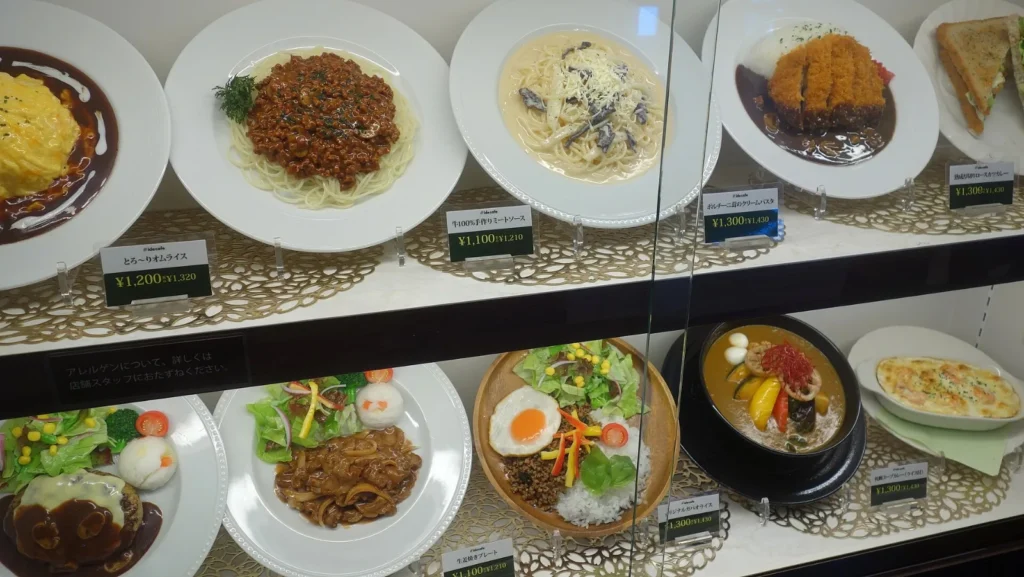
Food samples are the realistic plastic dishes in restaurant windows. At Ganso Shokuhin Sample-ya in Kappabashi, you make two pieces of tempura and a lettuce for 3,300 yen per person. The class takes about 40 minutes and needs a reservation. A food sample cafe in Asakusa takes about 1 hour. On Klook it was US$31.65 during a 20% off sale when we checked on November 19, 2026. Prices change, so check Klook before you book. Both are booked ahead. Read the full guide →.
Affiliate link
Traditional Craft Workshops
Several of these are in neighborhoods next to Asakusa: Kappabashi (kitchen-tool street), Asakusabashi, Kuramae and Senzoku. For more crafts across the city, see our craft workshops in Tokyo guide.
Knife Sharpening in Kappabashi
Kappabashi Kamata Hakensha, a knife shop, teaches whetstone sharpening. The beginner class is 5,000 yen (tax included) and takes 1.5 hours, usually on the 1st and 3rd Saturday of the month at 10:00. It is taught in Japanese only, though you may bring an interpreter. When we checked on November 17, the beginner dates through December were full, so check the events page early. Read the full guide →.
Chopstick Making in Asakusa
You shape a pair of wooden chopsticks in about one hour and take them home. Two operators run classes in Asakusa: ZEN Craft at 1,100 yen (tax included) and Chopstick Making Japan at 1,500 yen. Both say English is spoken. Cancellation rules differ a lot, so read them before you pay. Read the full guide →.
Gamaguchi Purse Workshop (Seikyodo)
Seikyodo, a craft shop near Kappabashi, runs a gamaguchi workshop of about one hour for 9,000 yen per person. You make a purse or case and a mini gamaguchi from vintage kimono fabric, with no sewing. The shop is open Wednesday to Sunday. Booking is online and by approval. Read the full guide →.
Tsumami Zaiku Fabric Flowers (Asakusabashi)
At ITA, a studio near JR Asakusabashi Station, the trial lesson is 60 USD per person (the price is listed in US dollars, not yen). You fold silk fabric into two small flowers and finish them as a brooch or hair clip. The page lists the activity time as 45 minutes or more. You send a request form at least 3 days ahead. Read the full guide →.
Sandblast Glass Engraving (Asakusabashi)
The Sandblast Honbu Classroom is a 1-minute walk from JR Asakusabashi Station. Its visitor course is 8,000 yen (tax included), about 100 minutes, with English support, on weekdays at 10:00 and 13:00. Age 9 and over. The regular course starts from 3,500 yen. The website and booking page are in Japanese. Read the full guide →.
Leather Craft Class (Kuramae)
THOROUGH BRACE runs a leather class at its flagship store in Kuramae, on Saturdays, Sundays and public holidays. A card case is 2,900 yen and most items take 1 to 1.5 hours. Book online. The official page does not say whether the lesson is in English, so ask first. Read the full guide →.
Edo Sudare Workshop (Tanaka Sudare, Senzoku)
Tanaka Sudare is a family workshop for Japanese reed blinds. GO TOKYO lists a studio tour and workshop of at least 45 minutes for 3,000 yen, paid in cash. You make a small item such as a coaster. Do not walk in: contact the workshop first. Read the full guide →.
Amezaiku Candy Craft (Ameshin)
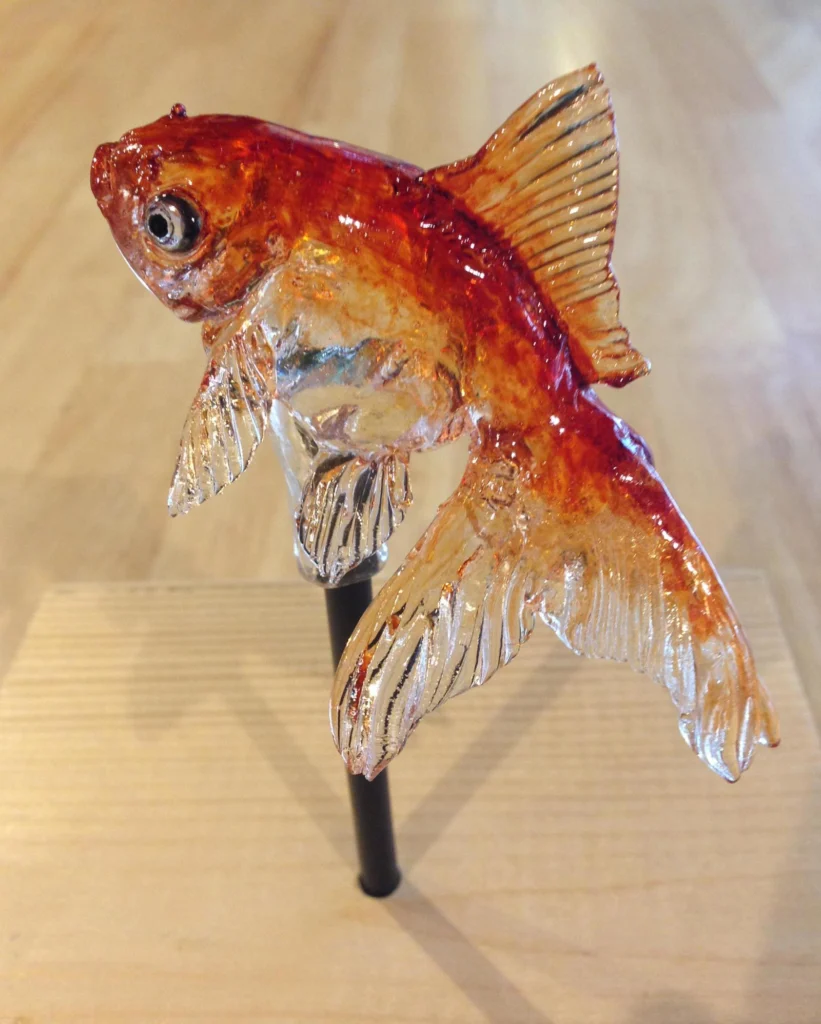
At Ameshin, near Asakusa, you shape hot candy into a rabbit with scissors. The class takes about 1.5 to 2 hours and costs 3,100 yen for adults (children of high school age and under: 2,500 yen). It is mainly in Japanese, with an English subtitle video and written English instructions. Booking is required, up to 2 weeks ahead. The studio is closed on Thursdays. Read the full guide →.
Affiliate link
Omamori Making (Orinami Asakusa)
Orinami is a hand-weaving studio near Senso-ji. In about 1 hour, you choose five thread colors and weave a cloth, and the staff turn it into an omamori (lucky charm) pouch. Klook lists the English class from about US$38 (as checked 2026-11-20 + prices vary). Read the full guide →.
Culture and Only-in-Asakusa Experiences
Geisha Ozashiki (Miyakodori)
Miyakodori runs private ozashiki parties near Senso-ji, where geisha dance and play traditional games with you. A 1-hour daytime plan for 4 or more guests is from 34,000 yen per person, and an English interpreter is included. A lower-priced Tea House plan is 17,600 yen (campaign price) for 75 minutes. It is normally open Monday to Friday. You send an online request first. Read the full guide →.
Kimono Photo Shoot (HANAYAKA and Sakura Photo Studio)
A photographer walks with you around Senso-ji and gives you the photos as files. At HANAYAKA, the women’s solo plan is 35,000 yen and includes the kimono, hair and a 1-hour shoot. At Sakura Photo Studio, the outdoor shoot is 19,800 yen and kimono styling is extra. If you only want to rent a kimono, see our kimono rental guide. Read the full guide →.
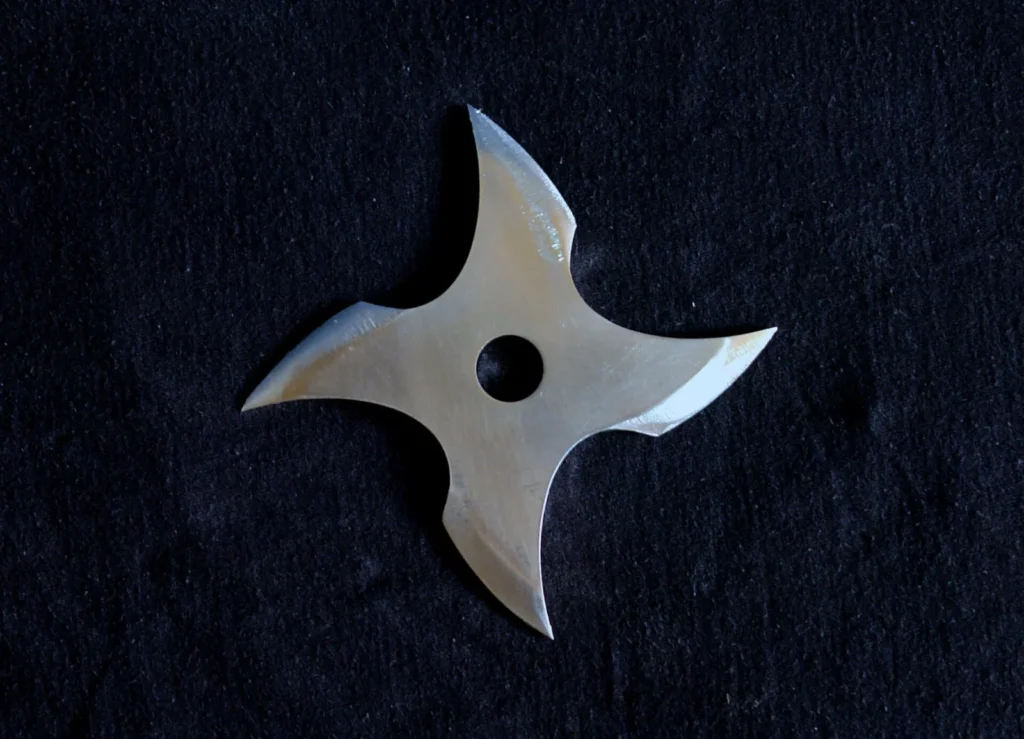
Ninja Experience (Ninja Cafe & Bar Asakusa)
You wear a ninja costume and try shuriken, a blowgun and a sword. The experience takes 1 to 2 hours and starts from about US$36.49 on Klook. Children from age 3 can join. Book ahead: the booking is confirmed within 24 hours. Staff speak English and Japanese. Read the full guide →.
Affiliate link
Rickshaw Ride (Ebisuya)
Ebisuya has a stand near Kaminarimon Gate. Prices are per rickshaw, not per person: 30 minutes is 10,000 yen for 2 people or 9,000 yen for 1. A 12-minute ride is 5,000 yen for 2 or 4,000 yen for 1, and it cannot be booked ahead. Booking is not required for the other rides, but it keeps your time. Read the full guide →.
Affiliate link
Asakusa and Senso-ji Walking Tour (Klook)
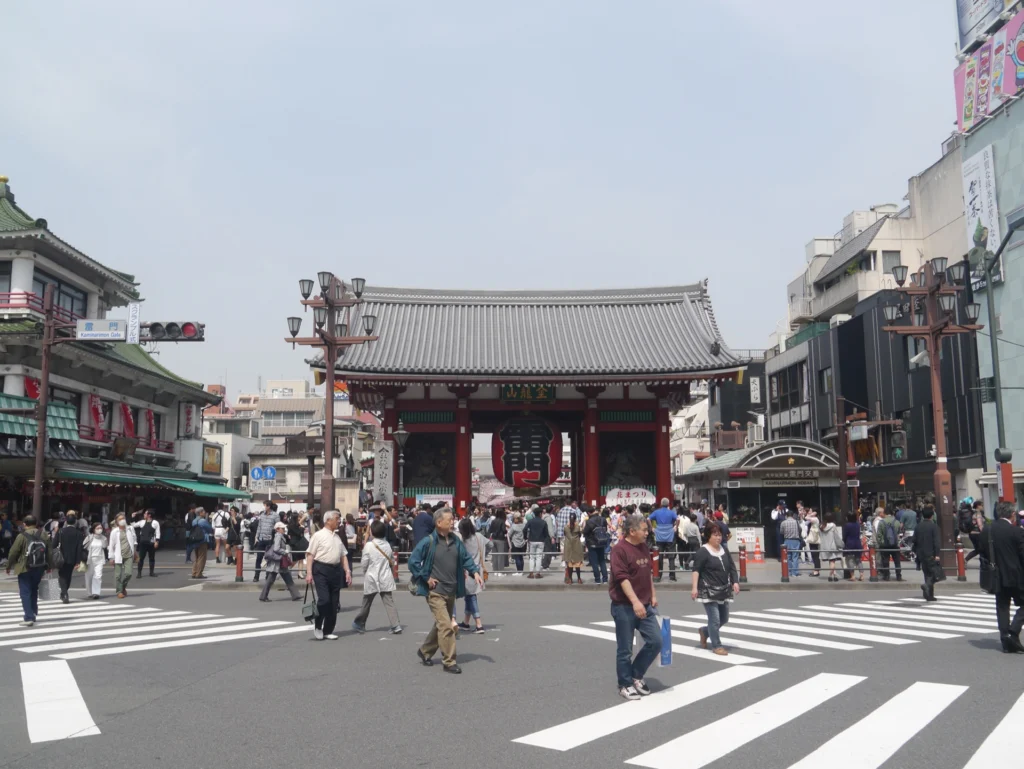
This guided walk goes through Kaminarimon Gate and Nakamise-dori Street to Senso-ji Temple. It takes about 2 hours, even though the Klook listing calls it a half-day tour. The guide speaks English, and the group is small (1 to 20 people). You meet at Starbucks Coffee – Asakusa Station, and tours start at 10:00 and 13:00. The listed price was US$17.29 on Klook when we checked on November 20, 2026. Prices vary, so check Klook before you book. Klook lists free cancellation up to 24 hours before the activity date, and the tour is operated by Mediabound,Inc. We have not joined this tour ourselves.
Affiliate link
Animals
Mipig Cafe (Asakusa Shop)
Mipig cafe is a micro pig cafe with five shops in Tokyo, including Asakusa. In Asakusa, a 25-minute visit is 2,200 yen and a 55-minute visit is 3,300 yen for ages 4 and over (open 9:00 to 19:00). It is reservation only, online, with no phone bookings. The pigs come first: you may not pick them up, use a flash or bring food. Read the full guide →.
Two Easy Half-Day Plans
These plans use only times and prices from our guides. We have not tested the walking times between places, so check a map. For a longer, sightseeing-based plan, see Asakusa and Kappabashi Day Itinerary: Senso-ji and a Food Sample Class.
- Food and a ride: book the Kappabashi food sample class (about 40 minutes; the listed start times begin at 10:50). Then ride a rickshaw from Kaminarimon (30 minutes: 10,000 yen for 2 or 9,000 yen for 1, per rickshaw, no booking needed).
- With children: book the ninja experience (1 to 2 hours, from age 3), then a 25-minute mipig cafe visit. See our Tokyo with kids guide for more ideas.
FAQ
Do I need to book Asakusa experiences ahead?
For most, yes. Booking is required for the ramen and gyoza class, the Master Course mochi plan, food sample making, the amezaiku class, the ninja experience, mipig cafe and the geisha ozashiki. Rickshaw rides and the 10 Tsuki mochi challenge do not need a booking. Chopstick making says walk-ins may be possible, subject to space.
Which Asakusa experiences are in English?
The geisha ozashiki includes an English interpreter on private plans. Chopstick making is in English at both operators. The gamaguchi workshop needs no Japanese, and the ninja experience lists English and Japanese. The knife sharpening class is Japanese only. Other classes say little about class language, so ask before you book. The table above shows what each guide says.
Which Asakusa experiences can children join?
The ninja experience takes children from age 3, and mochi pounding says young children are welcome. Ramen and gyoza books children aged 3 and over as adults. Chopstick making (ZEN Craft) is for ages 5 and over with a parent or guardian. Mipig cafe has no age limit, but children in elementary school or younger cannot enter alone. Age rules differ, so check the guide for your choice.
How much do Asakusa experiences cost?
From 1,100 yen for chopstick making at ZEN Craft to 34,000 yen per person for a private geisha ozashiki. Most craft classes in this list are listed at 9,000 yen or less (tsumami zaiku is listed in US dollars). Prices can change, so confirm on the operator’s booking page.
What is the best experience for a short visit?
Try the 10 Tsuki mochi challenge (1,200 yen, about 5 minutes, no booking) or a 12-minute rickshaw ride. Both are quick and need no reservation.
Where can I read about temples and sightseeing in Asakusa?
In our Asakusa guide. This page covers only experiences you can book.
Keep reading
Sources
Prices and rules on this page are copied from our own guides, which use the operators’ official pages below. Last checked: November 2026 (on November 20, 2026). We re-read our guides, not each operator’s site, on this date. Prices, days and rules can change, so check the booking page before you go. We have not joined these experiences ourselves.
- Chagohan Tokyo: Ramen and Crispy Gyoza Class (official, English)
- Hanbei: Mochi pounding experience (official, English)
- Ganso Shokuhin Sample-ya: Kappabashi class (official, English)
- Kappabashi Kamata Hakensha: Knife Sharpening Class (official, English)
- ZEN Craft chopsticks making class (official, English)
- Chopstick Making Japan: Tokyo class (official, English)
- Seikyodo: Gamaguchi Pouch Workshop (official booking page)
- ITA tsumami zaiku: trial lesson in Asakusabashi (official, English)
- Sandblast Honbu Classroom: experience class page (official, Japanese)
- THOROUGH BRACE: Kuramae Leather Class (official, English)
- GO TOKYO: Edo Sudare Studio Tour and Workshop
- Ameshin: Workshop (official, English)
- Miyakodori: geisha experience prices (official, English)
- HANAYAKA: photo plans (official, English)
- Sakura Photo Studio (official, English)
- Klook: Ninja experience cafe in Asakusa
- Klook: Tokyo Asakusa & Senso-ji Half-Day Cultural Walking Tour
- Ebisuya Asakusa (official, Japanese)
- mipig cafe: Asakusa (official, English)