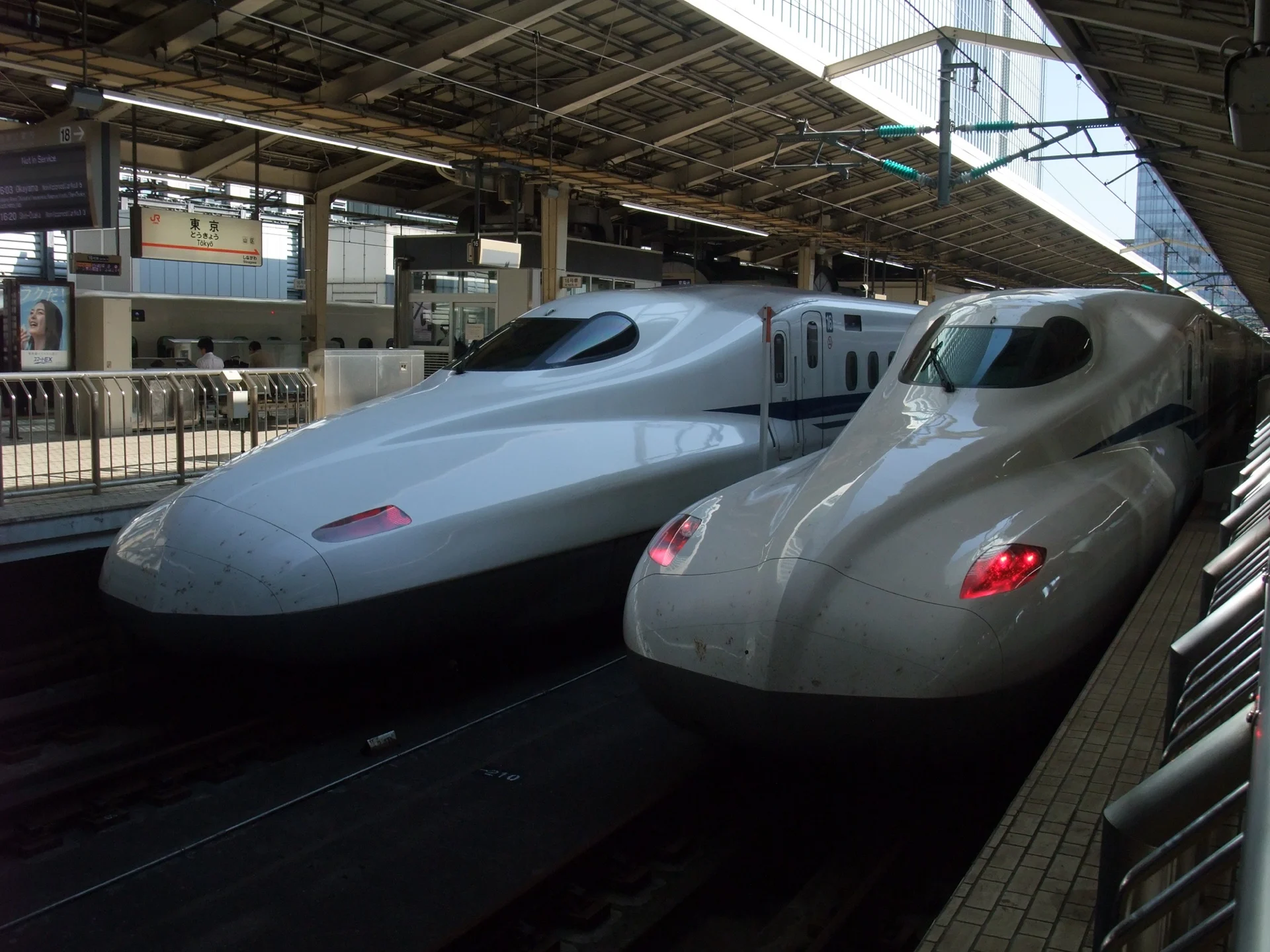
The Shinkansen, Japan’s bullet train, is the fastest way to get from Tokyo to Kyoto, Osaka, Hiroshima and much of the rest of Japan. It is easy to use once you know which line you need, how to buy a ticket and what to do with your luggage. Here is a simple guide for first-time riders.
Quick answer
Going to Kyoto or Osaka? Take the Tokaido Shinkansen from Tokyo or Shinagawa Station. The fastest trains (Nozomi) take about 2 hours 15 minutes to Kyoto and about 2.5 hours to Shin-Osaka.
Easiest way to buy: the official smartEX app or website for the Tokaido, Sanyo and Kyushu Shinkansen. For trains going north and east from Tokyo (to Sendai, Nagano, Kanazawa and more), use JR East’s JR-EAST Train Reservation. You can also buy at station ticket machines and counters.
Big suitcase? On the Tokaido, Sanyo and Kyushu Shinkansen, a bag whose length + width + height is over 160 cm needs a seat with an oversized baggage area, booked in advance.
Which Shinkansen line do you need?
Several Shinkansen lines start in Tokyo. They are run by different JR companies, which matters when you buy tickets online.
| Line | Main destinations | Tokyo stations | Booking site |
|---|---|---|---|
| Tokaido Shinkansen | Mt. Fuji area (Mishima), Nagoya, Kyoto, Shin-Osaka; continues as the Sanyo Shinkansen to Kobe, Hiroshima and Fukuoka | Tokyo, Shinagawa | smartEX |
| Tohoku Shinkansen | Sendai, Morioka, Aomori; branches to Yamagata and Akita | Tokyo, Ueno | JR-EAST Train Reservation |
| Joetsu Shinkansen | Niigata, ski areas such as Yuzawa | Tokyo, Ueno | JR-EAST Train Reservation |
| Hokuriku Shinkansen | Karuizawa, Nagano, Toyama, Kanazawa | Tokyo, Ueno | JR-EAST Train Reservation |
Kyoto and Osaka are the most common trips from Tokyo, so most of this guide is about the Tokaido Shinkansen.
Train types on the Tokaido Shinkansen
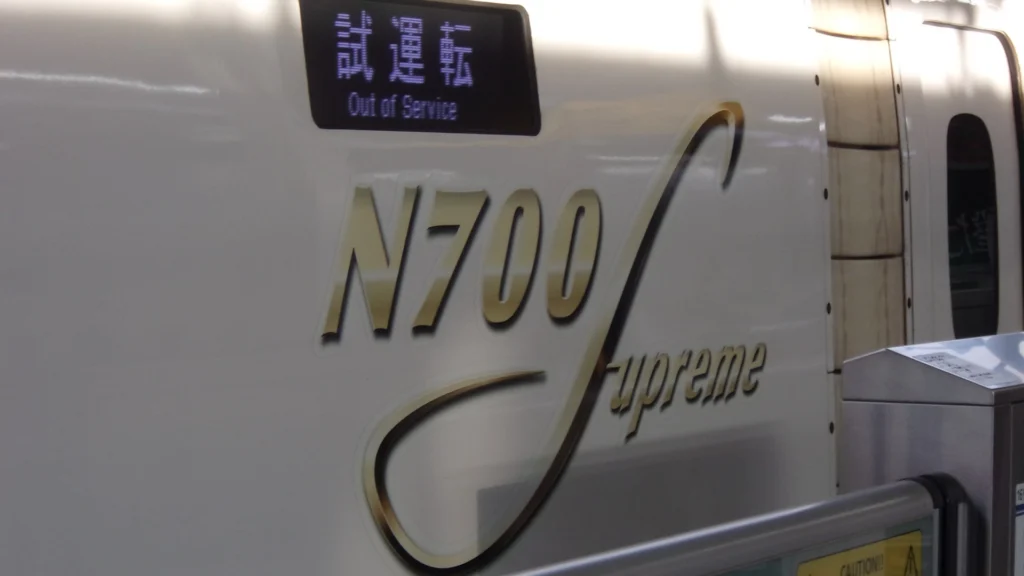
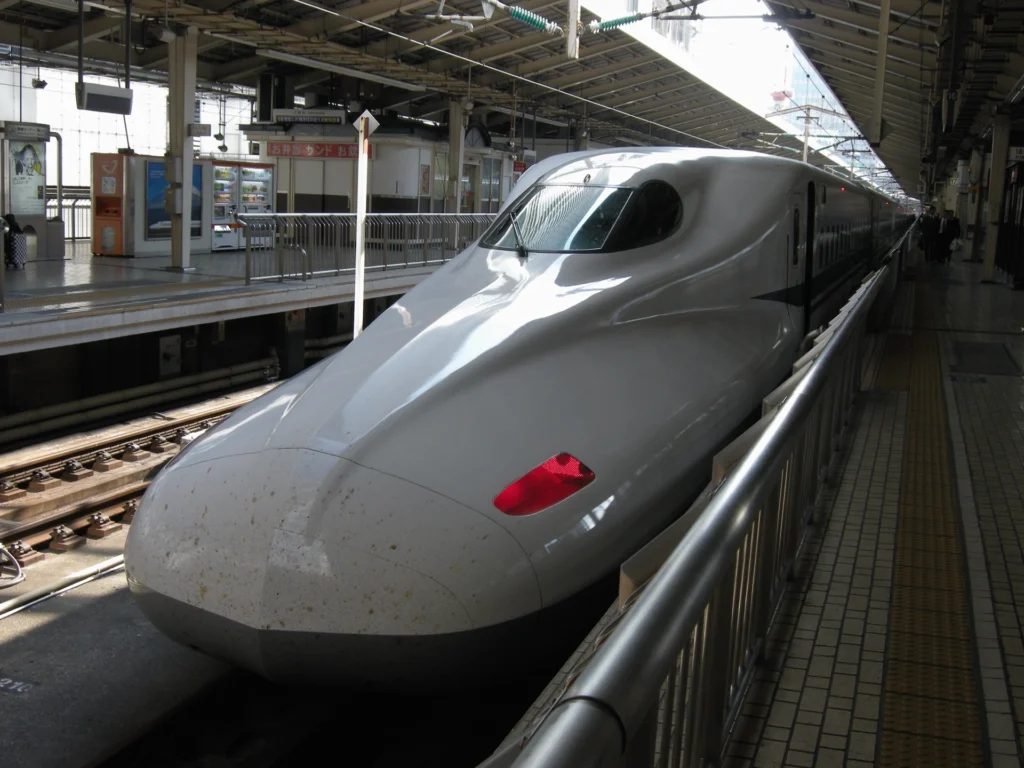
- Nozomi: the fastest, with the fewest stops. Most trains are Nozomi.
- Hikari: a little slower, with a few more stops.
- Kodama: stops at every station. Useful for smaller stations such as Odawara (for Hakone) and Mishima, and usually less crowded.
Each train has reserved cars, Green cars (first class) and, on most trains, a few non-reserved cars. In busy holiday periods, JR Central sometimes makes Nozomi trains reserved-seat only, so book ahead if you travel during New Year, Golden Week (late April to early May) or Obon (mid-August).
How much does it cost?
Fares change, so always check the current price in smartEX or at the station. As a guide, a one-way adult ticket from Tokyo to Shin-Osaka in a reserved ordinary seat on a Nozomi costs ¥14,720 in regular periods, and Tokyo to Kyoto is a little less. Non-reserved seats are cheaper, and Green cars cost more.
JR Central has announced that the reserved-seat charge on Nozomi trains will go up from July 1, 2027: the Tokyo to Shin-Osaka fare above becomes ¥15,420.
Is the Japan Rail Pass worth it?
The nationwide Japan Rail Pass covers Hikari and Kodama trains. To ride a Nozomi with the pass, you need to buy an extra ticket for that trip. The pass only pays off if you take several long trips in a short time. A simple Tokyo–Kyoto–Osaka round trip is usually cheaper with normal tickets. Compare the price on the official Japan Rail Pass website with the fares for your actual route before you buy. If the pass suits your trip, our Japan Rail Pass guide explains the prices and where to buy it. See also our Tokyo transport passes guide.
How to buy tickets
Online: smartEX (Tokaido, Sanyo and Kyushu Shinkansen)
- Register for free on the smartEX app or website with your email and a credit card.
- Choose your train, seat and car. You can change your booking before departure.
- Board by scanning the QR code ticket at the Shinkansen gate, or link a transport IC card such as Suica and tap it at the gate.
Some travelers report that foreign credit cards are declined during payment. If that happens, try another card or buy at the station.
Online: JR-EAST Train Reservation (lines going north and east)
JR East’s English booking site covers the Tohoku, Joetsu and Hokuriku Shinkansen. You pick up the tickets at a ticket machine in a JR East station using the reservation number and the card you paid with.
At the station
Reserved-seat ticket machines in JR stations have an English screen and accept cash and cards. Staffed ticket offices (look for the green sign or “Ticket Office”) can also help, but lines can be long in the morning and in holiday periods.
Luggage on the Shinkansen
- Up to 160 cm (length + width + height): no reservation needed. Put it on the rack above your seat or at your feet.
- 160 cm to 250 cm on the Tokaido, Sanyo and Kyushu Shinkansen: reserve a seat with an oversized baggage area (the last row of the car, with space behind it). If you board without one, you may be charged ¥1,000 and asked to put your bag where the staff say.
- Over 250 cm: cannot be taken on board.
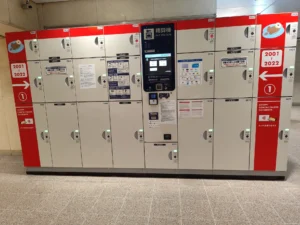
If you would rather travel light, you can send suitcases ahead to your next hotel. See our luggage guide for luggage forwarding and coin lockers.
Tips for the ride
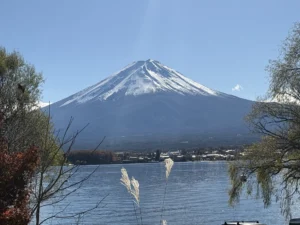
- See Mt. Fuji: going from Tokyo toward Kyoto and Osaka, Fuji is on the right side of the train. In ordinary cars, ask for seat E (the window seat on that side). It is only visible on clear days, best around Shin-Fuji Station, about 40 to 50 minutes after leaving Tokyo.
- Arrive early: Tokyo Station is big. Allow 15 to 20 minutes to get from the subway or JR local lines to the Shinkansen platforms.
- Food: buy an ekiben (a station bento box) before you board. Tokyo Station has a large ekiben shop inside the gates. Eating on the train is normal.
- Manners: keep phone calls in the area between cars, and ask the person behind you before you recline your seat.
- Stations in Kyoto and Osaka: Kyoto Station is in the city. For Osaka, the Shinkansen stops at Shin-Osaka, one stop by JR from Osaka Station.
Taking the Shinkansen? Pick up a station bento first: see ekiben at Tokyo Station.
FAQ
Do I need to reserve a seat?
Not always. Most trains have non-reserved cars, but they can be full at busy times, and you may have to stand. Reserving is safer, especially with luggage or in holiday periods.
Can I use Suica on the Shinkansen?
You can tap Suica or another IC card at the gate if you link it to a smartEX booking. Suica alone, without a Shinkansen ticket, is not enough for long-distance Shinkansen trips.
Which is faster, flying or the Shinkansen?
For Tokyo to Kyoto or Osaka, the Shinkansen is usually faster door to door, because it runs from the city center and you do not need to arrive early for security checks.
Can I see Mt. Fuji from the train?
Yes, on clear days, from the right side when traveling from Tokyo toward Kyoto and Osaka (seat E in ordinary cars).
New to Tokyo trains? See Trains in Tokyo and How to use Suica.
Related Articles

Sources
Information comes from the official sources below and a news report on the 2027 fare change (checked October 19, 2026). Fares and rules change, so please check before you travel.
- smartEX: Tokaido, Sanyo and Kyushu Shinkansen online reservation (official)
- smartEX: seats with an oversized baggage area (official)
- JR West: oversized luggage on the Shinkansen (official)
- JR Central: Tokaido Shinkansen (official)
- JR East: JR-EAST Train Reservation (official)
- Japan Rail Pass (official)
- Bernama (Kyodo): JR Central to raise Nozomi reserved-seat charges from July 2027