Researched guide · Last checked: Nov 11, 2026
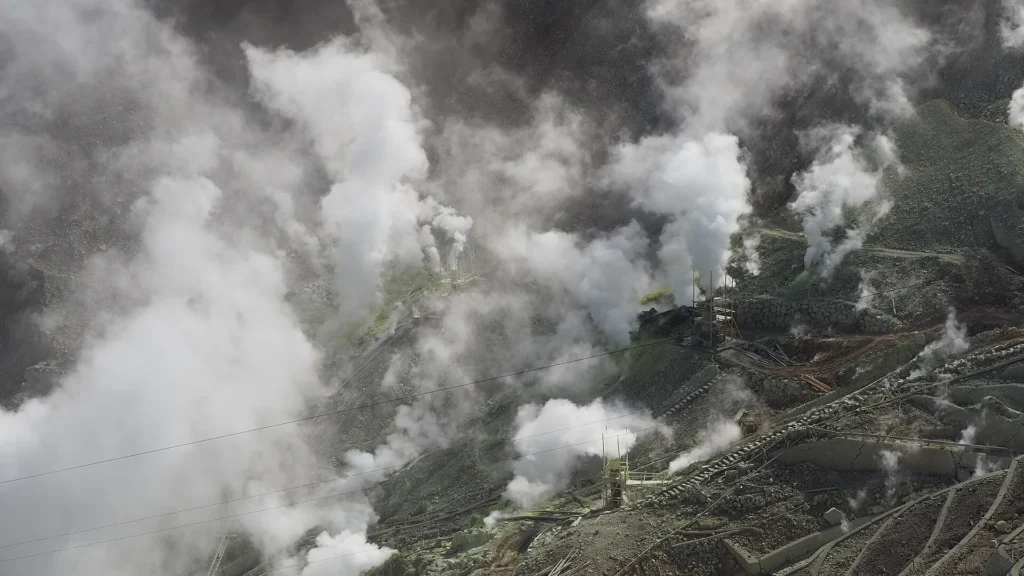
Owakudani is a volcanic valley in Hakone where white steam rises from the bare mountainside. Hakone’s official tourism site says it was formed by an eruption about 3,000 years ago, and the smell of sulfur once gave it the name Jigokudani (Hell Valley). Most visitors arrive by the Hakone Ropeway to see the steam vents, try the famous black eggs and, on clear days, look out toward Mt. Fuji. Because it is an active volcanic area, access can be limited by volcanic gas or volcanic activity, so always check the official information on the day you go. For the rest of Hakone, see our Hakone day trip guide.
Quick answer
Getting there: Hakone Ropeway to Owakudani Station. From Gora, take the Hakone Tozan Cable Car to Sounzan (about 10 minutes), then the ropeway to Owakudani (about 10 minutes).
Black eggs: Sold at Owakudani Kurotamago-kan, 9:00 to 16:40 (changes by season). They can sell out.
Nature trail: Guided entry only, by reservation: 4 times a day, 30 people each, about 40 minutes, ¥800 per person. Elementary school age and up.
Quick facts
| Getting there | Hakone Ropeway to Owakudani Station. From Gora, take the Hakone Tozan Cable Car to Sounzan (about 10 minutes), then the ropeway to Owakudani (about 10 minutes) |
| Black eggs | Sold at Owakudani Kurotamago-kan, 9:00 to 16:40 (changes by season). They can sell out |
| Nature trail | Guided entry only, by reservation: 4 times a day, 30 people each, about 40 minutes, ¥800 per person. Elementary school age and up |
| Safety | Volcanic gas (hydrogen sulfide and sulfur dioxide) is present. People with asthma, breathing problems or heart conditions, or who feel unwell, are at particular risk |
| Before you go | Check the Hakone Ropeway and Owakudani official information on the day for operation and access limits |
| Last checked | November 2026 |
What to see
The steam vents and the Earth Valley viewing area
The Hakone Ropeway’s Owakudani Station and the plaza in front of it reopened after renovation on April 25, 2025, with a new viewing area called Earth Valley (Chikyu no Tani). Hakone’s official tourism site describes the Wind Circle Terrace with a 360° view, the Breath Deck with a glass floor above steaming vents, and a spot where you can watch the ropeway gondolas glide past.
Black eggs (kuro-tamago)
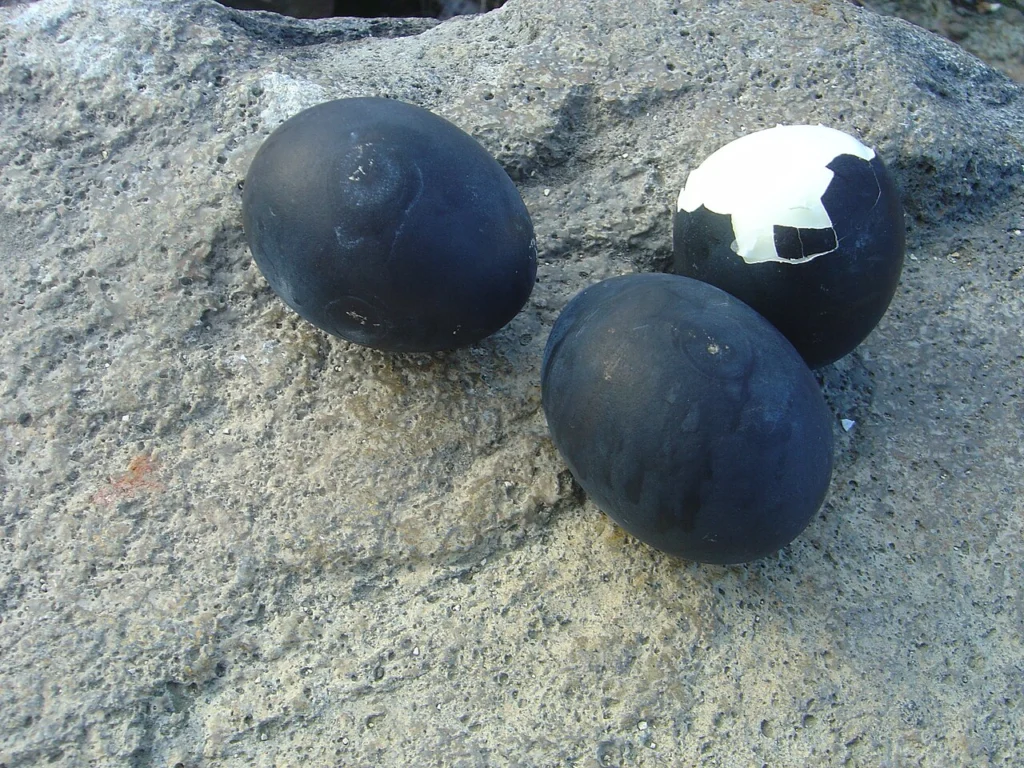
The local specialty is the black egg: an ordinary egg boiled in the volcanic hot spring water until the shell turns black. Owakudani Kurotamago-kan explains that the eggs are boiled for about 60 minutes in hot spring water of about 80°C, then steamed for about 15 minutes at about 100°C. A local saying claims that eating one adds seven years to your life. The shop sells them from 9:00 to 16:40, with times changing by season, and they can sell out.
The nature trail (guided, by reservation)
The Owakudani Nature Trail is a path of about 700 m that goes close to the steam vents, past the pond where the black eggs are cooked. It is now open only as a guided walk:
- 4 walks a day, up to 30 people each, about 40 minutes, led by two staff members.
- Book in advance on the official website. On the day, you pay ¥800 per person toward safety costs and wear a helmet.
- Only for people of elementary school age and up who can run to safety on their own, and who do not have breathing or heart conditions.
- Walks are cancelled when gas levels are high, and in rain, strong wind or fog.
Volcanic gas: stay safe
Owakudani is still volcanically active. The official Kurotamago-kan site warns that harmful volcanic gases (hydrogen sulfide and sulfur dioxide) are present around the valley.
- Leave the area if the smell is strong or your eyes, nose or throat start to sting.
- People at particular risk: those with asthma, breathing problems or heart conditions, and anyone who feels unwell.
- Read the warning signs at the entrance to the trail and follow staff instructions.
- Check on the day. Access and the ropeway can be stopped when gas levels rise or volcanic activity changes. Check the official Hakone Ropeway and Owakudani information before you set out.
Getting there
- By train, cable car and ropeway: take the Hakone Tozan Railway from Hakone-Yumoto Station to Gora (about 40 minutes), the cable car to Sounzan (about 10 minutes), then the Hakone Ropeway to Owakudani (about 10 minutes).
- From Lake Ashi: the ropeway also runs between Owakudani and Togendai, on the shore of Lake Ashi.
- By car: the car park gets crowded on weekends, so the official site recommends coming by ropeway.
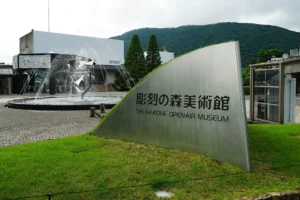
The Hakone Freepass covers the cable car and the ropeway. Combine Owakudani with the Hakone Open-Air Museum on the way up, or see Kamakura or Hakone? to plan your trip.
FAQ
Is Owakudani open now?
Access can be limited by volcanic gas or volcanic activity, and the ropeway can stop. Check the official Hakone Ropeway and Owakudani information on the day you go.
Is Owakudani safe?
Harmful volcanic gases are present. People with asthma, breathing problems or heart conditions, or who feel unwell, are at particular risk. Leave the area if your eyes, nose or throat start to sting.
What are the black eggs at Owakudani?
Eggs boiled in volcanic hot spring water until the shells turn black. They are sold at Owakudani Kurotamago-kan and can sell out.
Can I walk the Owakudani Nature Trail?
Only on a guided walk booked in advance: 4 times a day, 30 people each, ¥800 per person, for elementary school age and up without breathing or heart conditions.
How do I get to Owakudani?
Take the Hakone Ropeway to Owakudani Station, from Sounzan (via the Tozan Railway and cable car from Hakone-Yumoto) or from Togendai on Lake Ashi.
Keep reading

Sources
This page is based on the official information below, not on our own visit. Last checked: November 2026 (on November 11, 2026). Conditions at Owakudani change with volcanic activity, so check the official information on the day you go.
- Hakone Navi: Owakudani (official Hakone tourism site)
- Hakone Navi: Earth Valley and the new Owakudani Station (official Hakone tourism site)
- Owakudani Kurotamago-kan: Volcanic gas (official, Japanese)
- Owakudani Kurotamago-kan: Owakudani Nature Trail (official, Japanese)
- Owakudani Kurotamago-kan (official)