Researched guide · Last checked: Nov 14, 2026
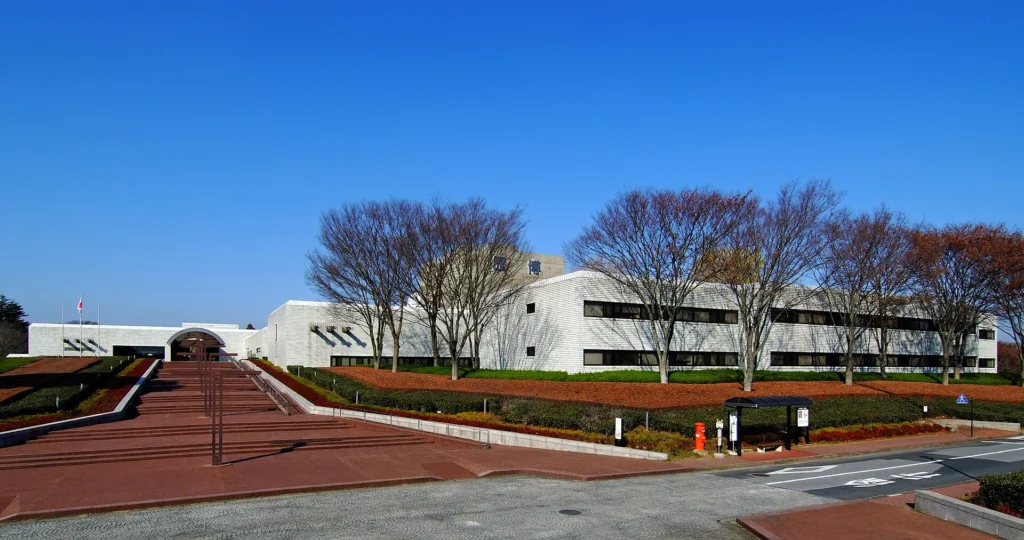
The National Museum of Japanese History, often called Rekihaku, is a national museum in Sakura, Chiba. Six galleries tell the story of people in Japan, from about 37,000 years ago to the 1970s, with models, real objects and films. It is about one hour from Tokyo by train, and it is close to Narita. A free audio guide app covers the main galleries in English.
Quick facts
| What it is | A national history and folk culture museum with six permanent galleries and a garden |
| Hours | March to September 9:30 to 17:00 (last entry 16:30); October to February 9:30 to 16:30 (last entry 16:00) |
| Admission | Adults 900 yen; university students 500 yen; high school students and under (under 18) free. Special exhibitions have separate fees |
| Closed | Mondays (if a holiday, the next weekday), December 27, 2026 to January 5, 2027, and some Tuesdays (December 8, 2026; February 9 and March 2, 2027) |
| Address | 117 Jonai-cho, Sakura, Chiba |
| Nearest station | Keisei-Sakura Station (about 15 minutes on foot or 5 minutes by bus) or JR Sakura Station (about 15 minutes by bus) |
| From Tokyo | Keisei Main Line from Keisei-Ueno to Keisei-Sakura (limited express, about 55 minutes), or JR Sobu Line rapid from Tokyo to Sakura (about 60 minutes) |
| Last checked | November 2026 |
What to see
- Gallery 1 (Prehistory and ancient times): life from the first people in Japan, about 37,000 years ago, to the 10th century, shown with models and pictures.
- Gallery 2 (Medieval): culture and daily life from the Heian period to the Azuchi-Momoyama period, seen from nobles, samurai and common people.
- Gallery 3 (Early modern): life and culture in the Edo period (late 16th to mid-19th century).
- Gallery 4 (Folk culture): the customs and beliefs of people across Japan today.
- Gallery 5 (Modern): schools, the army, a new economy and war from the 19th century. It reopened after renewal on March 17, 2026.
- Gallery 6 (Contemporary): Japan from the 1930s to the 1970s, with everyday goods, printed matter, films and models.
- Botanical Garden of Everyday Life: a separate garden of plants used in daily life (200 yen). Show your museum ticket stub to enter it on the same day.
Before you go
- Some areas closed: the museum says parts of Gallery 3 and Gallery 4 cannot be seen at the moment.
- Photos: allowed in the permanent galleries for personal use, but no flash or tripods. Some spots are marked no-photo. Photos are not allowed in special exhibitions.
- Pencils only: in the galleries, you may write only with pencils.
- Audio guide: a free smartphone app in Japanese, English, Chinese and Korean. It needs the museum’s free Wi-Fi.
- Free day: entry is free on December 25, 2026.
- Paying: the ticket desk takes credit cards and IC cards like Suica. The garden takes cash only.
Getting there from Tokyo
- Keisei Line: from Keisei-Ueno, take the Keisei Main Line to Keisei-Sakura (limited express, about 55 minutes). Walk about 15 minutes, or take a bus from South Exit stop 1 (about 5 minutes). Narita Sky Access trains do not stop at Keisei-Sakura.
- JR: from Tokyo Station, take the JR Sobu Line rapid to Sakura (about 60 minutes). Take a bus from North Exit stop 1 (about 15 minutes) and get off at Kokuritsu Hakubutsukan Iriguchi or Kokuritsu Rekishi Minzoku Hakubutsukan.
- From Narita: JR rapid from Narita Station to Sakura takes about 16 minutes.
- Cherry blossom season: roads near the museum get very crowded, and bus times change.
Rekihaku is on the way to Narita. Combine it with Naritasan Shinshoji or the old town of Sawara, see our list of museums in Tokyo, and find more day trips from Tokyo.
FAQ
How much is the National Museum of Japanese History?
Adults pay 900 yen and university students 500 yen. High school students and anyone under 18 enter free. Special exhibitions have their own fees.
What day is the National Museum of Japanese History closed?
It closes on Mondays (or the next weekday if Monday is a holiday), from December 27, 2026 to January 5, 2027, and on some Tuesdays such as December 8, 2026.
How do I get to Rekihaku from Tokyo?
Take the Keisei Main Line from Keisei-Ueno to Keisei-Sakura (about 55 minutes by limited express), then walk 15 minutes or take a 5-minute bus. Or take the JR Sobu Line rapid from Tokyo to Sakura and a 15-minute bus.
Is there English at the National Museum of Japanese History?
Yes. A free audio guide app has English, Chinese and Korean as well as Japanese. Some content is in Japanese only. You need the museum’s free Wi-Fi to use it.
Can I take photos in the museum?
Yes, in the permanent galleries for personal use, but without flash or tripods. Some spots are marked no-photo, and photos are not allowed in special exhibitions.
Keep reading
Sources
Facts come from the official website of the National Museum of Japanese History. They are based on official sources, not our own visit. Closing days and exhibits change, so check before you go. Last checked: November 2026 (on November 14, 2026).