Researched guide · Last checked: Nov 14, 2026
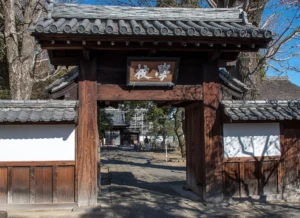
Kodokan in Mito, Ibaraki, was the school of the Mito domain. Tokugawa Nariaki, the 9th lord of Mito, opened it in 1841 to train samurai in both study and martial arts. The last shogun, Tokugawa Yoshinobu, studied here as a child. The main gate, the Seicho (main hall) and the Shizendo survive from that time and are Important Cultural Properties. The grounds have about 800 plum trees and are a short walk from Mito Station.
Quick facts
| What it is | A domain school (hanko) from the Edo period, now a special historic site |
| Hours | February 20 to September 30: 9:00 to 17:00. October 1 to February 19: 9:00 to 16:30 |
| Admission | Adults 420 yen; elementary and junior high school students 210 yen; ages 70 and over 210 yen. Free for children under elementary school age |
| Closed | December 29 to 31 |
| Address | 1-6-29 Sannomaru, Mito, Ibaraki |
| Nearest station | Mito Station (JR Joban Line), North Exit, then walk or take a short bus ride |
| From Tokyo | Take the JR Joban Line to Mito Station |
| Last checked | November 2026 |
What to see
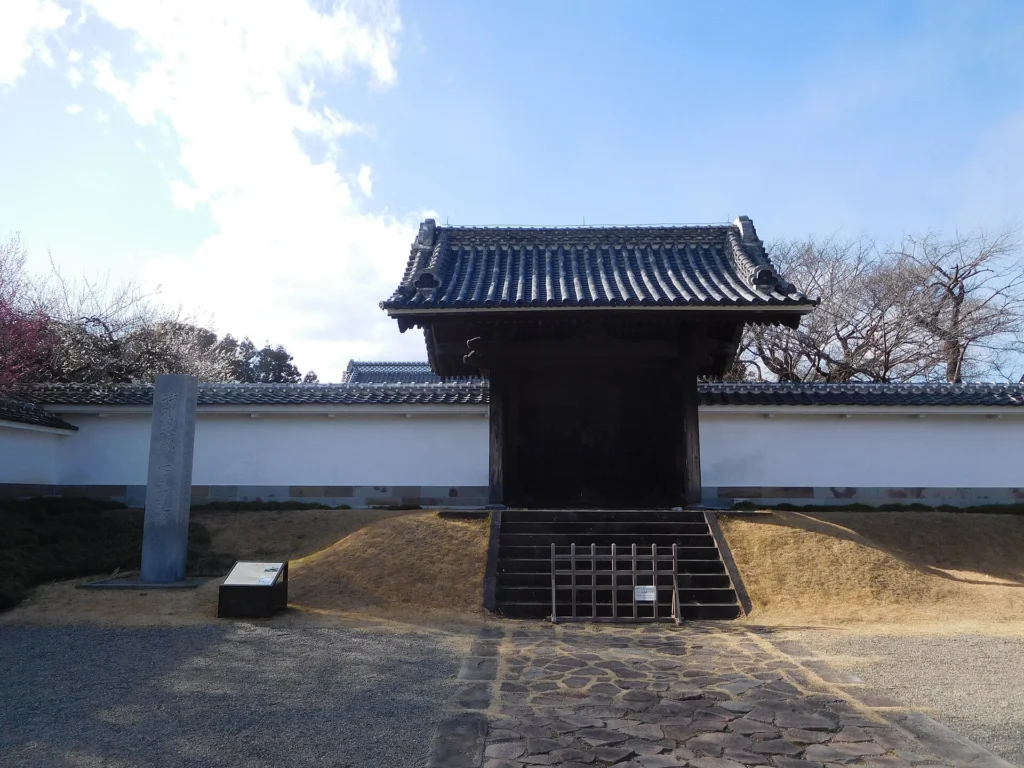
- Main gate: the original gate of the school. It has survived several wars, and marks from bullets fired in the 1868 Battle of Kodokan can still be seen on it. Visitors enter through a side gate.
- Seicho (main hall): the main school building, also called the school palace. Bullet marks also remain at its entrance.
- Shizendo: the third original building, next to the Seicho. After the last shogun, Tokugawa Yoshinobu, returned power to the emperor, he stayed at Kodokan under confinement in 1868.
- Calligraphy and records: the halls show large wooden name boards written by Nariaki and a rubbing of the Kodokan-ki, the text that set out the aims of the school.
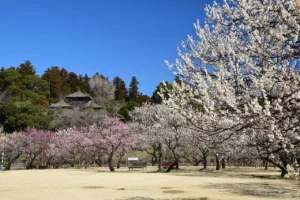
- Plum trees: about 60 kinds and 800 trees grow in the grounds. They bloom from late winter to early spring.
A short history
- A school for life: sons of Mito samurai entered at 15 and had to study until 40. There was no graduation.
- Many subjects: students learned Confucian studies, history, astronomy, math, maps, poetry and music, plus sword, spear, horse riding, gunnery and more.
- Large grounds: the school once covered about 10.5 hectares. The operator calls it the largest domain school in Japan.
- After the samurai age: the school closed in 1872. The buildings were later used as the Ibaraki prefectural office and as school buildings. The site became a national special historic site in 1952, and in 2015 it was named Japan Heritage.
Before you go
- Payment: credit cards, Suica, PASMO and many QR payments are accepted. E-tickets are also sold online.
- Free day: entry is free for everyone on November 13, Ibaraki Prefecture Day.
- Steps: the buildings are historic, so some areas have steps and cannot be seen by wheelchair. Check the barrier-free map on the official site.
- Free volunteer guides: volunteer guides explain Kodokan and other Mito sights for free. Apply through the Mito Tourism and Convention Association.
- Combined ticket: a set ticket for Kairakuen, Kobuntei and Kodokan is sold only during the Mito Plum Festival.
Getting there from Tokyo
- Train: take the JR Joban Line to Mito Station. Check the timetable before you go.
- On foot: leave Mito Station by the North Exit, walk down the pedestrian deck, turn right and walk up Icho-zaka slope. The official site shows the full route with photos.
- By bus: from stop 4 at Mito Station North Exit, take bus 10 bound for Kairakuen. It takes about 3 minutes to the Kodokan stop. Some buses do not stop there, so check first.
- With Kairakuen: the same bus line continues to Kairakuen, so you can see both in one day.
Visit the plum garden Kairakuen in the same city, see Hitachi Seaside Park nearby, or find more day trips from Tokyo.
FAQ
What are the opening hours of Kodokan in Mito?
From February 20 to September 30 it is open from 9:00 to 17:00. From October 1 to February 19 it is open from 9:00 to 16:30. It is closed from December 29 to 31.
How much is the entrance fee for Kodokan?
Adults pay 420 yen. Elementary and junior high school students and people aged 70 and over pay 210 yen.
How do I get to Kodokan from Mito Station?
You can walk from the North Exit of Mito Station, or take bus 10 bound for Kairakuen from stop 4. The bus takes about 3 minutes to the Kodokan stop.
Can I see plum blossoms at Kodokan?
Yes. About 800 plum trees of around 60 kinds grow in the grounds. They bloom from late winter to early spring.
Can I visit Kodokan and Kairakuen on the same day?
Yes. Both are in Mito, and the same bus line from Mito Station serves both. A combined ticket is sold only during the Mito Plum Festival.
Keep reading

Sources
Facts come from the official Kodokan website run by the Kodokan office of Ibaraki Prefecture (history, visitor guide and access pages). They are based on official sources, not our own visit. Hours, fees and bus routes can change, so check before you go. Last checked: November 2026 (on November 14, 2026).
Also nearby: Mito and Oarai guide