Researched guide · Last checked: Nov 15, 2026
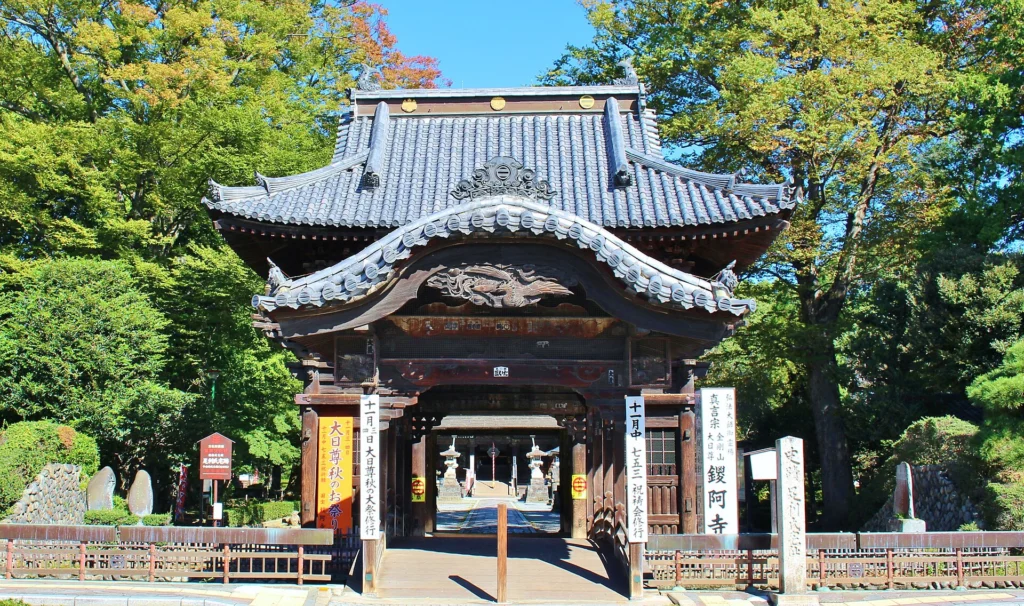
Bannaji is a Buddhist temple in the center of Ashikaga, Tochigi. It began in 1196, when Ashikaga Yoshikane built a hall for Dainichi Nyorai (a Buddha) inside his home. The Ashikaga clan later made it their family temple. The grounds are almost square and are surrounded by an earth wall and a moat, like a samurai house of the Kamakura period (1185 to 1333). The site is a national Historic Site, and the main hall is a National Treasure. Entry to the grounds is free.
Quick answer
A temple on the site of the Ashikaga clan’s residence, with a moat and a National Treasure main hall.
Hours: The grounds are a city park (Dainichi-en) and are open to walk around. Admission: Grounds free. Sutra hall (Issaikyo-do) 300 yen, only on Sundays and holidays when it is open. Main hall interior only by paid guided tour booked in advance.
Quick facts
| What it is | A temple on the site of the Ashikaga clan’s residence, with a moat and a National Treasure main hall |
| Hours | The grounds are a city park (Dainichi-en) and are open to walk around |
| Admission | Grounds free. Sutra hall (Issaikyo-do) 300 yen, only on Sundays and holidays when it is open. Main hall interior only by paid guided tour booked in advance |
| Address | 2220 Ietomi-cho, Ashikaga, Tochigi |
| Nearest station | Ashikaga Station (JR Ryomo Line), 10 minutes on foot; Ashikagashi Station (Tobu Isesaki Line), 15 minutes on foot |
| From Tokyo | Tobu limited express Ryomo from Asakusa to Ashikagashi, about 70 minutes |
| Last checked | November 2026 |
What to see
- Moat and earth walls: the grounds cover about 40,000 square meters. They keep the shape of a samurai residence from the Kamakura period. In 1922 the site became a national Historic Site as the “Ashikaga Clan Residence Site”.
- Main hall (Hondo, also called Omido): a National Treasure. The Agency for Cultural Affairs says the present building was built in 1299 by Ashikaga Sadauji and was repaired in the 1400s. It is a hall of esoteric Buddhism that also uses the Zen style of building, which was new in Japan at the time.
- Sutra hall (Kyodo / Issaikyo-do) and bell tower: both are national Important Cultural Properties.
- Other buildings: the two-story pagoda (Tahoto), the Romon gate, the east and west gates, the Otamaya hall and the arched bridge (Taikobashi) over the moat are Tochigi Prefecture cultural properties.
- Ginkgo tree: a large ginkgo tree in the grounds is a prefectural Natural Monument.
Guided visits
- Main hall and sutra hall with the head priest: booking in advance only. It costs 5,000 yen for 1 to 10 people (5,000 yen even for one person), plus 500 yen for each extra person. On weekdays, only groups are accepted. Available days depend on temple events, so ask the temple directly.
- Local tourist guides: guides walk you around the grounds only. The guiding is free, but a pamphlet costs 200 yen per person. For groups of 10 or more, booking needed.
- Language: the official pages do not say that these tours are in English. Ask when you book.
Before you go
- Sutra hall: you can only go inside (300 yen) on Sundays and holidays when it is open.
- New Year: the temple rings the New Year’s Eve bell (joya no kane) from 23:30 on December 31 to 2:00, and holds fire rituals (goma) from January 1 to 7. Expect crowds.
- Parking: use the free Taiheiki-kan tourist parking lot.
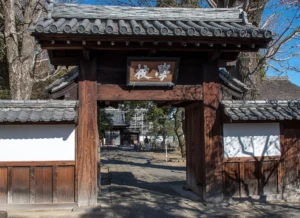
- Nearby: the Ashikaga Gakko, an old academy, is also in central Ashikaga, so you can visit both on one trip.
Getting there from Tokyo
- Tobu train: the Ashikaga City Tourism Association says the Tobu limited express Ryomo takes about 70 minutes from Asakusa, or about 60 minutes from Kita-Senju, to Ashikagashi Station. From there, walk about 15 minutes.
- JR train: from Ueno, take the Tohoku Shinkansen or the Utsunomiya Line to Oyama, then the JR Ryomo Line to Ashikaga Station (about 40 minutes from Oyama). Walk about 10 minutes.
- Car: about 10 minutes from Ashikaga IC on the Kita-Kanto Expressway.
In central Ashikaga, you can also visit the Ashikaga Gakko, or see the lights at Ashikaga Flower Park. For more temples, see temples and shrines in Tokyo, and find more day trips from Tokyo.
FAQ
Is Bannaji free to enter?
Yes. The grounds are a city park and entry is free. The sutra hall costs 300 yen and opens only on some Sundays and holidays. Seeing inside the main hall needs a paid guided tour booked in advance.
Why is Bannaji important?
It stands on the site of the Ashikaga clan’s residence, which still has its moat and earth walls. The site is a national Historic Site, and the main hall, built in 1299, is a National Treasure.
How do I get to Bannaji from Tokyo?
Take the Tobu limited express Ryomo from Asakusa to Ashikagashi Station (about 70 minutes) and walk about 15 minutes. Or take JR to Ashikaga Station and walk about 10 minutes.
Can I go inside the main hall?
Only with a guided tour by the head priest, booked in advance. It costs 5,000 yen for up to 10 people. On weekdays, only groups are accepted.
Is there parking?
Yes. The Ashikaga City Tourism Association says to use the free Taiheiki-kan tourist parking lot.
Keep reading
Sources
Facts come from the Ashikaga City Tourism Association and the Agency for Cultural Affairs’ Cultural Heritage Online database. They are based on official sources, not our own visit. Fees, sutra hall opening days and tour rules can change, so check before you go. Last checked: November 2026 (on November 15, 2026).