Researched guide · Last checked: Nov 17, 2026
At Utsuwa Nihonbashi Mutoh, a lacquerware shop in Nihonbashi, you decorate a vessel with gold and silver maki-e in about 90 minutes. You draw with a lacquer substitute, sprinkle on metallic powder and take the piece home the same day. This guide uses the shop’s own Japanese pages. Prices for visitors from abroad include an interpreter fee, so read the price section before you book. For lacquer repair, see our separate kintsugi guide.
Quick answer
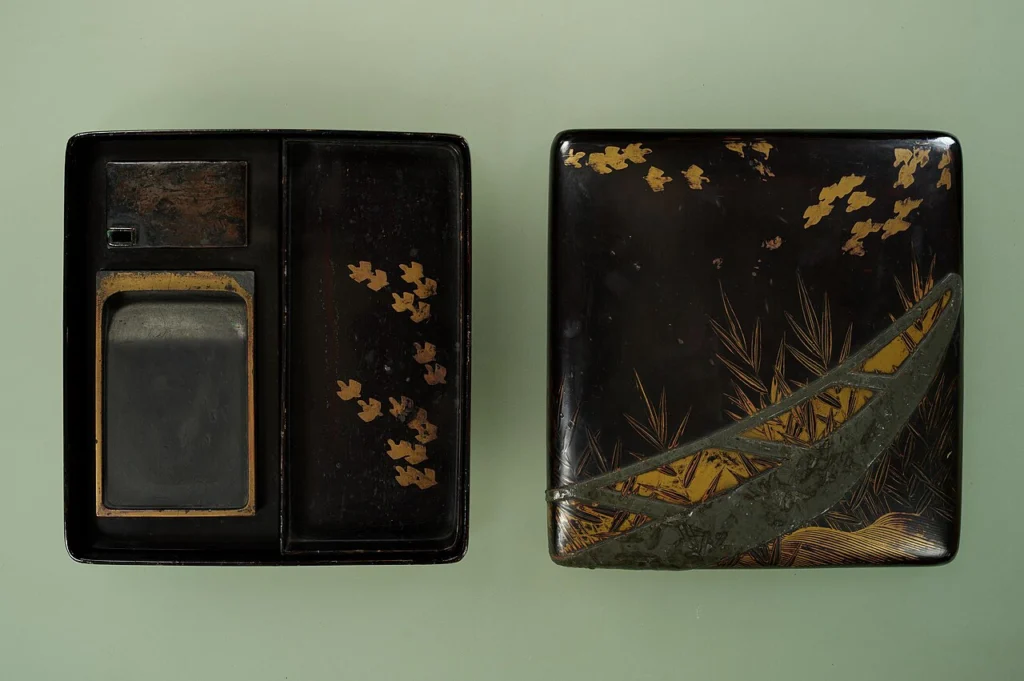
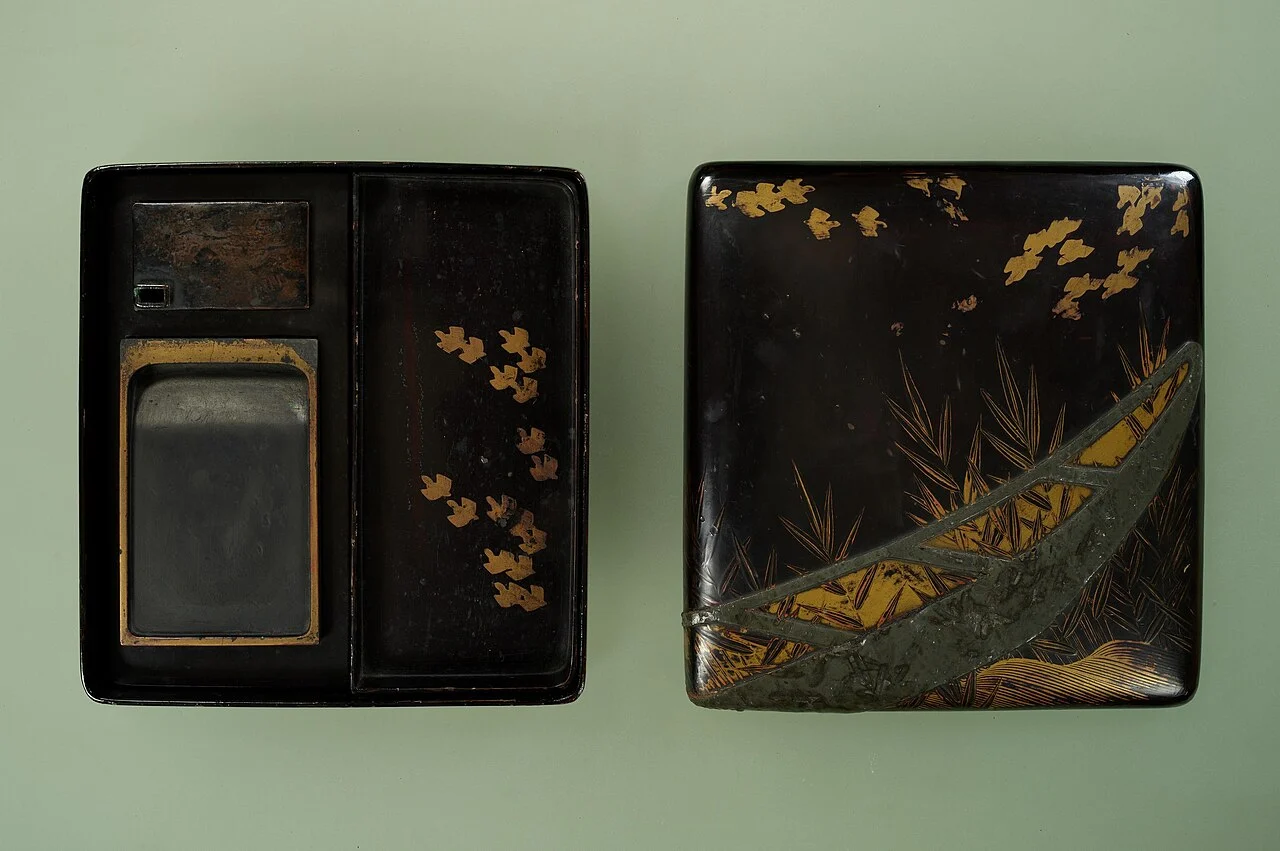
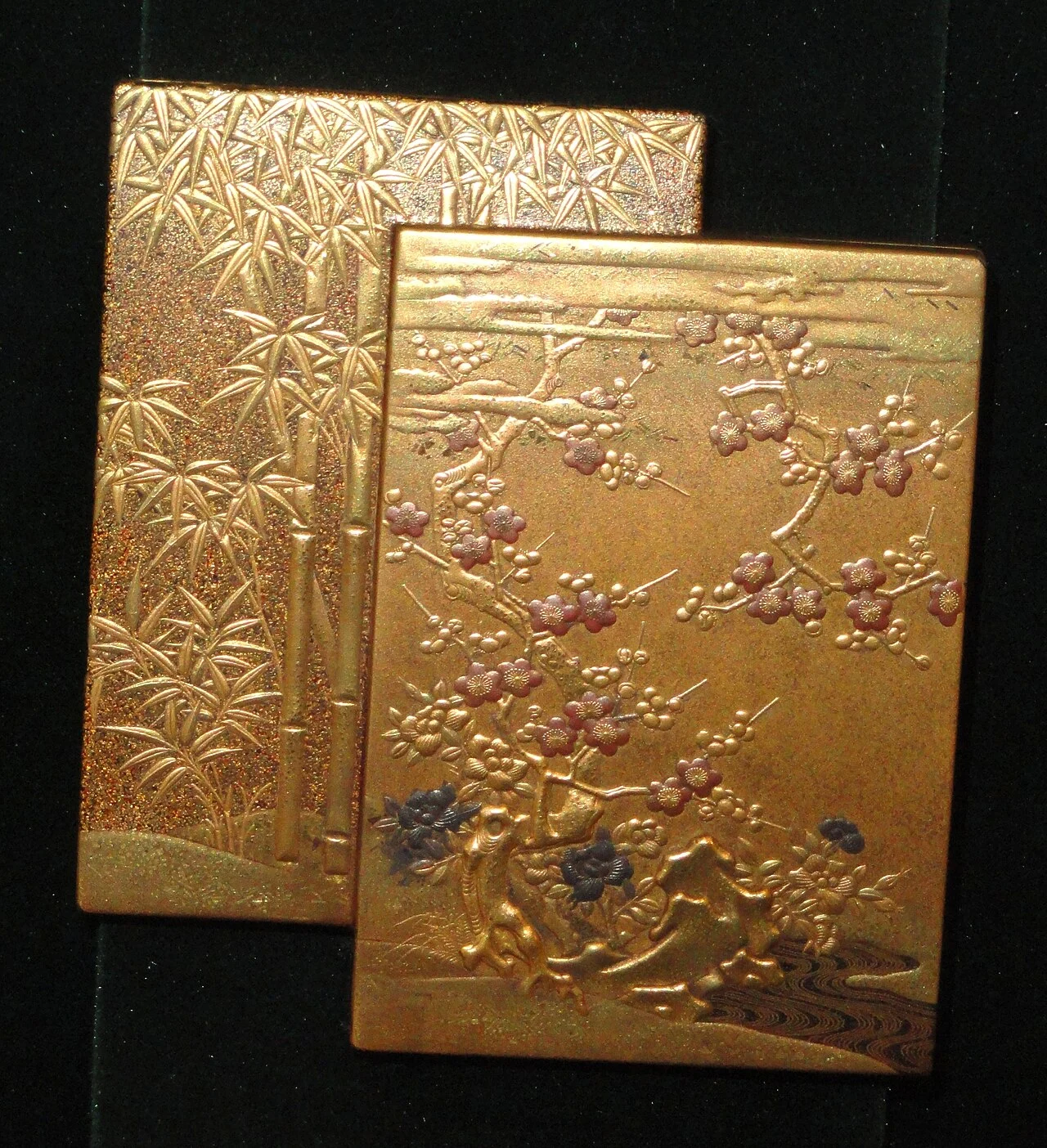
Maki-e is the Japanese craft of decorating lacquerware with gold or silver powder. At Mutoh in Nihonbashi the class takes about 90 minutes and costs 6,600 yen per person (tax included), plus the cost of some vessels. Visitors from abroad pay 8,250 yen more for interpretation, so the total is 14,850 yen per person.
Heads up: the shop’s English reservation form is not live. Book by phone at 03-3279-2850 (10:00 to 18:00) and say you need an interpreter. The shop says it can teach in English, French or Chinese if you tell it in advance.
| Operator | Utsuwa Nihonbashi Mutoh (Mutoh Corporation), main store |
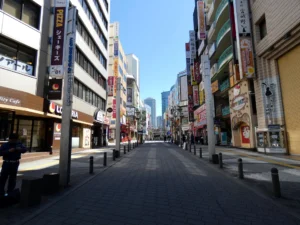
| Where | Nihonbashi Honcho 1-8-13, Chuo-ku. About 5 minutes on foot from Mitsukoshimae Station (Tokyo Metro) |
| Time | About 90 minutes |
| Price | 6,600 yen per person, tax included. Some vessels cost extra, paid on site |
| Price for visitors from abroad | 14,850 yen per person, tax included (6,600 yen class + 8,250 yen interpreter and history talk). Residence card holders pay the standard price |
| Materials | A lacquer substitute (cashew paint) and substitute gold and silver colored powder. Real lacquer is not used |
| Take home | Yes, the same day |
| Age | 10 and over is recommended. A guardian must come with children |
| Languages | English, French and Chinese (Mandarin), if you tell the shop in advance |
| Booking | By phone: 03-3279-2850. The shop also lists a Japanese booking site and an inquiry form |
| Last checked | November 2026 (on November 17, 2026) |
What You Do
The shop describes a simple flow. You choose a vessel, copy a pattern onto it and draw over the lines with cashew paint. Then you sprinkle metallic powder on the wet lines. The official page says stencil stickers are available, so you do not need to be good at drawing.
Maki-e normally uses real lacquer (urushi) and real gold powder. This class does not. The shop says it uses a lacquer substitute and substitute gold and silver powder, and it says you will not get a rash because no lacquer is used. If you want real urushi work, the shop runs a separate multi-visit kintsugi course. See our kintsugi guide for how kintsugi classes differ.
Price
- Standard class: 6,600 yen per person, tax included. The price depends on the vessel, and the extra part is paid on site.
- Visitors from abroad: the shop adds 8,250 yen per person (tax included) for an interpreter and a talk on history and culture. The total is 14,850 yen per person. People with a Japan residence card pay the standard price.
- Companions who only watch: a 3,300 yen seat fee (tax included).
- Special course: 30,000 yen per person (tax included) with a special vessel and pure gold leaf. It needs a reservation and may not always be available.
- Payment: cash, credit card or QR and barcode payment.
- Vessel sizes listed on the page: a round tray (24 cm), a free cup, a bowl and a small plate (14 cm). You can bring your own vessel for free, but the shop may change the vessel on offer.
Dates and Times
The official table lists classes from Monday to Friday at 10:30 to 12:00 and 13:30 to 15:00. On Saturday and Sunday there is also a 15:30 to 17:00 class. The 15:30 class on weekdays is for groups and VIP bookings only. The page says its table covers dates from April 2026 and that you must ask the shop about open slots. A normal booking is for 1 to 8 people.
How to Book
- Phone: 03-3279-2850, open 10:00 to 18:00. Give the class name, date and time, number of people, and say if you need an interpreter.
- Online: the shop lists a booking page on Street Academy (Japanese-language page). The shop’s own booking form is marked as being prepared, and its English form is not published.
- Questions: the shop’s inquiry form.
- Cancelling: for individuals, call by 17:00 two days before. After that the full price is charged. For private plans and groups of 4 or more, call by 17:00 one week before.
The FAQ says you should book ahead. It also says you can bring nothing, but wear clothes that can get dirty.
Tips for Your Visit
- The shop is in the Nihonbashi area, so you can pair it with the Nihonbashi guide or a museum day in Marunouchi and Nihonbashi.
- The finished piece goes home with you on the same day, so it works as a souvenir. For more ideas, see Tokyo souvenirs.
- For other hands-on classes, see craft workshops in Tokyo, wagashi making and calligraphy.
More ideas: the best experiences in Tokyo.
FAQ
How long is the maki-e class?
About 90 minutes, according to the shop.
How much does it cost?
The standard price is 6,600 yen per person, tax included. For visitors from abroad the shop adds 8,250 yen for an interpreter and a talk, so the total is 14,850 yen per person. Some vessels cost extra.
Is it real lacquer and gold?
No. The shop says it uses a lacquer substitute (cashew paint) and substitute gold and silver powder.
Can I take my piece home?
Yes, on the same day, according to the FAQ.
Is English available?
The shop says it can teach in English, French or Chinese if you tell it in advance. The English interpreter fee applies to visitors from abroad.
Can children join?
The page recommends age 10 and over. A guardian must come with children.
Can I just walk in?
The FAQ asks for a booking in advance. Phone first.
Keep reading
Sources
Facts come from the shop’s official Japanese pages, read on November 17, 2026. Prices, dates and rules can change, so please check before you go.