Researched guide · Last checked: Nov 17, 2026
Shojin ryori is the plant-based cooking of Zen Buddhist temples. Sankoin is a Zen temple for nuns in Koganei, in western Tokyo. It serves a set meal on reservation and holds a monthly one-day class. This guide uses the temple’s own website. For other vegetarian options, see our vegetarian and halal guide.
Quick answer
Sankoin serves shojin ryori at noon every day except Monday, by reservation only. The set meals are 3,300 to 6,600 yen. The temple recommends the 6,600 yen course for first-timers. A one-day Zen and shojin ryori class is held on the third Saturday of each month for 11,000 yen (a donation).
Heads-up: the site is in Japanese and does not mention English support. You reserve by email or phone. The temple says it is not a restaurant, and everyone starts eating at the same time. Read its visitor page first.
| Operator | Sankoin, a Zen temple (official website, Japanese) |
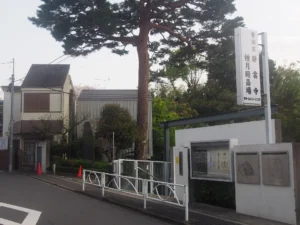
| Where | 3-1-36 Honcho, Koganei-shi, Tokyo. About 15 minutes on foot from the north exit of JR Musashi-Koganei Station |
| Meal | Served from noon, every day except Monday. Reservation only |
| Meal price | Yuki 6,600 yen, Tsuki 5,500 yen, Hana 4,400 yen, Kaze 3,300 yen. The tax is not stated |
| Class | One-day Zen and shojin ryori class, third Saturday, 10:00. 11,000 yen. Up to 8 people |
| Booking | Email to the temple. Phone is also listed |
| Closed | The visitor page lists Monday, the 3rd Wednesday, the 3rd Saturday and the 4th Friday |
| Language | Japanese. English support is not mentioned |
| Last checked | November 2026 (on November 17, 2026) |
The Set Meals
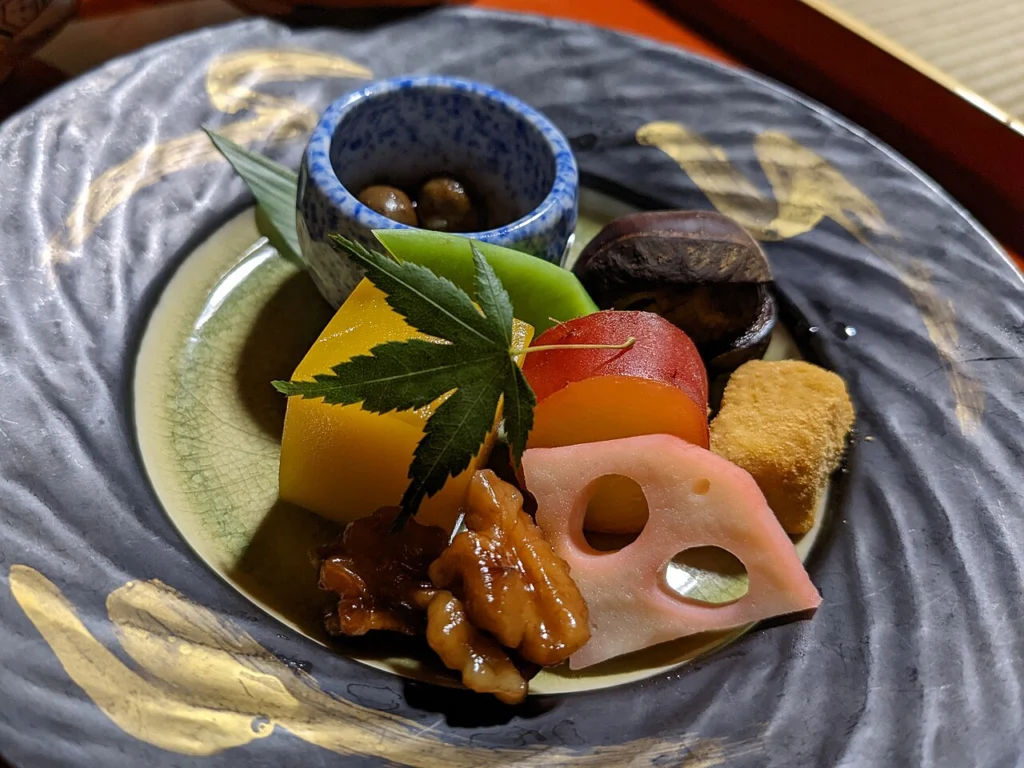
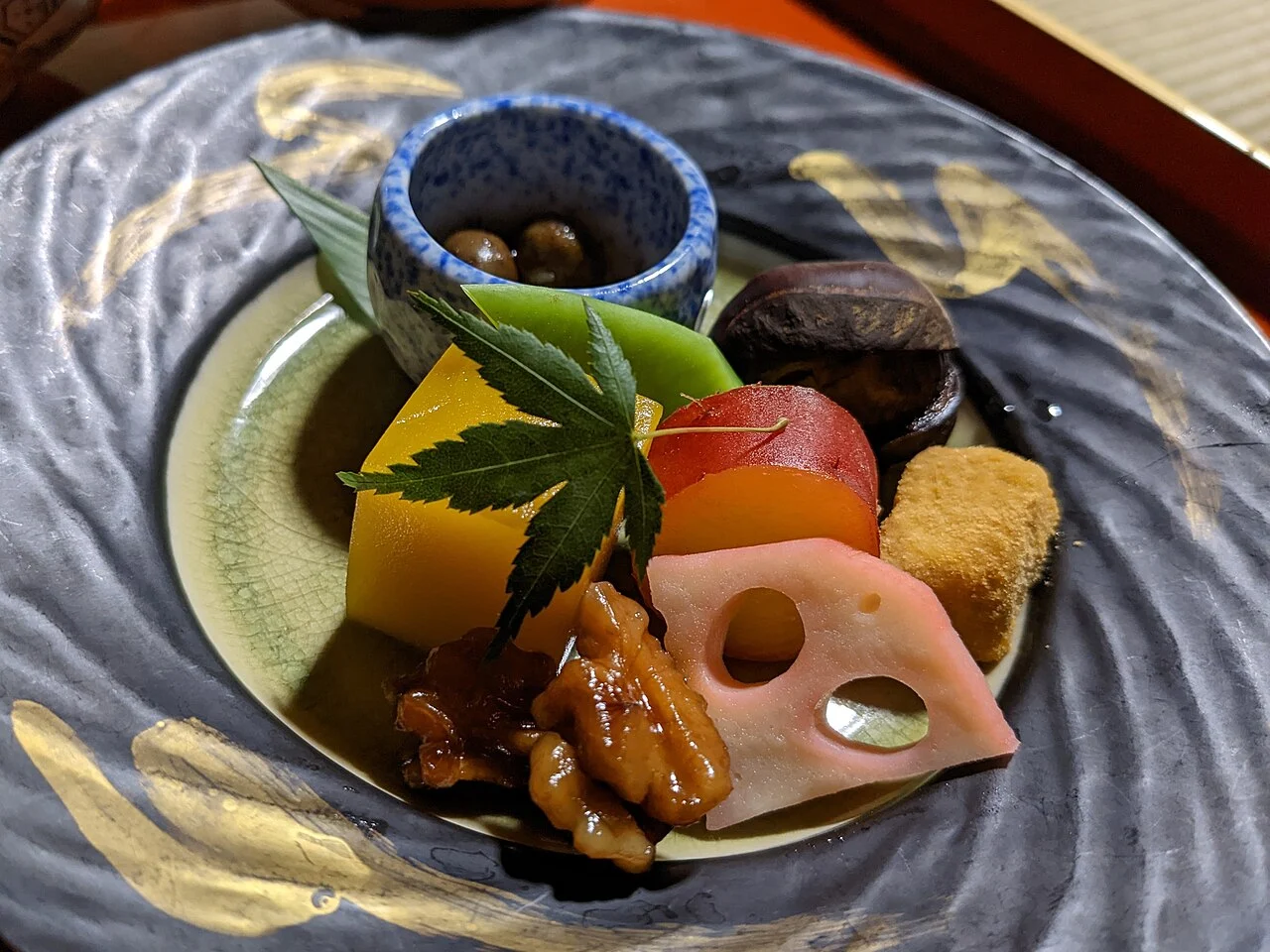
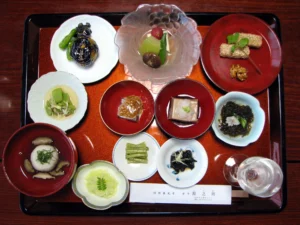
The temple serves its own style of shojin ryori, which it calls Take-no-gosho-ryu (竹之御所流). The four courses differ in the number of dishes:
- Yuki (6,600 yen): the full course of one soup, three teas and seven dishes. The temple recommends it for first-timers.
- Tsuki (5,500 yen): the Yuki course without the last tea and the fried dish.
- Hana (4,400 yen): one dish fewer than Tsuki.
- Kaze (3,300 yen): one dish and the first tea fewer than Hana. The temple marks it as a tasting size, and the wait between dishes is longer.
There are also a special course (7,700 yen, with a Q&A with the cooking teacher, not always offered) and a private room course (33,000 yen for one person, 22,000 yen per person for two or more). Both are booked by email only. The pages do not say whether the prices include tax. The visitor page also says the money you give is an offering and not a fixed fee, so read both pages.
The One-Day Class
The temple holds a one-day Zen and shojin ryori class on the third Saturday of each month. It starts at 10:00, costs 11,000 yen as a donation, and takes up to 8 people. You join for a single day. The class starts with a walk around the temple grounds. The temple says the dishes are not fixed in advance, so there is no set recipe list. Contact the temple by email to join. The temple also runs a year-long cooking course, but it expects a one-year commitment, so it is not for most visitors.
Before You Go
- The temple says it is not a restaurant. Meals start together in a shared room, and some guests come for other reasons.
- Reservation is needed. The temple lists email and a phone number, but its two pages give different phone hours, so email is safer.
- Closed days: Monday, the 3rd Wednesday, the 3rd Saturday and the 4th Friday, according to the visitor page.
- The pages do not say anything about allergies, children, dress or cancellation. Ask before you book.
You can also book a shojin ryori experience at Sankoin on Klook, in English. It is sold by Klook, so its dates and what is included may differ from the temple’s own pages. Check the Klook page before you book. The temple’s official pages above stay the main source.
Affiliate link
How to Get There
Sankoin is in Koganei, about 15 minutes on foot from the north exit of JR Musashi-Koganei Station, on the Chuo Line. See our Kokubunji and Koganei guide for the area. Koganei Park and the Edo-Tokyo Open Air Architectural Museum are nearby.
Tips for Your Visit
- Ask a Japanese speaker to email the temple, and write your date, group size and course.
- Choose the Yuki course if this is your first shojin ryori meal, as the temple suggests.
- Pair the meal with a walk in Koganei Park.
- For sitting meditation, see our Zen meditation guide.
More Ideas in Tokyo
- Vegetarian and halal in Tokyo: other meals without meat or fish
- Zen meditation in Tokyo: try zazen
- Washoku explained: background on Japanese food
- Table manners in Japan: eat with care
- Edo-Tokyo Open Air Architectural Museum: old buildings nearby
See more ideas in the best experiences in Tokyo.
FAQ
What is shojin ryori?
It is the plant-based cooking of Buddhist temples. Sankoin serves it in its own style, called Take-no-gosho-ryu.
How much is the meal at Sankoin?
The four set courses are 3,300, 4,400, 5,500 and 6,600 yen. The pages do not say whether tax is included.
Do I need to reserve?
Yes. The meal is by reservation only. The temple lists email and a phone number.
Is there a cooking class?
Yes. A one-day Zen and shojin ryori class is held on the third Saturday of each month at 10:00 for 11,000 yen (a donation), up to 8 people.
Is English available?
The site does not mention English support. Ask a Japanese speaker to help with the booking.
When is Sankoin closed?
The visitor page lists Monday, the 3rd Wednesday, the 3rd Saturday and the 4th Friday. Check with the temple.
How do I get there?
It is about 15 minutes on foot from the north exit of JR Musashi-Koganei Station.
Keep reading

Sources
Facts come from the temple’s official website (Japanese), read on November 17, 2026. Prices, days and rules can change, so please check before you go.