Researched guide · Checked on Oct 19, 2026
Tokyo is one of the world’s great coffee cities. You can sit in a quiet old kissaten that has hardly changed since the 1960s, try a carefully brewed specialty coffee by a canal, or watch matcha being whisked by hand at the counter. Here is how Tokyo’s cafés work, what to order and where to find each kind.
Quick answer
For old Tokyo: a kissaten, a traditional coffee shop with deep-roast coffee, thick toast and Napolitan spaghetti.
For specialty coffee: Kiyosumi-Shirakawa, a neighborhood of roasters near Kiyosumi Gardens.
For matcha: matcha cafés in Harajuku, Shimokitazawa and Kiyosumi-Shirakawa whisk it fresh in front of you.
Types of cafés in Tokyo
| Type | What it is | What to order |
|---|---|---|
| Kissaten (jun-kissa) | A traditional coffee shop, often keeping the feel of the 1950s to 1970s. Classic ones serve no alcohol | Deep-roast coffee, toast, Napolitan spaghetti, a morning set |
| Jazz kissa | A café where jazz plays all day, made for quiet listening | Coffee, and time to listen |
| Roastery café | Roasts its own beans. You can often choose the bean and the roast level | Coffee by the cup, simple cheesecake or chocolate cake |
| Specialty coffee | Modern espresso bars and roasters | Pour-over, espresso drinks |
| Matcha café | Matcha whisked to order, plus matcha drinks and sweets | Usucha (thin matcha), matcha lattes, matcha sweets |
Kissaten: Tokyo’s classic coffee shops
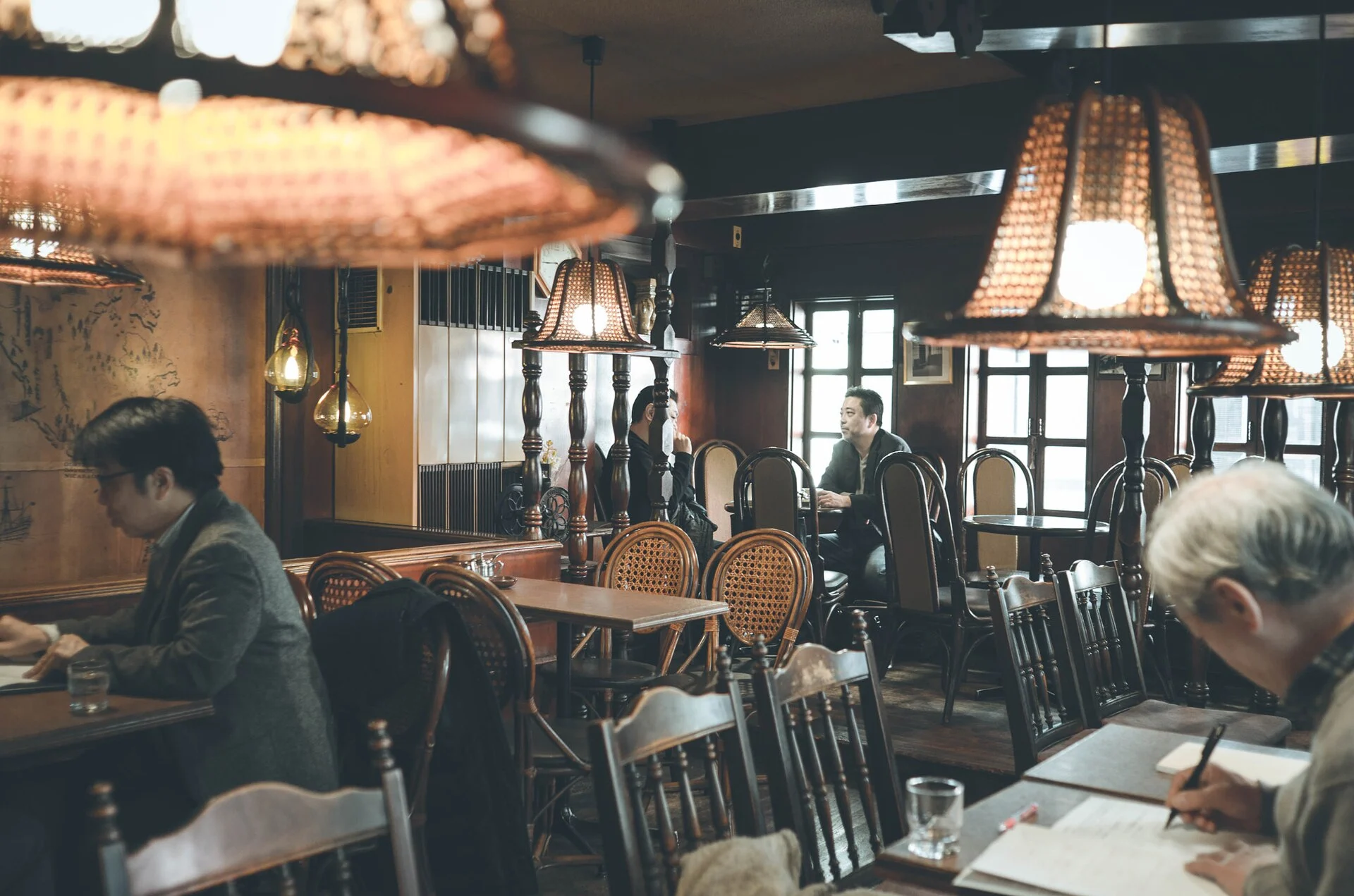
Kissaten once meant “a place to drink tea”, but they became quiet cafés where people drink coffee, read and talk. Kissaten first appeared in the early 20th century, and pour-over and siphon are still their favorite ways to brew coffee. Many still keep their old interiors, and visiting alone is completely normal.
What to order
- Coffee: usually a deep roast, often brewed by hand. Some shops now also offer lighter roasts.
- Napolitan: spaghetti in a ketchup-based sauce, a dish born in Japan in the 1950s and a kissaten classic.
- Toast: every shop has its own style, from bread thickness to how much butter, and some people choose a kissaten for its toast.
- Morning set: at shops that open early, coffee comes with a small breakfast, usually toast, a boiled egg and salad. Morning sets are often weekdays only. See Breakfast in Tokyo.
Where to find them
- Jimbocho is known for its second-hand bookstores and book-loving kissaten.
- Ginza has refined kissaten, many with crisp white tablecloths.
- Shinjuku is the traditional home of the jazz kissa.
- Yanaka has Kayaba Coffee, in a wooden building from 1916 that reopened in 2009 and keeps its Showa-era style. See our Yanaka guide.
- Café Bach in Taito City is a famous roastery café whose owner helped pioneer Japan’s specialty coffee and home-brewing culture.
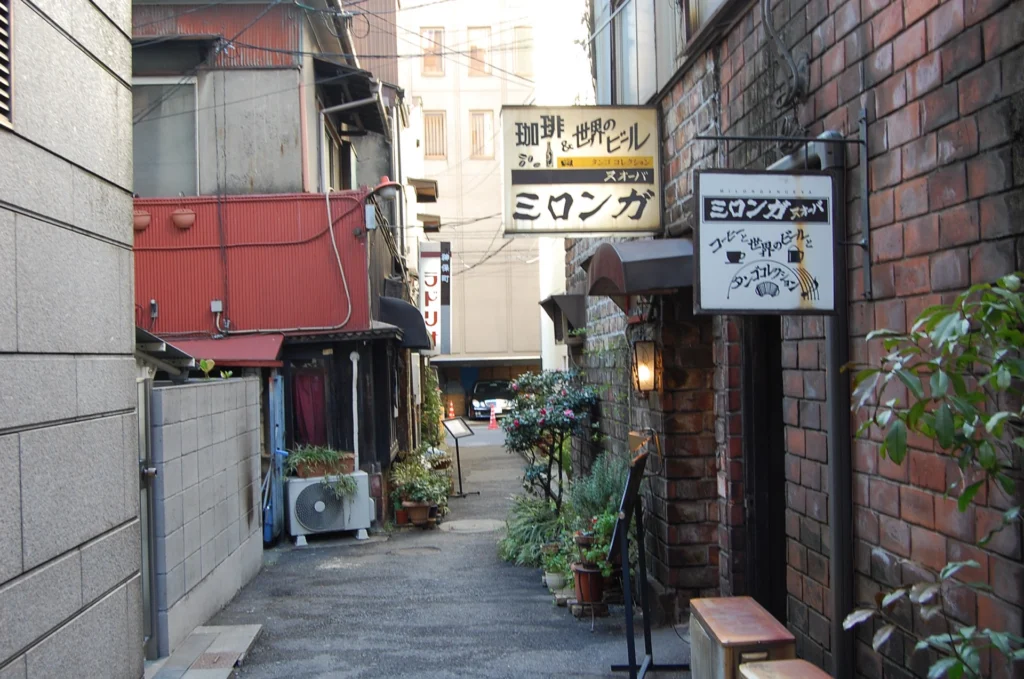
Classic kissaten are often hidden in back alleys rather than on main streets, so walking around is the best way to find them.
Specialty coffee in Kiyosumi-Shirakawa
Kiyosumi-Shirakawa, in eastern Tokyo, has one of the city’s best coffee scenes, from ultra-modern espresso bars to relaxed classic coffee shops. Arise Coffee Roasters is about a 5-minute walk from Kiyosumi-Shirakawa Station, and Blue Bottle Coffee has a café in a large two-story former storehouse with big windows.
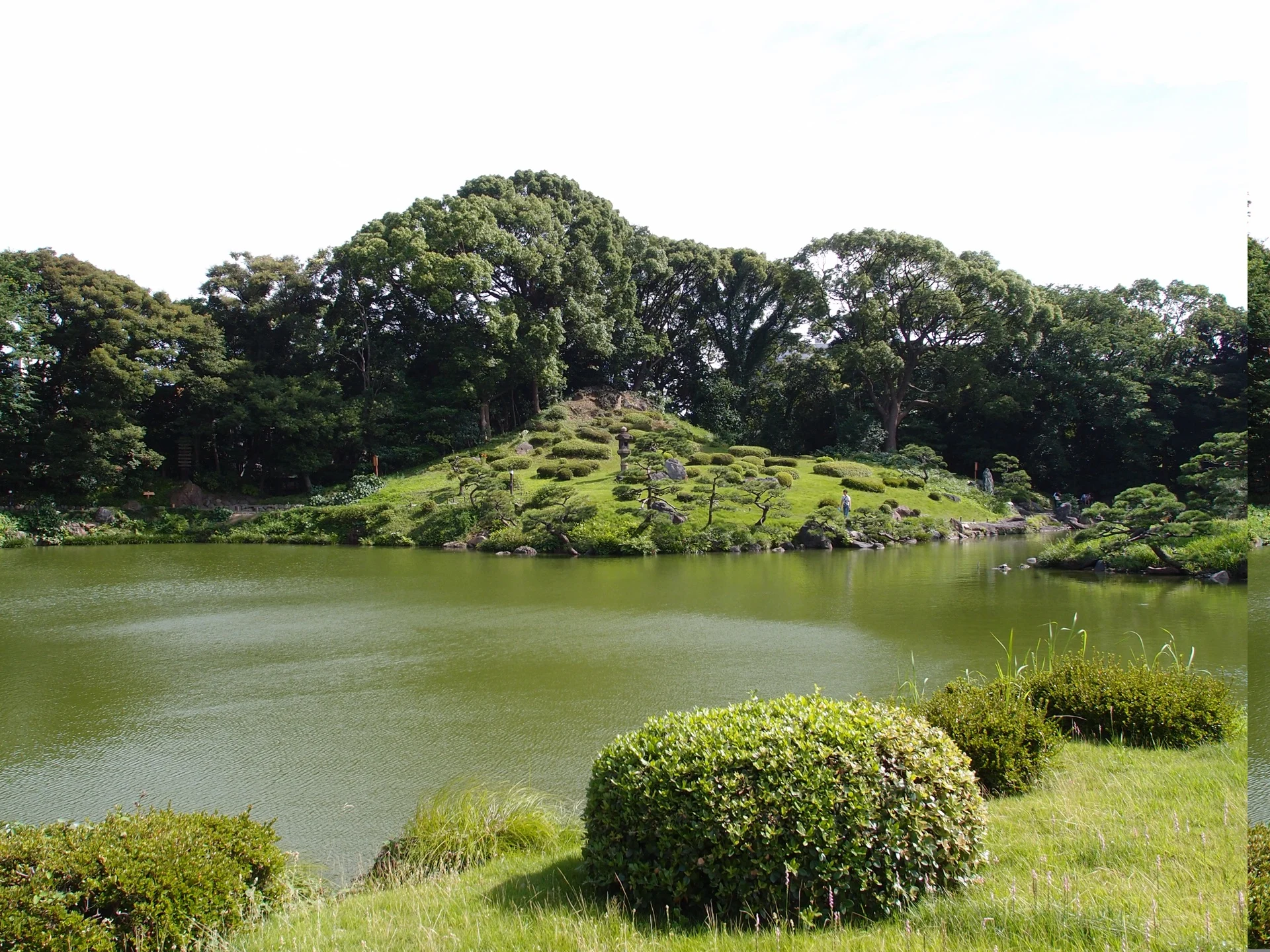
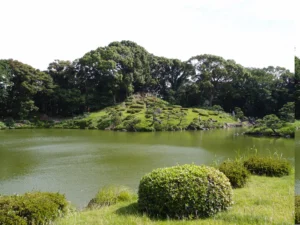
Make a half day of it: the area also has Kiyosumi Gardens, a traditional landscape garden with stepping stones across its pond, and the Museum of Contemporary Art Tokyo in Kiba Park. Kiyosumi-Shirakawa Station is on the Tokyo Metro Hanzomon Line and the Toei Oedo Line. See our Kiyosumi-Shirakawa guide.
Matcha cafés
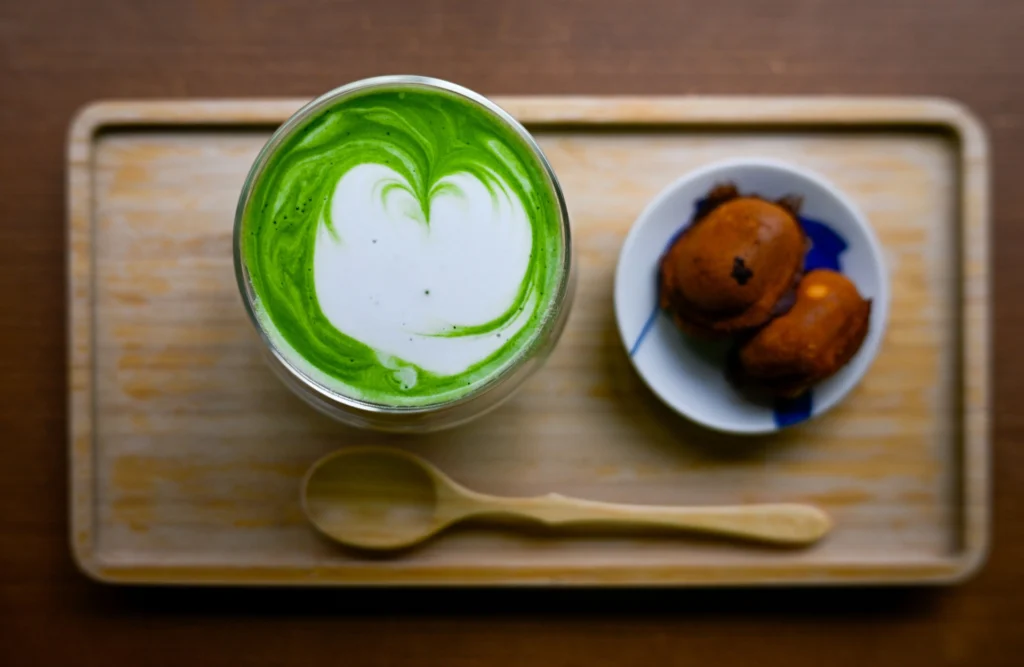
With matcha, you drink the whole stone-ground tea leaf, which gives it its vivid green color and deep flavor. A few Tokyo cafés to try:
- The Matcha Tokyo Harajuku, a one-minute walk from JR Harajuku Station, whisks matcha by hand at the counter and serves matcha lattes and shakes.
- Matcha Passport, a two-minute walk from Shimokitazawa Station, serves several kinds of matcha, matcha lattes and matcha sweets, with workshops on some weekends.
- Matcha& Kiyosumishirakawa, a six-minute walk from Kiyosumi-Shirakawa Station, blends Uji matcha from Kyoto with fermented ingredients, such as an amazake matcha.
For a traditional setting, see our guides to Jiyugaoka, with its garden teahouse, and Harajuku and Omotesando.
New retro cafés
A new wave of cafés plays with kissaten nostalgia:
- Coffee Zingaro in Nakano Broadway was designed by artist Takashi Murakami. Its ten tables are playable retro video games from the 1970s and 1980s, and its menu is in Japanese and English.
- Fujun Kissa Dope in Nakano serves kissaten favorites such as ice cream floats and thick Napolitan, with an optional alcoholic version of most drinks.
- Drive-in DenDen, a café and bar that opened in 2025 in the Asakusa Underground Shopping Street, is packed with vintage electronic signs. See our Asakusa guide.
Café manners and tips
- Order at least one item per person. It is the standard rule, especially in small kissaten.
- Some kissaten do not allow photos, and some post their house rules online. Check first, or ask the staff.
- Going alone is common and comfortable in Tokyo’s cafés.
- Hours vary, and small cafés may close one or two days a week. Check the café’s official website or social media before you go.
- Paying: see Money in Tokyo and keep some cash for small, older shops.
FAQ
What is a kissaten?
A traditional Japanese coffee shop. Classic kissaten serve coffee and light meals such as toast and Napolitan spaghetti, often in interiors from the 1950s to 1970s.
Where is the best area for coffee in Tokyo?
Kiyosumi-Shirakawa, in eastern Tokyo, is known for its specialty coffee roasters and cafés, close to Kiyosumi Gardens.
Where can I drink matcha in Tokyo?
Matcha cafés in Harajuku, Shimokitazawa and Kiyosumi-Shirakawa whisk matcha to order, and many also serve matcha lattes and sweets.
Do I have to order something for each person?
Yes. In most cafés, especially small kissaten, each person is expected to order at least one item.
Keep reading

Sources
Information comes from the official sources below (checked October 19, 2026). Cafés open, close and change their hours, so please check before you go.