Researched guide · Last checked: Nov 15, 2026
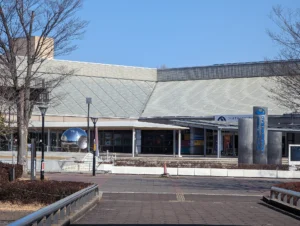
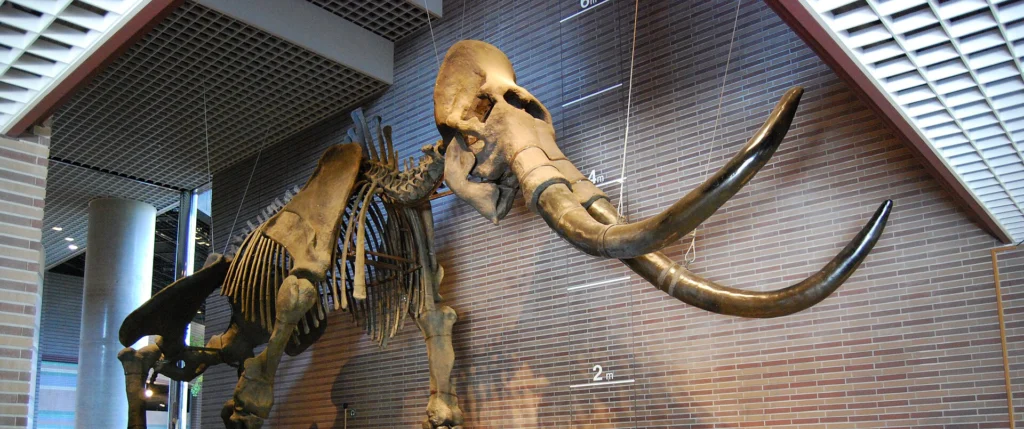
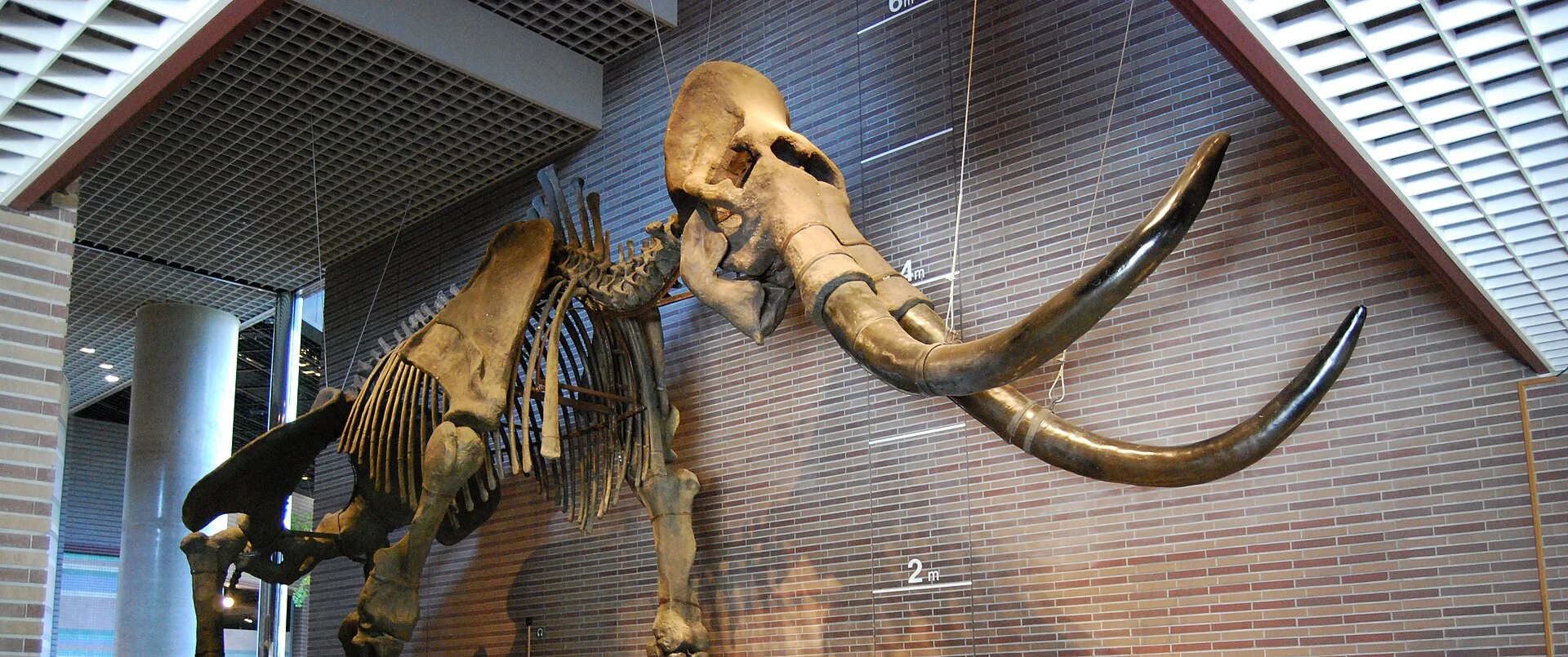
The Ibaraki Nature Museum is a natural history museum in Bando, Ibaraki. Its entrance holds a 9.1 m mammoth model and a 26 m dinosaur. Outside, 15.8 ha of grounds (about 3.5 Tokyo Domes) have a pond, lawns and a flower valley. It is easiest to reach by car, because the local buses run only a few times a day.
Quick answer
A natural history museum with outdoor grounds, in Bando, Ibaraki.
Hours: 9:30 to 17:00, last entry 16:30. Closed days are shown on the official calendar. Admission: Normal period: adults 610 yen, age 70+ 300 yen, high school 380 yen, junior high and elementary 110 yen. During a special exhibition: adults 850 yen. Preschool children are free.
Quick facts
| What it is | A natural history museum with outdoor grounds, in Bando, Ibaraki |
| Hours | 9:30 to 17:00, last entry 16:30. Closed days are shown on the official calendar |
| Admission | Normal period: adults 610 yen, age 70+ 300 yen, high school 380 yen, junior high and elementary 110 yen. During a special exhibition: adults 850 yen. Preschool children are free |
| Address | 700 Osaki, Bando, Ibaraki |
| Nearest station | No station is close. The nearest bus stop is Shizen-hakubutsukan-iriguchi, then about 10 to 15 minutes on foot |
| Last checked | November 2026 |
What to see
- The entrance symbols: a model of the Songhua mammoth, 9.1 m long and 5.3 m high, and a Nuoerosaurus, 26 m long and 9.75 m high. The museum calls it one of Asia’s largest long-necked dinosaurs from the Early Cretaceous. A 12 m dawn redwood, a living fossil, also stands near the entrance.
- Five exhibition rooms: Room 1 is the universe, Room 2 is the origin of the Earth (rocks, minerals, fossils, a saber-toothed cat and a dinosaur diorama), Room 3 is how nature works (a coelacanth, a soil diorama and aquariums), Room 4 is how life works (insects, seeds and animal bodies), and Room 5 is people and the environment.
- Ibaraki’s own nature: displays on plants, animals and rocks of Ibaraki, including a 3D model of the beech trees on Mt. Tsukuba and an elephant fossil found in Hitachiomiya in 2011.
- Outdoor grounds: 15.8 ha, with a lawn plaza, Dragonfly Pond, a flower valley, a flowering tree plaza and a bridge over Lake Sugao for watching waterbirds. The water plaza runs from about June to September.
Tickets and special exhibitions
- Right now: a special exhibition runs from October 24, 2026 to February 7, 2027, so the higher prices apply: adults 850 yen, age 70+ 420 yen, high school 520 yen, junior high and elementary 170 yen. Outdoor only is 240 yen for adults.
- Normal prices: adults 610 yen, age 70+ 300 yen, high school 380 yen, junior high and elementary 110 yen.
- Next special exhibition: a traveling exhibition from the National Museum of Nature and Science, from March 20 to June 6, 2027.
- Free: preschool children. Saturdays are free for elementary to high school students, except during long school holidays. Science Days (free for everyone) fall on the spring equinox in March, May 4, June 5 and November 13.
- Annual passport: adults 1,770 yen for one year.
Getting there
- Tsukuba Express: from Moriya Station West Exit platform 1, take the Kanto Railway bus bound for Iwai Bus Terminal for about 30 minutes and get off at Shizen-hakubutsukan-iriguchi. Then walk about 10 minutes. There are about 3 to 4 buses a day. On weekends and holidays one direct bus runs about 3 times a day.
- Tobu Urban Park Line: from Atago Station, take the Ibaraki Kyuko bus bound for Iwai Shako for about 15 minutes, get off at the same stop and walk about 15 minutes. It runs about once an hour.
- By car: free parking for 1,000 cars and 24 buses.
- From Tokyo: the official access page gives no travel time from Tokyo.
Combine the museum with other Ibaraki sights. Read about Tsukuba Space Center, Tsukuba Botanical Garden and Mt. Tsukuba. In Tokyo, see the National Museum of Nature and Science. Find more day trips from Tokyo.
FAQ
How much is the Ibaraki Nature Museum?
Normally 610 yen for adults and 110 yen for junior high and elementary students. While a special exhibition runs (now until February 7, 2027), adults pay 850 yen. Preschool children are free.
Is there a free day?
Saturdays are free for elementary to high school students, except during long school holidays. Science Days are free for everyone on the spring equinox, May 4, June 5 and November 13.
How do I get there from Moriya Station?
Take the Kanto Railway bus bound for Iwai Bus Terminal from West Exit platform 1 for about 30 minutes. Get off at Shizen-hakubutsukan-iriguchi and walk about 10 minutes.
Is there parking?
Yes. Parking is free, with space for 1,000 cars and 24 buses.
How big are the grounds?
15.8 ha, about 3.5 times the size of the Tokyo Dome.
Keep reading
Sources
Facts come from the official Ibaraki Nature Museum website (top page, fees, access, permanent exhibits and outdoor facilities), last checked on November 15, 2026. They are based on official sources, not our own visit. The official pages do not state the weekly closed day in text, so we point to the official calendar. Last checked: November 2026 (on November 15, 2026).
- Ibaraki Nature Museum (official): Top page (English)
- Ibaraki Nature Museum (official): Fees and annual passport (Japanese)
- Ibaraki Nature Museum (official): Access (Japanese)
- Ibaraki Nature Museum (official): Permanent exhibits (Japanese)
- Ibaraki Nature Museum (official): Outdoor facilities (Japanese)