Researched guide · Last checked: Nov 15, 2026
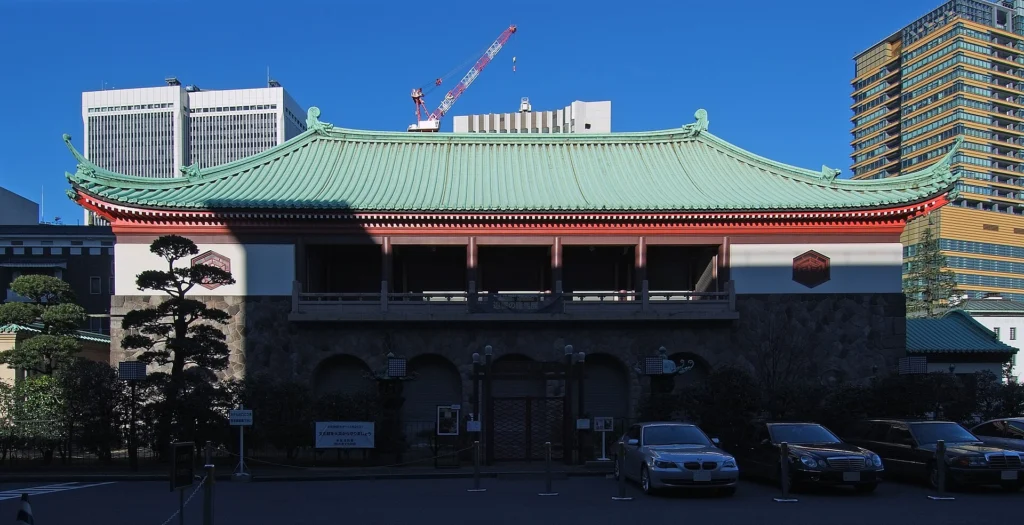
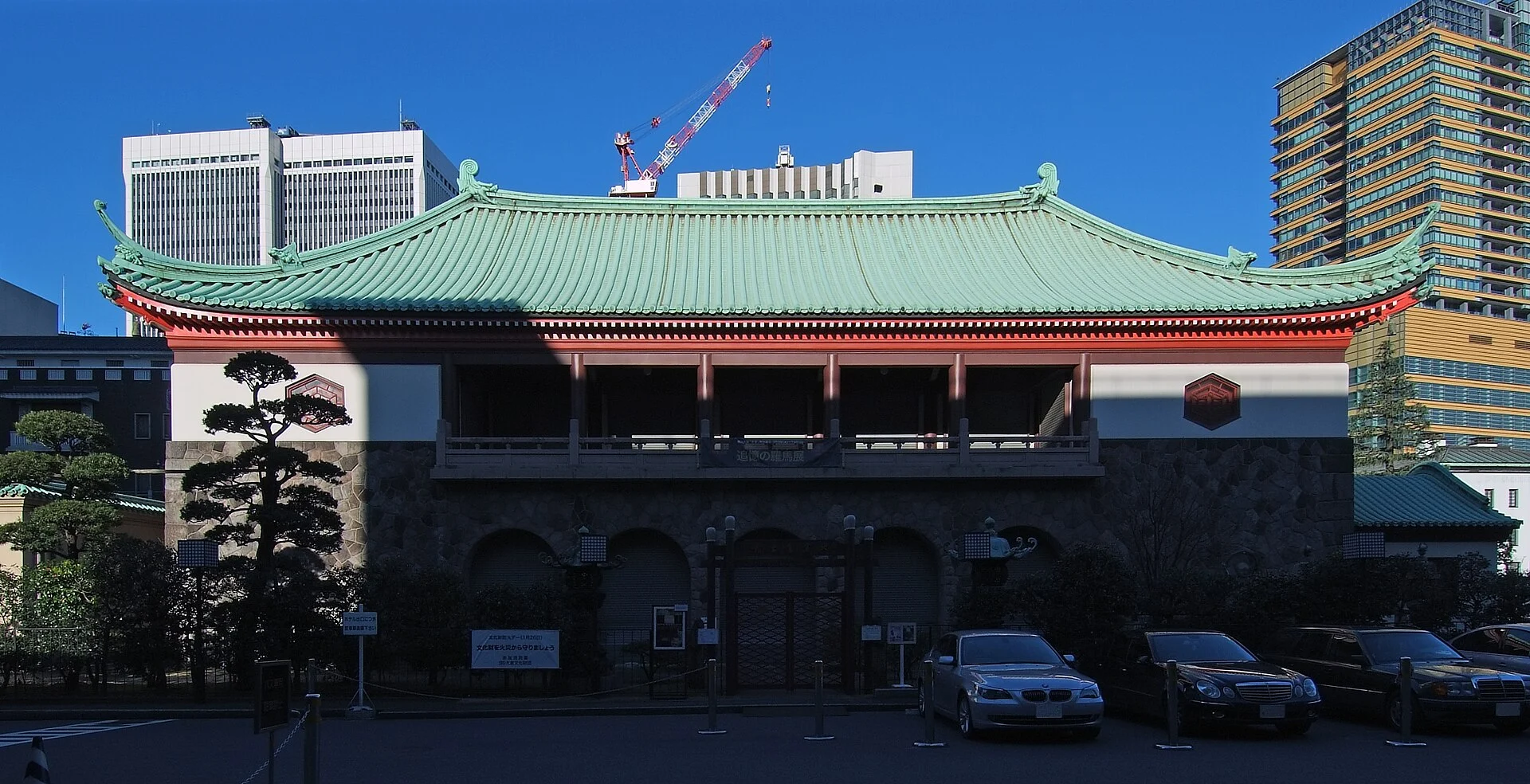
The Okura Museum of Art (Okura Shukokan) is a small art museum in Toranomon, Minato City, in front of The Okura Tokyo hotel. The museum calls itself the oldest surviving private art museum in Japan and the first one in Japan run by a foundation. It grew out of a museum that the businessman Okura Kihachiro opened in his own home in 1902, and it holds about 2,500 works. The exhibition building, designed by Ito Chuta in a Chinese classical style, dates from 1927. The museum has no permanent exhibition, so what you see depends on the current show.
Quick answer
A private art museum with changing exhibitions and no permanent exhibition.
Hours: 10:00-17:00 (last entry 16:30). Closed: Mondays (open when Monday is a public holiday, then closed the next day), between exhibitions and at year-end. Admission: Adults JPY 1,000 (JPY 1,500 for special exhibitions); university and high school students JPY 800; junior high school students and younger free.
Quick facts
| What it is | A private art museum with changing exhibitions and no permanent exhibition |
| Known for | Its 1927 Chinese-style building and a collection of about 2,500 Japanese and East Asian works |
| Hours | 10:00-17:00 (last entry 16:30) |
| Closed | Mondays (open when Monday is a public holiday, then closed the next day), between exhibitions and at year-end |
| Admission | Adults JPY 1,000 (JPY 1,500 for special exhibitions); university and high school students JPY 800; junior high school students and younger free |
| Address | 2-10-3 Toranomon, Minato City (in front of The Okura Tokyo) |
| Nearest station | Roppongi-itchome Station (Namboku Line), about 5 minutes on foot |
| Last checked | November 2026 |
What to see
- The building: after the 1923 earthquake destroyed the first building, the architect Ito Chuta designed a new earthquake- and fire-resistant hall, finished in 1927. It is a Chinese classical-style building, a Tokyo Metropolis historic building since 1990 and a national Registered Tangible Cultural Property since 1998.
- Imaginary beasts: look for the mythical creatures on the roof and on the brackets of the 2nd floor, lions on the staircase posts and a dragon on the 2nd-floor ceiling.
- The collection: about 2,500 works, including 3 National Treasures, 13 Important Cultural Properties and 44 Important Art Objects. It covers paintings, calligraphy, sculpture, ceramics, lacquerware, metalwork, swords and Noh costumes and masks.
- Always on view: only the Important Art Object Shishi (lion) is on permanent display.
Exhibitions now
Until December 20, 2026, the special exhibition Beautiful Moment: Focusing on Bijinga (Portraits of Beautiful Women) shows about 70 works from the Edo period to the early Showa era. They include ukiyo-e pictures of beauties by Katsukawa Shunsho and Utagawa Kunisada, and works by Kaburaki Kiyokata, Uemura Shoen and Ito Shinsui, plus landscape paintings, costumes and cosmetic tools. Yokoyama Taikan’s Yozakura (Night Cherry Blossoms, 1929) is planned for display from November 10 to December 20. The museum says two National Treasures, Preface to the Kokin Wakashu and Fugen Bosatsu on an Elephant, are not on display now.
Tickets and passes
- Standard prices: adults JPY 1,000 (JPY 1,500 for special exhibitions); university and high school students JPY 800 (JPY 1,000 for special exhibitions); show a student ID. Junior high school students and younger are free. Prices can differ by exhibition.
- Discounts: JPY 500 off for a repeat visit to the same exhibition (bring your earlier ticket) and for groups of 20 or more; JPY 300 off if you wear a Japanese kimono. Free for people with a disability certificate and one companion.
- Passes: a Museum Passport (JPY 5,500, valid one year, admits two people) and the Grutto Pass (JPY 2,500) are sold at the reception desk. Set tickets with The Okura Tokyo (lunch JPY 6,000, tea and sweets JPY 3,100) are also on sale.
Tips
- Photography in the exhibition rooms is generally not allowed, and notes should be written in pencil.
- Eating and drinking are not allowed inside. There is a water fountain on the basement floor.
- Free lockers and a wheelchair are available. Large luggage can be left at reception. Umbrellas go in the stand.
- There is no parking, so use public transport.
Getting there
- Roppongi-itchome Station (Namboku Line): about 5 minutes from the central ticket gate, toward Izumi Garden.
- Kamiyacho Station (Hibiya Line): about 7 minutes on foot from Exit 4b.
- Toranomon Hills Station (Hibiya Line): about 7 to 8 minutes on foot from Exit A2a.
- Tameike-sanno Station (Ginza Line, Namboku Line): about 10 minutes on foot from Exit 13.
The area is covered in our Roppongi and Azabudai guide and Akasaka guide. For other collections of classical Japanese and East Asian art, see the Nezu Museum and the Suntory Museum of Art, or our list of museums in Tokyo.
FAQ
How much is a ticket?
Adults pay JPY 1,000 (JPY 1,500 for special exhibitions). University and high school students pay JPY 800, and junior high school students and younger enter free. Prices can differ by exhibition.
Is there a permanent exhibition?
No. The museum has only changing exhibitions. One work, the lion Shishi, is always on view.
Can I take photos?
Photography in the exhibition rooms is generally not allowed.
When is the museum closed?
On Mondays (it is open when Monday is a public holiday and closed the next day), at year-end and between exhibitions.
What is the nearest station?
Roppongi-itchome Station on the Namboku Line, about 5 minutes on foot. Kamiyacho Station is about 7 minutes on foot.
Also see: our Toranomon guide for the big picture of the area and how to plan your time.
Keep reading
Sources
Facts come from the Okura Museum of Art’s official website (Last checked: November 15, 2026). This page is based on official sources, not our own visit. Last checked: November 2026 (on November 15, 2026).
- Okura Museum of Art: Information in English (official)
- Okura Museum of Art: Visitor guide, hours and fees (official, Japanese)
- Okura Museum of Art: About the museum and its history (official, Japanese)
- Okura Museum of Art: Collection (official, Japanese)
- Okura Museum of Art: Floor guide and visitor rules (official, Japanese)
- Okura Museum of Art: Top page and current exhibition (official, Japanese)